Service Areas in Murfreesboro, TN
Coordinate commercial roof inspections and repairs across Murfreesboro corridors. Confirm the property address, access, and work window before scheduling.
Service Areas
How We Approach It
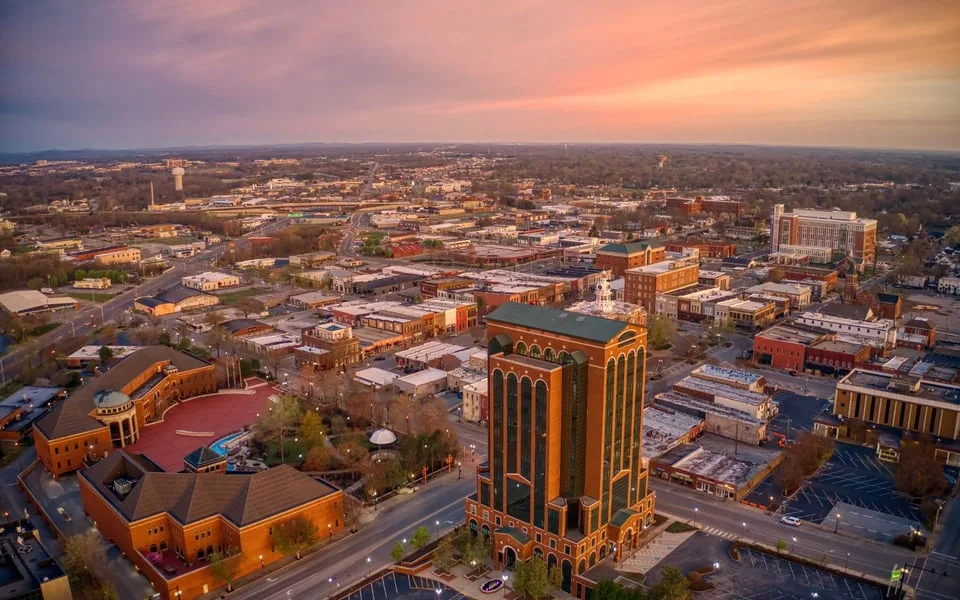
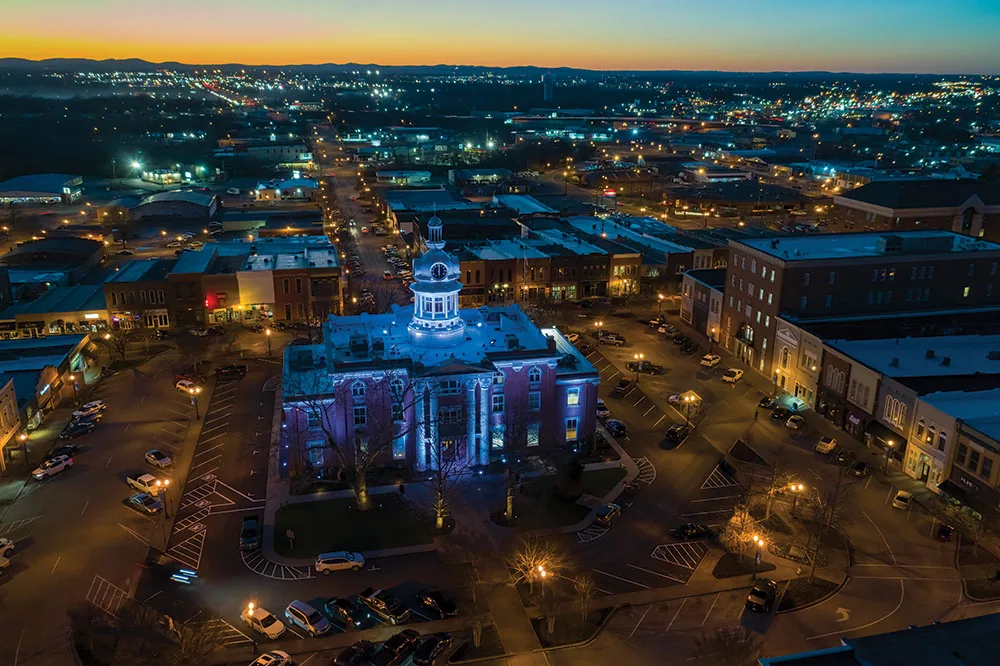
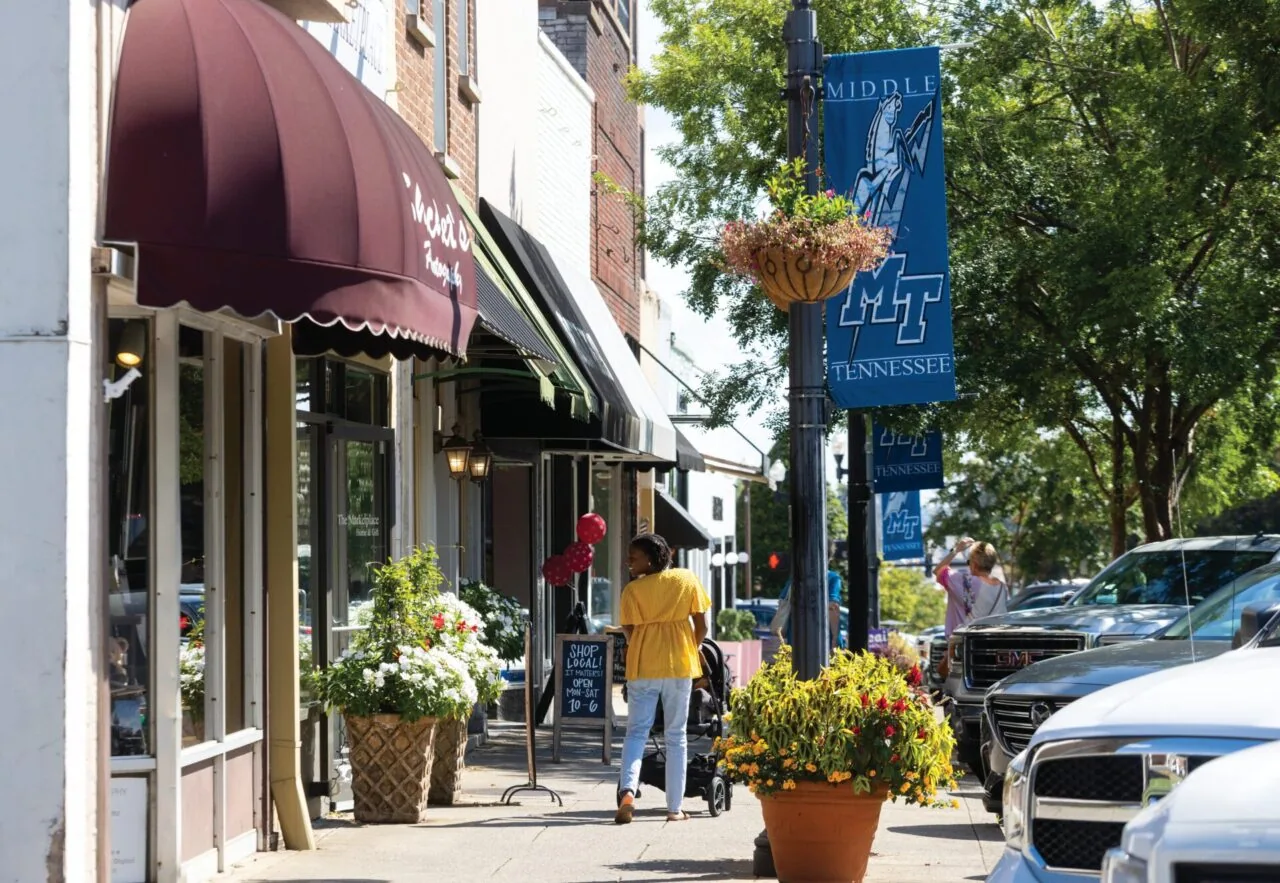
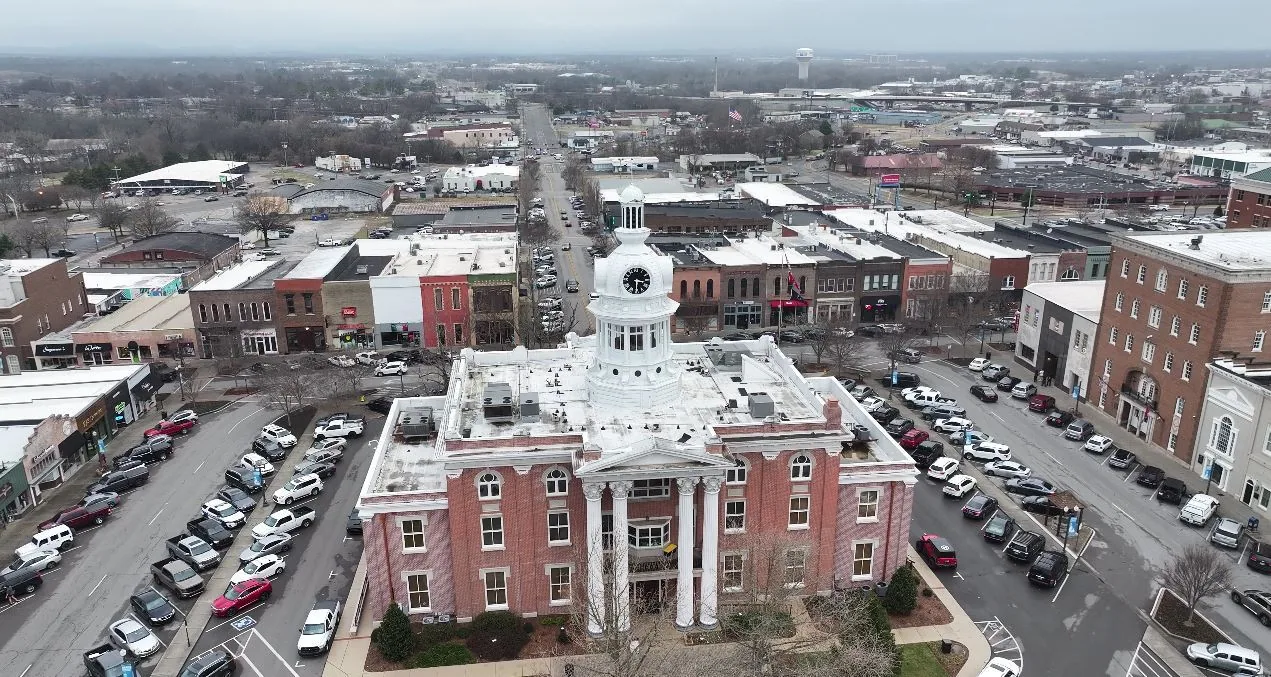
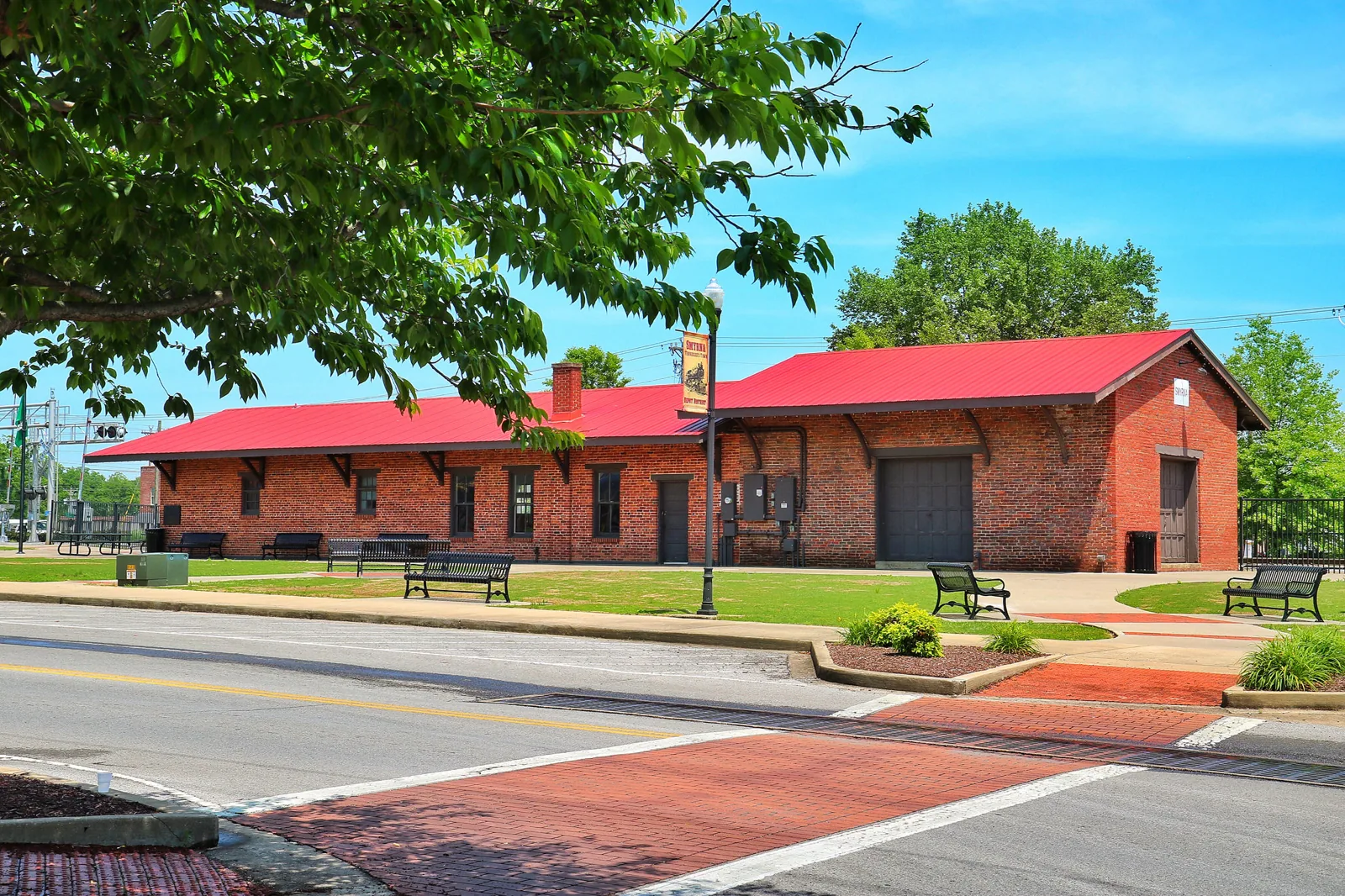
Roofing service begins with a confirmed address, building contact, and safe access plan. Murfreesboro's commercial properties range from downtown blocks to industrial and retail corridors, so travel coverage alone does not set the work sequence. The City map identifies downtown, commercial streets, civic uses, and the East Main Street Historic District as distinct parts of the city. We verify the actual roof location and site requirements before scheduling a walk.
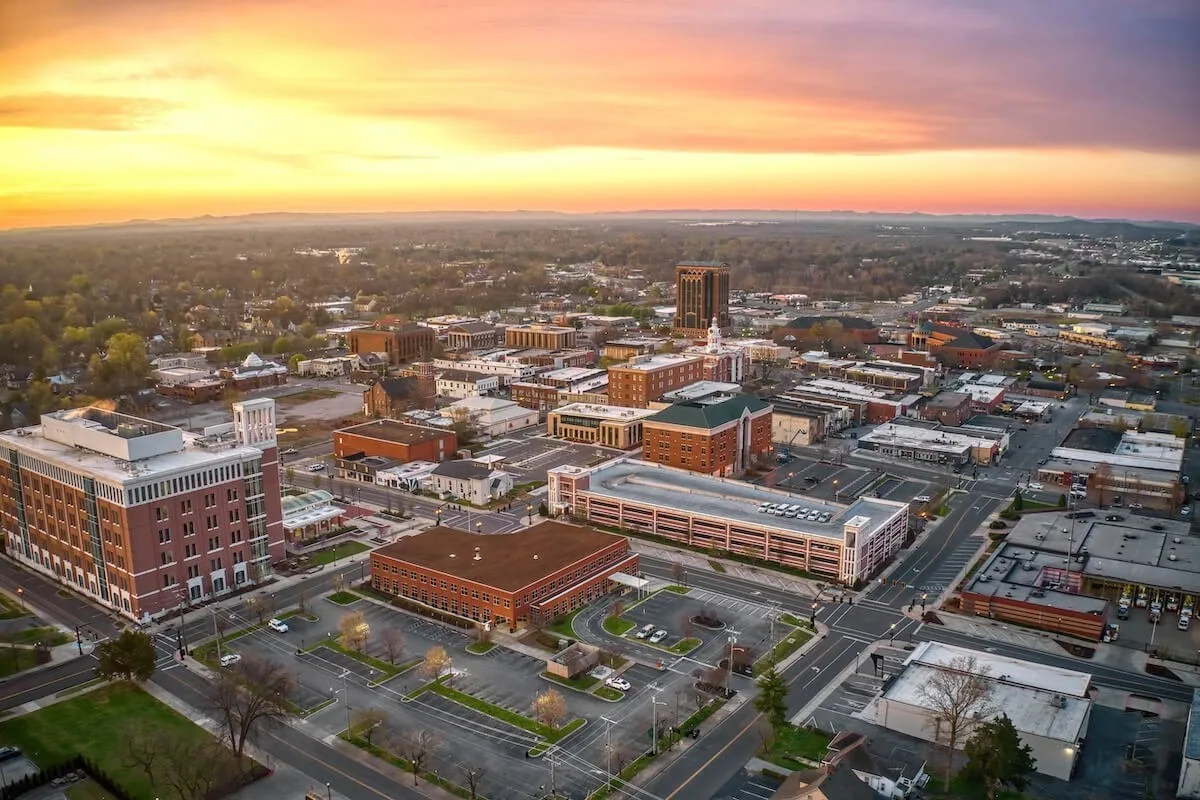
Service Areas in Murfreesboro
Choose a topic below for the full scope, how we plan the work and the questions owners ask first.
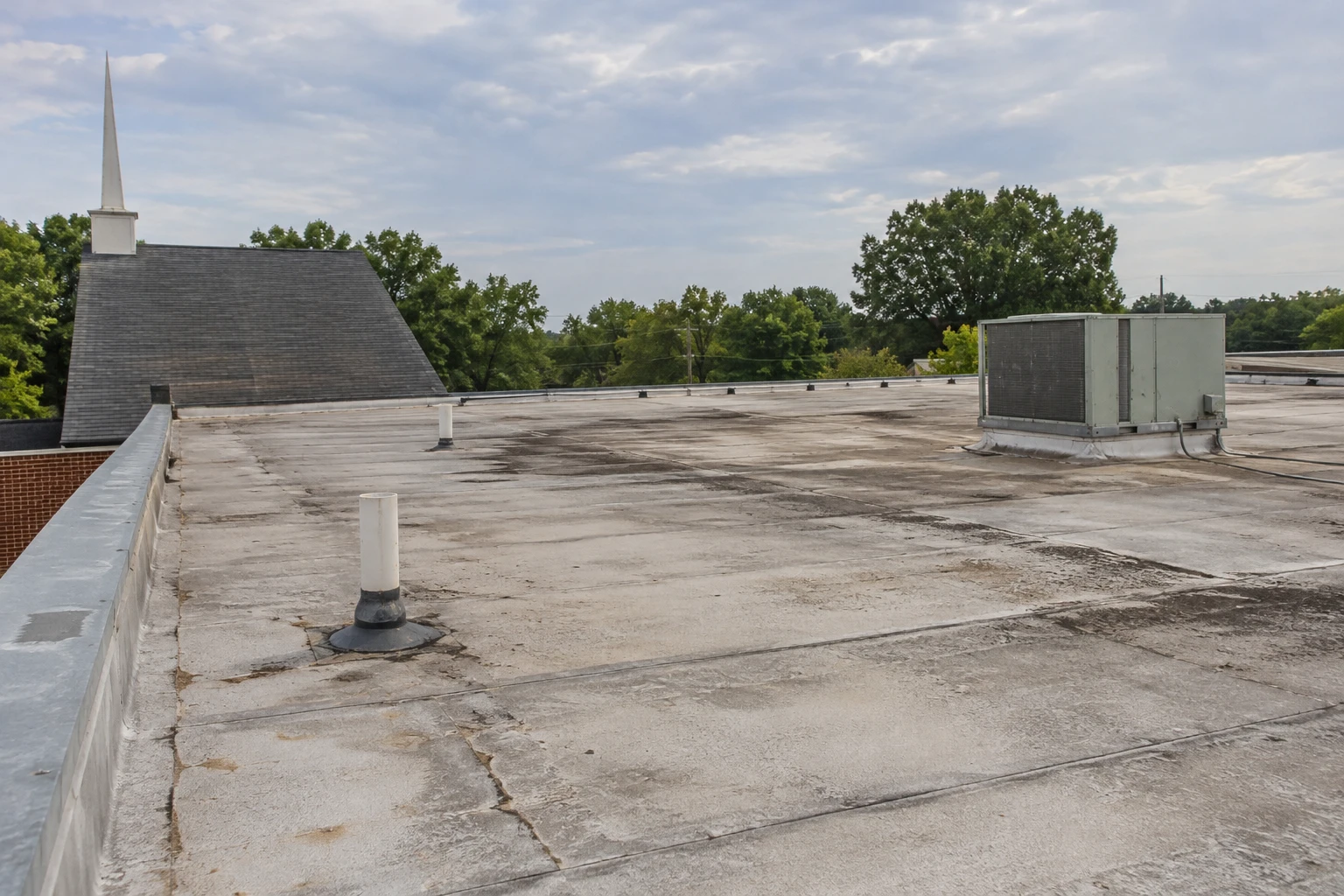
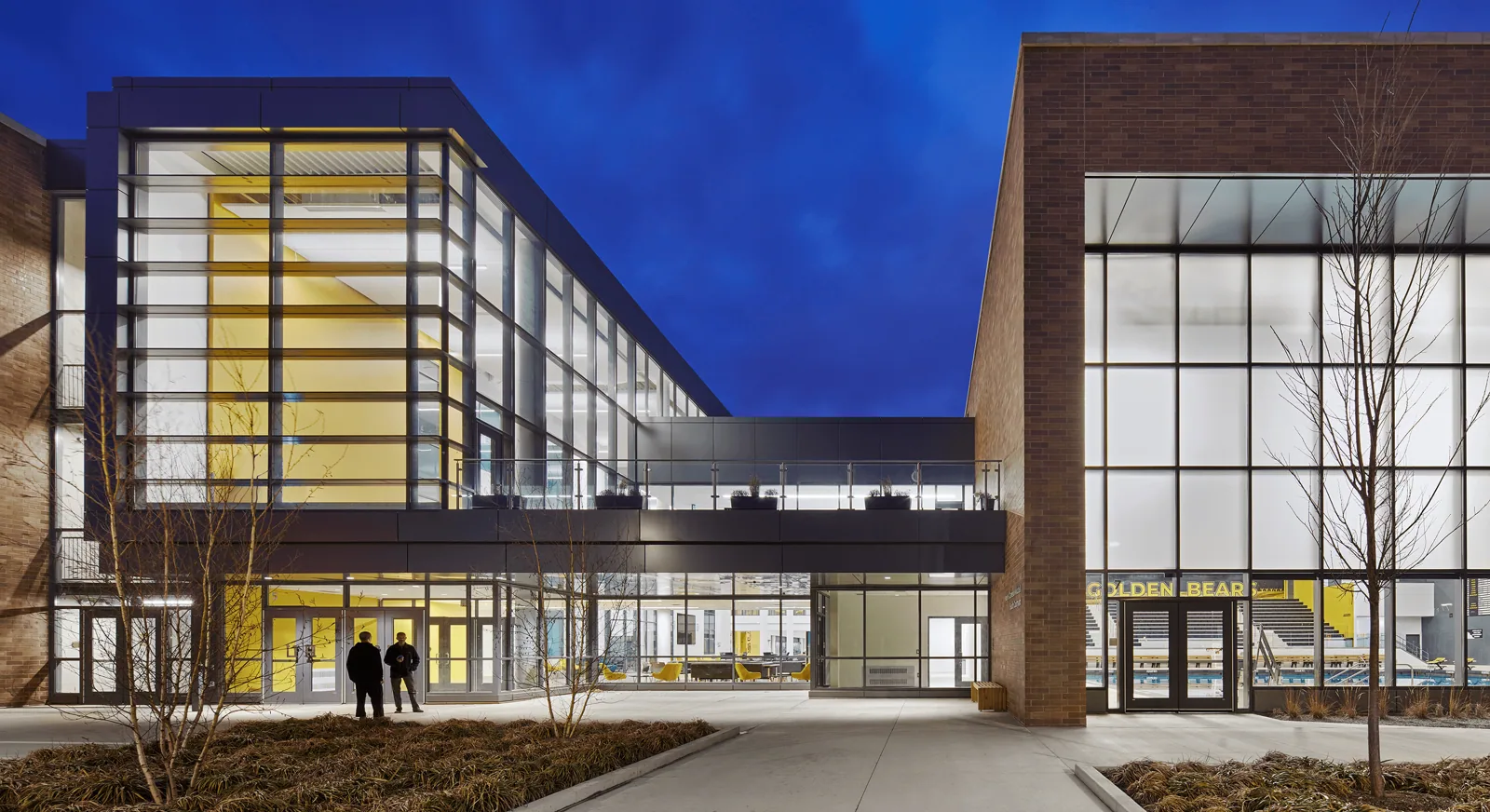
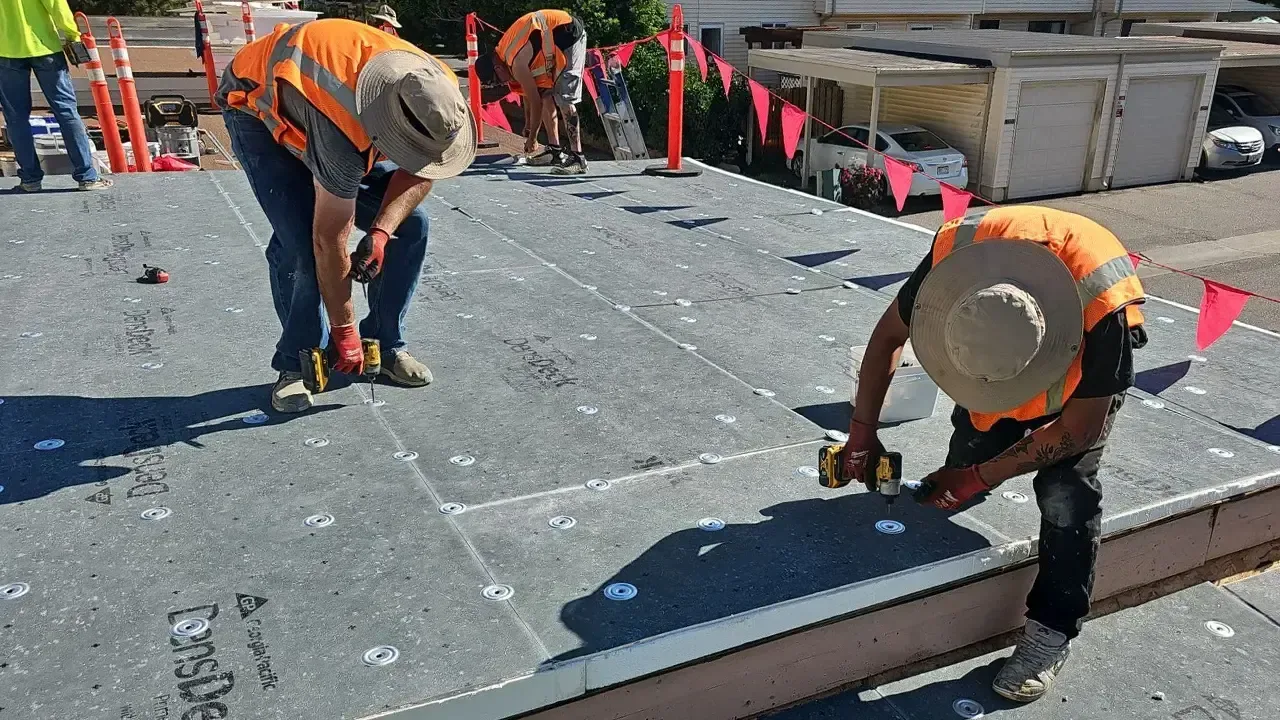
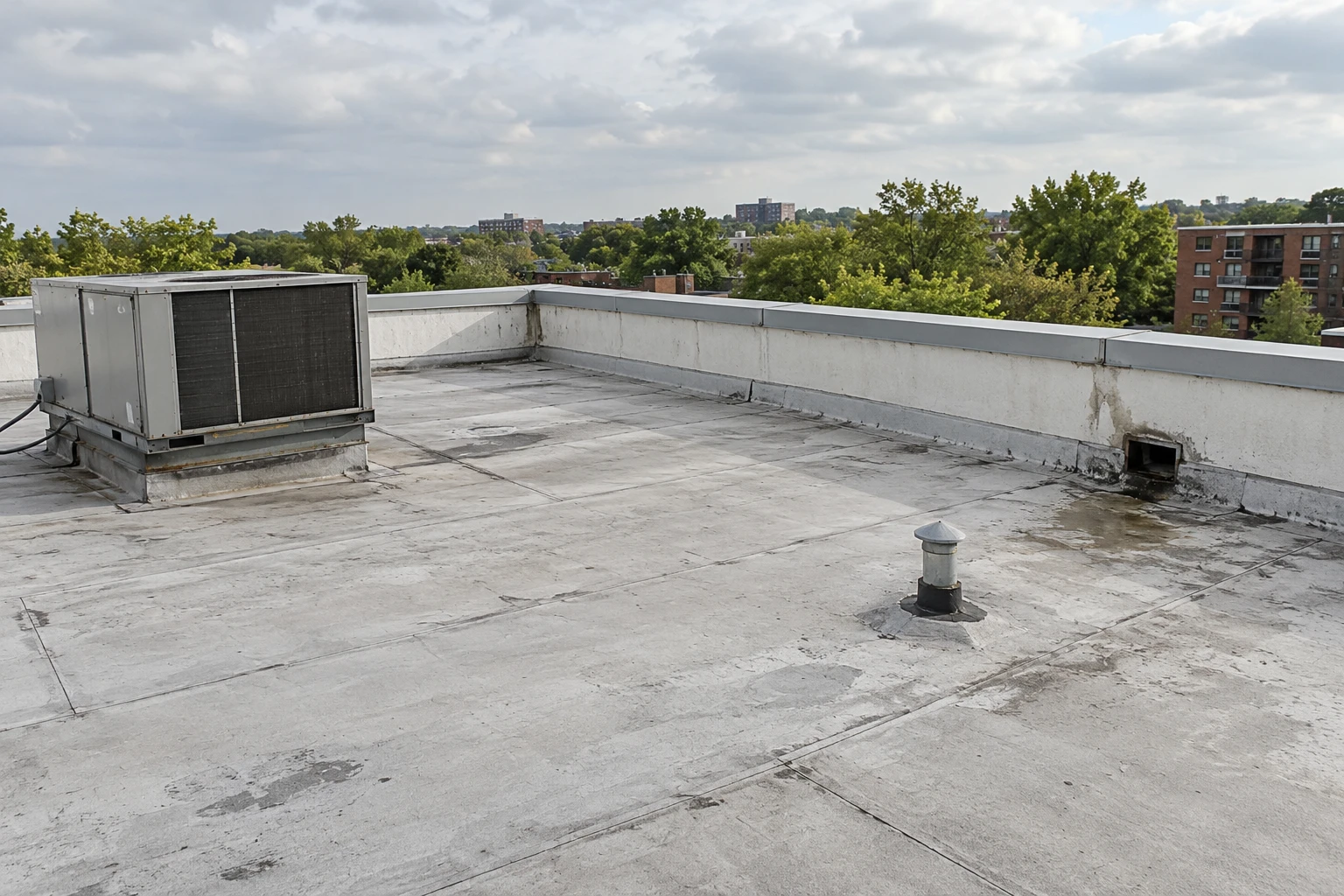
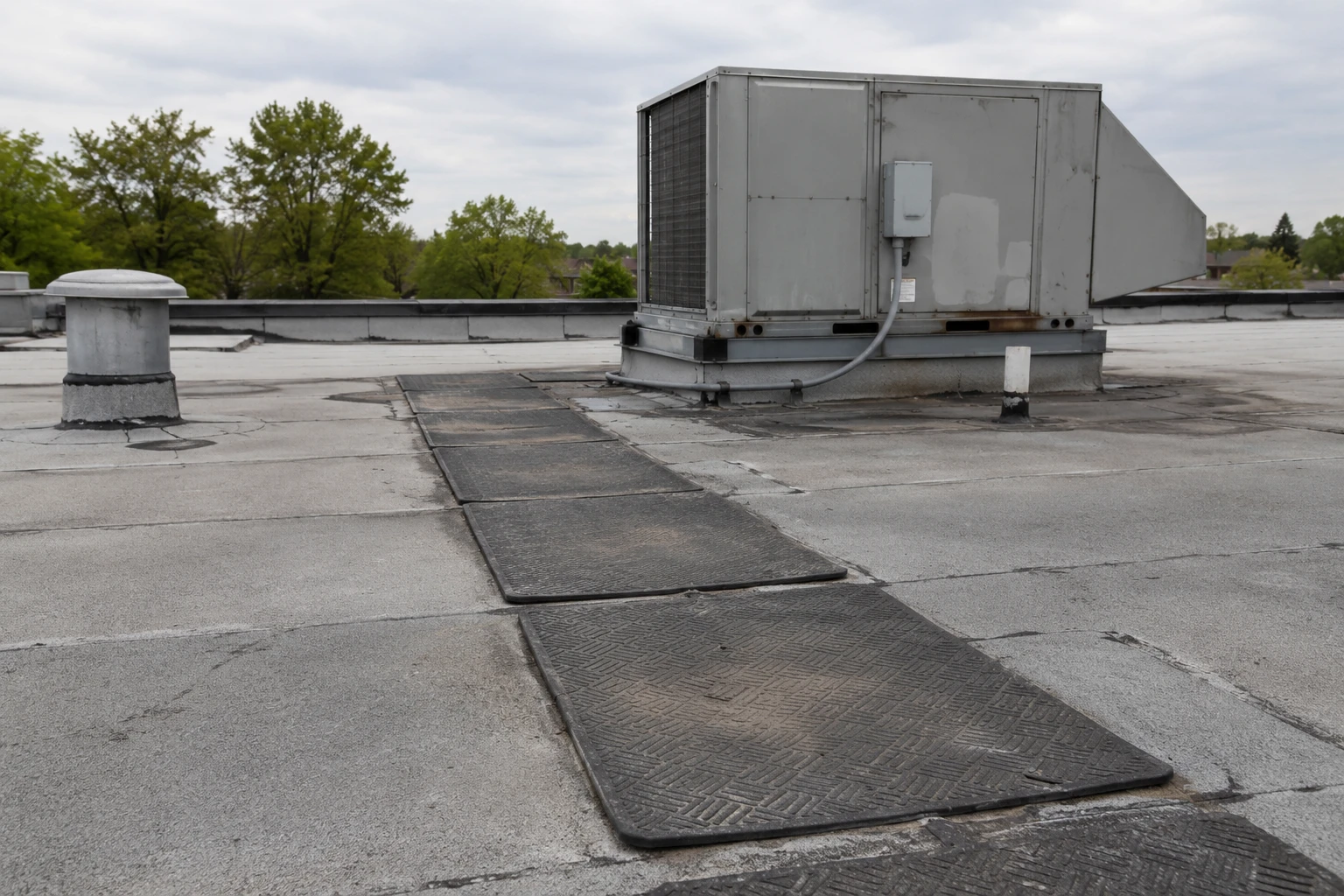
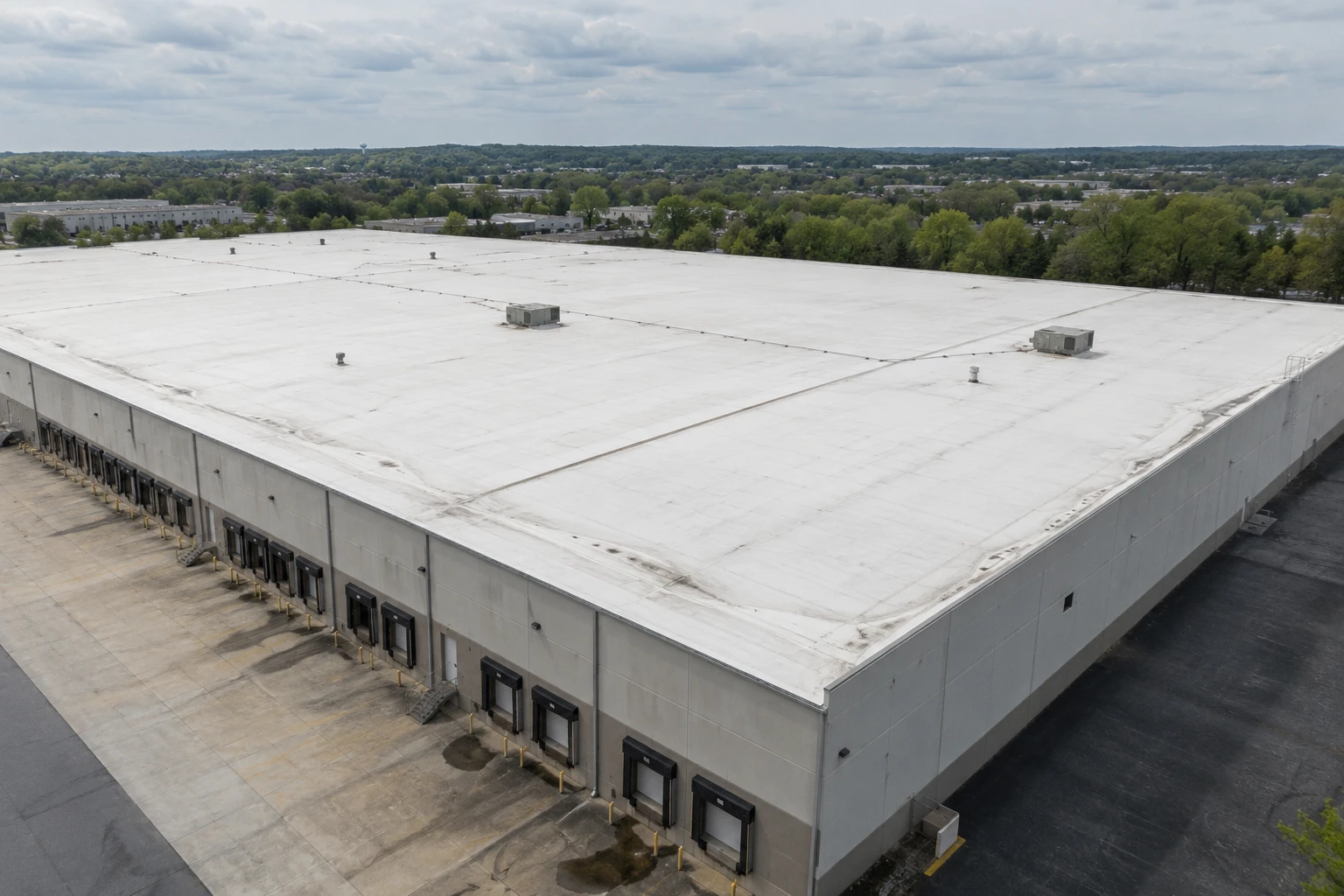
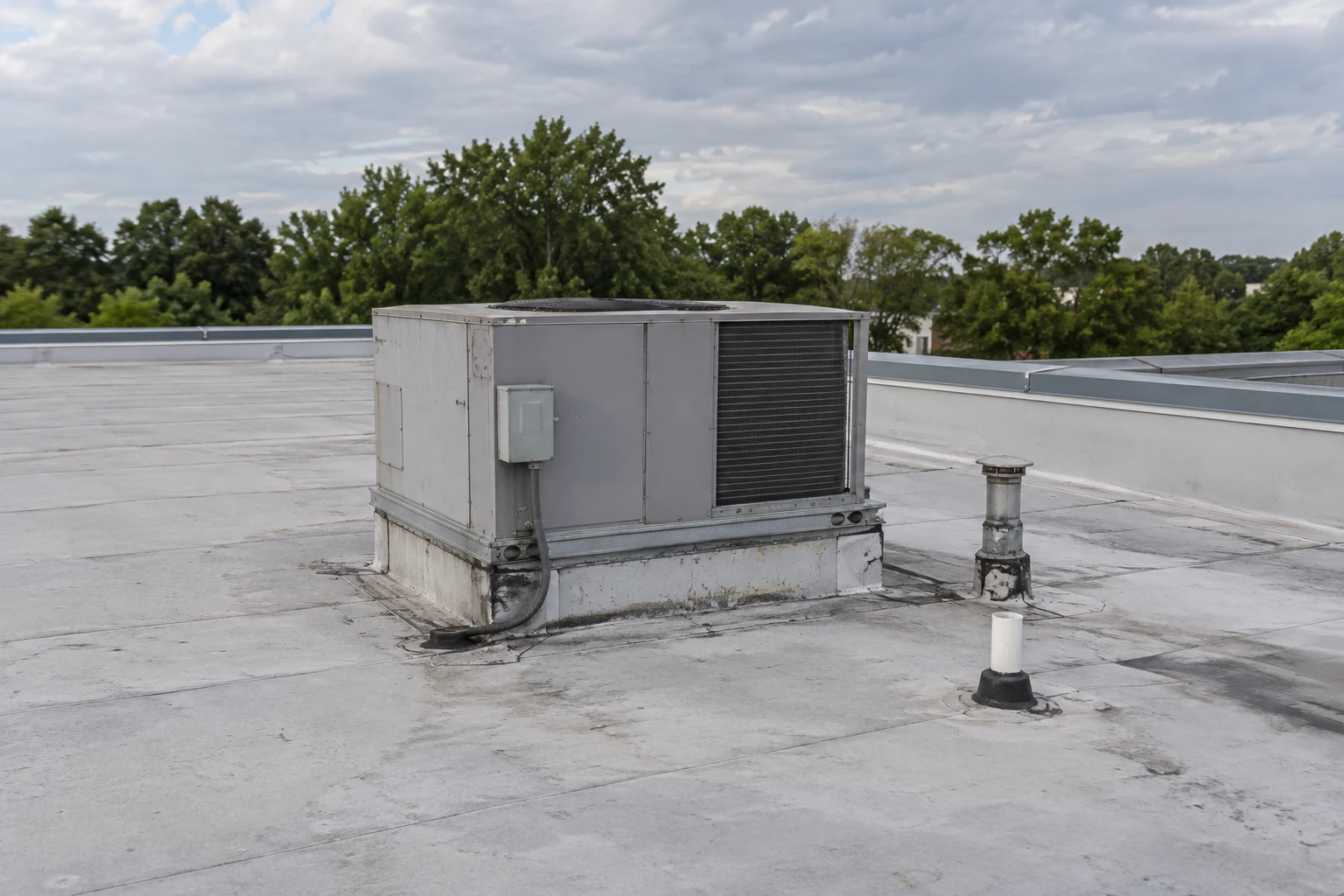
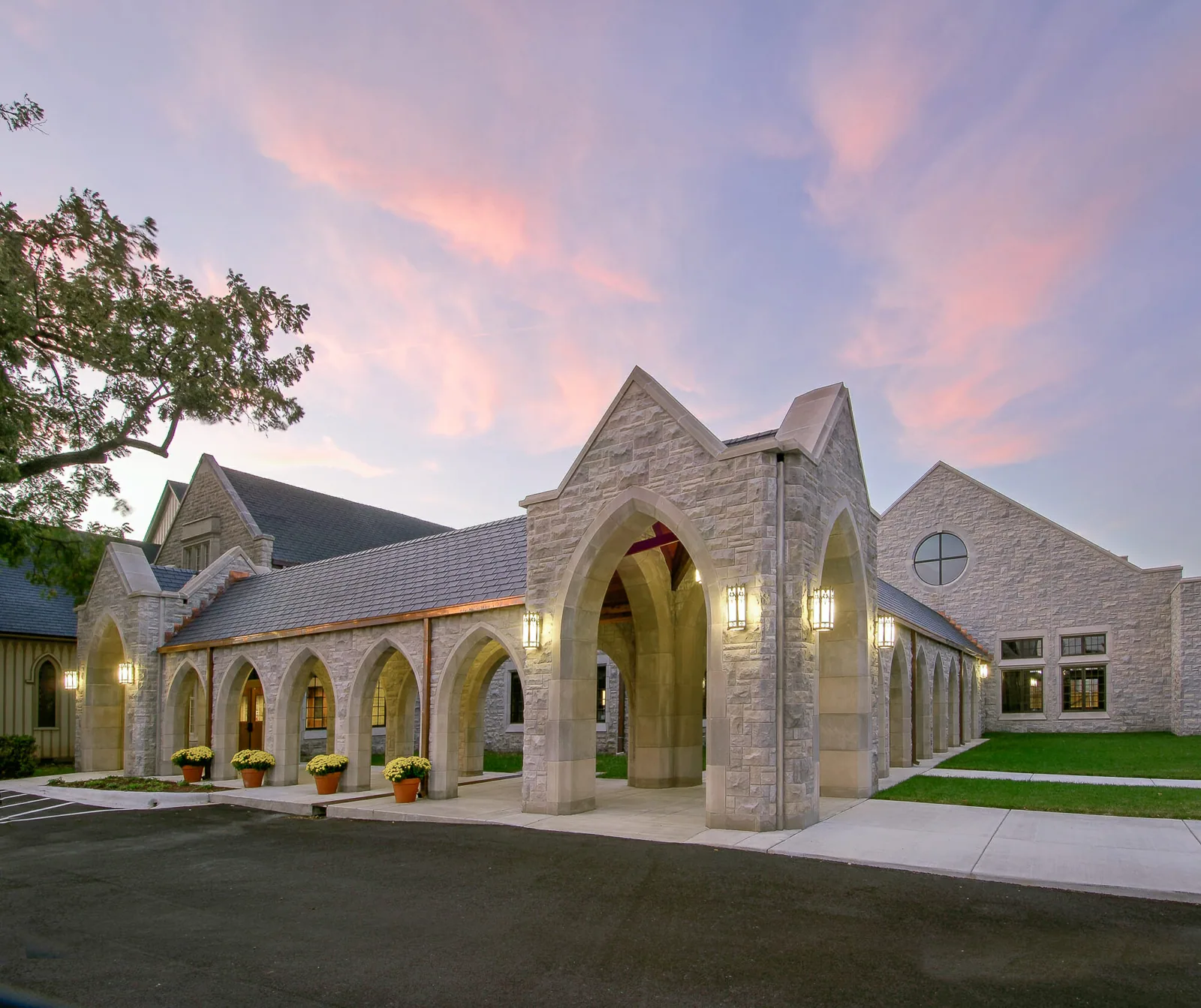
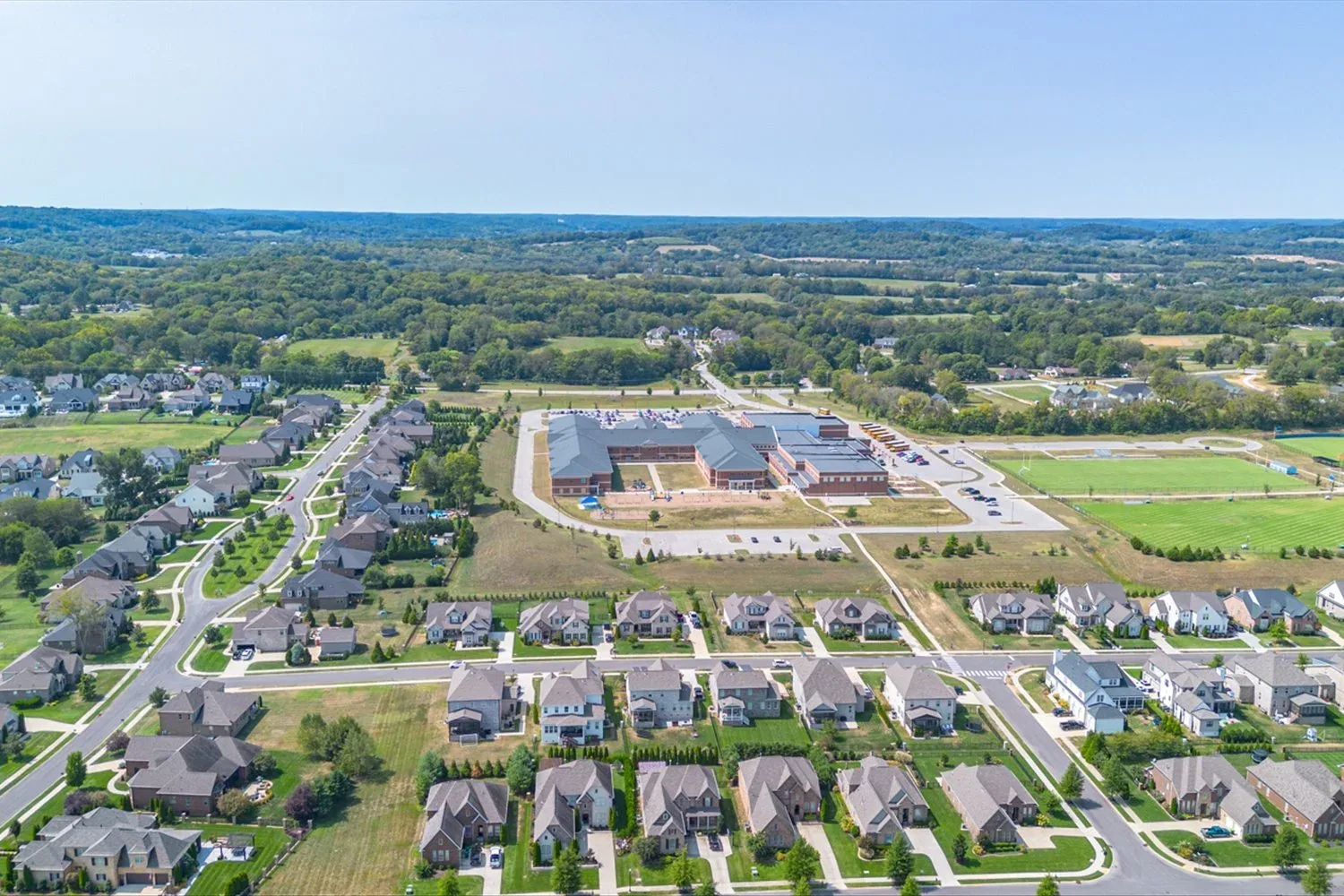
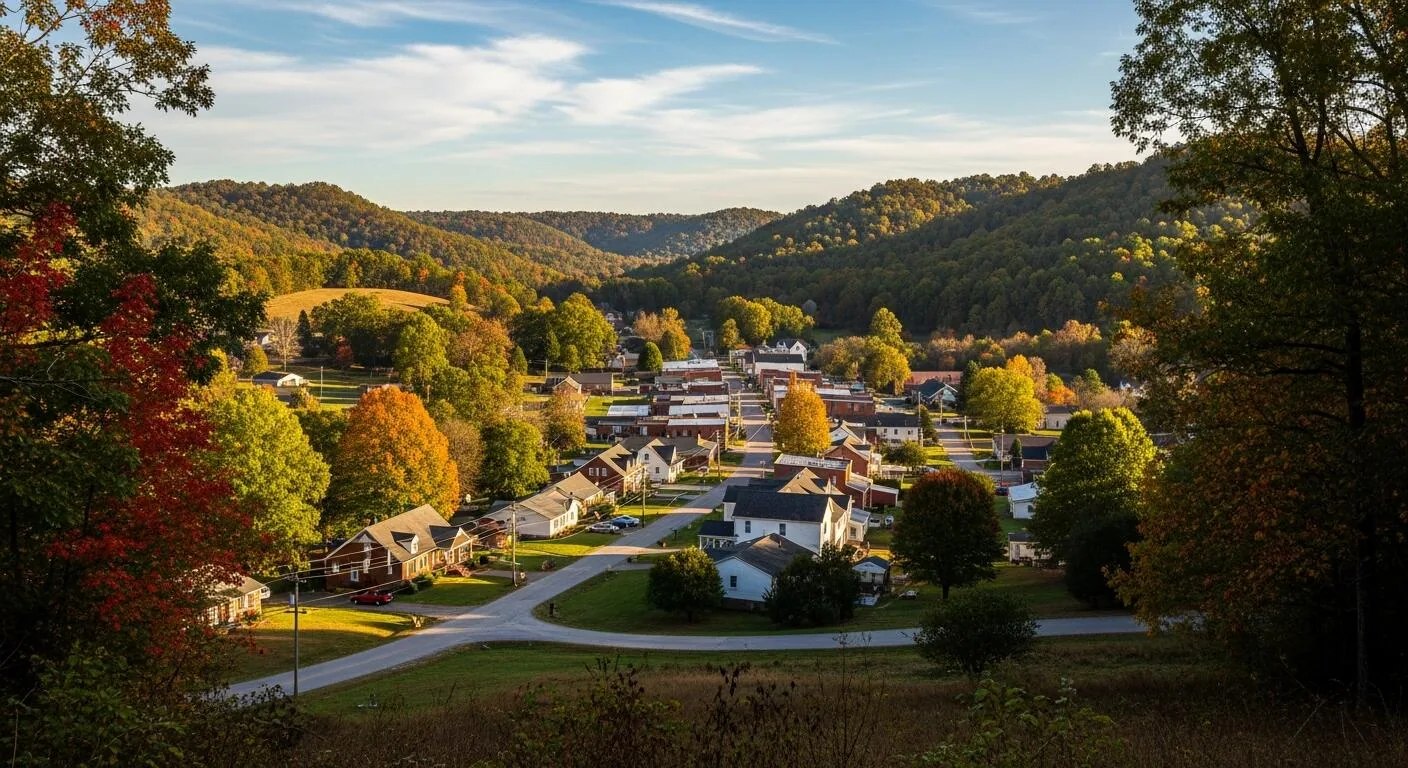
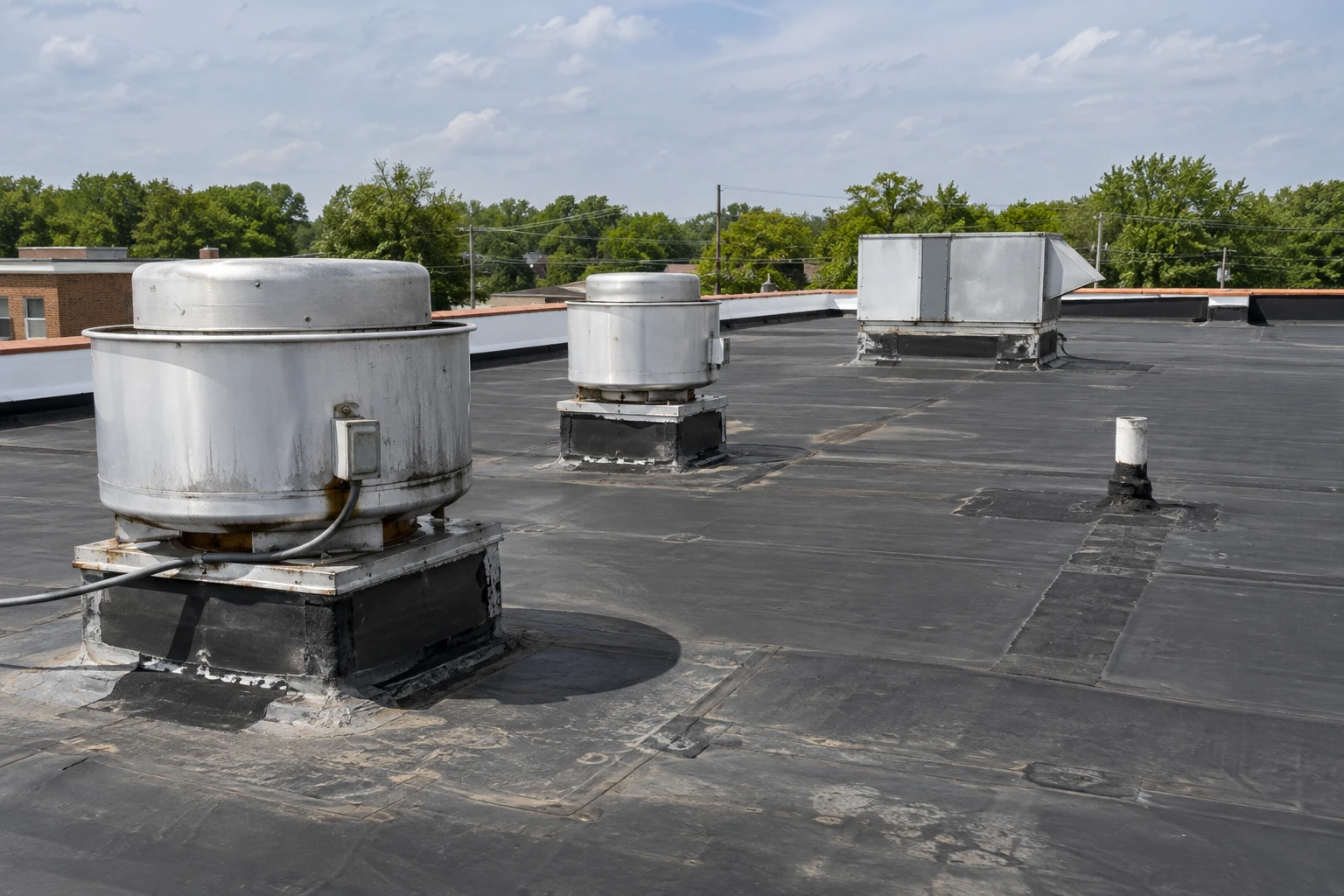

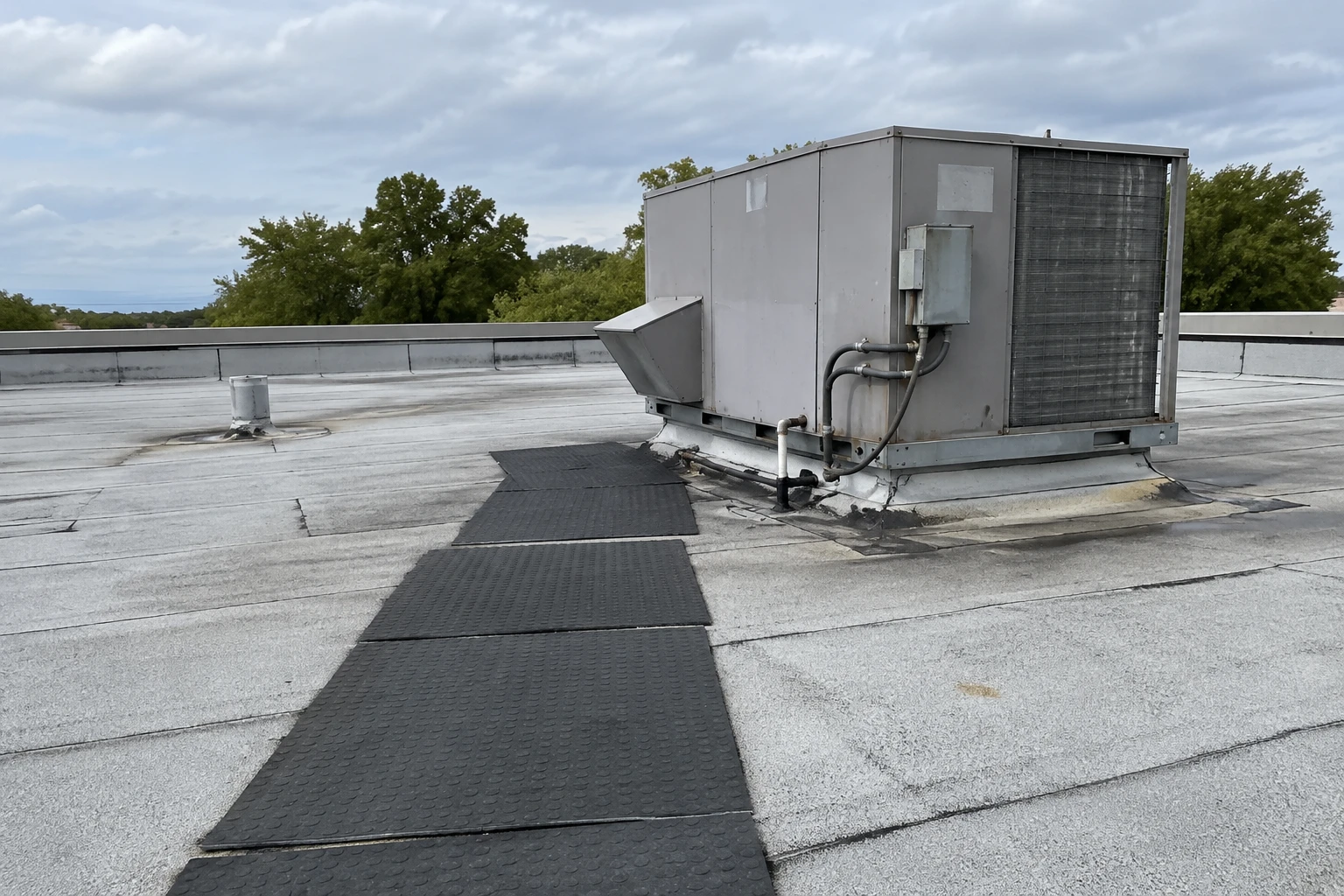
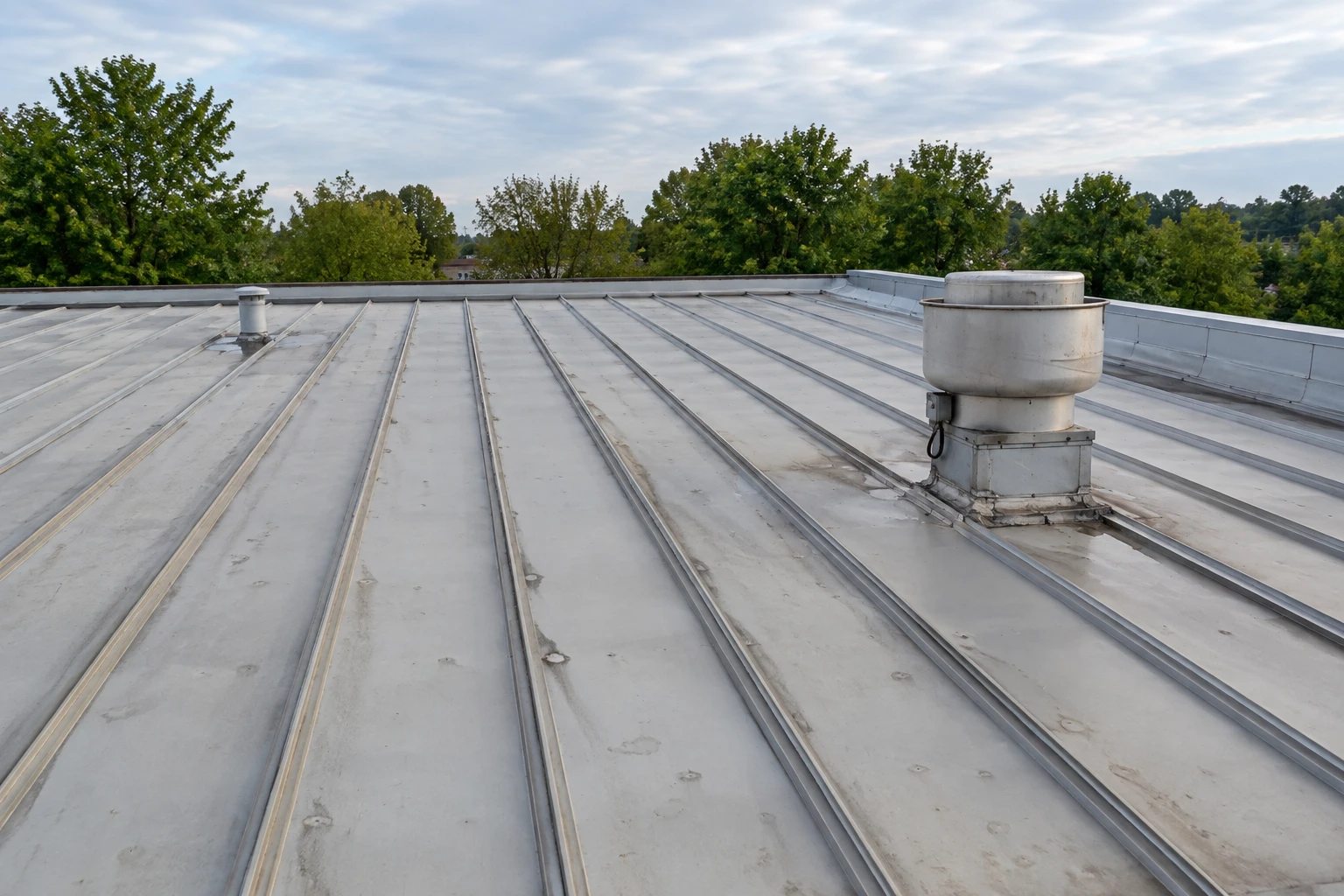
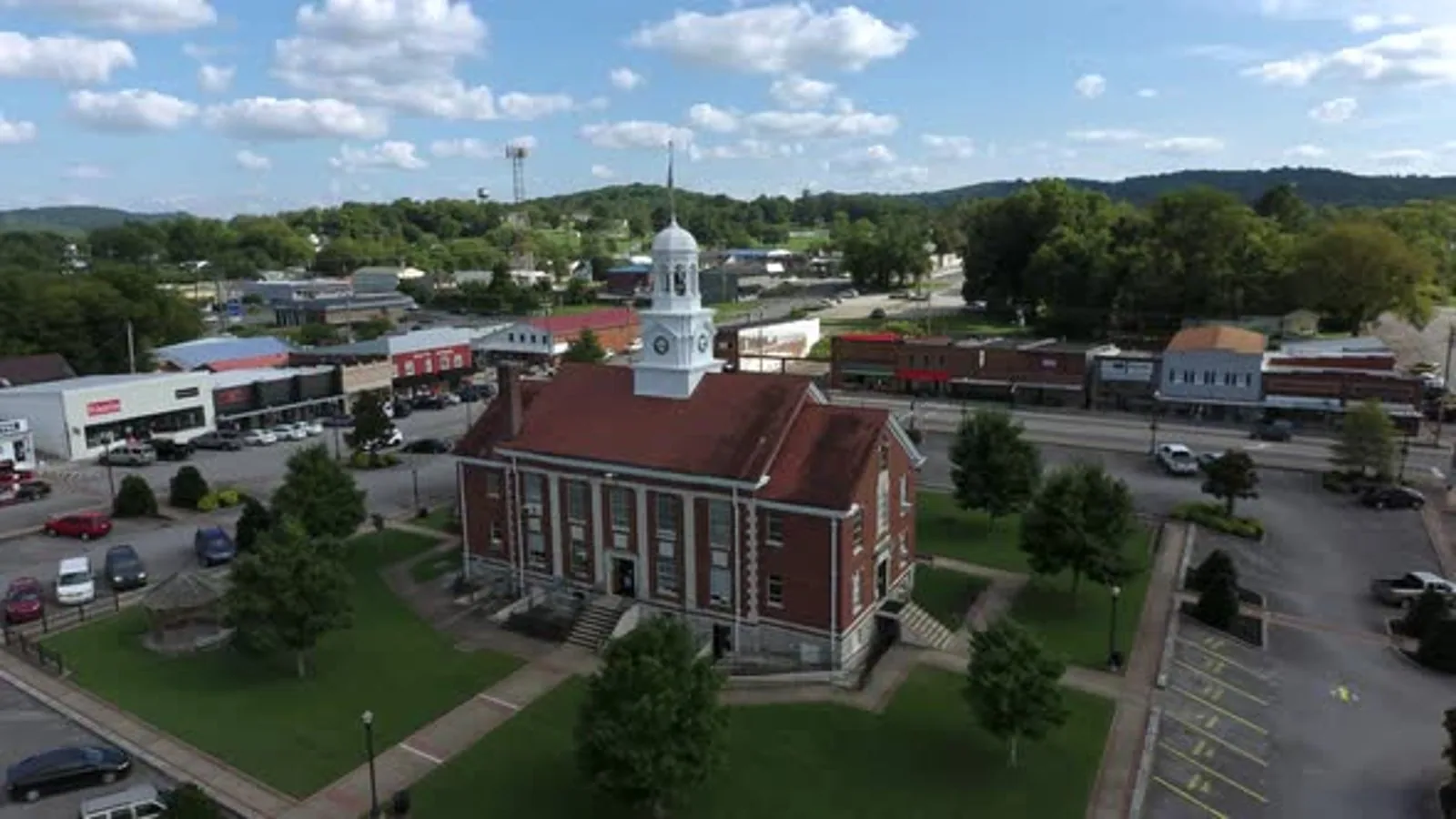
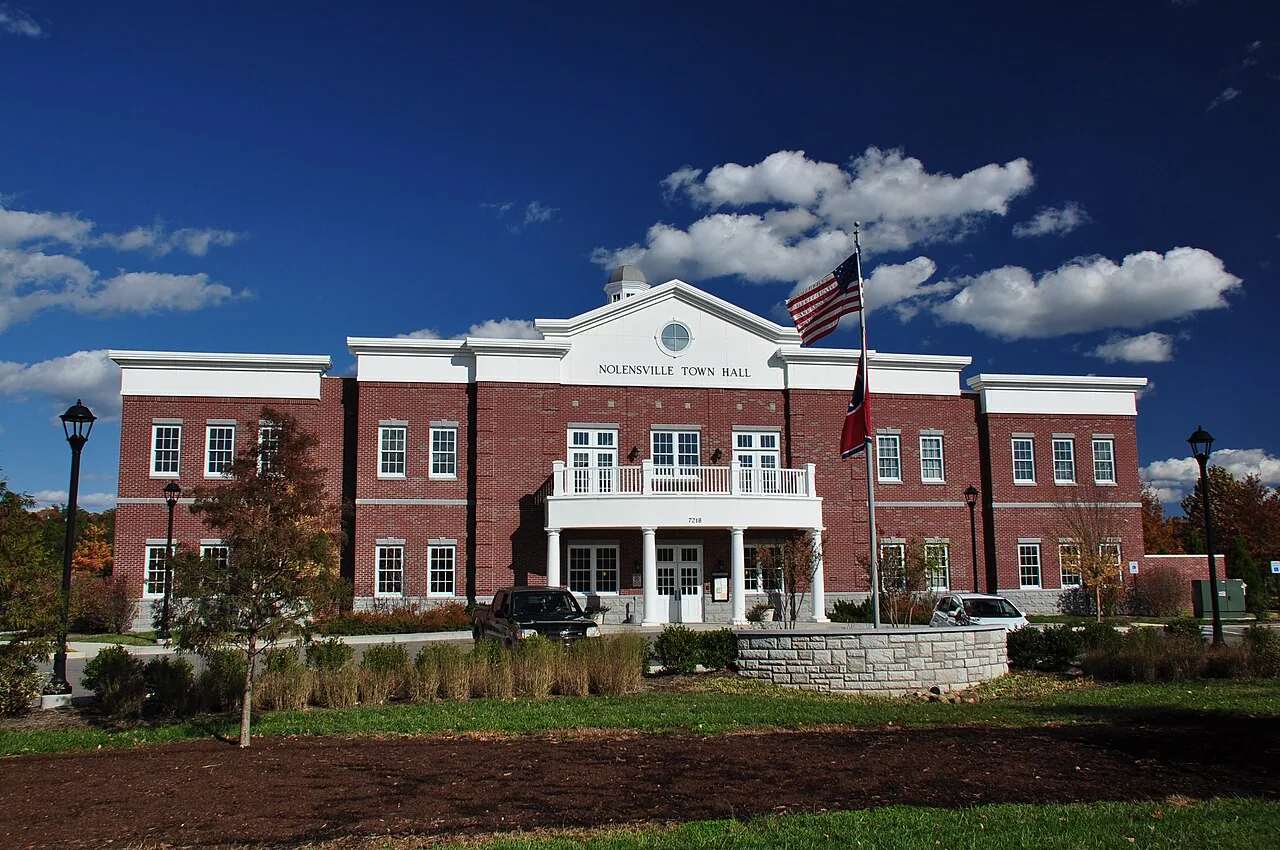
More About Service Areas
Plan by Corridor and Building Need
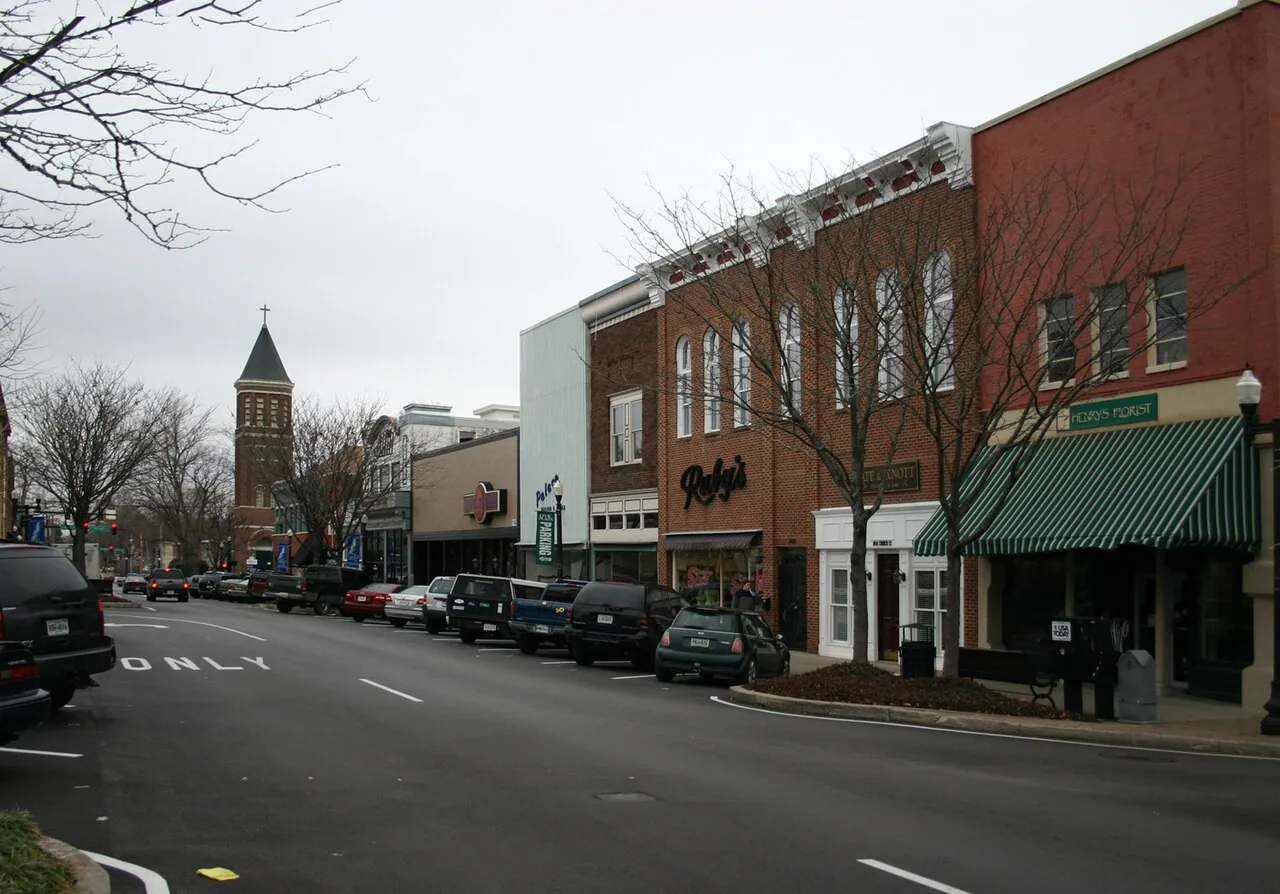
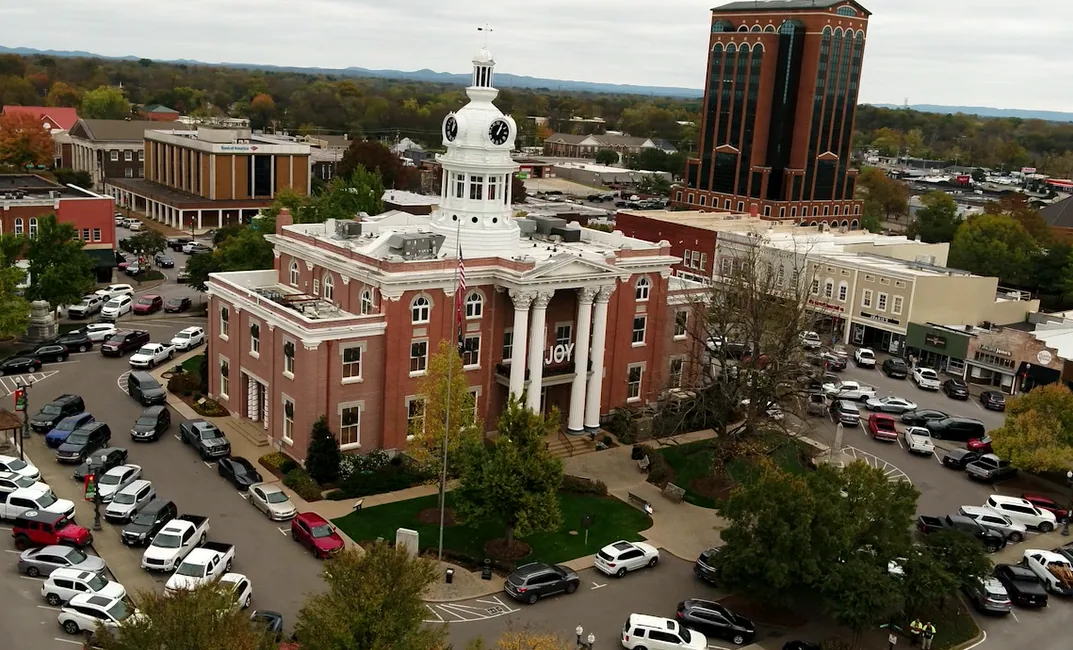
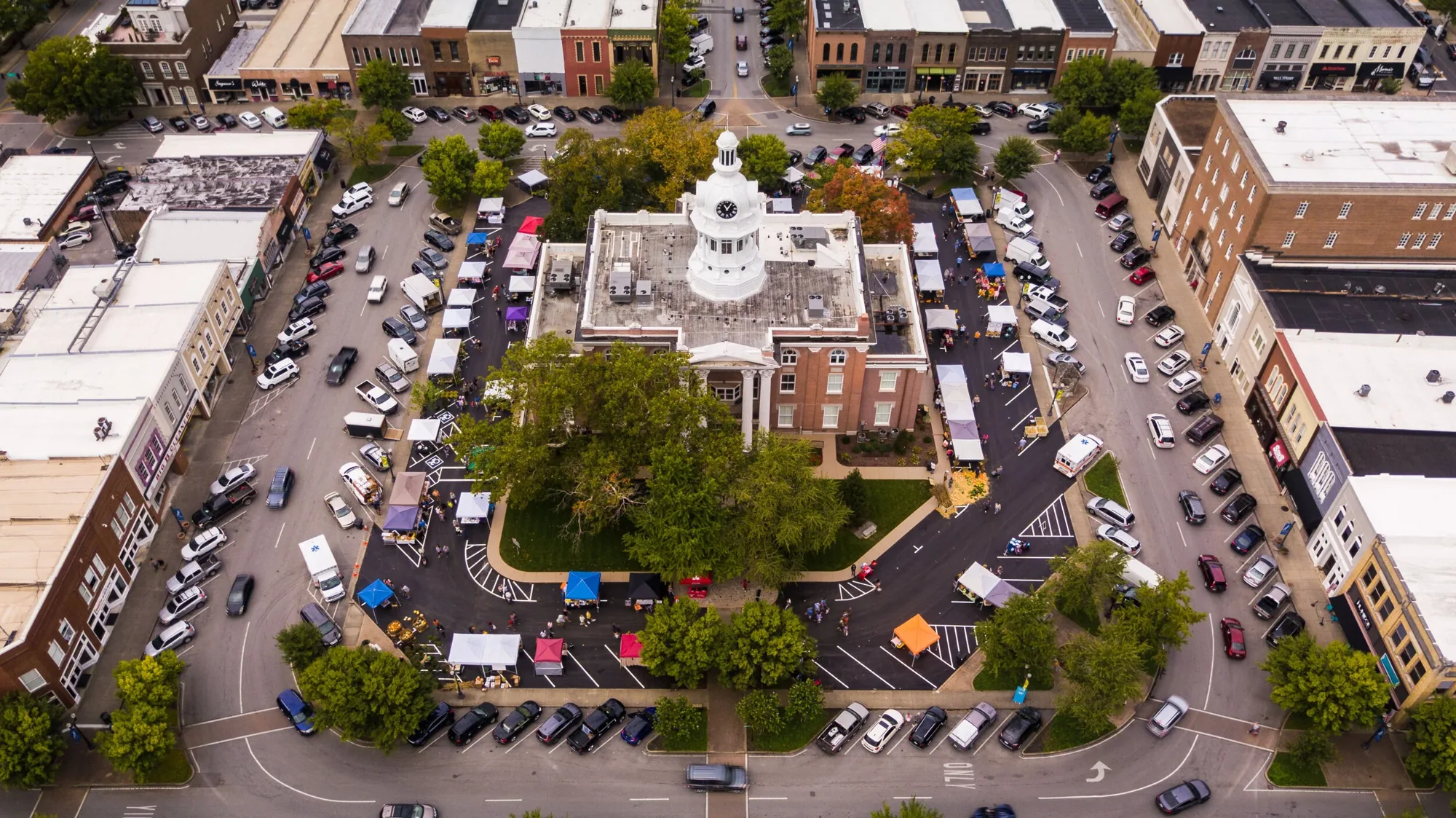
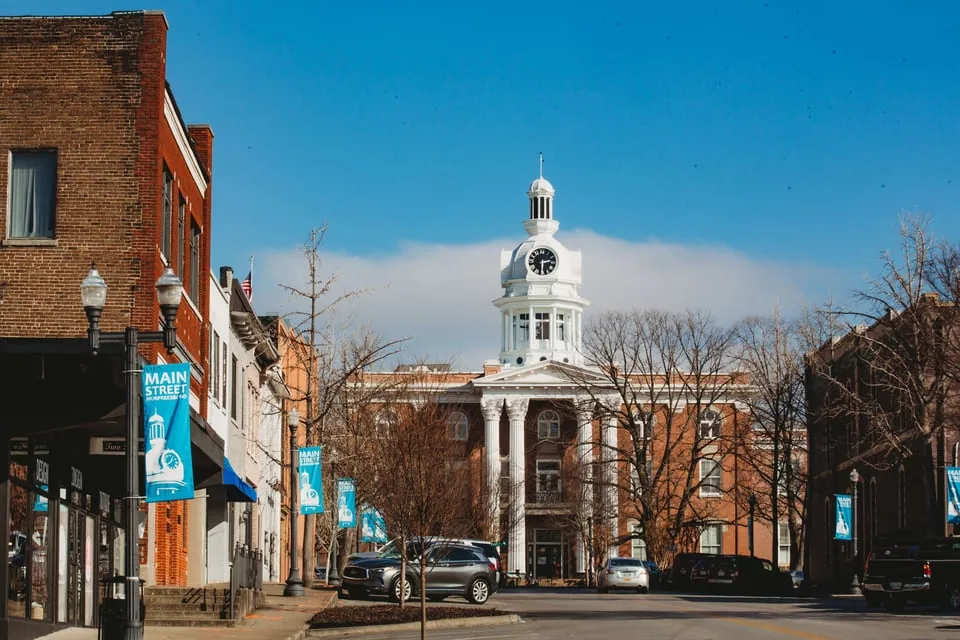
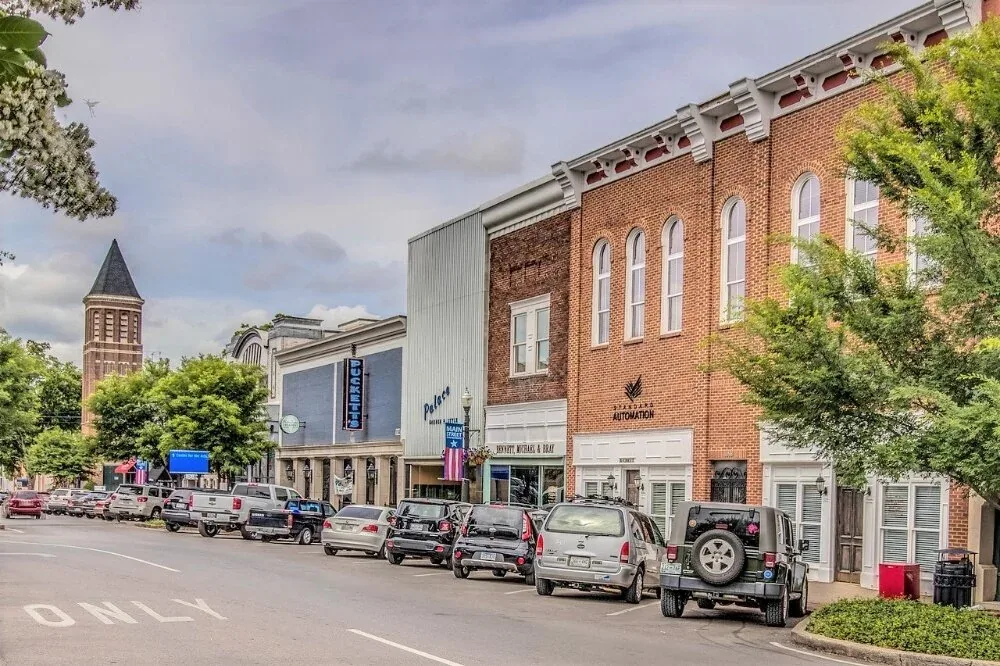
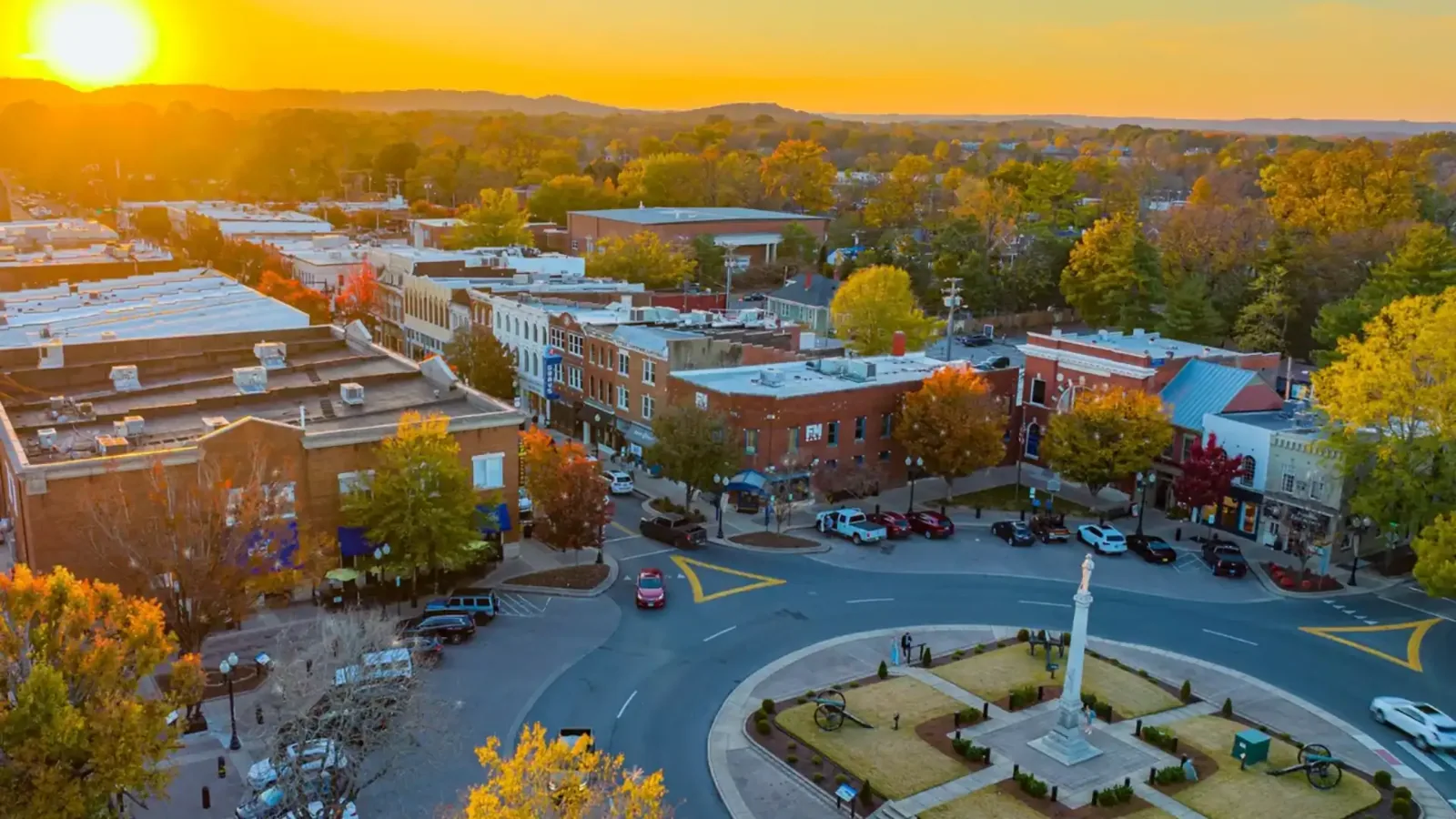
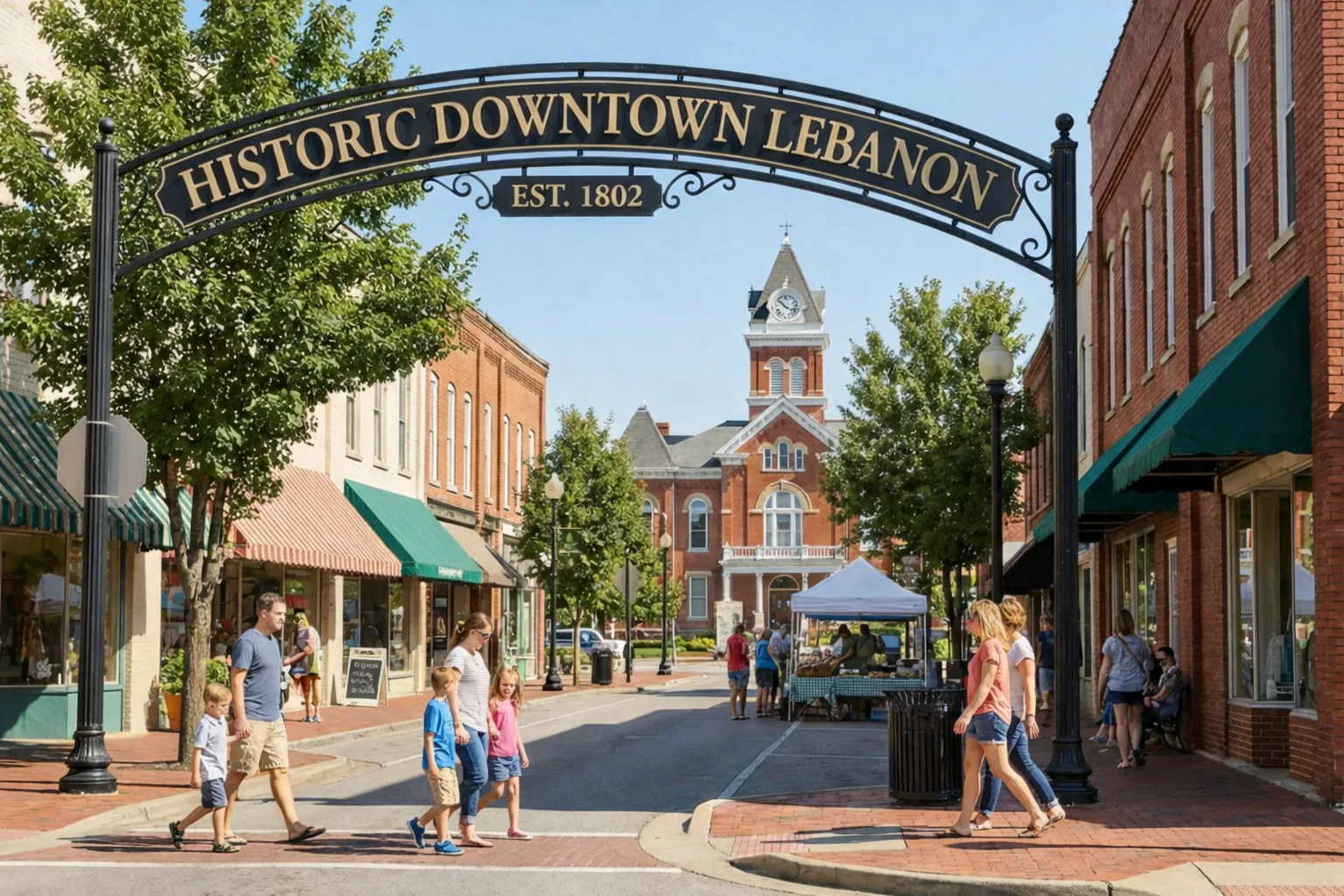
We coordinate commercial roof work in downtown Murfreesboro, the East Main Street Historic District, and areas served by Broad Street and Memorial Boulevard. Those names describe broad city areas and routes, not a promise of access to any specific property. Each facility must confirm its entrance, roof access, and operating limits.
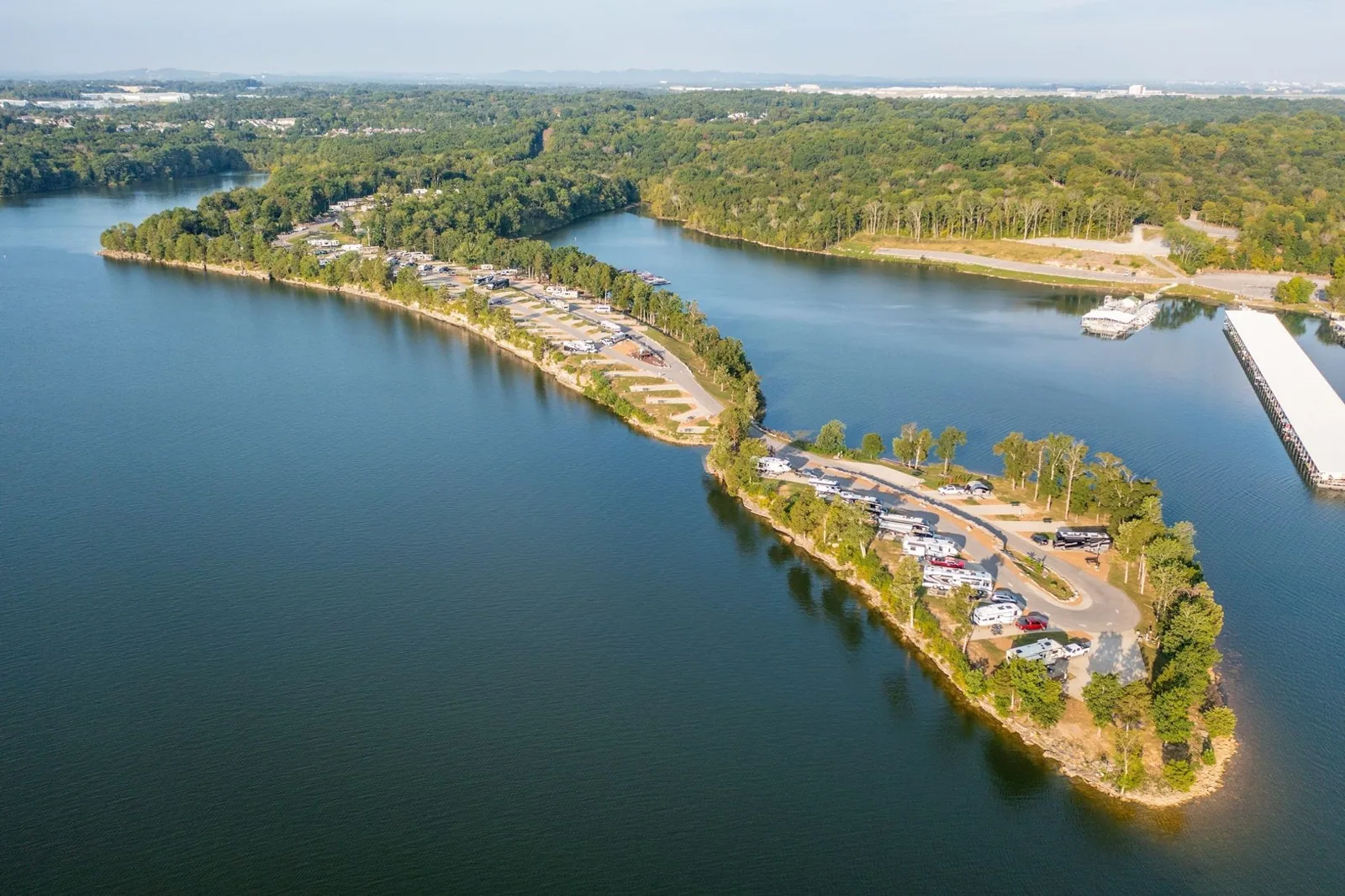
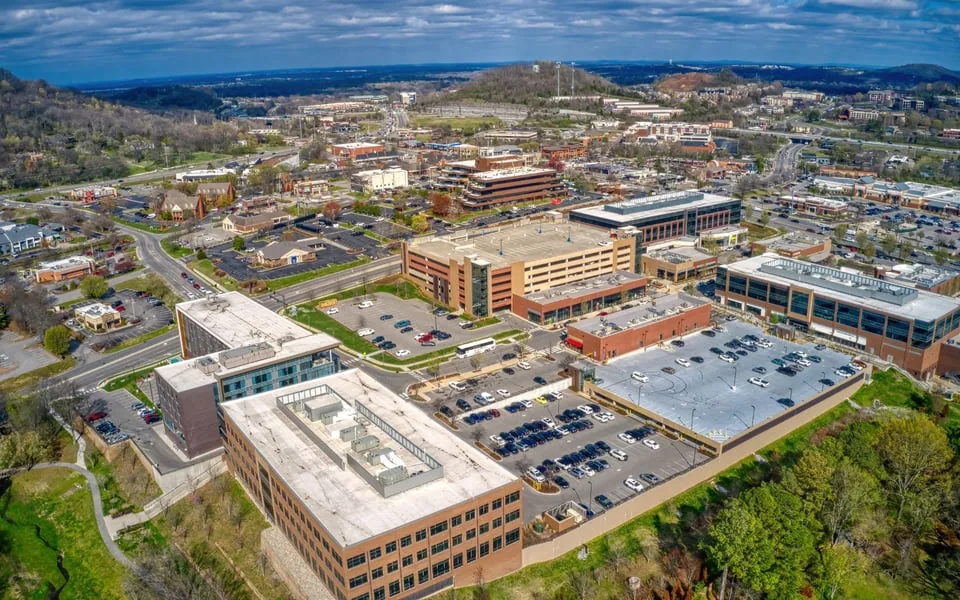
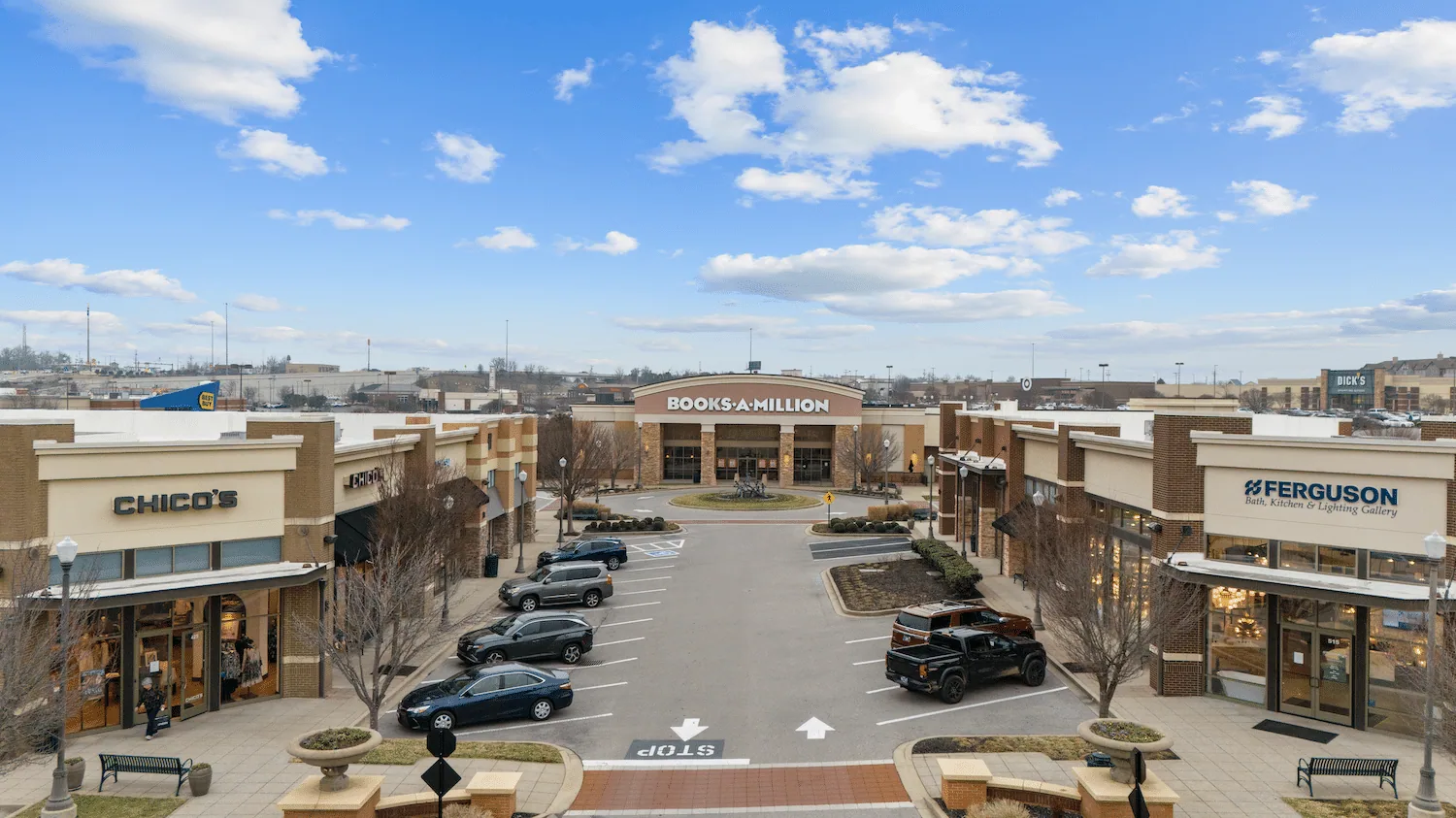
For other parts of the city, see Blackman, Old Fort Parkway, Thompson Lane, Cason Lane, Veterans Parkway, and Medical Center Parkway. Confirm site fit and timing before a crew is dispatched.
Confirm Access Before Setting the Walk
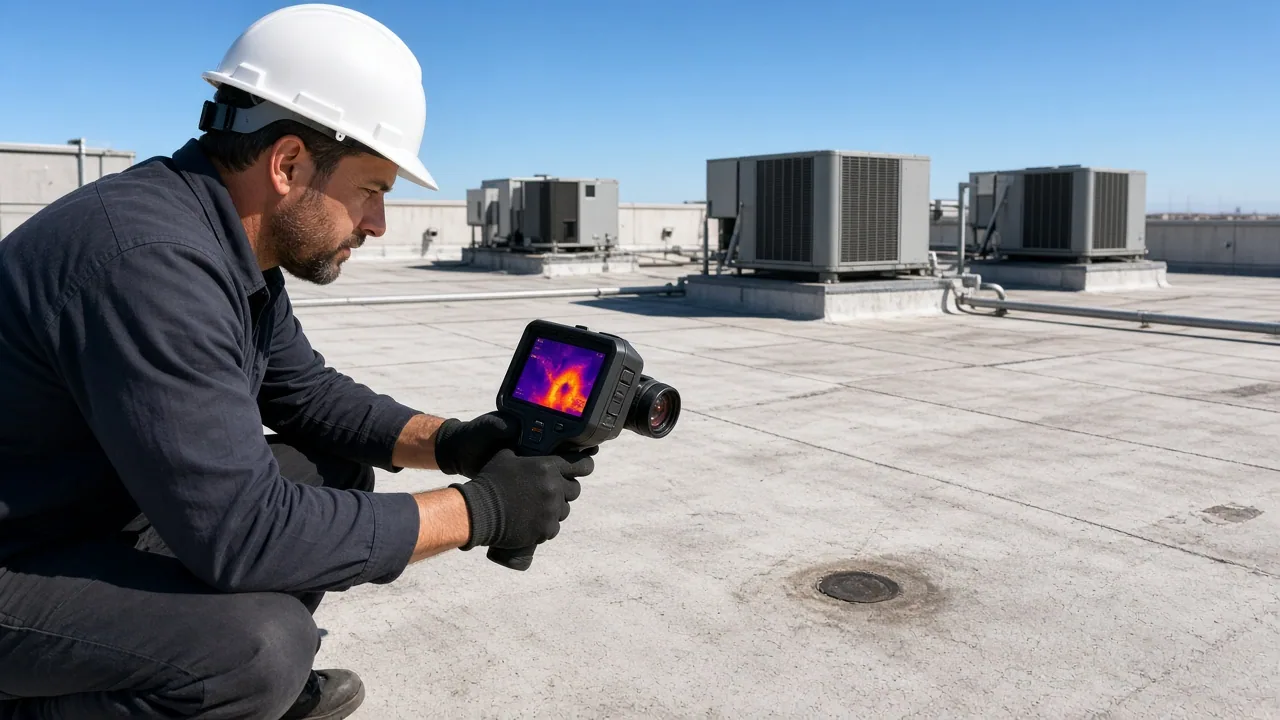
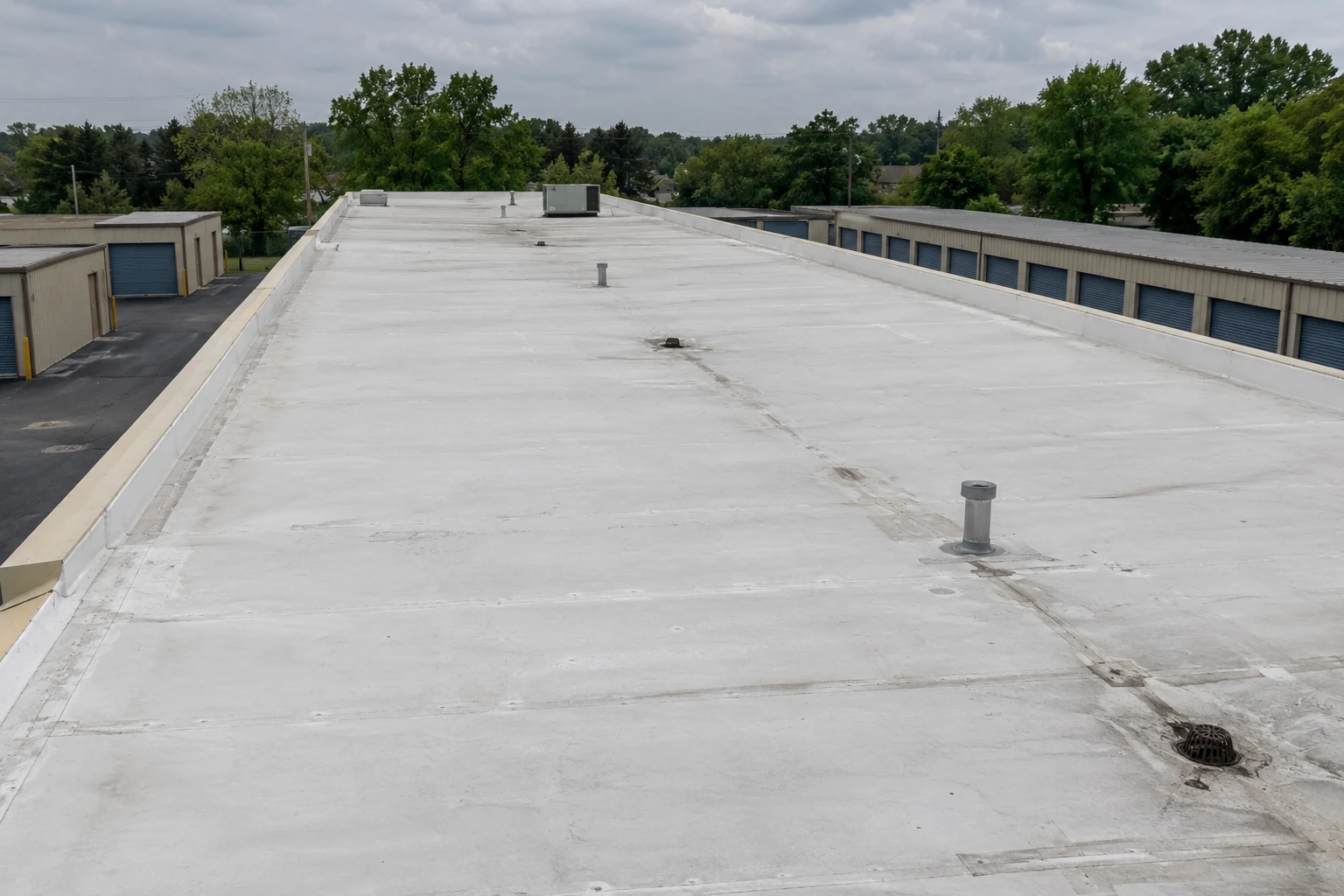
Send the building address, roof contact, roof plan if available, reported issue, and preferred work window. Tell us about delivery gates, escorts, lift staging, active docks, interior areas that need protection, and any restrictions on roof entry. A commercial roof inspection should begin at the right building and roof section, with the person who can release access available.
Allow for Route and Weather Conditions
TDOT describes its I-24 SMART Corridor as running between Nashville Exit 53 and Murfreesboro Exit 81, with US 41/70S and connecting routes in the corridor. That transportation context helps explain regional movement, but it does not establish travel time or property coverage. We confirm the route, delivery timing, and field conditions for the scheduled work.
For an active leak, share the interior impact and timing first. Dry-in and permanent repair may need separate visits depending on weather and what inspection shows. We document what is protected and what remains open.
Keep the Service Record Tied to the Site
Closeout records should identify the property, roof section, observed condition, work completed, and any follow-up item. This keeps corridor-level scheduling separate from the building-specific record. If the property is outside the listed areas, send its city and address so coverage and access can be reviewed before a date is offered.
Commercial Roofing Questions
Do listed service areas promise coverage at every address?
No. Area names provide geographic context. The property's location, access conditions, work type, and schedule must be confirmed.
What should I provide when requesting a site visit?
Share the address, building contact, roof access rules, reported condition, operating hours, and any roof plan or prior repair records.
Can a crew visit while the building is operating?
Scheduling can be coordinated with site operations, subject to safe access, weather, and the work required at the roof.
Can a listed corridor set my arrival time?
No. Traffic, route, weather, and site access affect arrival and work timing. Confirm a visit directly with the project contact.
What if my property is outside these areas?
Provide its city and address. Coverage can be reviewed before the visit is scheduled.
Confirm Your Site Location
Send the property address, roof concern, access contact, and preferred window. We can review the location and coordinate the next step.