Data Center Roofing in Murfreesboro, TN
Coordinate data center roof work in Murfreesboro around equipment, access control, and uptime. We inspect seams, curbs, drainage, and dry-in boundaries.
Data Center Roofing
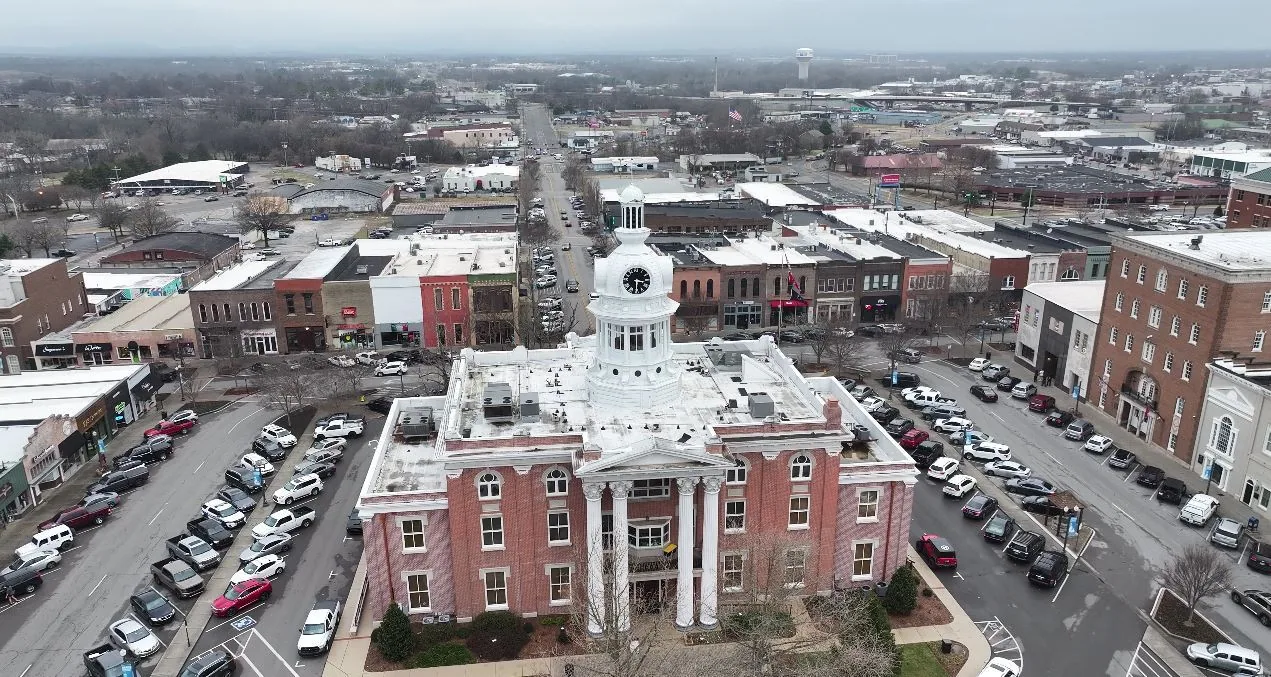
A data center roof has to protect equipment while service teams keep their access. For a Murfreesboro, TN facility, we begin with the roof plan, critical rooms below, curb locations, and the route staff use to reach equipment. A leak near a cooling unit may enter at a flashing transition, then travel before it appears inside. We check the assembly and drainage path, identify what can be isolated, and set a work boundary that does not leave an opening above an operating area.
Murfreesboro's office and business-park areas are planned for technology, laboratory, medical, and office uses, often in clustered developments with open space. A building's function still needs to be confirmed before setting a roof scope. We verify its use, roof system, security rules, and shutdown limits with the facility contact before staging materials or testing an assembly.
Map Each Unit to Its Roof Opening
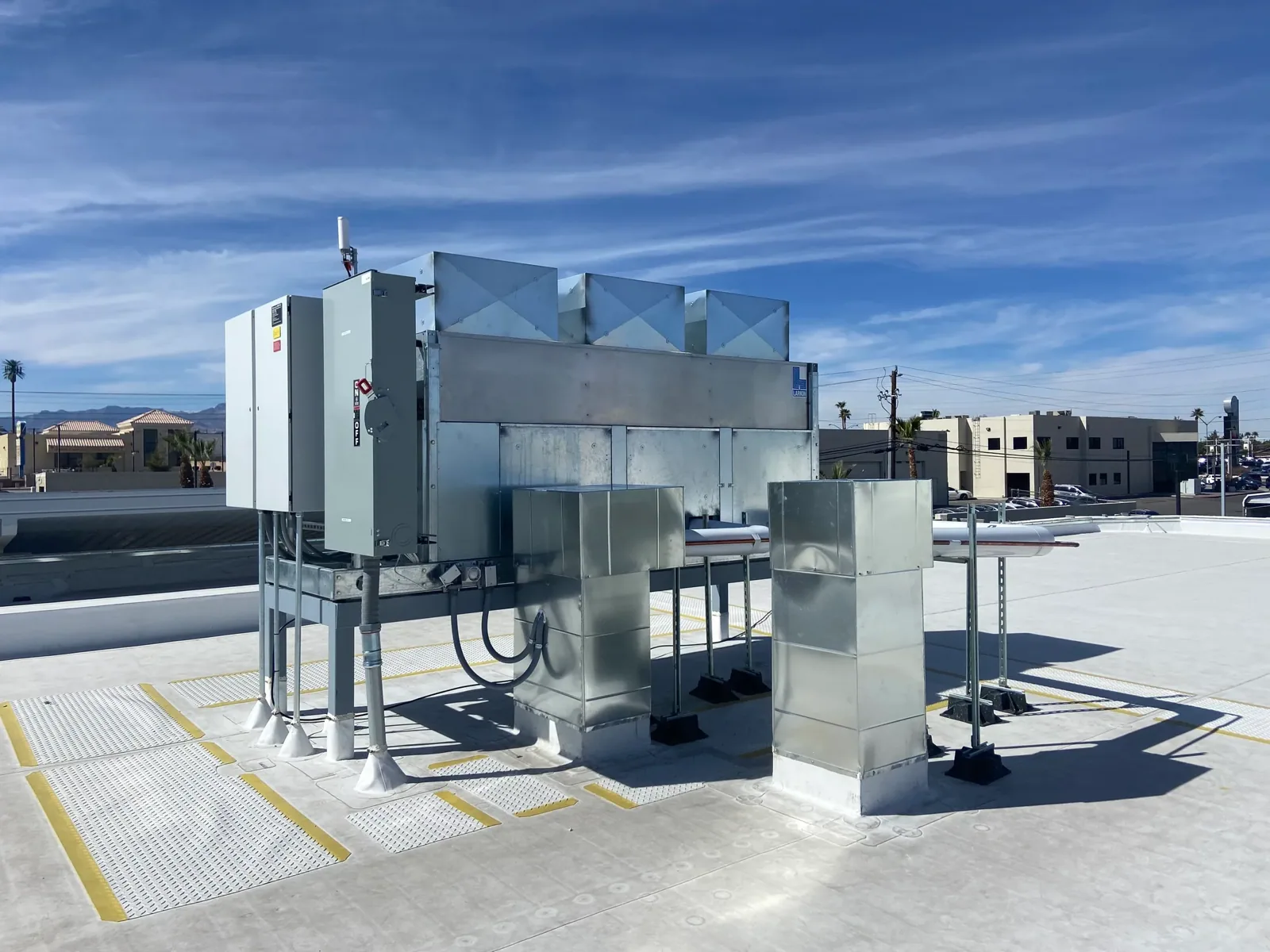
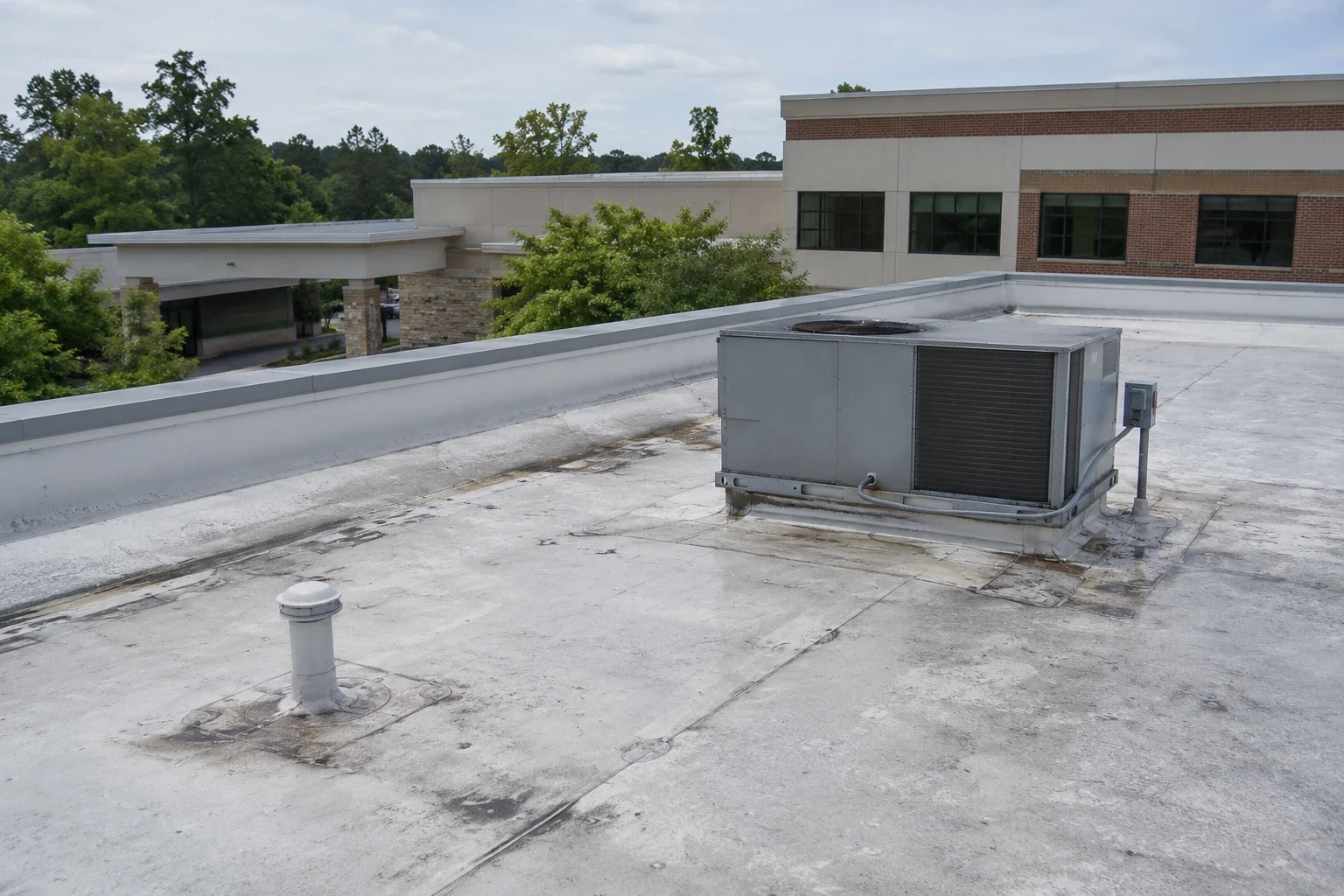
Cooling equipment concentrates penetrations, support frames, condensate lines, and service traffic in specific roof areas. We inspect the curb corners, flashing, fasteners, and membrane surrounding each unit. A sealant bead can hide movement rather than stop it, so we look for a split, gap, or wet insulation and record the boundary. If a technician must lift or isolate a unit, the roofing and mechanical scopes need a shared time window and a clear return-to-service check.
Veterans Parkway has a clustered business-park pattern for office, technology, and laboratory uses. The property's actual equipment map and roof walk set the exposure we inspect. Equipment curb and support work can define the flashing task; a commercial office roof review addresses tenant and rooftop-access constraints without assuming the assembly.
Trace Water Before It Reaches a Critical Room
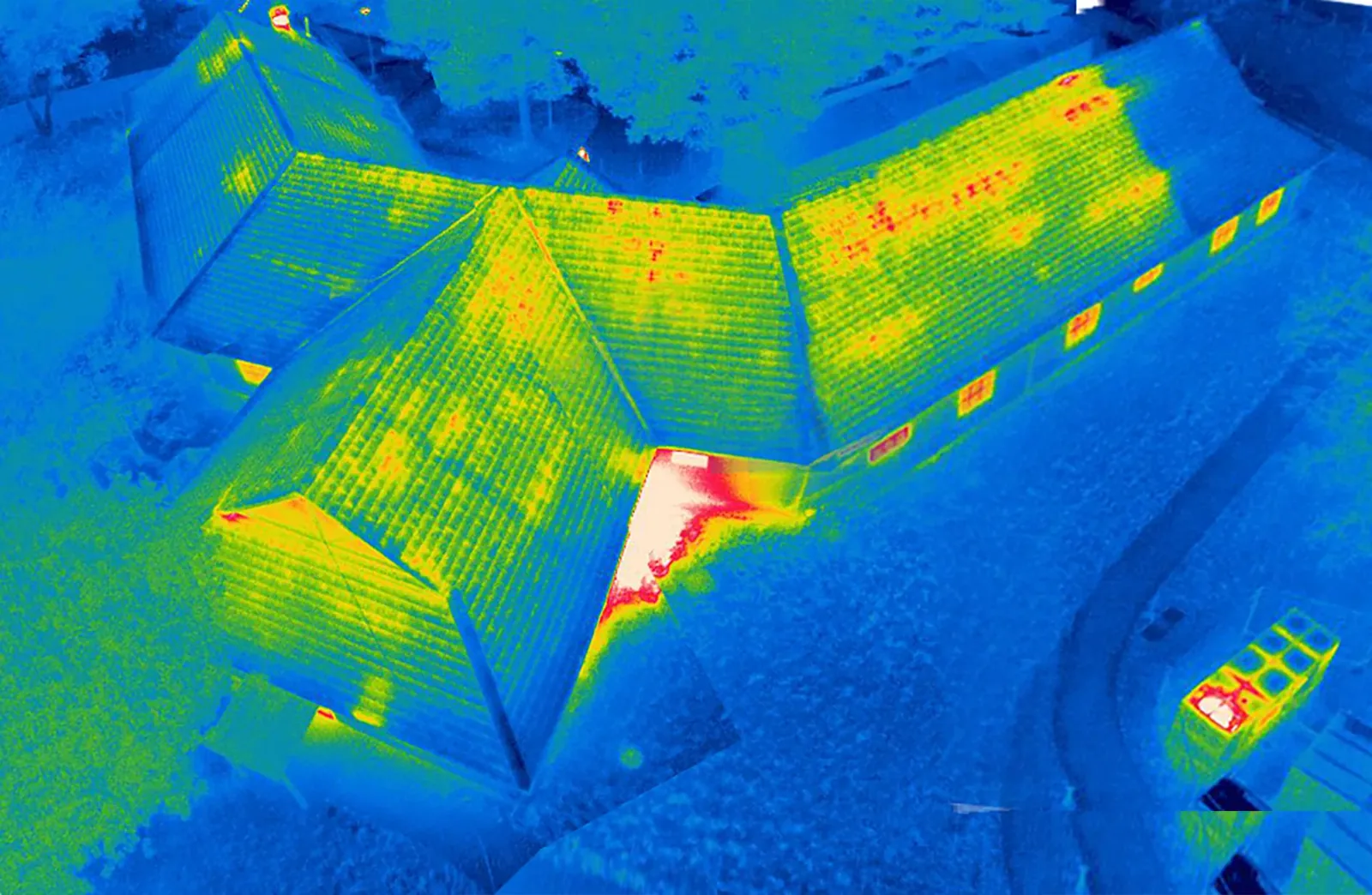
Water can follow a deck flute, cable path, or insulation joint after entering at a roof detail. We start with the room and equipment report, then trace uphill from the nearest roof section through seams, drains, curbs, and earlier patches. If the cause is not visible, a thermal survey may help choose a test cut. We record the affected layers and do not cover wet material until the owner sees the test result and removal boundary.
Murfreesboro averages 55.92 inches of annual precipitation, with measurable rain on 134.5 days. At the property, we map where water gathers and confirm the outlet path before choosing a repair. A moisture survey can guide test locations, and drain and scupper work can address a blocked or damaged outlet. We record what each step can establish before the repair begins.
Set Access and Protection Before the Walk
Roof access may require a named escort, badge check, tool inventory, or approved service window. The facility sets those controls; we provide the crew list and equipment details required for entry. Before walking, confirm which doors, ladders, and roof sections are available. The route should avoid sensitive equipment areas and keep the inspection team within the permitted zone. For repairs, identify who can authorize a temporary shutdown and who receives the closeout record.
The Medical Center Parkway six-lane Phase II package spans from Thompson Lane to Fountains at Gateway through built-up surroundings. The project does not set a data center's access or schedule. We plan deliveries from the building's confirmed entrance and keep a weather hold separate from the security window. Commercial roof coverage near Veterans Parkway still begins with site access. For an occupied campus, medical-office roof work and phased building work both require clear handback points.
Check Attachment Before Choosing a Recover
A recover adds another system above the existing roof. We first check moisture, membrane attachment, deck condition, edge height, and equipment clearances. Loose material, wet insulation, or weak deck attachment can make another layer a poor fit. A test cut shows which layers remain and whether removal should stop at one section or continue farther. Curbs, doors, and rooftop service paths need enough height and clearance after the new assembly is installed.
The July 2024 EF-0 track through Murfreesboro measured 3.38 miles with maximum winds estimated at 75 mph; the wider event included minor roof damage. That report does not establish damage at a data center. After a reported wind event, we inspect the actual seams, edges, and equipment flashings, then compare current movement with prior photos if available. TPO roof work depends on a compatible weld field, while a replacement scope can include removal if the deck or insulation findings require it.
Keep the Dry-In Limit Tied to Operations
Roof work has to stop at a boundary the crew can protect before leaving. We plan each section around equipment access, weather, and the facility's operating window. Tools and material stay clear of drains and service paths. If a test or repair requires an opening, the facility contact knows the location, interior protection, and temporary closure method. When unexpected deck damage appears, we photograph it and return a separate scope rather than extending removal without review.
A planned New Salem Highway widening reaches the stretch between Old Fort Parkway and Veterans Parkway; the site gate still determines arrival. That project is one local access consideration, but it does not predict a delivery route for a particular property. We confirm the entrance and delivery window directly with the site lead. Emergency dry-in can stabilize an active opening, while a roof condition record keeps follow-up tied to the exact section and equipment row inspected.
Return a Record the Facility Can Reconcile
Closeout photos should show the roof location, finished flashing or seam, nearby equipment, and any area left for a later phase. We label the section, record materials and test findings, and identify what could not be accessed. The facility manager can then compare the repair against the roof plan and service log. If another trade needs to return, the record names the opening and the coordination item that remains.
Send the roof plan, equipment map, security process, affected room, and available inspection window. We will walk the permitted sections, trace the reported condition, and return a written scope with the repair limit and dry-in sequence. No roof assembly is assumed from building use alone. The first decision is what the inspection can verify, followed by the smallest work area that restores a dependable roof transition without blocking critical access.
Commercial Roofing Questions
Can roof repairs happen without shutting down cooling equipment?
Some flashing work can proceed with the unit operating, but the curb and piping condition decide. We coordinate with the facility and mechanical lead before any lift, isolation, or work that could limit service access.
Will a thermal survey show the exact leak cause?
It can help identify areas for testing, but it does not confirm the layer condition by itself. We use a cut or core to document wet insulation and set the removal limit before covering the roof.
How do you work with controlled roof access?
We follow the facility's approved entry, escort, tool, and work-hour controls. The site lead identifies permitted routes and who can approve a shutdown or return access if weather changes the plan.
Does a Murfreesboro tornado report prove our roof was damaged?
No. It is an event record for the wider area, not an inspection of your building. We check the roof sections you identify for movement, open seams, damaged flashing, and other visible conditions.
What changes a recover into a full replacement?
Wet insulation, unstable attachment, deck damage, or insufficient height at curbs and drains can make an overlay unsuitable. We show test findings and the affected sections before pricing removal or replacement.
Related Roofing Work
More commercial roofing work connected to Data Center Roofing in Murfreesboro.

Coordinate a Controlled Roof Review
Share the roof plan, equipment map, access rules, and affected room. We will inspect approved sections, document findings, and return a scope with work boundaries and return-to-service coordination.