Modified Bitumen Roofing in Murfreesboro, TN
Modified bitumen roofs in Murfreesboro need sound laps, flashing, and drainage. We inspect the plies and define repair, coating, or replacement by section.
Modified Bitumen Roofing
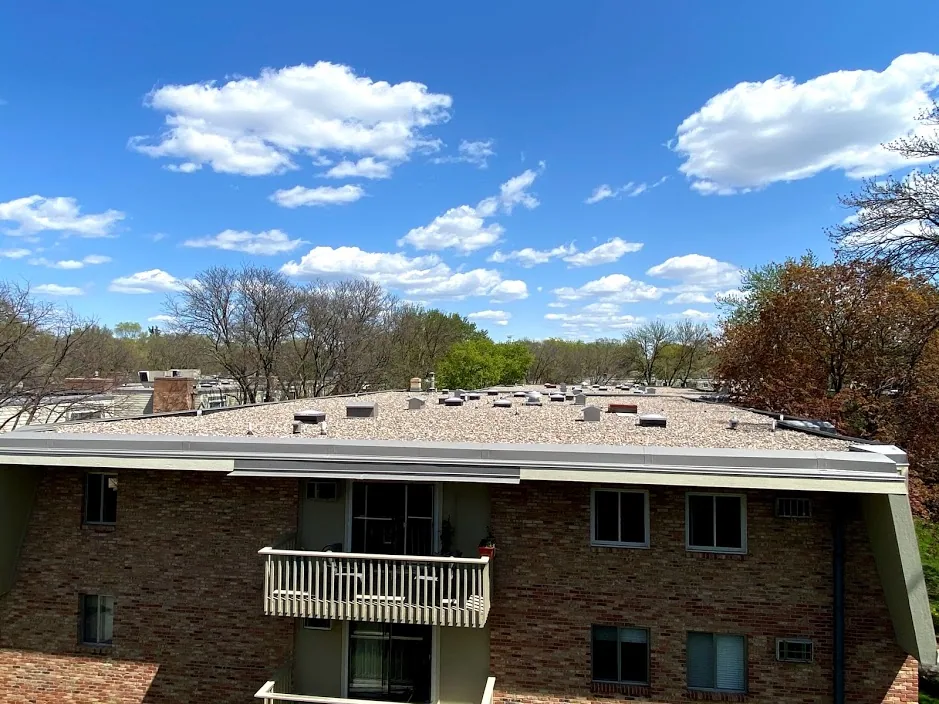
A modified-bitumen roof depends on sealed laps and intact transitions between its plies. For a low-slope building in Murfreesboro, TN, we inspect the cap sheet, seams, penetrations, drains, and prior repairs before choosing a patch or larger scope. SBS and APP membranes can be installed with different methods, including torch, hot asphalt, cold adhesive, or self-adhered products. We identify the installed system and its condition before selecting materials or setting a work plan.
Cracks, blisters, open laps, and exposed reinforcement need different repairs. We check whether water has reached the insulation or deck, mark the affected boundary, and separate a localized repair from a broader replacement. The owner receives a written scope that states how the repair ties into the existing roof and what remains outside the work area.
Identify the Ply and Attachment
We look for product records, edge details, exposed laps, and the layer build-up at a safe test location. A modified-bitumen roof may use multiple plies, a granular cap sheet, or a coated surface. Those details affect compatible patch material and how the repair is secured. We inspect the field for splits, open laps, ridges, and blisters, then check whether the substrate is firm before preparing the repair. A roof with widespread movement needs more than a cap-sheet patch.
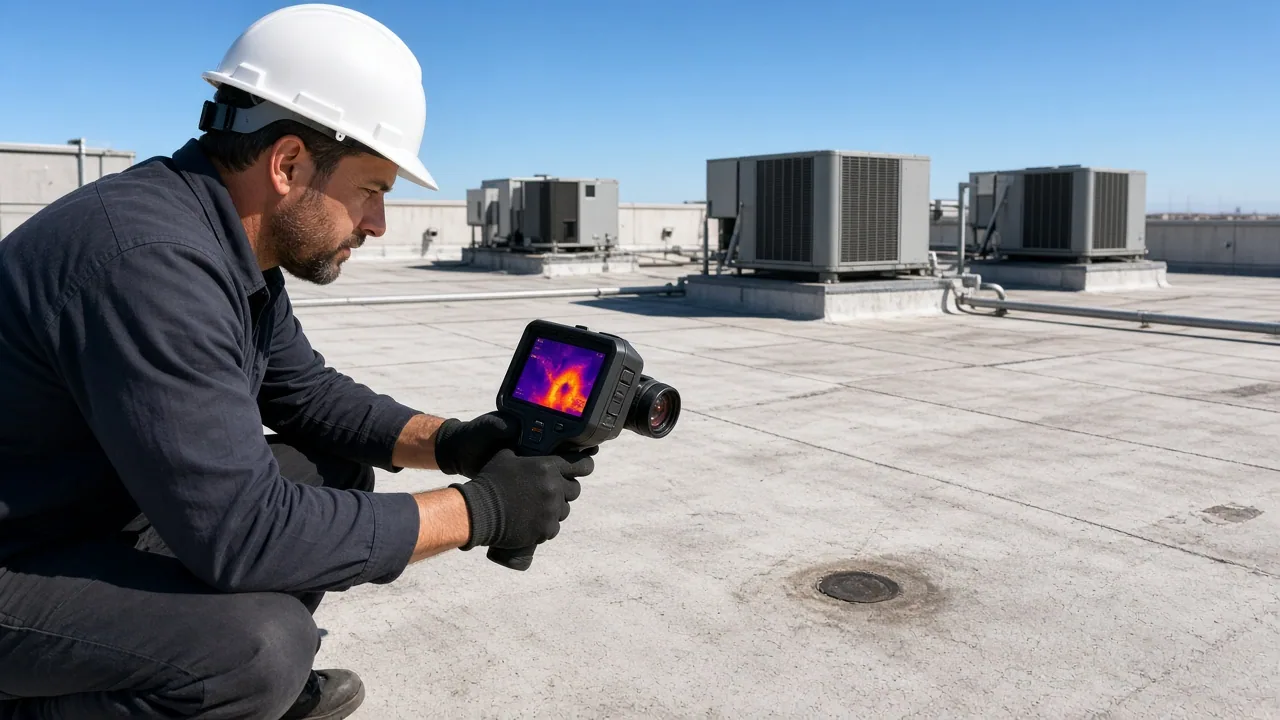
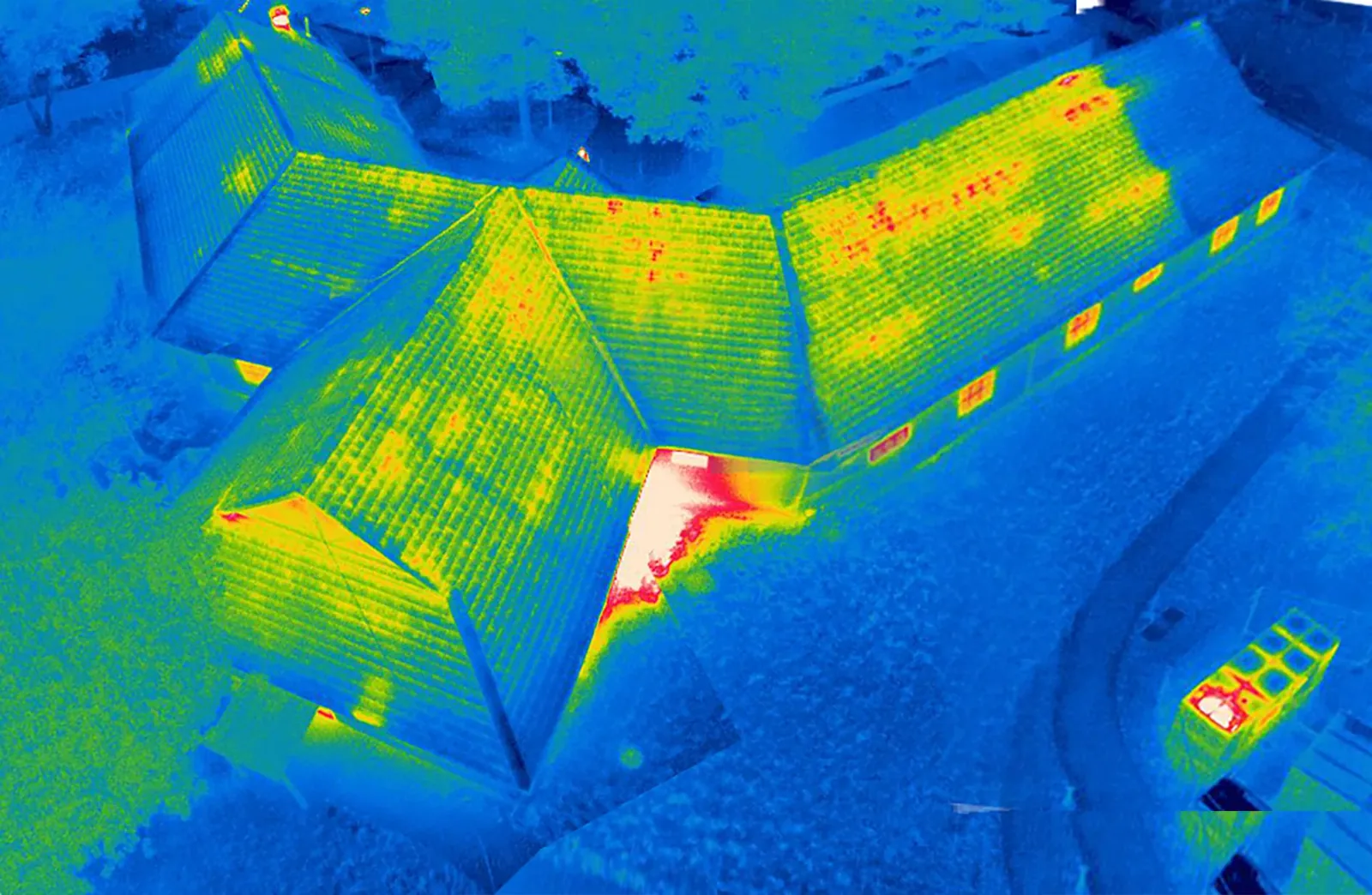
At a retrofit, the existing roof history may include several repairs or an older assembly beneath the visible layer. The roof plan should identify test cuts, deck type, insulation, and any moisture found. A condition inspection can map those observations, while a moisture survey can narrow test locations when a surface pattern needs confirmation.
Close the Lap Without Trapping Moisture
A lap repair must bond to a clean, dry surface and terminate beyond the damaged area. We remove loose material, prepare the exposed sheet, and install a compatible patch with the required overlap. If the repair uses heat or hot asphalt, the work zone and fire controls need to match the method and project requirements. A cold-applied or self-adhered detail has its own temperature, primer, and pressure checks. We record the method used rather than treating every modified-bitumen system alike.
Blisters need a measured response. We determine whether a blister is dry, wet, or connected to a failed lap before opening it. Cutting a raised area without checking what lies below can leave an unsealed pocket. Where testing shows wet insulation, we remove material to a firm boundary and rebuild the layers before closing the cap sheet. The repair record should show the opening, exposed layers, and tie-in at completion.
Trace the Drain and Edge Details
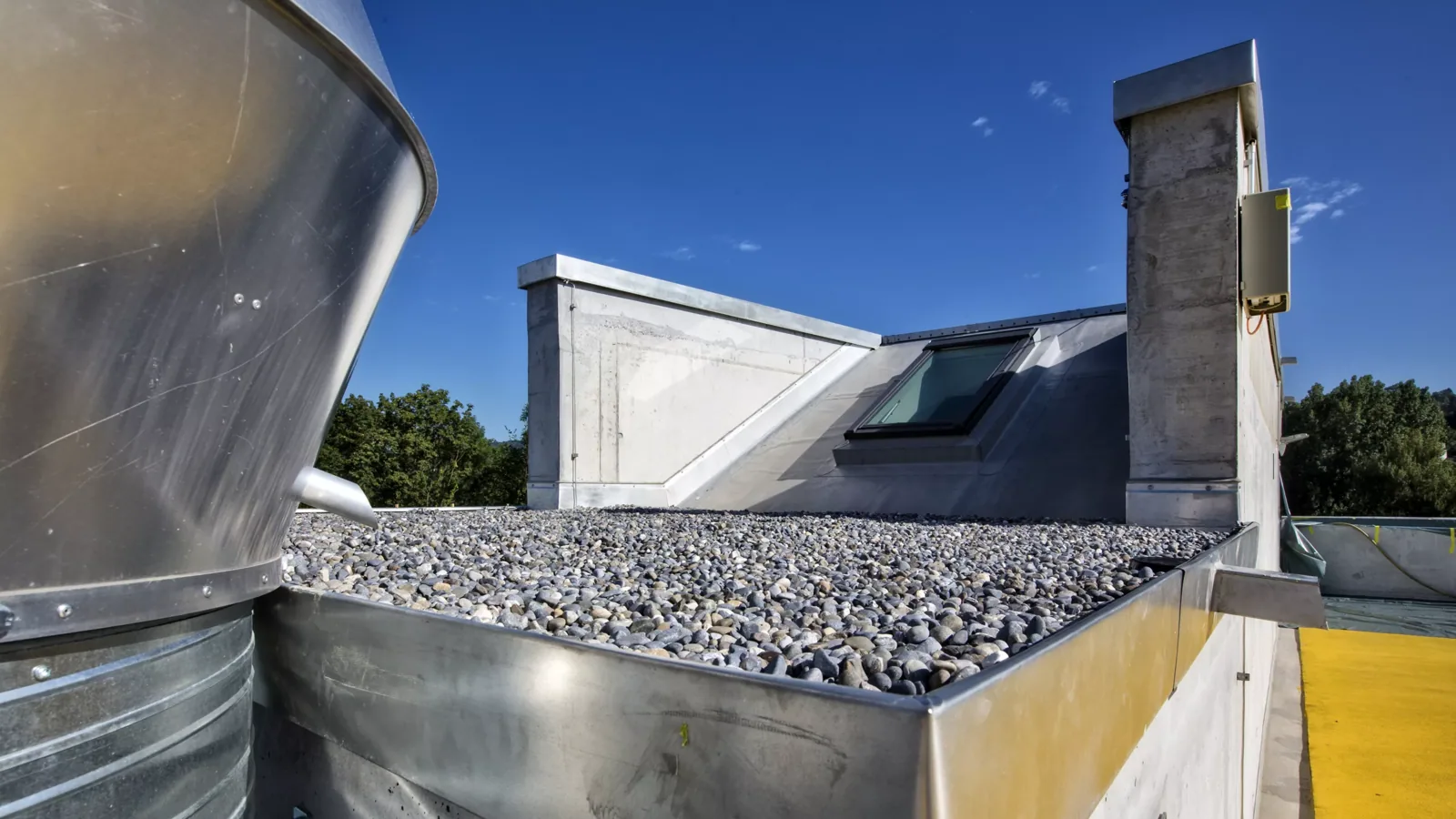
Water can enter at an open seam, drain flange, wall termination, or curb and move before it appears inside. We follow the roof slope to outlets and inspect parapet edges, scuppers, overflow paths, and changes in plane. A membrane patch will not correct a low deck or an undersized path to a drain. We mark the opening and any drainage correction separately so the owner can see which work restores the membrane and which changes water flow.
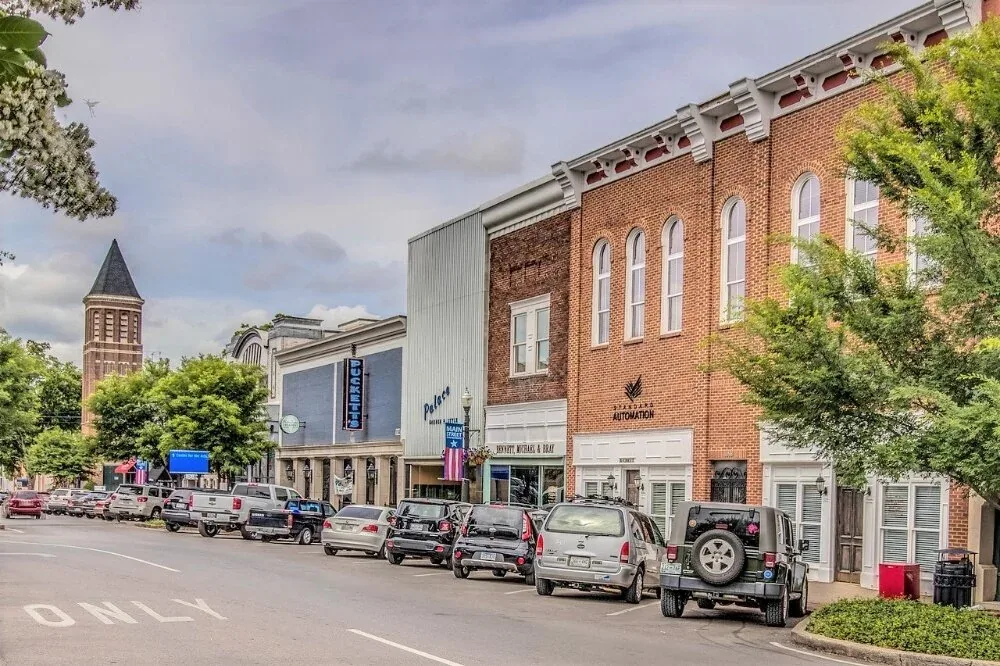
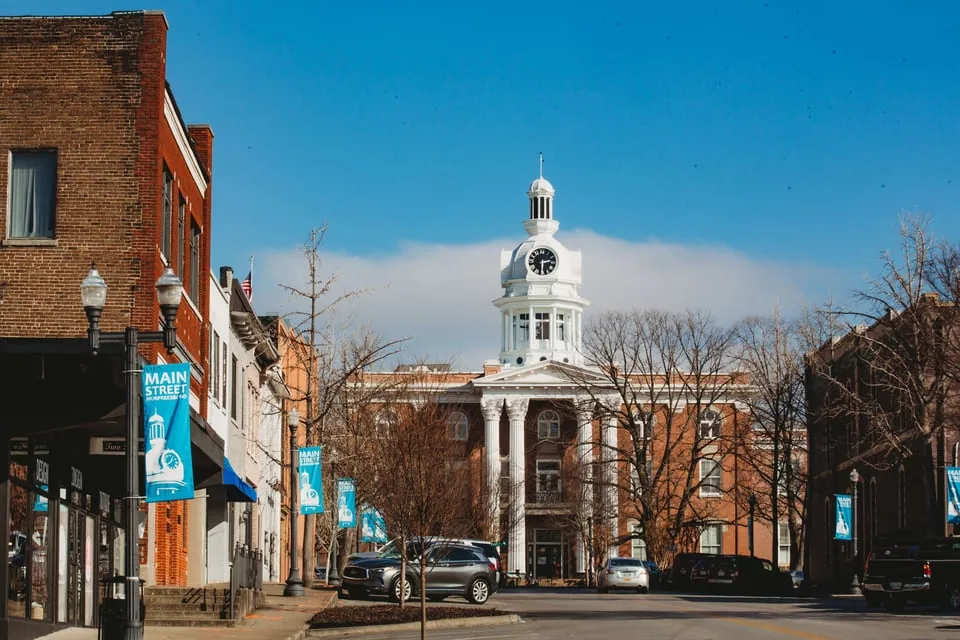
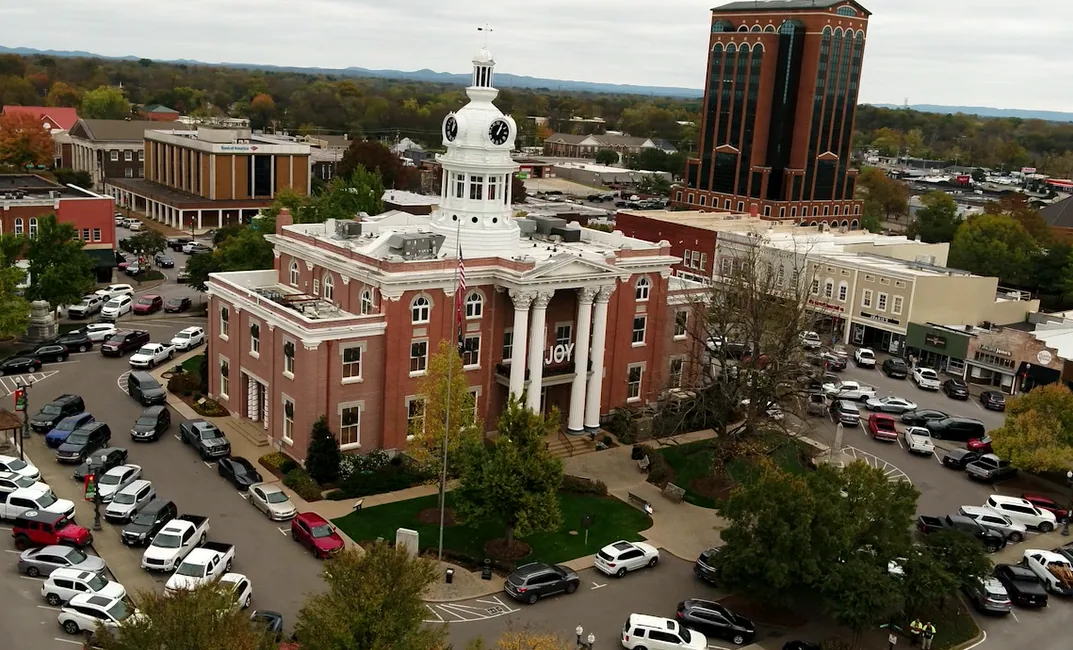
Murfreesboro 5 N normals show 55.92 inches of annual precipitation, which makes drain capacity and lap condition practical checks. The record describes the station, not a specific property. The Broad Street corridor includes a downtown edge where access and neighboring occupied uses can affect staging; the roof's actual drainage layout still sets the repair. A drain detail repair may be needed alongside the membrane work when the outlet or overflow is damaged.
Sequence Hot Work and Daily Dry-In
Hot-applied and torch methods need a controlled work area, fire protection, trained operators, and a clear plan for combustible material near the roof section. The facility contact confirms shutdowns, alarms, access routes, and any required fire watch under the project rules. We keep the open area within the limit that can be closed before weather changes. If the method is not suitable for the building or conditions, the system details and approved alternatives need review before mobilization.
May 2024 NWS reports include hail near Murfreesboro, and a July 2024 tornado crossed part of the city with documented minor roof damage in the wider event. Those records support timely inspection after a reported storm; they do not show impact at an individual roof. On a building in the Blackman area, we inspect the actual cap sheet and flashings rather than infer damage from regional reports. Close each shift with a dry tie-in and clear drains.
Compare a Patch with a New Assembly
A localized modified-bitumen repair fits when the surrounding membrane is attached, dry, and compatible with the patch. Recurring open laps, broad blistering, wet insulation, or a deteriorated deck can push the scope toward removal. We map the test results and show the limits of each option. A recover can be considered only when the existing roof is stable and the new assembly can maintain drainage and finish height at curbs, edges, and drains.
The estimate separates tear-off, deck repair, insulation, new plies, flashing, and temporary protection. Access hours, test openings, and the number of daily tie-ins affect both labor and the work window. A built-up roof also uses multiple layers, but its materials and surfacing differ from modified bitumen. An EPDM membrane brings another seam and flashing approach. The comparison should account for the deck, access, roof use, tie-ins, and future service needs. A coating scope is appropriate only when the substrate and system support it; it does not replace wet insulation or repair a weak deck.
Photograph Each Rebuilt Detail
We photograph the exposed layers, prepared lap, finished cap sheet, edge transition, and any drain or curb included in the scope. The closeout records the membrane and method used, repair boundary, weather window, and inspections completed before concealment. If a test cut found wet material, the record shows what was removed and rebuilt. Remaining areas that could not be reached stay marked for follow-up rather than counted as repaired.
A roof condition report can keep those photos with the roof plan and service history. Review the same seam and outlet after a later storm or rooftop trade visit. Send the plan, repair records, known assembly, and access window. We will inspect the roof and return a patch, recover, or replacement scope that follows the layers and drainage path we can verify.
Commercial Roofing Questions
How do you repair a split in modified bitumen?
We cut back to sound, dry material, confirm the ply and installation method, then fit a compatible patch with a sealed lap. If moisture or deck damage extends farther, the repair boundary has to include that condition.
Can every blister be cut open and patched?
A blister needs testing before it is opened. We check whether it is dry or wet and how it connects to the lap. The repair method follows the observed layers and the area that can be closed securely.
Is torch work always the right installation method?
No. The specified assembly may use a torch, hot asphalt, adhesive, or self-adhered sheet. Building conditions, fire controls, product requirements, and weather determine which approved method fits the work.
When does a modified-bitumen roof need replacement?
Repeated lap failure, widespread wet insulation, unstable attachment, or deck deterioration can make a patch too narrow. We map the tested areas and show where repair stops being a useful boundary.
What does the closeout record include?
It shows the layers opened, repair method, finished seams, transitions, photos, and any condition left outside scope. The record gives the next inspector a marked location to revisit.
Related Roofing Work
More commercial roofing work connected to Modified Bitumen Roofing in Murfreesboro.
Review the Modified-Bitumen Layers
Send the roof plan, leak history, available assembly records, and access window. We will inspect the laps, drainage, and test areas, then define the repair or replacement boundary.