
Emergency Commercial Roof Repair in Murfreesboro, TN
Get around-the-clock commercial roof emergency response in Murfreesboro. We stabilize openings, protect building operations, and document permanent repairs.
Emergency Commercial Roof Repair
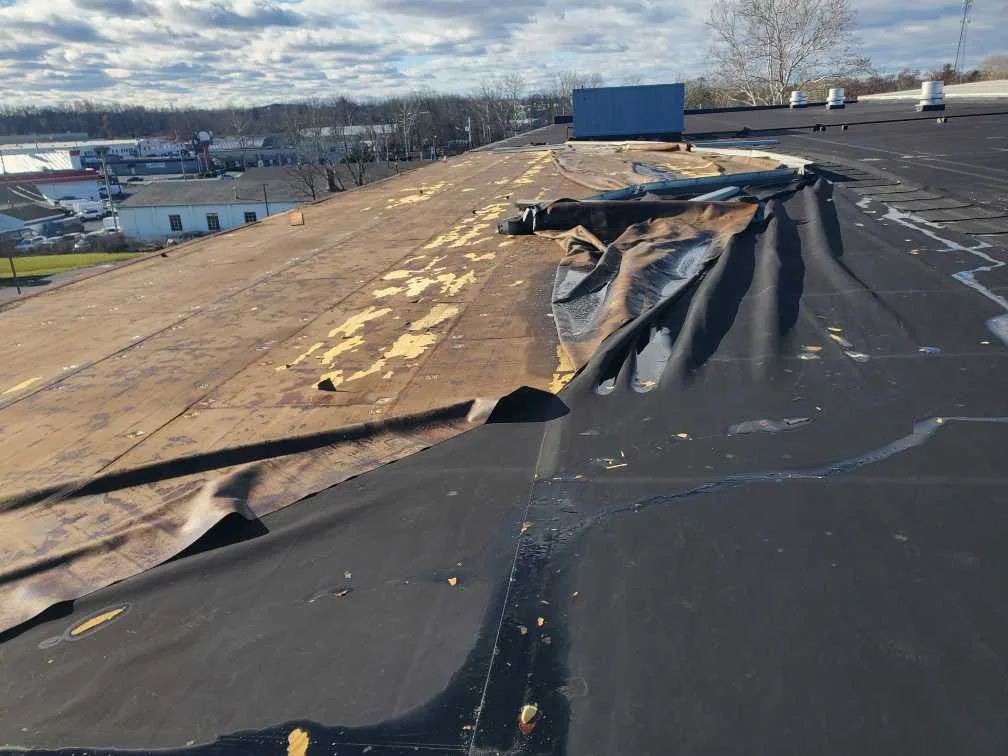
A torn membrane above a loading dock changes the work plan right away. Water, wind, and falling material need to be controlled before permanent roof work can begin. Our emergency line stays open day and night, including weekends and holidays. We coordinate with the facility lead, identify the safest access route, and protect the opening with a temporary dry-in or tarp. Then we mark what remains exposed and set the next inspection so temporary protection does not become the final repair by default.
Triage the Building and Roof
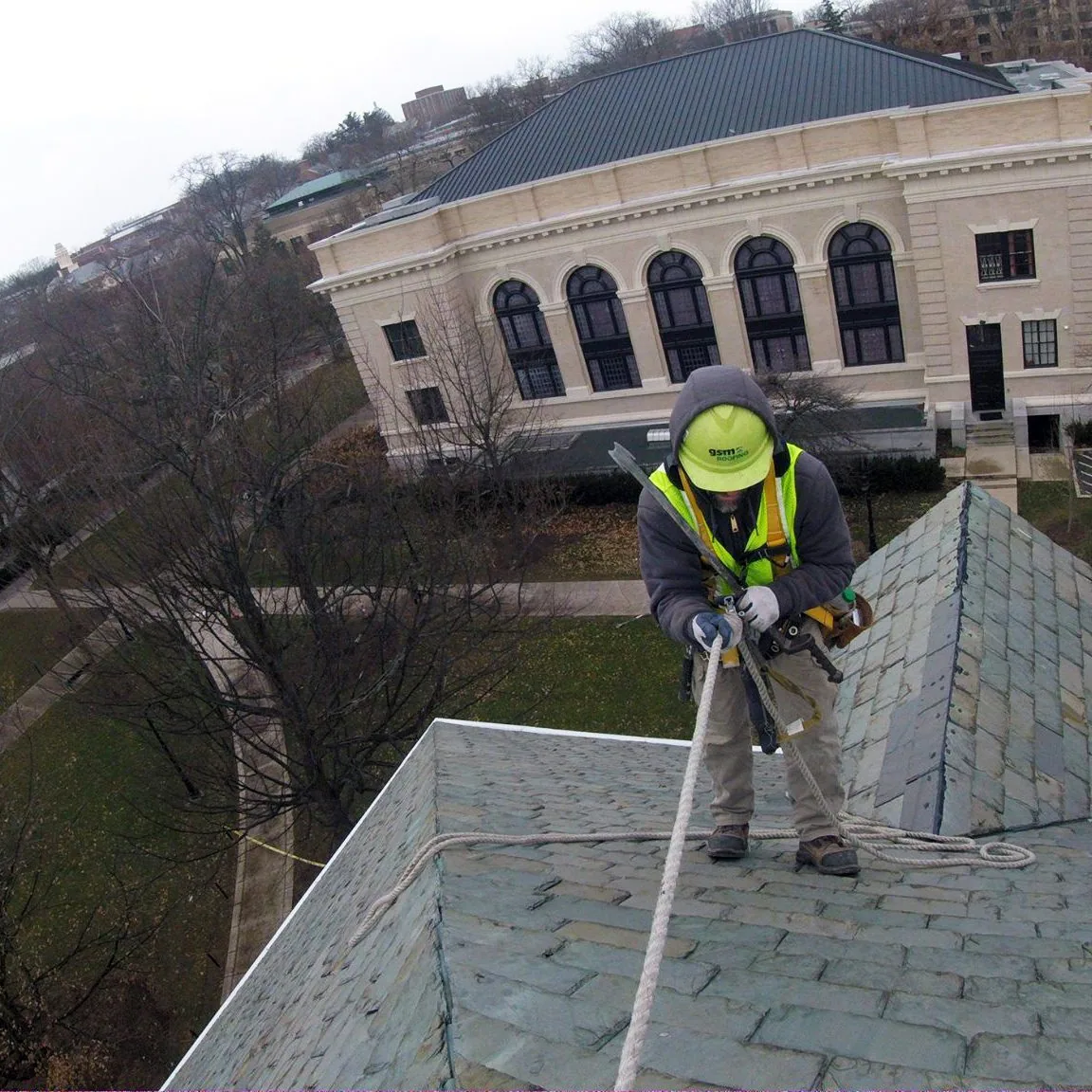
We first ask where water is entering, whether it is still active, and what is below the affected section. The facility contact can isolate equipment, move occupants away from a ceiling hazard, or shut down a room under its own safety procedure. We identify roof access, alarms, hatch keys, lift restrictions, and the work zone before crews move tools. A report of damage on the west side of town does not establish the condition of a separate property, so we assess the roof in front of us.
Murfreesboro has documented hail, high winds, and tornado events. After a warning or storm report, we check loose edge metal, lifted seams, punctures, displaced equipment panels, and interior water entry. The National Weather Service recorded a July 2024 tornado crossing the city with tree damage and minor roof damage in the broader event. That history supports prompt inspection after local weather, not an assumption that every building was struck. Our storm damage response starts with a safe walk and a dated condition record.
Stabilize the Opening
Temporary protection has to shed water and stay secured for the expected exposure. We clear loose debris only where it is safe, cover the opening, and make a temporary termination that does not create a new path beneath the membrane. Where a tarp is appropriate, we secure it without relying on loose objects or exposed fasteners that can become hazards. The emergency records identify the protected area, what could not be reached, and what weather or access condition would require another visit.
If water is still moving through the assembly, a temporary cover may reduce entry without correcting the underlying failure. We keep the interior protected and avoid opening more roof than the crew can dry in. For an occupied office near downtown Murfreesboro, public entry and lift placement may control the work zone; a warehouse near Old Fort Parkway may need loading access preserved. We coordinate those limits with the person who controls the building, not by assumption.
Plan the Permanent Repair
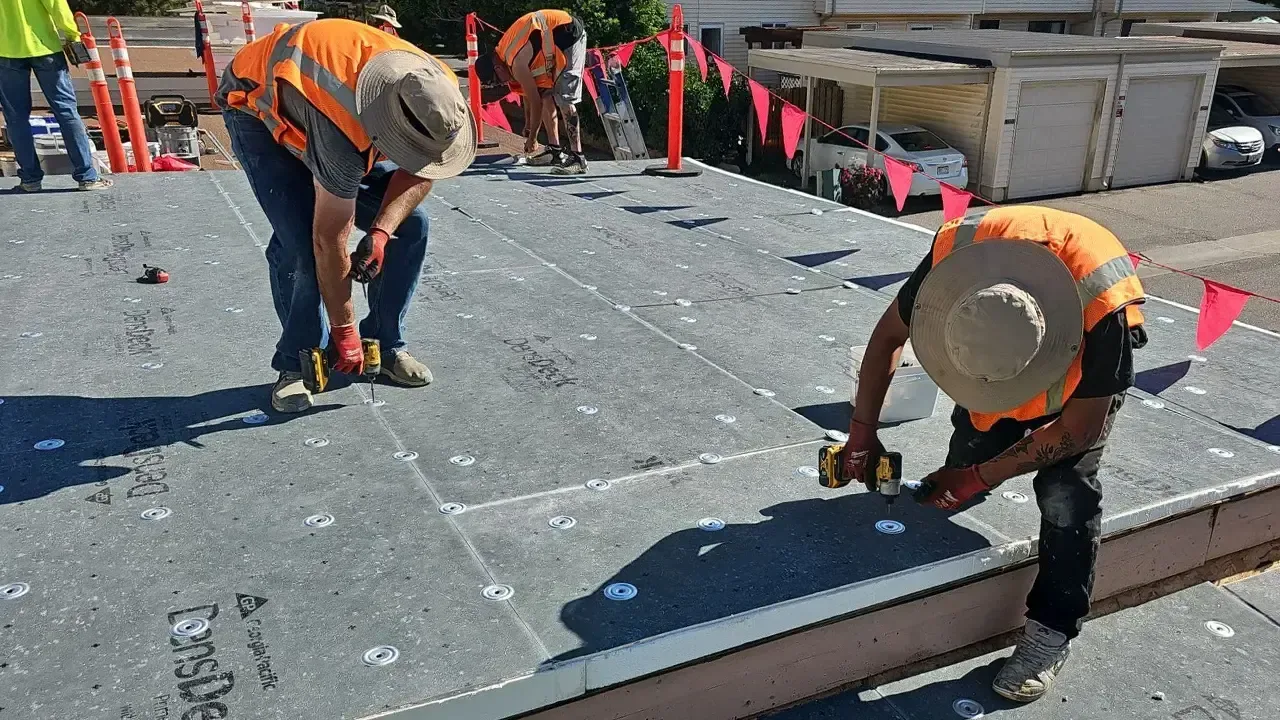
Once the roof is stable, we identify the failed system and inspect the perimeter of the opening. The permanent scope can include a membrane patch, new flashing, edge metal, drain repair, or removal of wet insulation. The repair material must match the existing membrane or panel. We test adhesion and seam condition, check the deck where moisture suggests a deeper issue, and photograph the assembly before it is covered. If a larger section is needed, we show the boundary and price before expanding the work.
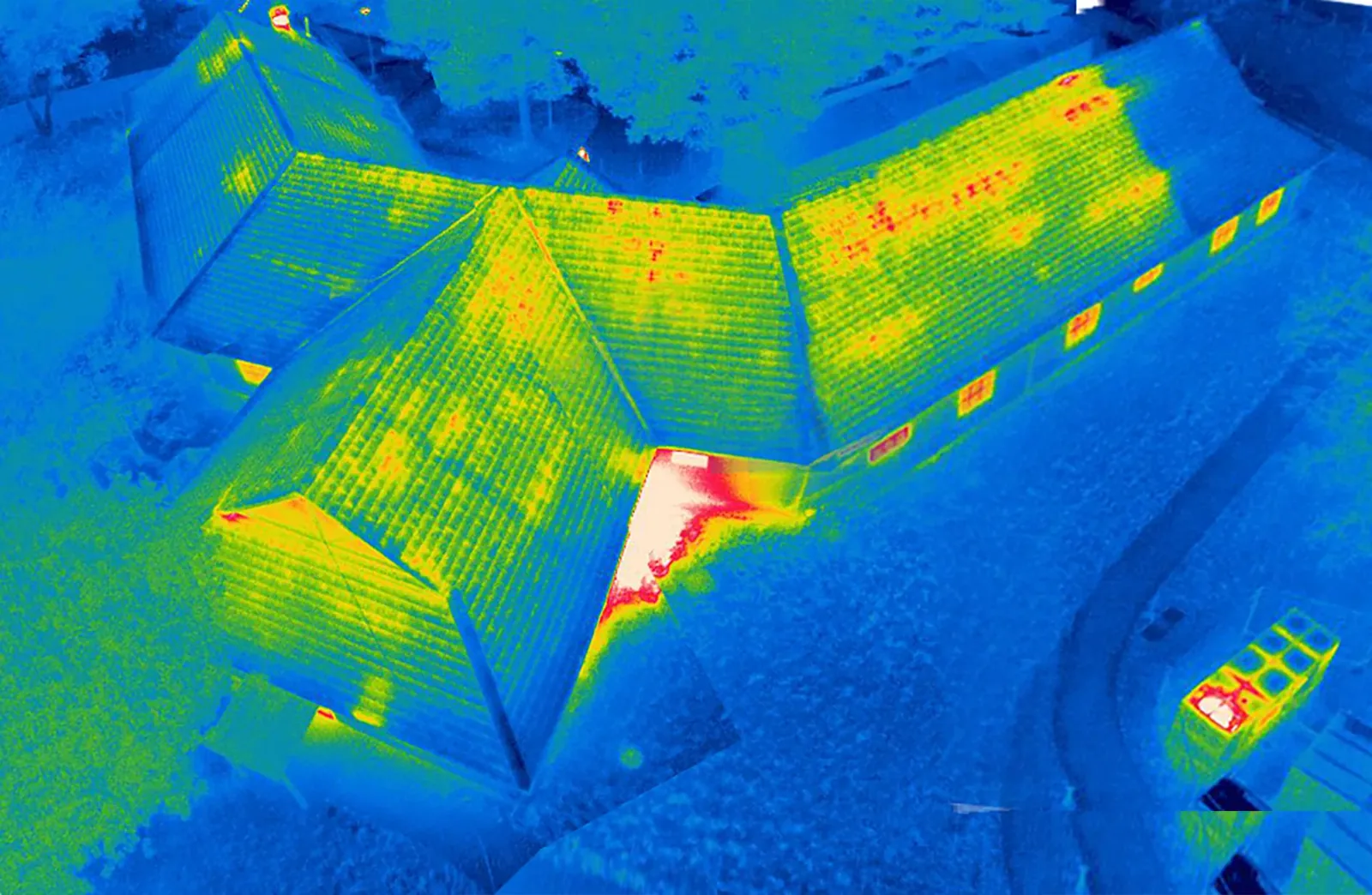
Heat, rainfall, and freezing nights in Murfreesboro can affect when a permanent tie-in is safe. The NOAA climate normals record warm days and repeated nights at or below freezing; the current roof and work conditions still guide the schedule. A defined roof repair replaces the temporary measure with a compatible assembly detail. When moisture has spread, we may recommend a moisture survey followed by test cuts rather than covering an unverified area.
Protect Daily Operations
Emergency work often shares the site with other urgent tasks. We agree on a ladder or lift location, keep fire lanes and dock routes clear, and set a boundary around open roof areas. If HVAC equipment must be shut down or moved, we coordinate with the mechanical contact before touching the curb or piping. A temporary patch should not block a drain or create a trip hazard at a roof hatch. We tell the facility contact what is covered, what remains open, and when to check the interior again.
The city’s transportation plan lists ongoing work on Old Fort Parkway, Veterans Parkway, and other arterial routes, while the Medical Center Parkway corridor is a developed commercial and office area. These facts help frame delivery and access planning, but the property’s actual entrance and traffic rules control the emergency visit. We schedule the occupied-building work zone with the site contact and use drain and overflow checks to confirm water can leave the roof while a temporary cover is in place.
Track Temporary Work to Completion
Every temporary measure needs a next action. The work record lists the protected roof section, the material used, any access limit, and the permanent repair still required. We photograph the tarp or dry-in at installation and recheck it when wind or rain could change its condition. Once the permanent work is complete, closeout photos show the seam, edge, or flashing that was repaired, along with any remaining item outside the agreed boundary.
That record matters when hail or high wind comes through again. It gives the facilities team a prior condition for comparison and helps separate a newly displaced detail from the emergency work. A photo condition report can carry the findings into a maintenance file. We can also check a local roof in the Veterans Parkway corridor around an owner’s access window, with no assumption that nearby properties share the same damage or scope. If a temporary cover spans a drain path, we also document how water is directed until the permanent detail is installed. The owner gets the next inspection trigger and the name of the contact who will confirm the return visit. We also record the weather at the time of the temporary work and whether a second roof section stayed open. That separation helps the next crew see what was protected during the first visit, what changed later, and which boundary still needs a permanent tie-in.
Commercial Roofing Questions
Is emergency roof response available overnight?
Yes. The emergency line is staffed around the clock, including weekends and holidays. We gather the entry location, building use, and access details, then coordinate a safe response and temporary protection.
Can you tarp a commercial roof in the rain?
The crew first checks whether roof access and the surface are safe. A tarp or dry-in is installed only when it can be secured and directed to shed water. If wind, lightning, or surface conditions make access unsafe, we protect the interior and return when conditions allow.
Will the emergency visit include a permanent repair?
Sometimes, if the roof is safe, the failure is clear, and materials can be installed correctly. When weather or a concealed condition prevents that, we stabilize the opening and provide a permanent scope after the assembly can be inspected.
What information should the facility lead have ready?
Share the building address, interior leak location, roof access instructions, contact number, and any equipment or area that cannot be shut down. Photos from inside can help direct the initial walk, but they do not replace roof inspection.
How do you keep an emergency patch from being forgotten?
We record the temporary material, location, installation date, and permanent work still due. The owner receives a next-check trigger and can schedule the repair so a short-term dry-in does not remain the only protection.
Related Roofing Work
More commercial roofing work connected to Emergency Commercial Roof Repair in Murfreesboro.
Report the Active Roof Opening
Call with the interior location, roof access details, and building contact. We will coordinate emergency response, protect the affected section, and document the permanent repair still required.