PVC Roofing in Murfreesboro, TN
PVC roofing in Murfreesboro needs sound hot-air welds and clean drain details. We inspect the membrane and define repair or replacement by roof section.
PVC Roofing
Grease, exhaust, and foot traffic change where a PVC roof needs attention. A restaurant, food-production, or mixed-use building in Murfreesboro, TN may have PVC on the field, at a curb, or across a repair section. We identify the assembly and inspect the seams, penetrations, drain path, and areas near service equipment before choosing a repair. The scope follows the membrane that is installed, not a generic assumption about what a white roof can handle.
PVC seams are heat-welded, and a compatible patch depends on a clean, prepared surface. We check whether the membrane remains flexible and attached, whether contaminants have affected a weld, and whether moisture or deck conditions extend beyond the visible defect. The owner gets a defined repair boundary, a replacement option when failures repeat, and a record of the details that remain open.
Inspect Around Exhaust and Service Paths
Kitchen exhaust can carry oils and residue toward roof surfaces. We inspect the area downwind of an exhaust fan, the curb flashing, nearby seams, and any coating or membrane that has changed texture. A sample or manufacturer compatibility check may be needed before a repair material is selected. We also look for service traffic that has worn a path through the membrane or loosened a corner at a curb. The condition map separates those points from otherwise sound field areas.
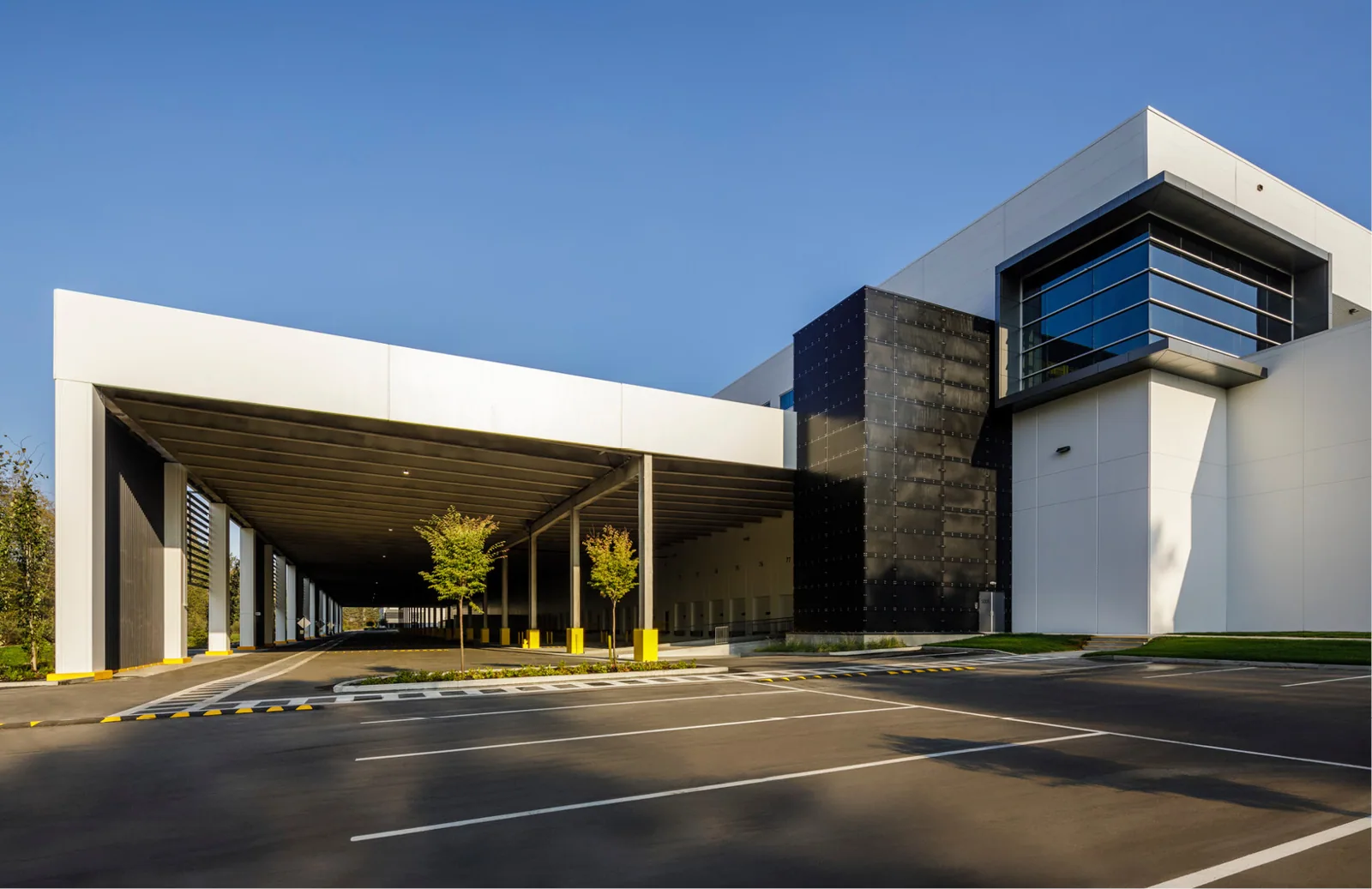
Murfreesboro's future land-use guidance includes food production among possible industrial uses, alongside manufacturing and distribution. That category does not identify the roof system on a specific building. At a property near the Medical Center Parkway corridor, we inspect the actual exhaust, equipment, and access layout before planning PVC work. A hands-on roof inspection records the membrane type and the locations that need testing.
Test the Weld Before Cutting Back
A PVC lap may look closed while a channel remains open beneath the edge. We probe suspect welds where appropriate and make a test weld on compatible material when the repair calls for it. The membrane has to be dry and clean before heat is applied. We remove contamination without damaging the sheet, control temperature and travel speed, then check the cooled seam for a continuous bond. A patch extends past the failure onto a surface that can take a new weld.
Repairs around pipes, skylights, and curbs require a formed detail, not a bead that only covers the gap. We inspect corners, vertical terminations, sealant transitions, and fasteners that may have disturbed the flashing. The penetration detail should connect to sound membrane and leave room for movement at the curb. A compatible KEE/PVC-alloy assembly may be considered where the project specifications call for that material; we identify the exact sheet before choosing welding settings or patch stock.
Trace Drainage Beyond the Stain
Water can cross the membrane before it reaches a ceiling, so the interior mark is only one point in the inspection. We check the slope leading to drains, scuppers, and overflow points, then look at seams and penetrations upslope. If the roof holds water around a fan curb, the cause may be the deck, outlet elevation, or an old repair that changed the flow path. We mark what a PVC patch can correct and what needs separate drainage work.
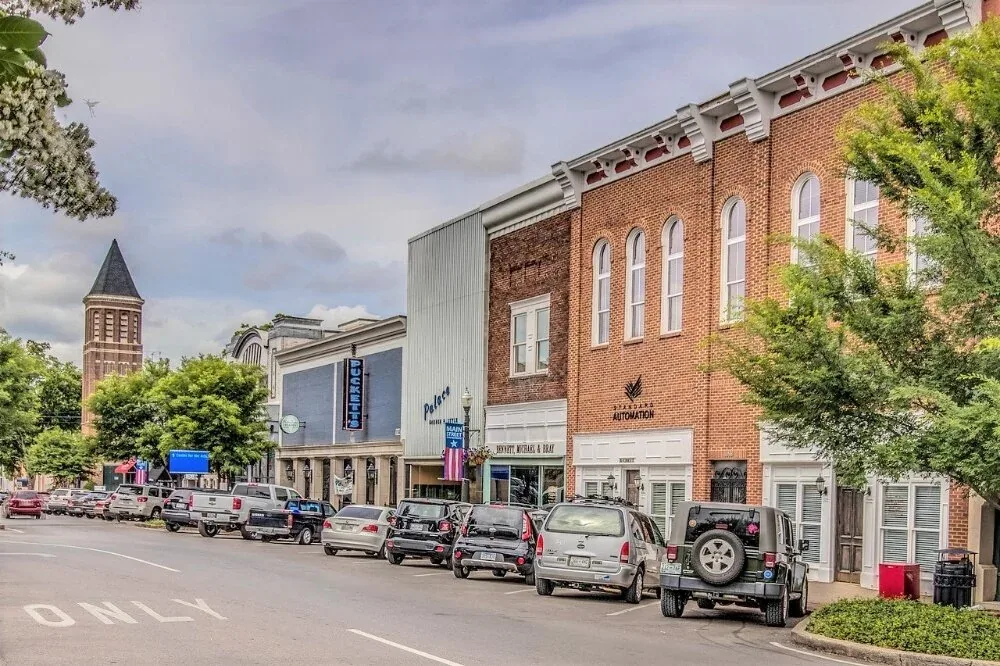
Murfreesboro 5 N normals record 55.92 inches of mean annual precipitation and more than 134 days a year with measurable rain. That regional figure makes drain flow and welded terminations practical review points, but it does not establish water entry at an individual roof. In the East Main Street Historic District, closely spaced occupied uses can affect roof access and staging. The drain and scupper scope should be based on measured outlets, not a surface patch alone.
Set a Compatible Repair Boundary
A local PVC repair fits when the surrounding sheet is sound, the weld can be made to clean material, and the underlying insulation and deck remain usable. We photograph the cutback, record the membrane type and thickness where known, and show the patch edge on the roof plan. If the sheet is brittle or several seams have opened, a small patch may leave the next failure beside it. We price a larger section separately so the owner can compare the risk and access needed for each option.
Surface coatings are not a substitute for repairing a loose weld or wet substrate. Where the assembly has repeated failures, we compare localized correction with TPO membrane work or a full PVC replacement based on the roof plan and project requirements. A coating review is relevant only when the existing roof is compatible, dry, and suitable for that system. The written scope states what is removed, what remains, and how each termination is closed.
Stage the Work Without Blocking Operations
Material handling can be the hard part of a repair when a property stays active. We confirm the lift location, pedestrian route, exhaust schedule, and any loading window with the facility contact. The roof crew works inside an agreed zone, keeps scrap away from drains, and protects each opening before leaving the shift. If access requires a roof hatch or ladder near occupied rooms, the plan names who controls the route and when it is released.
The city map shows a downtown mix of commercial, residential, civic, school, and open-space uses around the East Main area. A roof scope there needs a property-specific access plan, not a broad assumption from the neighborhood map. Along a medical-commercial corridor, active service entrances or equipment can also constrain staging. We phase removal, welding, and closeout so crews do not leave an open field or send delivery traffic across an occupied entrance.
Keep the Weld and Drain Record Together
Closeout photos should show the prepared substrate, completed weld, patch boundary, and nearby drain or penetration that affects water movement. We record material used, repair location, weather window, and any condition excluded from the approved scope. If a test cut found wet insulation, the record states whether it was removed and how the opening was rebuilt. Those details let the facilities team compare a later inspection with the same roof section.
For ongoing work, a photo condition report can organize repairs and observations by location. The next roof walk should check the patch edge, exhaust area, curb flashing, and outlets, especially after maintenance work or a storm warning. Send the roof plan, service-equipment locations, prior leak records, and access window. We will inspect the PVC assembly and return a repair or replacement scope that follows what the roof shows.
Commercial Roofing Questions
Does PVC roofing handle restaurant exhaust?
PVC can be used where the system specification and membrane are suited to the exposure. We inspect the fan discharge path, surface condition, and flashing, then check compatibility before repairing or extending the assembly.
Can you patch a PVC seam that has lifted?
A patch can work when the sheet around the opening is stable and clean enough to weld. We cut back to sound material, test the weld, and extend the repair beyond the failed lap.
How do you find the cause of a ceiling leak?
The stain is a starting point. We follow the drainage path uphill, inspect curbs and penetrations, and check seams near the likely entry. A moisture survey or test cut can narrow the area when the insulation hides the path.
Can PVC go over an older roof?
A recover needs a dry, stable assembly, compatible attachment, and enough height at edges and curbs. We test suspect areas and check drainage before carrying the existing layers into a new system.
What should the closeout photos show?
Show surface preparation, the finished weld, terminations, and nearby drains or curbs. We label the repair boundary and record any open condition so the next inspection can compare the same roof section.
Related Roofing Work
More commercial roofing work connected to PVC Roofing in Murfreesboro.
Inspect a PVC Roof Section
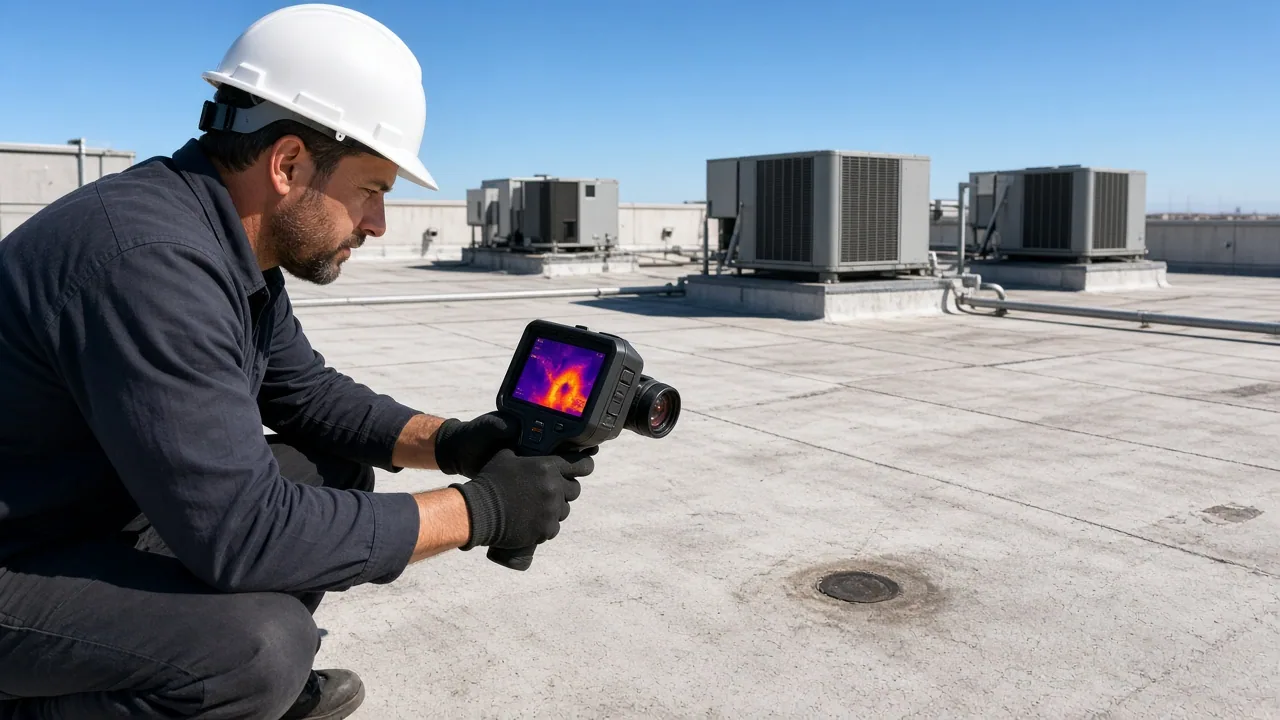
Share the roof plan, exhaust and equipment locations, leak notes, and access window. We will inspect the welds, drainage path, and substrate, then write a scope for the affected PVC sections.