
Commercial Roofing in Rock Springs Road Corridor, Smyrna, TN
Commercial roofing along the Rock Springs Road corridor in Smyrna, TN, with roof inspections and repairs planned around drainage, access, and site operations.
Rock Springs Road Corridor, Smyrna
A commercial roof along the Rock Springs Road corridor in Smyrna needs a work plan that fits the building and the route beside it. We start at the roof: identify the assembly, locate the reported section, and inspect seams, drains, parapet edges, penetrations, and prior repairs. Then we confirm how a crew reaches the roof, where materials can be staged, and which entrances or service lanes must remain open. The corridor is a broad multi-neighborhood service area, not one property or employer.
The proposed Rock Springs Road improvements extend from Montgomery Way toward Rocky Fork Road and include widening, a center turn lane, sidewalks, and a multiuse path. The concept addresses congestion and safety while adding walking and cycling options for existing and future neighborhoods. Those are proposed transportation changes, not a current lane closure or a roof access instruction. We verify the route and work window with each building contact before mobilizing.
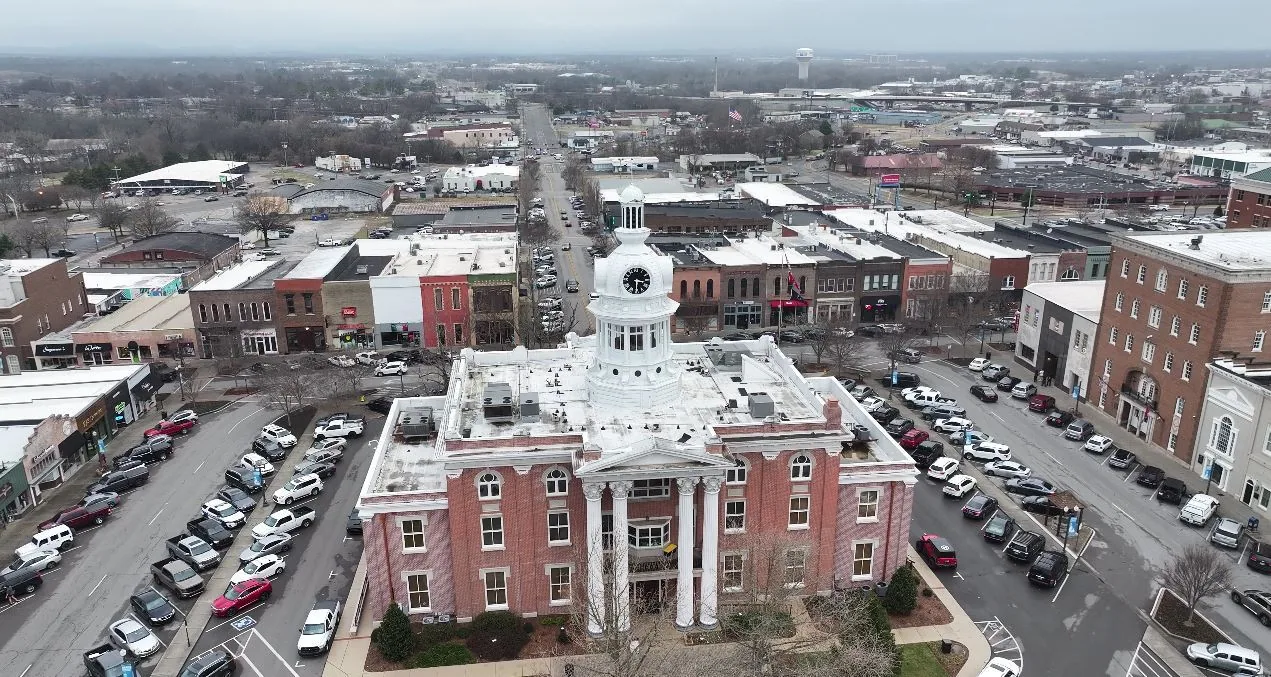
Walk the property before staging
A road plan does not show a property's loading area, turning radius, or roof hatch. The site contact walks those details with the foreman. We check vehicle approach, overhead clearance, lift position, material drop, debris handling, and the path to the roof. If staff, customers, or service vehicles cross the work area, the plan marks a protected route and identifies who can authorize a temporary closure. A crew should not block an entrance based on an assumption about corridor traffic. The contact should also identify a secure area for tools and debris, confirm the roof hatch key or escort process, and provide a phone number for same-day schedule changes and weather holds.
On the roof, we establish a section map before work begins. The map identifies the membrane, metal transition, drains, equipment curbs, skylights, and the reported problem. We document visible openings separately from suspected moisture under the surface. commercial roof inspection can record the assembly, while occupied-building reroofing can define phases for an active property. The Nissan Drive corridor is another broad Smyrna route; each site's service entrance and roof access still require a separate check.
Trace the defect to a real boundary
When water appears indoors, trace the path instead of patching the ceiling mark. We compare the location with roof slope, seams, drains, and penetrations. The entry may be several feet from the interior symptom. A close inspection checks the membrane beyond the split, flashing at the curb, wall termination, and any earlier repair. We record whether the material is open, loose, wet, or discolored and what remains hidden.
If the deck or insulation cannot be seen, a test opening may be proposed to answer a specific question. The owner approves the area and limit before removal. A photo log ties each finding to its section and gives the estimator a basis to price the repair. commercial roof repair can define the local work; drain and scupper service can cover an outlet or its surrounding detail. If the problem follows wind exposure, wind-damage repair begins with inspection of edges and attachment, not a presumption that a regional road project caused roof damage.
Keep runoff details in the scope
We follow water through the roof field and record each outlet, low area, and transition. A clogged strainer may need clearing; a loose drain ring or open flashing needs a different operation. A low spot can retain water even if the outlet is unobstructed. The scope identifies the roof section, outlet number or location, observed condition, and work included. That makes it clear whether the crew is cleaning, repairing, or changing the assembly.
For a corridor property with several roof sections, the maintenance log should not combine outlets under one general record. We label photographs and compare them with prior visits. If runoff still collects after debris is removed, we inspect slope, insulation, and deck before recommending a taper or larger correction. A repair around a drain needs a secure tie-in and a documented limit. These checks remain specific to the roof; the proposed roadway work does not alter the building's drainage path.
Compare repair and replacement
A targeted repair may fit when sound material remains around a defect. We check attachment, nearby seams, flashing, and moisture before setting the edge of the work. If removal exposes a wet layer or weak deck, we stop at the approved boundary and show the owner the finding. Any added material, labor, or testing is written as a separate decision rather than silently absorbed into the original scope.
A recover or replacement requires a wider review of roof layers, insulation, deck, drainage, edges, and equipment transitions. metal roof retrofit and TPO roofing serve different assemblies and detailing needs. A coating cannot repair wet insulation or an unstable substrate. roof condition reporting can organize findings and priorities for a capital discussion, but the proposal should still state access assumptions, permit questions, material delivery, weather holds, and tie-in limits for the specific building.
Leave a record for the corridor property
Closeout includes images of the finished tie-in, the affected roof section, and any condition left beyond scope. We record material, date, section, and next action. If work paused for weather or access, the record describes how the open area was secured and what condition must be checked before the crew resumes. The owner can retain those details for maintenance and for the next inspection.
Where management oversees several buildings along the road, use one map and file per address. Separate records keep a repair at one roof from being treated as a finding across the broader corridor. A manager can retain the approved staging records, photo labels, and next inspection date with each building record. If a roadway schedule or tenant operation changes, update the access instructions rather than changing the roof diagnosis. That keeps field safety, daily coordination, and repair history visible as separate parts of the work file. commercial roofing in Smyrna describes the municipality-level service area; this corridor route focuses on access around Rock Springs Road while the property-level diagnosis remains distinct. Keep the road plan separate from work orders, current access notices, and roof photos. For a field visit, name the person who can provide access, confirm the staging point, and approve a written repair boundary.
Commercial Roofing Questions
Are Rock Springs Road improvements complete?
The cited improvements are proposed, including widening and pedestrian features between Montgomery Way and Rocky Fork Road. We confirm current access conditions with the property contact rather than relying on that concept as a closure notice.
Does the corridor page cover one particular property?
No. It describes a broader multi-neighborhood area. Each building still needs its own owner contact, roof map, access plan, and scope based on observed conditions.
Can roof work be staged while road or pedestrian activity changes?
We verify the actual driveway, material delivery, roof access, and protected path at the property. The foreman can revise the work window if access changes, then records the weather or site hold.
What should a drainage repair name?
It should identify the outlet or roof section, the observed condition, the materials and tie-in included, and any adjacent area not inspected. Cleaning and membrane repair should appear as separate tasks.
How do you avoid extending a repair without approval?
The crew works to a written boundary. If removal exposes wet insulation or a weak deck, work pauses while we document the condition and ask the owner to authorize a revised scope.
Related Roofing Work
More commercial roofing work connected to Rock Springs Road Corridor, Smyrna in Murfreesboro.

Schedule a Rock Springs Road roof walk
Share the building's access contact, reported section, and any delivery or pedestrian constraints. We will document the roof and return a written repair or replacement scope.