Commercial Roofing in North Highland, Murfreesboro, TN
Commercial roofing in North Highland, Murfreesboro. We inspect drainage, flashing, access, and occupied work zones before recommending repair or replacement.
North Highland
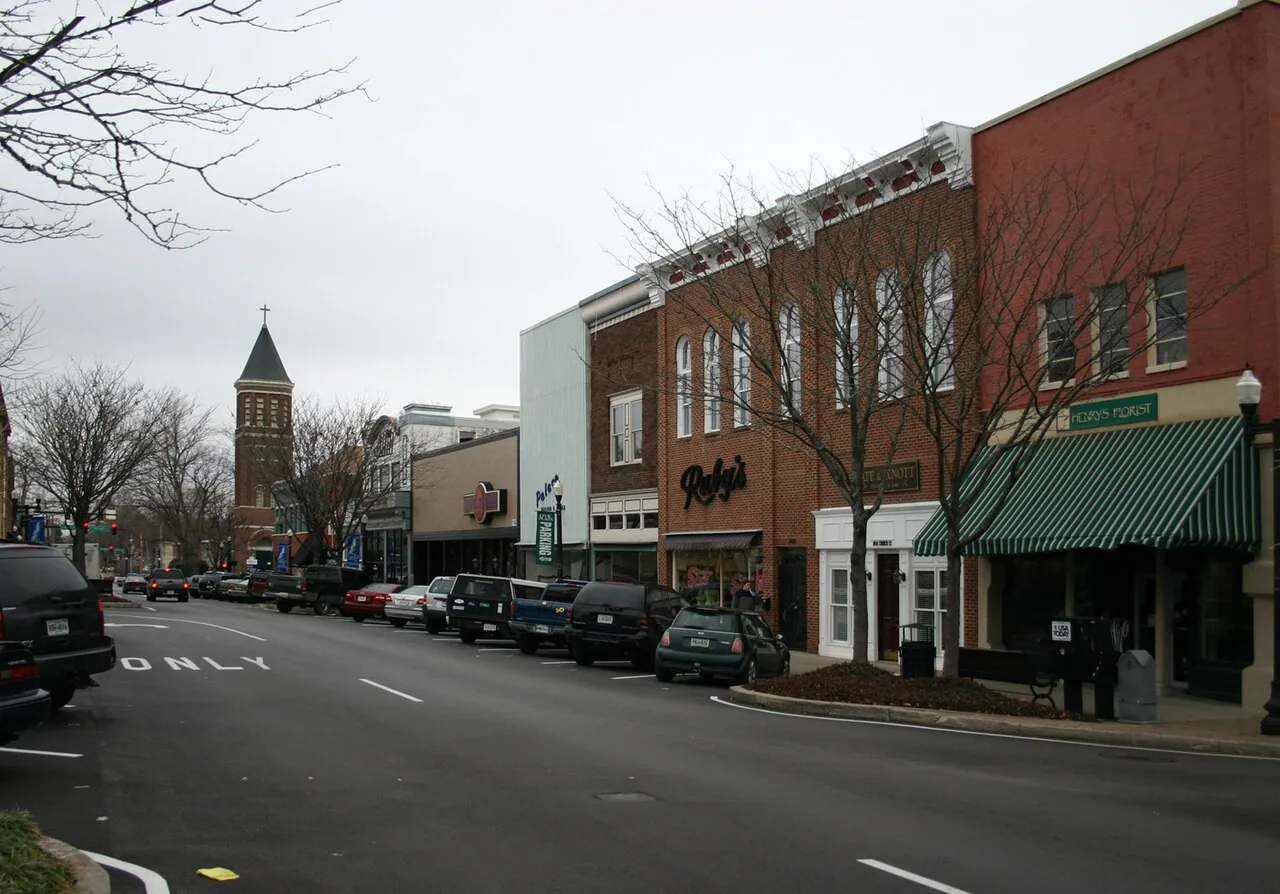
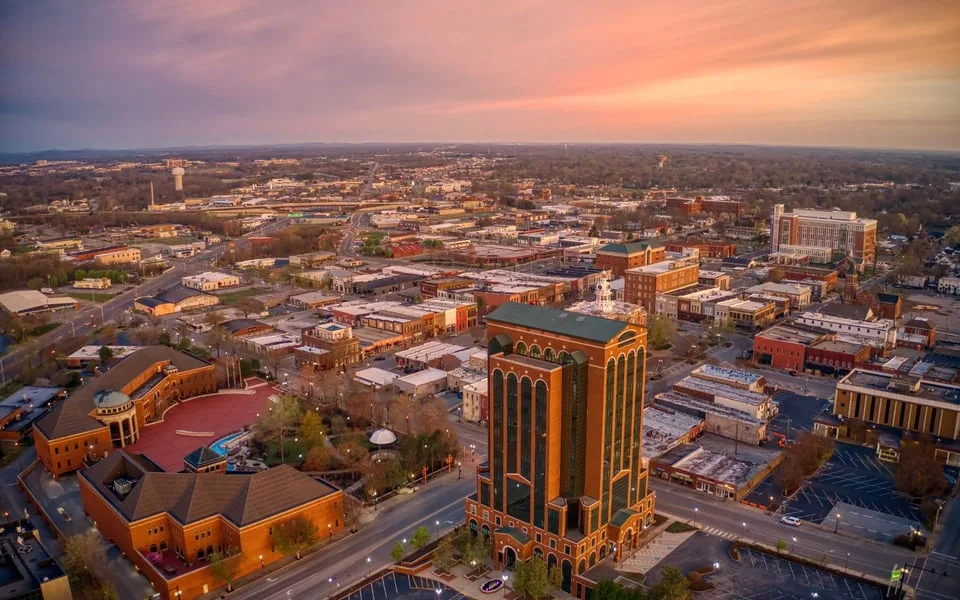
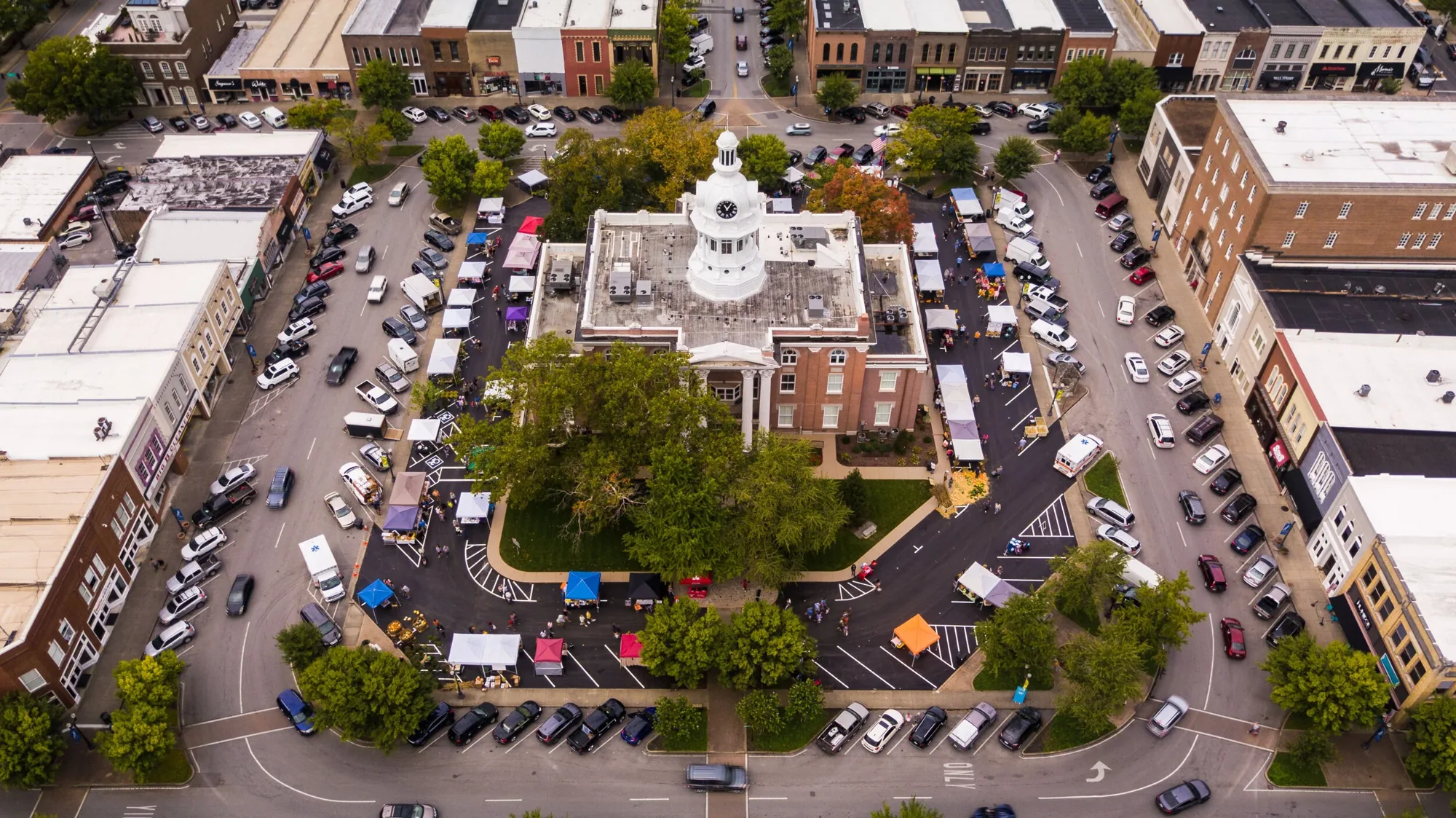
North Highland is a downtown Murfreesboro district where roof work has to fit the building below it. A commercial space beside a residence, civic use, or open area can require a different access plan from a standalone shop. We begin with the roof section, the people who use the building, and the route the crew can safely take. That gives the owner a scope tied to the property instead of a guess based on the neighborhood name.
North Highland Avenue sits among North Church, North Maple, North Spring, and North Academy streets. Those names help orient a service visit, but they do not tell us what membrane is installed or where a leak entered. We verify the assembly, transitions, drains, and prior repairs on site. If more than one building is involved, we keep its roof record and work limits separate.
Start With Occupancy and Access
Before a crew climbs, we ask which rooms, entries, or exterior paths must remain available during the shift. The property contact identifies the person who can open a roof hatch, authorize an interior inspection, and approve any temporary closure. We mark the roof section that can be reached from the approved ladder or hatch. An addition, canopy, or lower roof may have a different assembly and should not be folded into the main roof count without inspection.
When several uses share a block, a clear work boundary prevents loose material or equipment from drifting into someone else's route. We identify the staging point, debris path, lift location, and a protected entrance before ordering work. A phased occupied-building reroof can separate active sections when the roof layout and safety conditions allow it. A commercial roof inspection establishes the existing conditions before a repair plan is priced.
Trace the Leak Before Opening the Roof
A ceiling mark is a report point, not a confirmed entry point. We compare its location with seams, wall terminations, curbs, skylights, and drains above it. Water can travel along a deck or insulation layer before it shows indoors. Our records separate what the occupant reported from the detail the crew actually saw. If the path is concealed, we identify whether a controlled opening or moisture survey would answer the question before cutting.
For North Highland's mix of commercial, residential, civic, and open-space uses, roof access can vary block by block. We confirm which hatch, ladder point, or equipment path belongs to the building under project and record any separate low roof or canopy. If a report concerns water, the crew checks edge and drain details near the affected room rather than assuming a neighborhood-wide condition. We look at outlet height, overflow paths, membrane seams, and any depressed area on the actual section. If the drain body has failed, a drain and scupper repair can be scoped apart from membrane work.
Check the Transitions That Commonly Hide Work
Most repair decisions turn on the condition at an edge or penetration, not the broad roof field alone. We inspect wall flashing, metal laps, expansion joints, equipment curbs, skylight frames, and the sealant line at each termination. A patch over a loose edge may hold briefly while leaving the movement or attachment problem in place. The written records identify the observed failure, the test performed, and any area that remained inaccessible.
Where a roof meets a lower canopy or an older addition, water may follow a transition that is difficult to see from inside. We photograph the tie-in, check that water can move toward the intended outlet, and record any buried or covered detail that limits confidence. A roof condition report can map these observations by section so a facility manager can compare the repair boundary with future maintenance work.
Protect the Block While Work Is Underway
North Highland is not one roof with one entrance; each owner controls the doors, loading path, and equipment serving that property. We confirm those details before a material delivery and keep pedestrians outside the drop zone. If a lift is needed, the owner confirms where it may stand and whether a route must be temporarily redirected. The crew records the agreed daily limit for removal and dry-in, then leaves the opening protected at shift end.
A neighboring roof may need its own inspection and separate approval. The property contact can send us from North Highland toward downtown Murfreesboro or Thompson Lane, but nearby addresses do not share one condition report. For a particular building, we document its access, roof edges, occupied areas, and owner restrictions before assigning a crew.
Compare Repair, Recover, and Replacement
A localized repair can make sense when a seam, flashing, or penetration has failed and the nearby assembly remains stable. A recover may be possible when the existing roof is dry, secure, and has enough height at drains and curbs for another layer. Replacement becomes more likely when moisture is widespread, attachment is weak, or the deck needs inspection. We do not recommend a larger scope from a stain alone; the field findings and any test results should support it.
The estimate should compare the same roof limits for each option. We list removal, disposal, insulation, metal edges, temporary protection, and equipment moves separately where they change price or schedule. A recover review and replacement scope should state what is included, what remains, and how concealed conditions are handled. The owner can then weigh near-term repair against a more complete project without comparing mismatched quantities.
Keep a Usable Roof Record
After the work, we return dated photographs, materials installed, repair limits, and any area the crew could not reach. Each record should point to a roof section rather than a broad district. If a test reveals wet insulation beyond the approved boundary, we stop at a protected edge and ask for direction before expanding the scope. That keeps an unforeseen condition visible in the record and gives the owner a chance to approve the added work.
For a multi-tenant property, a short closeout record can tell the next manager which access point was used and what maintenance check is due. We can distinguish a temporary water-control measure from a permanent repair and identify any follow-up inspection. The record is most useful when it includes a roof sketch, photographs from consistent viewpoints, and a clear list of exclusions. It becomes a practical handoff rather than a generic statement that the roof was serviced.
Set the Scope Around the Actual Building
North Church, North Maple, North Spring, and North Academy provide useful orientation around North Highland, while the building itself determines the work plan. We verify who can grant access, which areas must stay open, and where materials can be handled. Then we mark the observed defect, the repair boundary, and the conditions that would change the price. If the roof system or deck is uncertain, we say what additional inspection is needed instead of promising a result the site has not confirmed.
Send the roof plan, leak locations, current access window, and any recent repair records. We will inspect the permitted sections, photograph the relevant details, and return an itemized scope for that property. The proposed sequence can account for occupied spaces and safe daily dry-in. If adjacent buildings need attention, each receives its own findings and approval before work begins.
Commercial Roofing Questions
Can a North Highland roof project keep the building open?
Often the work can be divided into protected sections, but access, weather, roof condition, and entrance use determine the sequence. We agree on barriers and daily dry-in limits with the owner first.
Does a ceiling stain show where water entered?
Not by itself. We trace the area above the stain and check seams, curbs, walls, and drains before defining a repair boundary.
What should be ready before a roof inspection?
Provide a roof plan, access contact, leak reports, and recent repair records. We will confirm which sections can be reached and record any area that requires separate approval.
When should an owner compare replacement with repair?
Recurring failures, wet insulation, weak attachment, or deck concerns can justify a broader review. The decision should follow documented findings and comparable scope limits.
Will nearby North Church buildings share one proposal?
Only if the owner requests a coordinated program. Each building still needs its own roof condition, access records, quantities, and work authorization.
Related Roofing Work
More commercial roofing work connected to North Highland in Murfreesboro.
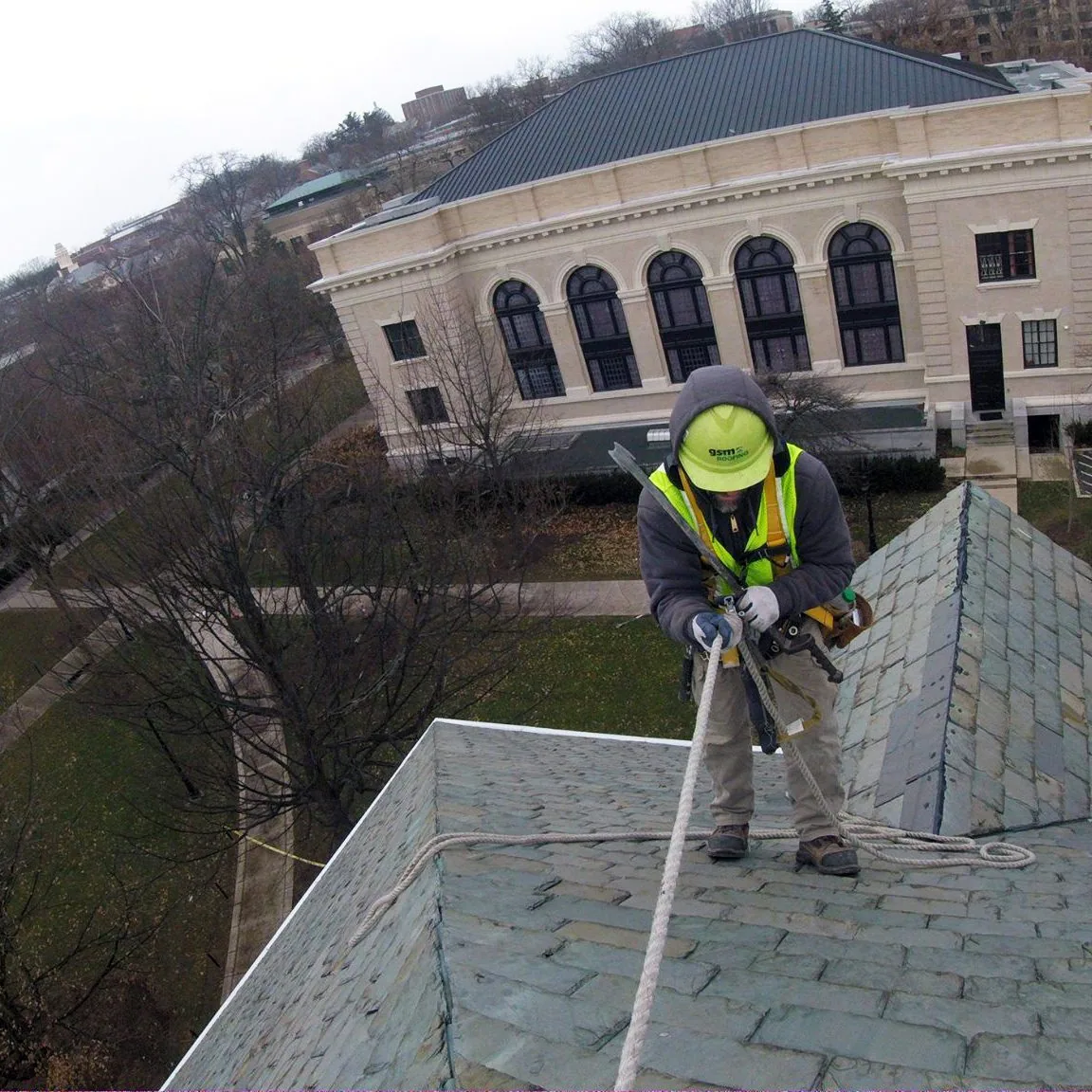

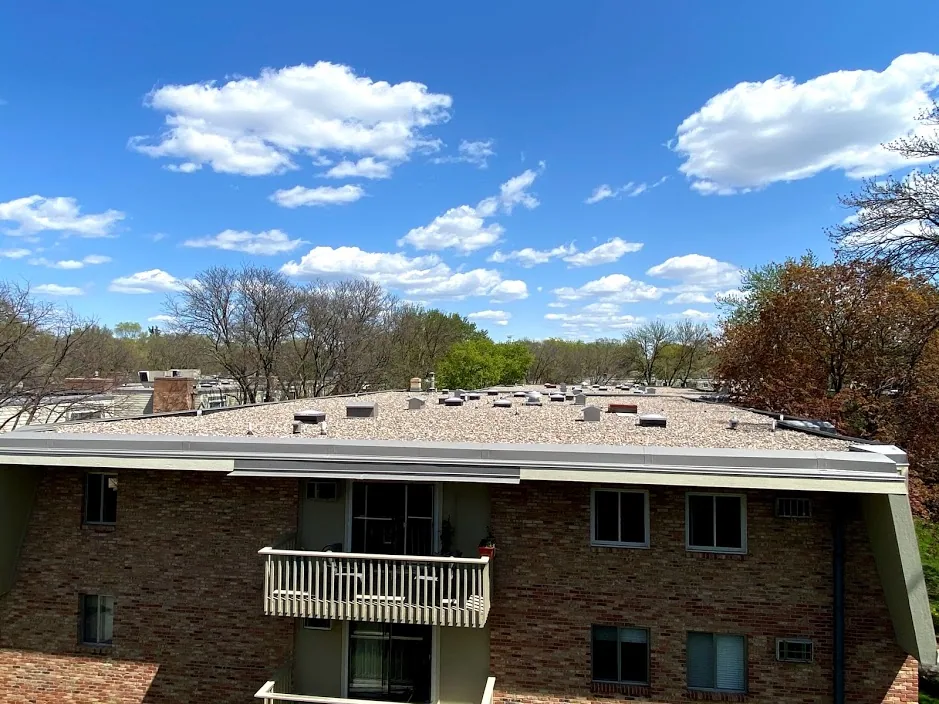

Schedule a North Highland Roof Walk
Send the roof plan, reported leak locations, access contact, and operating window. We will inspect the approved sections and return a building-specific repair or replacement scope.