Commercial Roof Inspection in Murfreesboro, TN
Get a hands-on commercial roof inspection in Murfreesboro. We check drainage, seams, edges, penetrations, and deck concerns, then document next steps.
Commercial Roof Inspection
A roof inspection starts at the hatch with the building’s use and the reason for the visit. A property manager may need a condition baseline before budgeting, while a facility lead may need to trace recurring water at one roof section. We walk the membrane, metal, drains, curbs, seams, and perimeter, then photograph findings against a roof plan. The report separates active defects from wear to monitor, so the next repair or capital decision has a defined boundary.
Walk the Roof in Sections
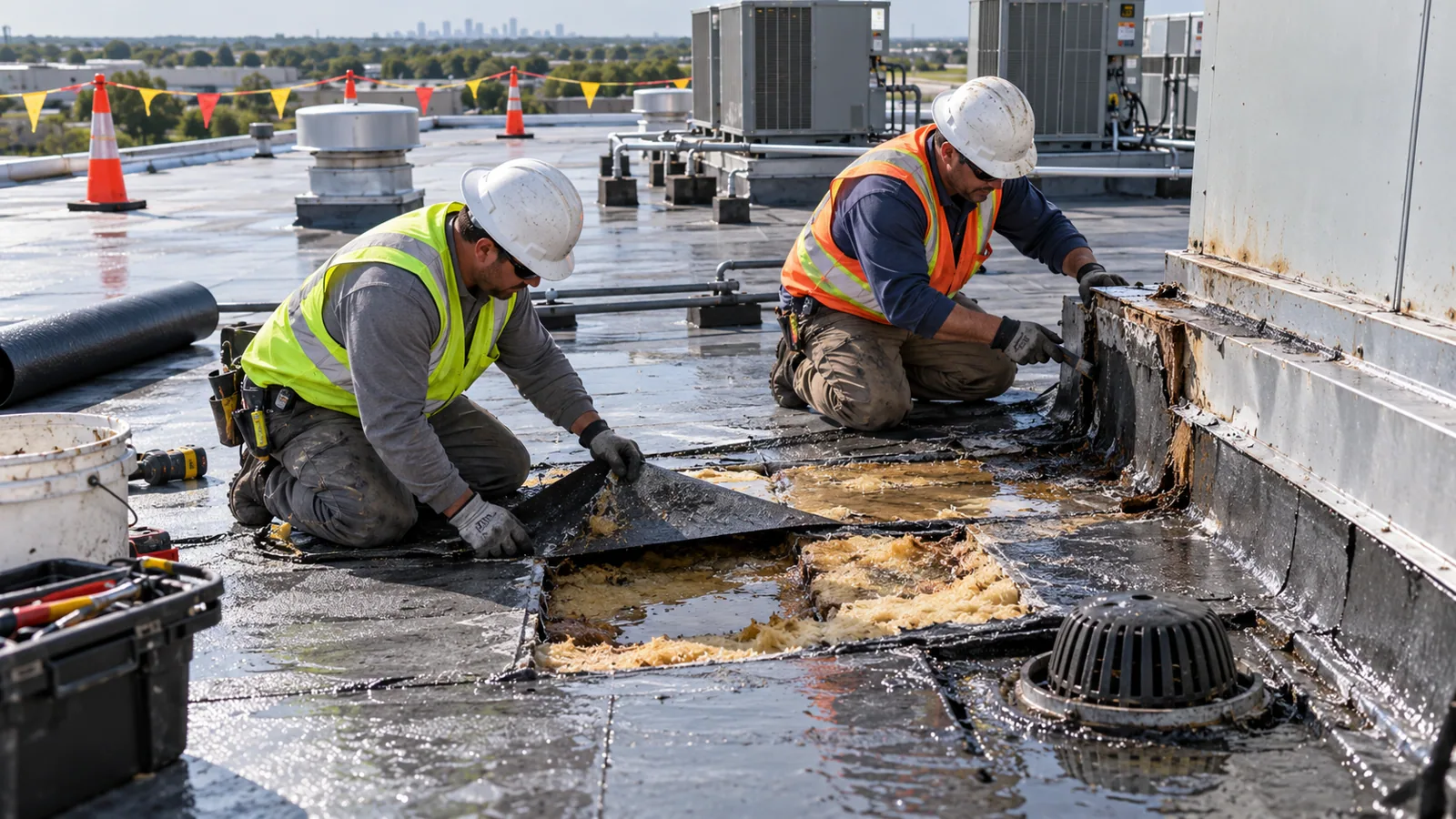
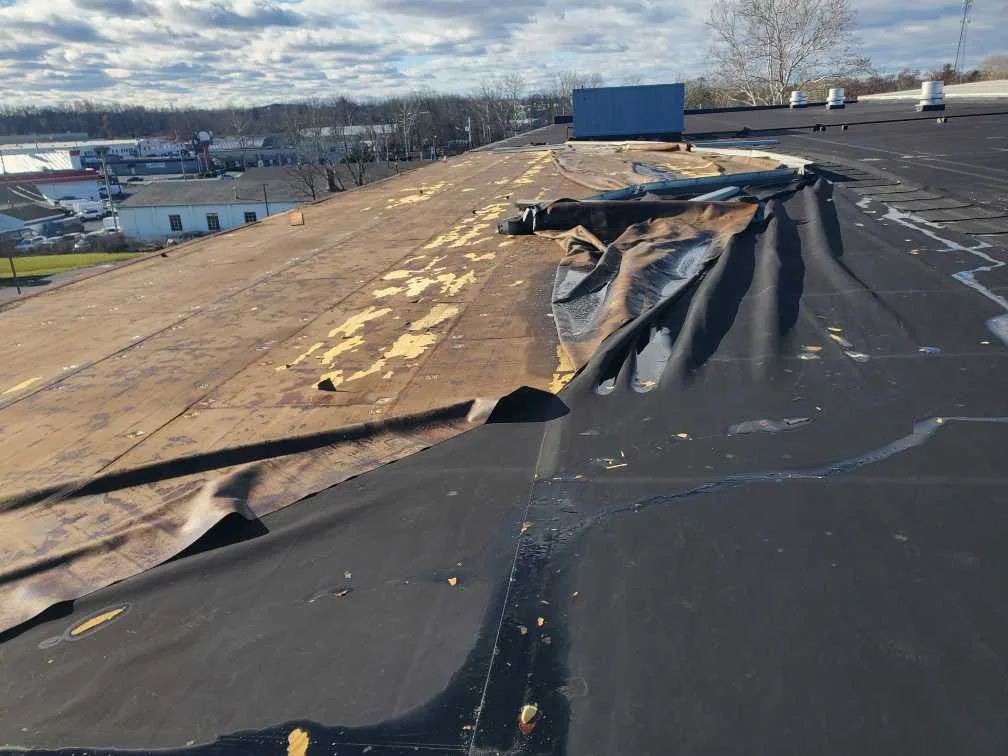
We divide the roof into identifiable sections and follow each drainage path toward its outlets. The walk includes field seams, penetrations, roof edges, walls, expansion joints, equipment curbs, and any earlier repairs. We record soft or uneven areas, open laps, loose metal, exposed fasteners, and debris at drains. A visual walk tells us what is visible; test cuts, core samples, or specialized surveys may be needed to check concealed moisture or deck condition.
Murfreesboro’s adopted land-use plan describes office and business-park settings as well as industrial and distribution uses. Those categories suggest different access and operating needs, but they do not establish what is installed at a particular property. We ask how the space below is used and which equipment cannot be interrupted, then set roof access accordingly. A Medical Center Parkway office roof may need a quiet access window, while Blackman-area properties may require a different truck and hatch route based on the site layout.
Separate Defects from Normal Wear
Not every scuff or patch calls for immediate work. We compare the surface to the membrane type, seam construction, drainage, and prior repair history. A patched cut that remains bonded may be monitored; a seam that has opened beside a wet insulation area needs a defined repair. The report states what we could see and how the finding changes the roof decision. If access was restricted or equipment concealed a detail, that limit is recorded rather than treated as a clean inspection.
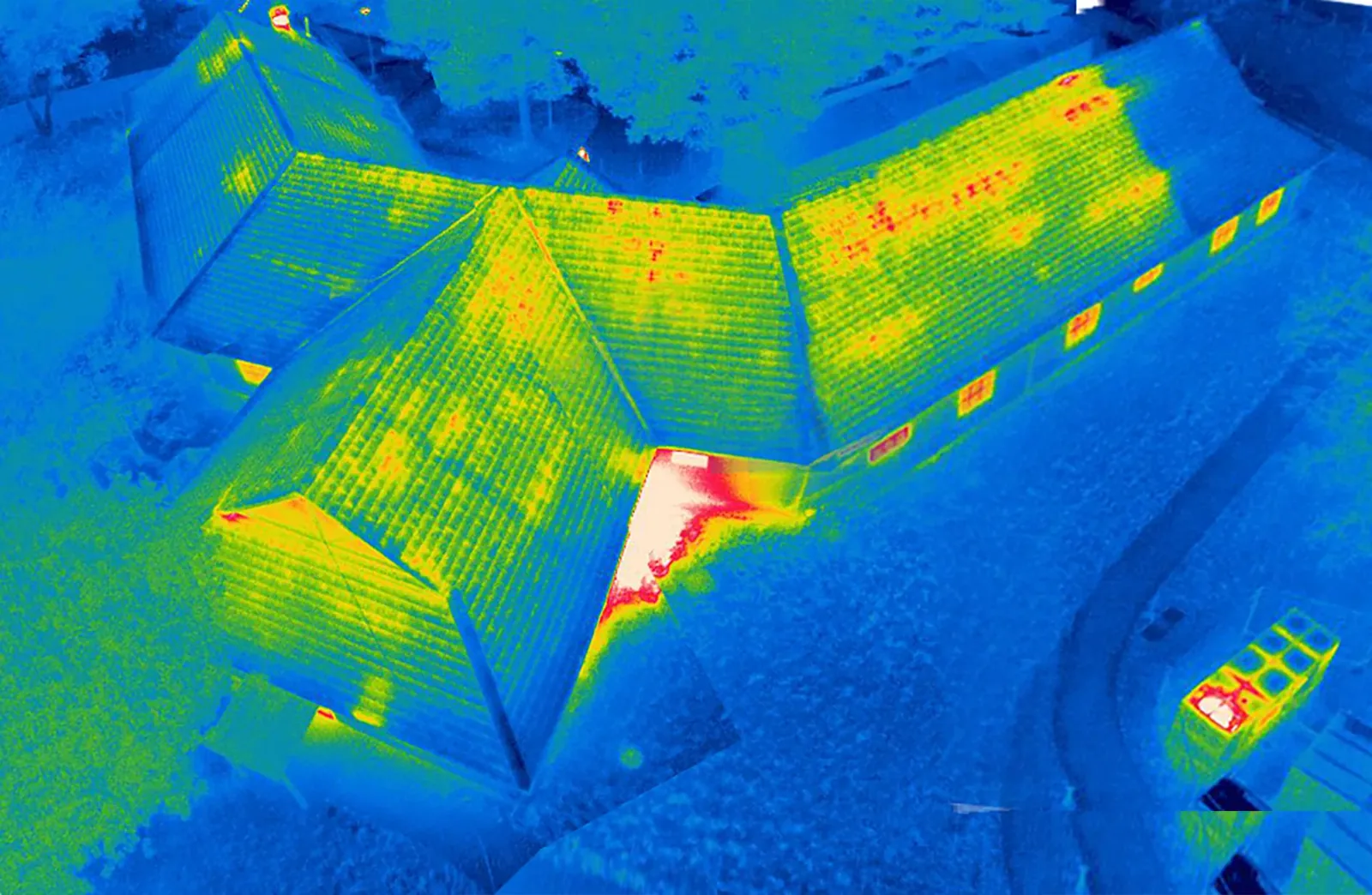
When a ceiling stain is the reason for the visit, we compare the interior location with roof slope, drains, curbs, and penetrations. Water may travel before it reaches the room. A leak investigation can follow the entry point, while infrared moisture work may help prioritize test locations on a broad roof. The scan is a clue, not a moisture verdict. We confirm suspect areas with a core or cut before an owner commits to removing wet insulation or approving a recover.
Check Drainage and Exposure
Drainage checks begin with outlet condition and the water path leading to each drain or scupper. We look for blocked strainers, displaced rings, ponding, low areas, and failed overflow routes. At walls and edges, we inspect coping joints, termination bars, fascia, and exposed fasteners. Around curbs, we check flashing height, corners, pitch pockets, and the movement between the curb and roof. Murfreesboro’s NOAA normals show substantial annual rainfall and frequent freezing nights, making water movement and freeze exposure practical inspection items.
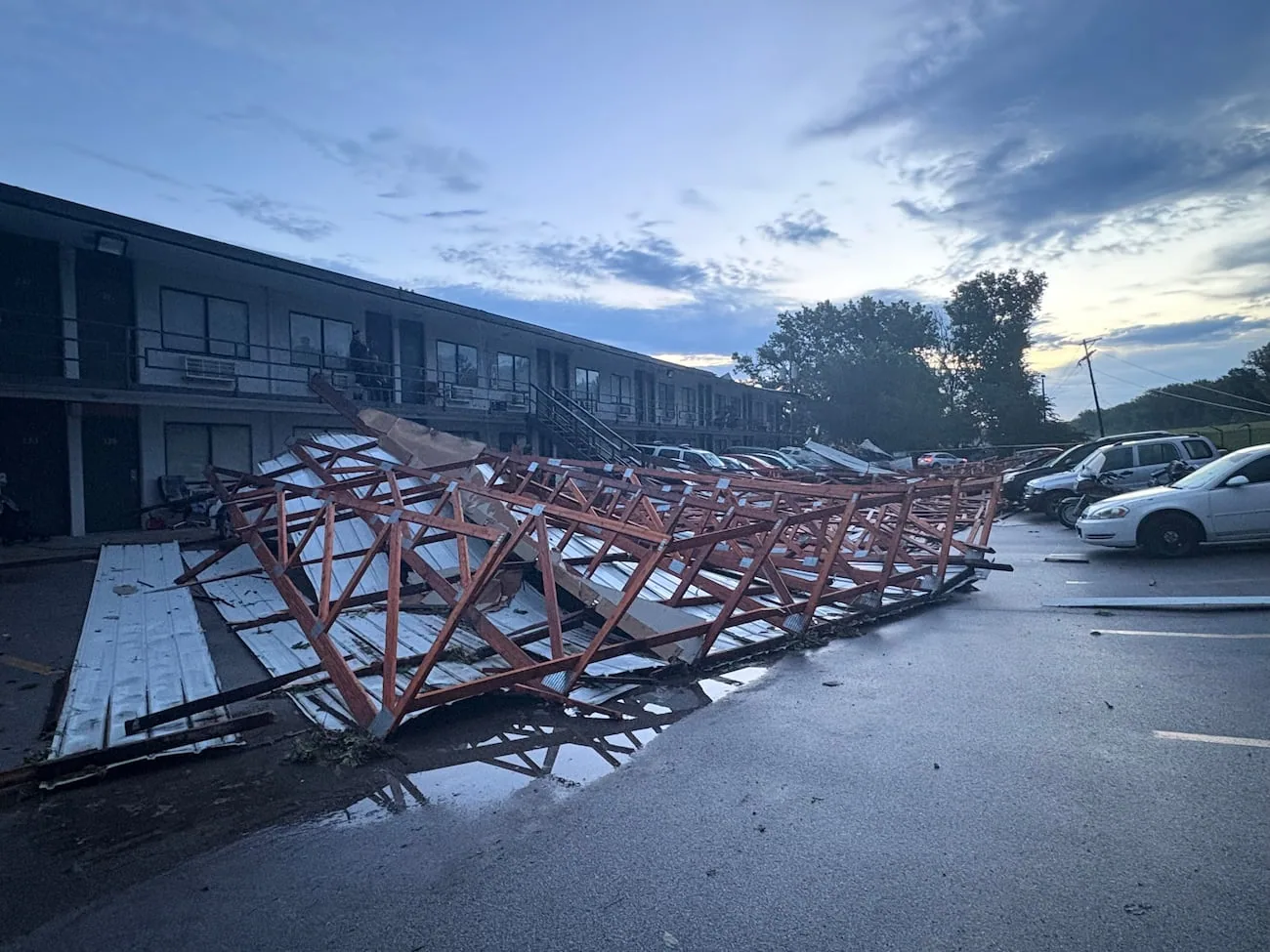
Weather history can guide what to inspect after a storm, but it cannot diagnose one roof. The National Weather Service documented hail near Murfreesboro in 2024 and a tornado crossing the city that summer. We look for fresh impact marks, lifted seams, loose coping, or displaced rooftop components, then compare those observations with the property’s earlier condition record. The hail damage review and wind detail check focus on the actual surface and perimeter findings.
Build a Useful Condition Record
A useful report names the roof section, location, visible condition, and next action. We include dated photos, record whether the item is repair-now or monitor, and mark access limits or testing that remains. For a portfolio, we can keep the same roof labels across later inspections so a manager can compare the trend without mixing a drain issue on one building with a seam concern on another. A photo condition report gives facilities and asset teams a shared reference for approvals and work orders.
We also record when maintenance or another trade should return. A blocked drain may need cleaning; a loose curb may require coordination with mechanical work; a wet test area may need removal before a replacement decision. We link findings to practical options such as defined roof repairs, a maintenance schedule, or a replacement plan when multiple sections have reached their limit. The goal is a decision record, not a list of roof features without an owner action.
Set the Next Inspection Trigger
Inspection timing follows what the walk finds. A roof with open seams, active leaks, or ponding needs a quicker repair or recheck than an assembly with stable details and no moisture indicators. After the work, we can return to the same marked areas and compare photos, water paths, and patch boundaries. If weather changes the roof, the next visit can focus on edges and penetrations exposed to wind or hail rather than repeating every observation without purpose.
Along Old Fort Parkway and the wider arterial network, delivery timing may affect where inspection vehicles can stage; the property contact sets the safe access route. We coordinate hatch keys, fall protection requirements, equipment restrictions, and interior escort needs before arrival. A roof inspection near Old Fort Parkway should use that building’s access plan, not a general assumption about corridor traffic. The owner receives findings and the agreed next check in writing. We identify which roof section the record concerns and attach the relevant photo, so a work order can be assigned without another walk to locate the issue. If a repair is authorized, we can return to the same mark and photograph the finished boundary for comparison.
For a buyer or asset manager, the report can also separate near-term work from conditions that affect a later capital plan. A roof with isolated flashing repairs does not have the same scope as multiple wet sections and a deck concern. We list each condition with the evidence supporting it, the action needed, and any access or testing still required. That gives the review team a basis for sequencing repairs without treating every roof record as an immediate replacement.
Commercial Roofing Questions
Does a roof inspection include a moisture test?
The hands-on walk checks visible conditions. We add test cuts, cores, or infrared work when the roof history and surface findings call for them. Each method is identified in the report so a visual observation is not mistaken for a concealed-moisture result.
Can an inspection tell us whether to repair or replace?
It can define the condition behind that choice. We map defects, moisture findings, deck concerns, and the areas that remain serviceable, then compare a repair boundary with broader replacement work.
Will the report show where each issue is?
Yes. We label roof sections and attach dated photos to the location and next action. If access or equipment prevented a view, that limit stays visible in the record.
Can you inspect an occupied office without disrupting tenants?
We coordinate roof access, lift placement, noisy work, and any interior escort with the facility contact. A standard inspection can often stay above the occupied space, but a leak test or interior check may need a separate window.
What should we do after hail or a tornado warning?
Arrange a roof walk when access is safe. We check seams, edges, penetrations, rooftop equipment, and the interior report, then compare the findings with prior photos before recommending repair.
Related Roofing Work
More commercial roofing work connected to Commercial Roof Inspection in Murfreesboro.

Set a Roof Walk and Record
Choose an access window and share the building use, leak history, or upcoming budget decision. We will inspect the roof by section, photograph findings, and return a written list of repairs, monitoring items, and next checks.