Warehouse Roofing in Murfreesboro, TN
We inspect warehouse roofs in Murfreesboro, trace leaks, seams, drains, and curbs, then scope repair or replacement around dock access and loading windows.
Warehouse Roofing
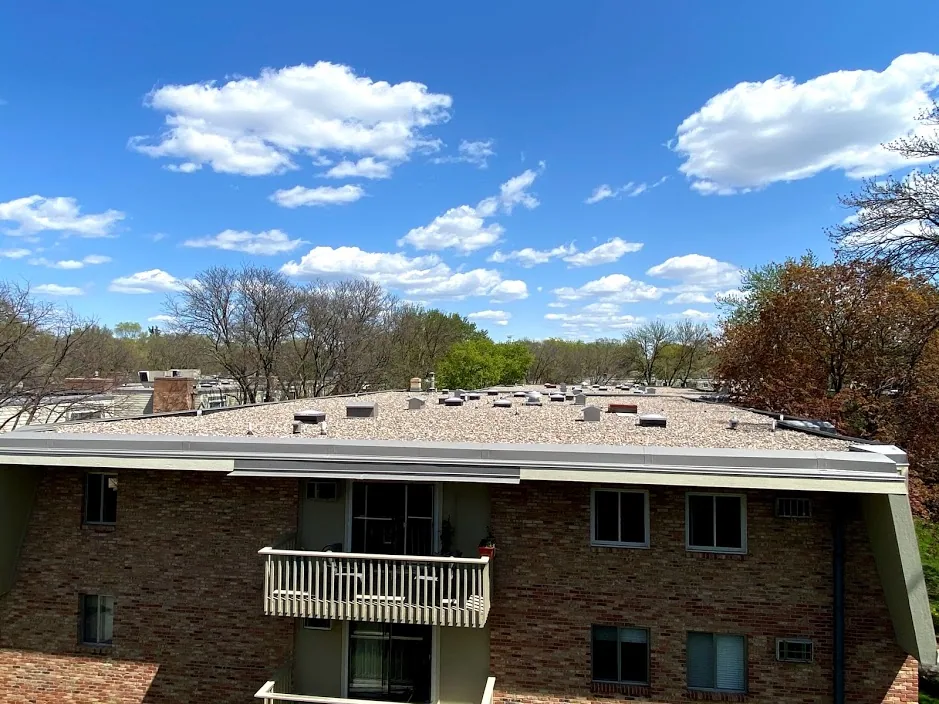
A warehouse roof has to stay out of the loading plan. In Murfreesboro, TN, we map each roof section against the docks, yard circulation, equipment, and active shifts before lifting material or opening a seam. A leak over stored goods needs quick protection, but the lasting repair still depends on membrane condition, wet insulation, deck strength, and the route water took to reach the interior. We mark those findings rather than treating one ceiling stain as the repair boundary.
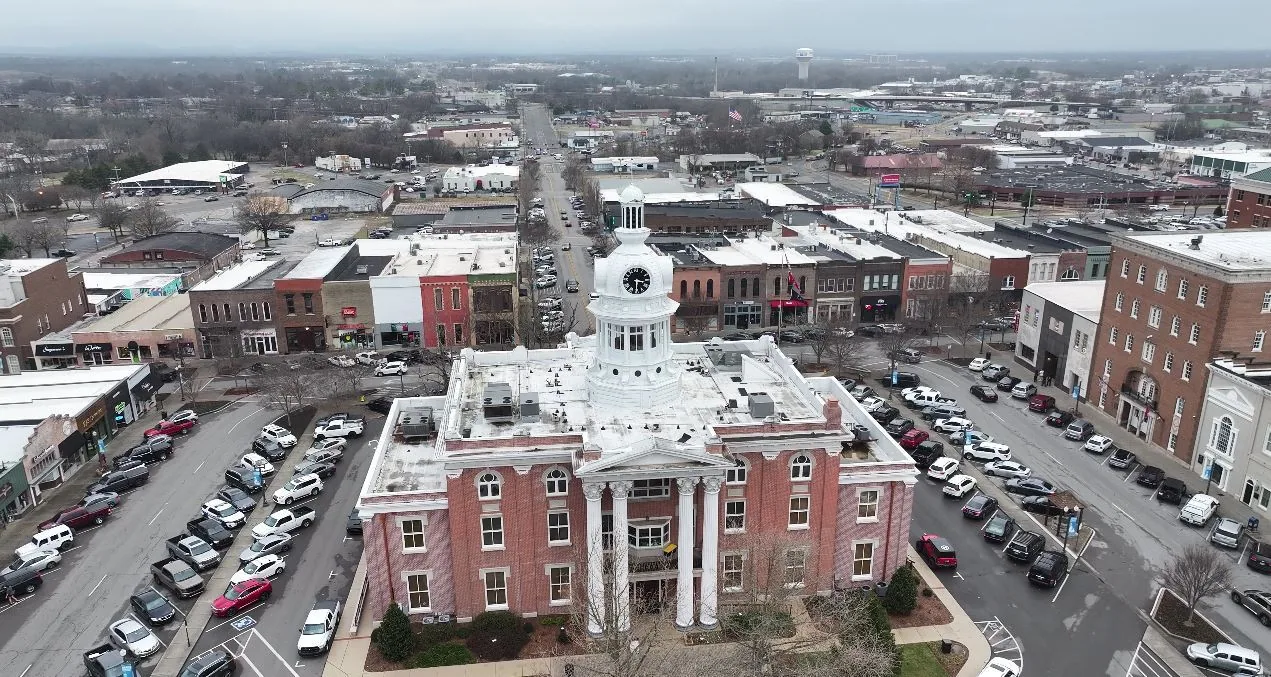
Murfreesboro industrial areas include warehousing, distribution, shipping, manufacturing, and food production, with loading and storage activity at some sites. That mix does not describe any one roof. On the property, we verify the assembly, locate drains and curbs, then agree on a work zone the facility can release. A repair may stay local; repeated wet areas or weak attachment may call for a broader section review.
Read the Roof Under the Dock Plan
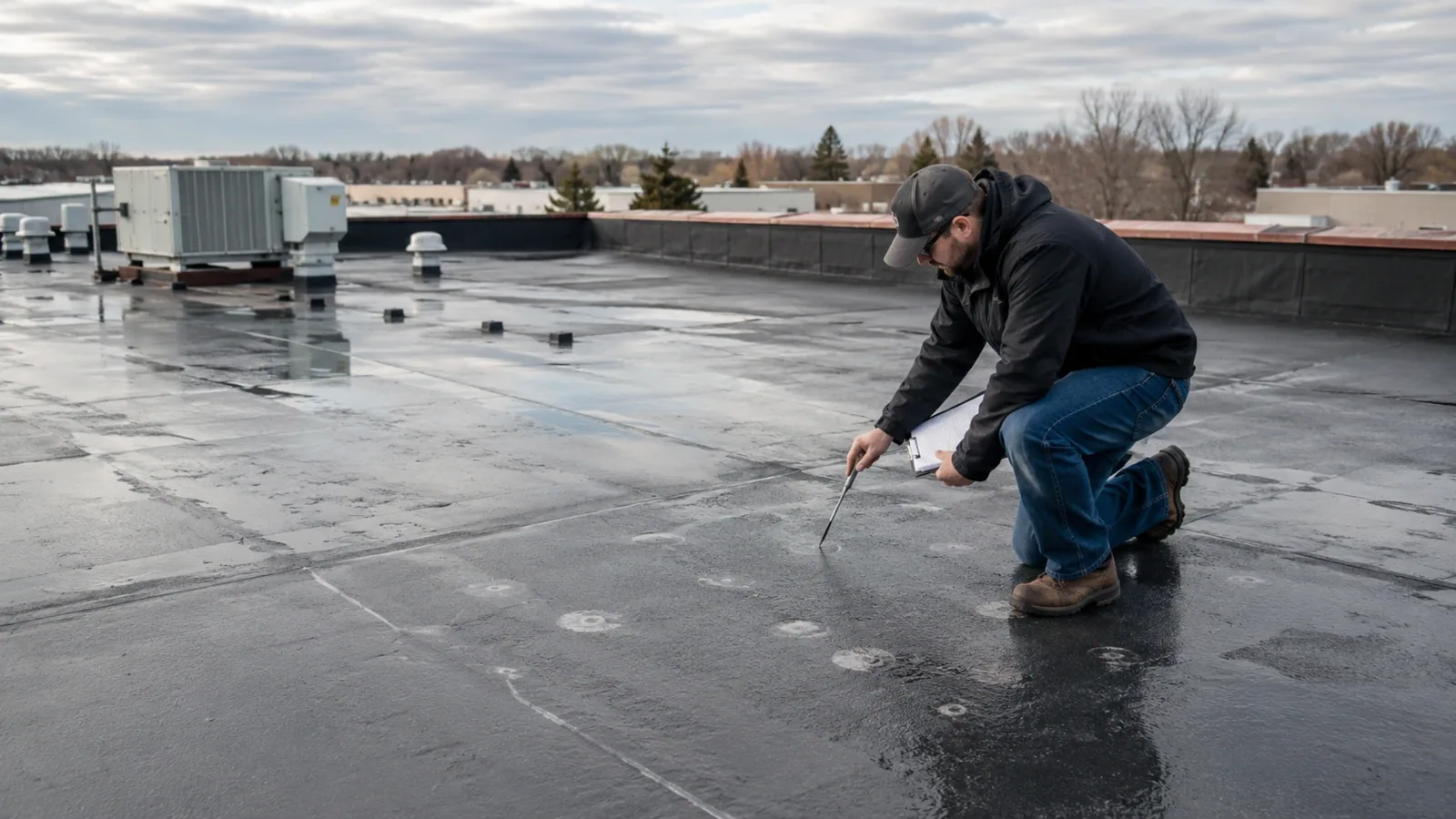
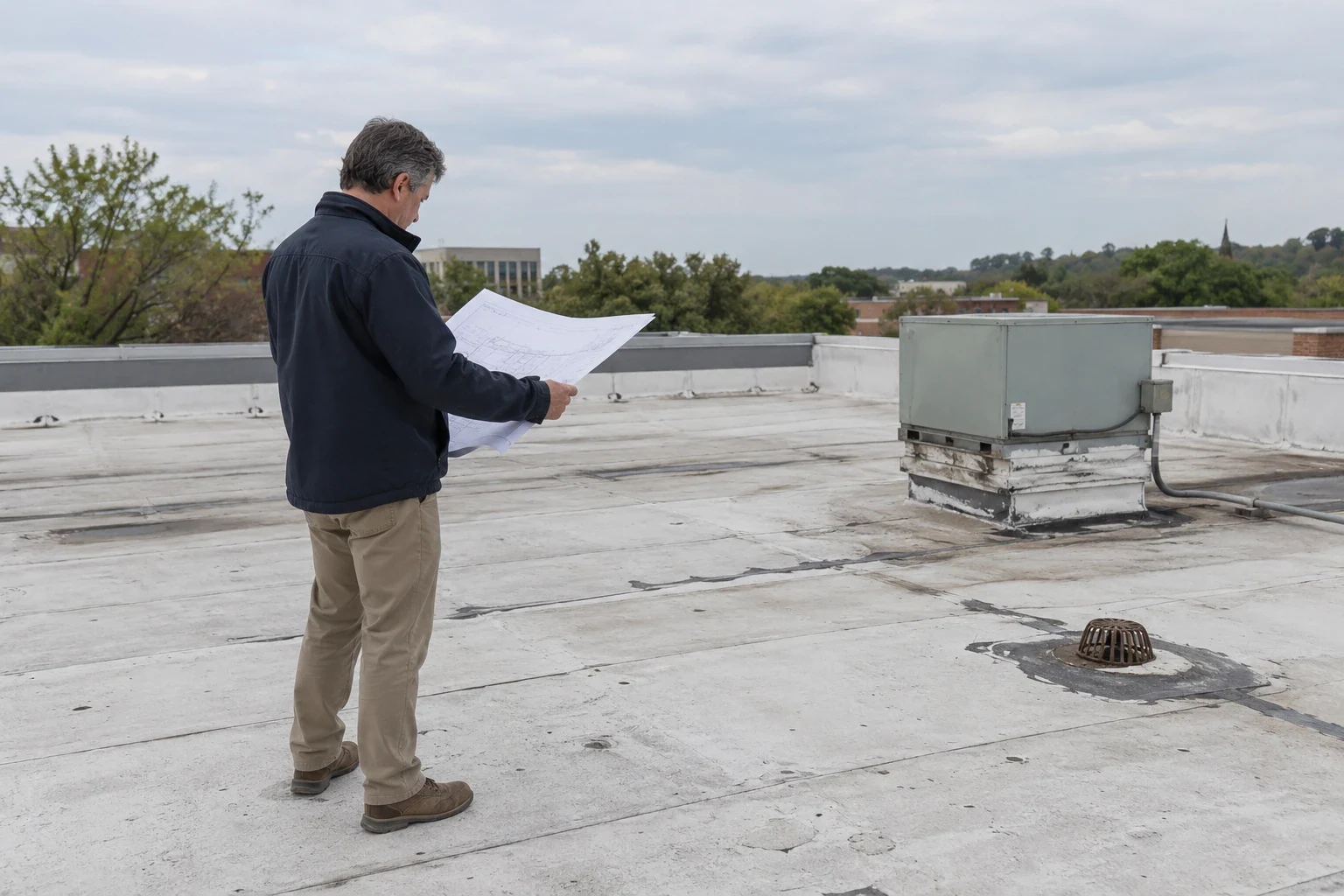
Start with the roof plan, hatch, and interior report. We locate the affected bay, then follow the drainage path toward nearby seams, wall transitions, equipment supports, and outlets. A warehouse can have long, unobstructed roof runs, but the deck, insulation, and membrane still change across additions and earlier repairs. We record the visible assembly and any test opening separately, so a floor-plan label does not become an assumption about the roof above it.
Work near Old Fort Parkway calls for a real delivery check at the property entrance. Trees and traffic signals were damaged on that corridor during the July 2024 wind event; the event does not establish roof damage at a warehouse. After a new leak or displaced edge, we inspect the actual roof section, compare it with prior photos, and keep yard access clear. We inspect the actual roof section, compare it with prior photos, and keep the access route clear for yard traffic.
Match the Repair to the Existing Layers
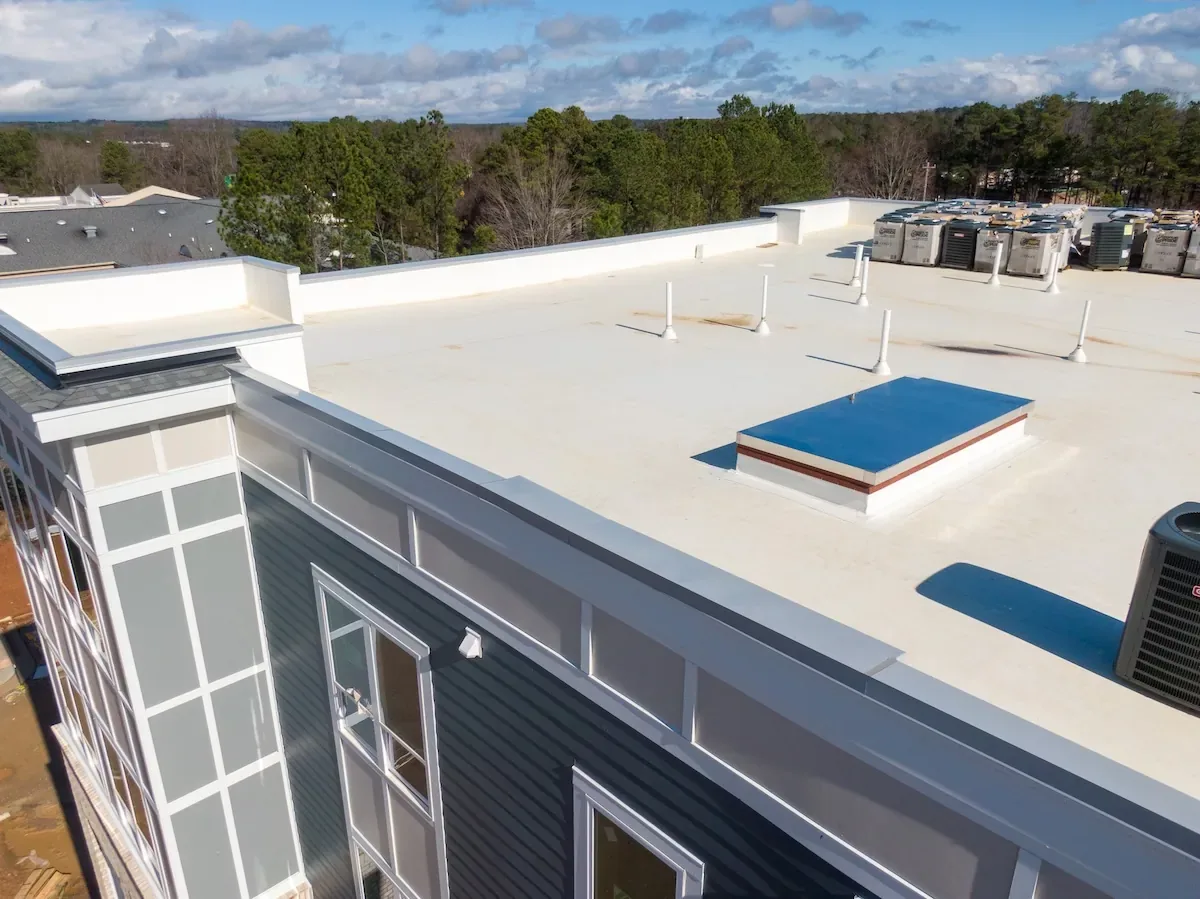
Before a patch goes down, identify whether the field is a heat-welded membrane, adhesive sheet, asphaltic assembly, or metal roof. Welded seams, adhesive laps, exposed fasteners, and coated surfaces need different preparation. We check for dirt, oxidation, loose material, brittle edges, and previous patches that could interfere with a bond. If a repair would bridge an uncertain layer, a test cut or test area can show what stays sound and where removal should stop.
Around Cason Lane, commercial uses sit among residential, school, park, and greenway areas. That setting does not describe a specific warehouse; we confirm roof access and material staging at the property rather than assume an open yard. A compatible TPO repair or EPDM seam correction begins with the membrane actually installed, not a system name taken from an old file.
Keep Water Moving Past the Rack Lines
Warehouse racking can make a slow leak hard to see until product or controls are at risk. We check drains, scuppers, overflow paths, and low points from the roof, then compare them with the reported interior area. A clear strainer does not prove the roof drains freely if the field holds water short of the bowl. We record ponding, displaced rings, loose flashing, and any blockage, then separate a drainage correction from a membrane patch that cannot change the roof slope.
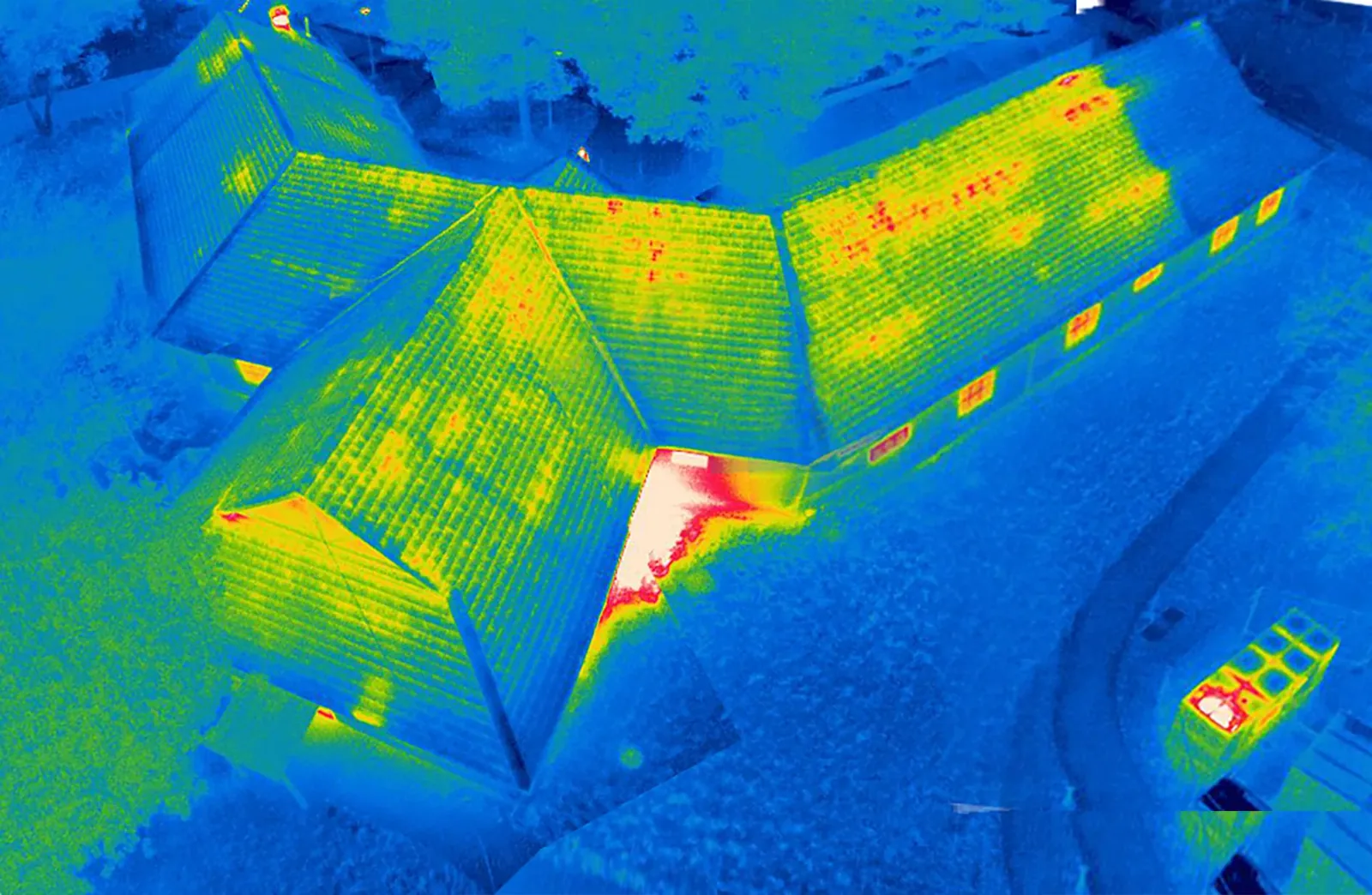
At Murfreesboro 5 N, normal precipitation totals 55.92 inches per year; the station records a measurable amount on 134.5 days. Those figures are climate context only, not an outlet performance test. Those conditions do not show the performance of a particular outlet. They support keeping a clear maintenance record: where water stands, how long it remains, and whether the condition changes after drain work. A drain and scupper scope can define outlet repairs, while a moisture survey can help choose where to verify concealed wet layers.
Stage Work Away from Active Docks
Set the lift location, material drop, roof route, and daily dry-in limit with the facility lead. We divide the work into sections that can be protected before a shift ends. A weather hold may change which area opens first, and a truck or lift cannot sit across a live dock lane without an approved window. Inside, protect inventory and equipment below the work area. Above, keep bundles, tools, and debris away from drains and roof edges.
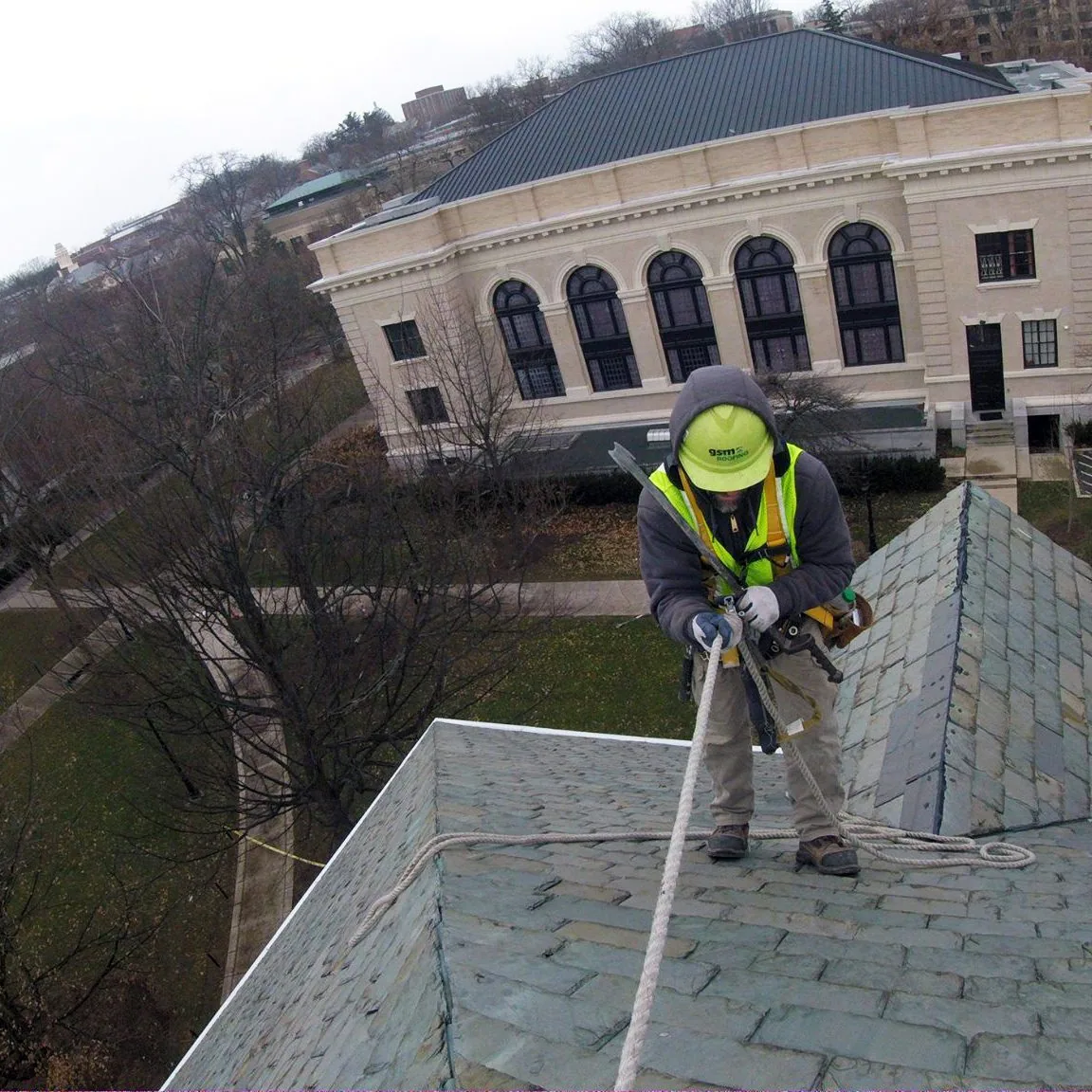
For an occupied warehouse, crews can phase a larger project while operations continue, but the work zone has to remain defined. We identify entrances, fire lanes, loading windows, and roof access points before tear-off. When removal exposes wet insulation or deck damage, we stop at the agreed boundary, photograph the condition, and return a separate scope for review. Occupied-building sequencing helps set those controls. Emergency protection can close an opening that cannot wait for the larger project schedule.
Choose a Repair Limit That Can Be Checked
A local repair makes sense when the surrounding membrane is attached, the insulation is dry, and the deck supports the detail. If seams keep separating across several bays, patches overlap, or moisture appears at multiple test points, a recover or replacement discussion may be more useful than another isolated fix. We show the owner what stays, what comes out, and where the new system ties in. Any unresolved area remains identified as open work, not hidden beneath a new layer.
A planned New Salem Highway widening runs between Old Fort Parkway and Veterans Parkway. Road work can affect delivery timing, but the warehouse's actual gate, carrier schedule, and staging area control the roofing sequence. We confirm these with the property team before ordering lifts or setting a tear-off day. A replacement scope can compare section-by-section removal with a suitable recover, and a capital plan can keep immediate water control separate from a longer roof decision. Industrial buildings can have different dock, yard, and roof layouts; a manufacturing plant roof review addresses those operating conditions separately.
Leave the Next Shift a Roof Record
Closeout should show the roof section, repair edge, finished seams, nearby drains, and any condition that remains for follow-up. We attach dated photos to a marked plan and record the membrane, preparation, material, weather window, and test results. If access prevented a full check, the record identifies the blocked area. That gives the next shift lead and the next roof crew the same reference point, rather than a vague record that a leak was fixed near the loading side.
Send the roof plan, affected bay, leak timing, earlier repair records, and the hours docks can be released. We will inspect the assembly, define a repair boundary, and return a written scope tied to the warehouse's operating window. For a broader property portfolio, a distribution-center roof review can account for sort, staging, and fulfillment needs, while Murfreesboro service coverage includes commercial buildings along the corridor. The work starts with this roof's condition and the access it can safely give us.
Commercial Roofing Questions
Can crews replace a warehouse roof while docks stay open?
Yes, when the roof can be divided into protected work areas and the facility can release a delivery and lift window. We set a daily dry-in limit, keep dock lanes clear, and identify what changes if removal finds wet insulation or a weak deck.
How do you protect stored goods below a repair?
We locate the roof section above the affected bay, agree on interior protection, and keep an opening small enough to close before the shift ends. The work plan names the active zone, temporary protection, and the contact who can isolate equipment or inventory.
When does a warehouse leak need more than a patch?
A repeating seam problem, wet cores in separate bays, or a soft deck points beyond a small repair. We map each condition and show the limit of local work before pricing removal or a recover.
Will a drain cleaning correct standing water?
Only when debris or an obstructed outlet is the cause. We trace the low area to the bowl and overflow, then record whether water still remains after the outlet is clear. Persistent ponding may require a separate slope or insulation correction.
What do you need before scheduling a roof walk?
A plan, leak locations, photos from inside, prior repair records, and a loading window are useful. We confirm roof access and any lift or shutdown restriction with the site lead before setting the inspection route.
Related Roofing Work
More commercial roofing work connected to Warehouse Roofing in Murfreesboro.
Set a Warehouse Roof Walk
Share the affected bay, roof plan, repair history, and dock window. We will trace the water path, check the assembly, and return a scoped repair or replacement recommendation with photos.