Commercial Roof Repair in Murfreesboro, TN
Repair commercial roof seams, flashing, edges, and punctures in Murfreesboro. We trace the condition, define the repair boundary, and document the work.
Commercial Roof Repair
A repair has to reach the failed detail and leave the surrounding assembly intact. On a retail roof near Old Fort Parkway, a loose edge, open seam, or puncture may look like one problem from the lot, but each calls for a different repair. We follow water and movement back to the affected roof section, check how far the defect runs, and mark a boundary that can be inspected after the work. That gives the owner a repair record tied to the actual condition.
Trace the Defect to Its Entry Point
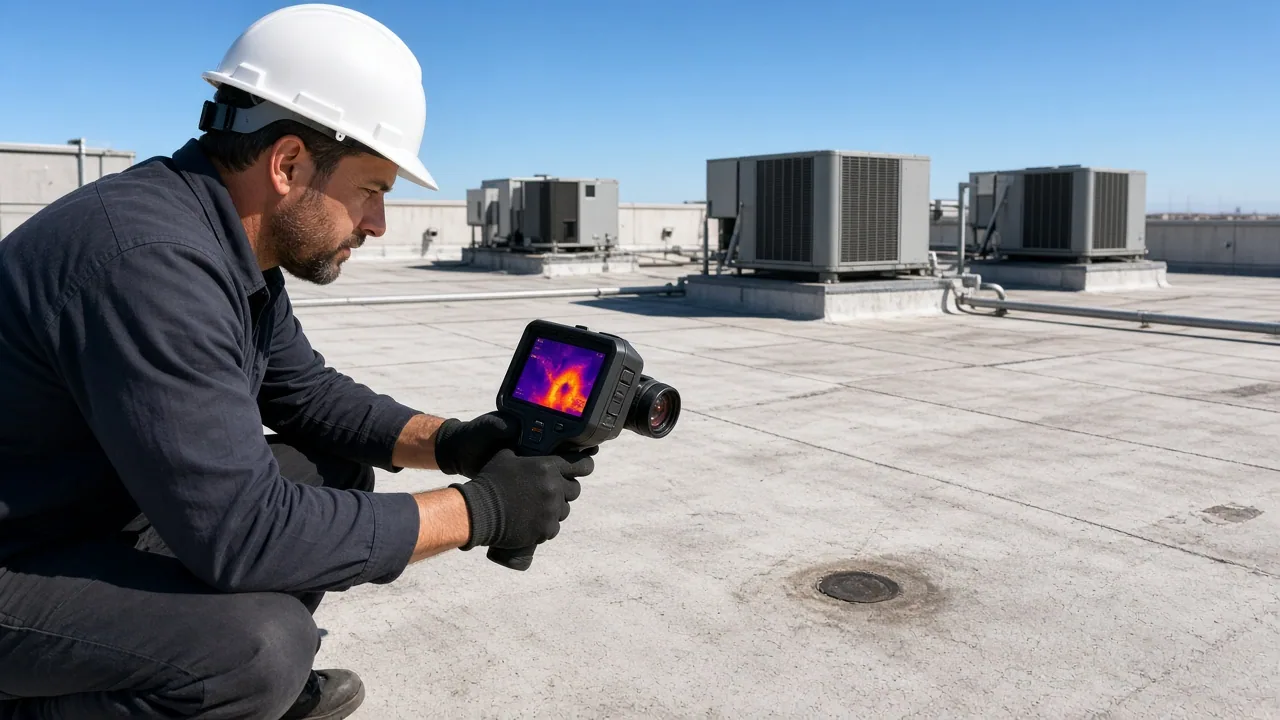
Water can travel beneath a membrane before it shows on a ceiling. We start at the interior report, record weather and timing, then inspect the roof above and nearby transitions. Seams, drains, penetrations, parapet edges, equipment curbs, and previous patches all get checked. A wet area is mapped separately from the spot where water appears inside, because the entry point may sit uphill or beyond the stain. The inspection records what is visible and which areas need a test cut.
Murfreesboro receives regular precipitation and has recorded hail and tornado events. Those facts make a post-storm inspection useful, but the event record does not establish damage at an individual building. We compare the roof to its own repair history and check for fresh displacement, impact marks, torn flashing, or open seams. The leak-tracing work can follow an active interior report, while the broader roof inspection records conditions that may not be leaking yet.
Match the Patch to the Roof System
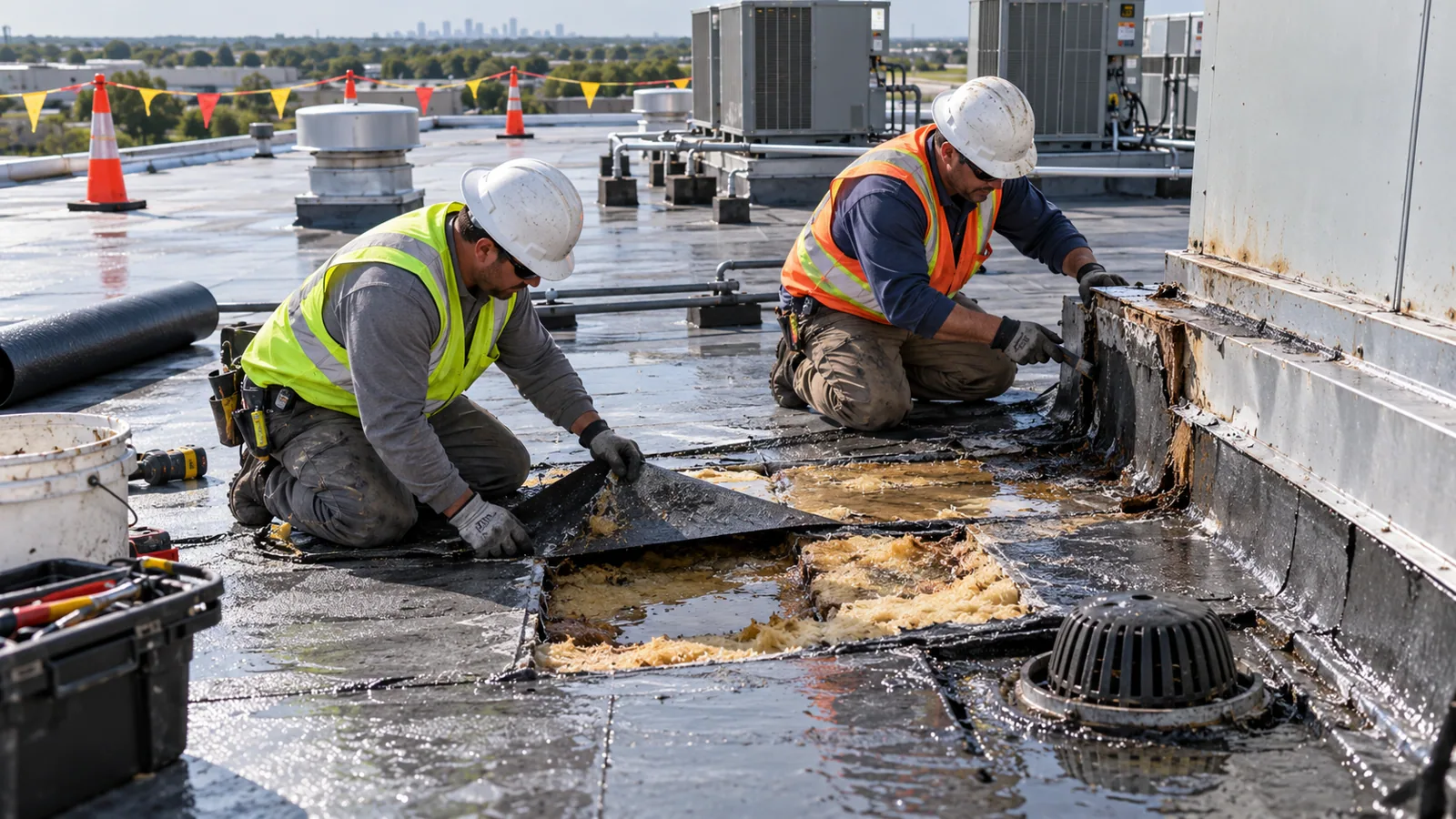
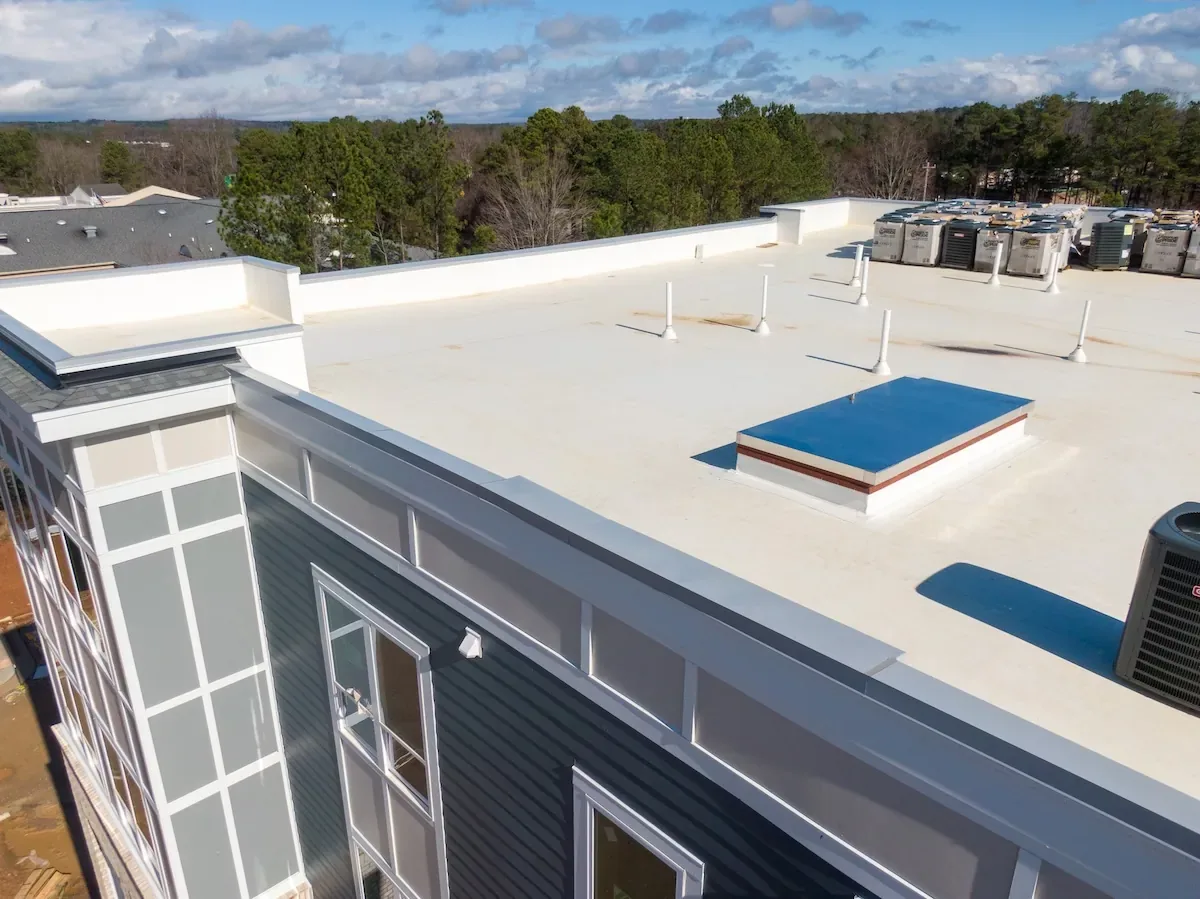
A patch must bond or fasten to a compatible, clean surface. We identify the membrane type, age where known, surface treatment, and condition around the defect before choosing repair material. A loose lap in a single-ply membrane may need cleaning and welding or a compatible cover patch. A metal seam or flashing joint may require a different fastener and seal detail. Coating over dirt, moisture, or loose material can hide the failure for a short time without correcting it.
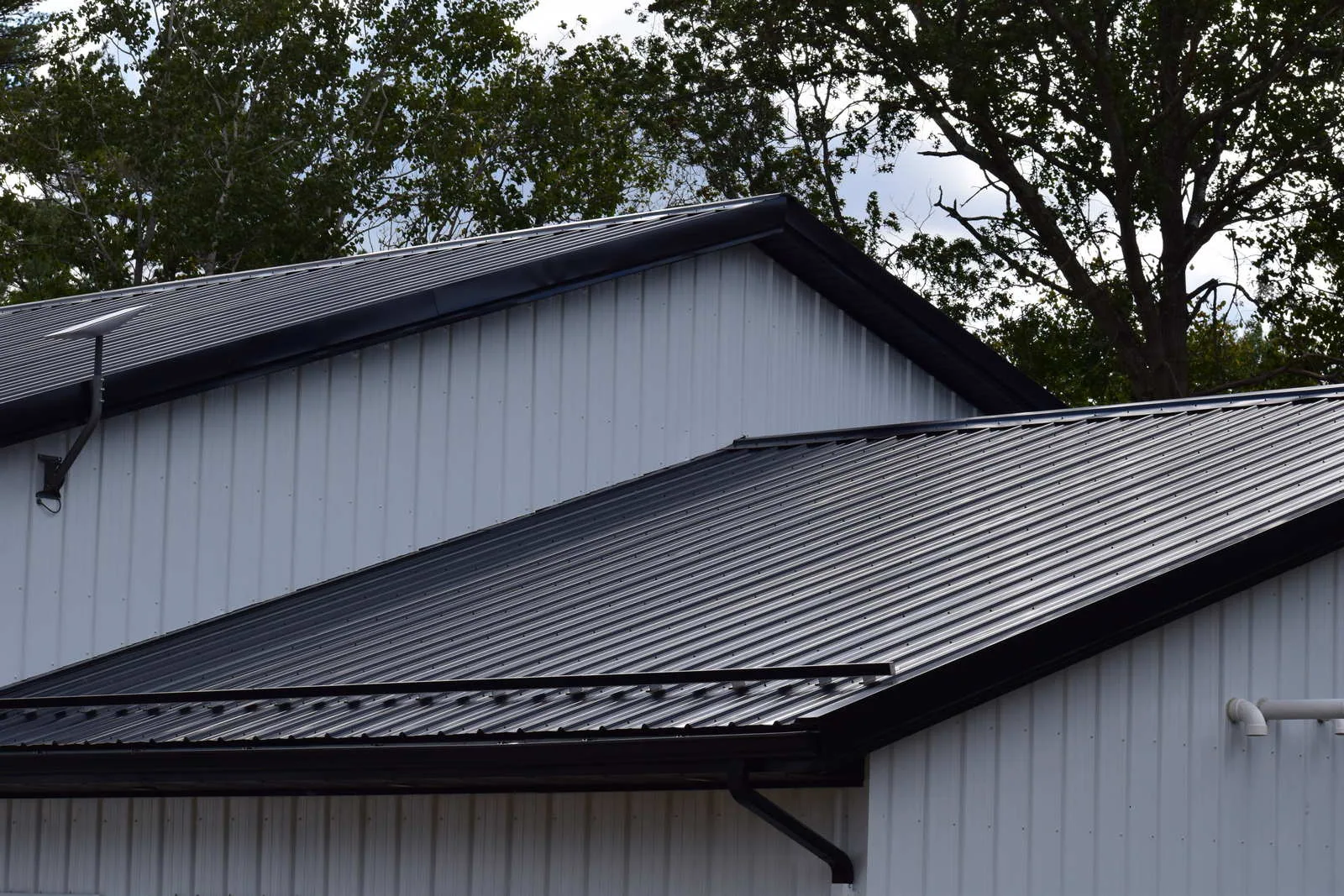
We describe the repair boundary in plain terms: what gets removed, what remains, how the patch terminates, and which nearby details are included. If the membrane is brittle, the insulation is wet, or several patches overlap, we show where a spot repair may stop being reliable. For a roof that needs another layer of review, compare TPO seam repair with the actual field membrane or inspect the standing-seam metal details before selecting materials. The repair should follow the assembly, not a generic sealant choice.
Check the Edges and Water Path
Edges carry both weather exposure and movement. We inspect coping joints, cleats, fascia, termination bars, and the membrane turn-up at walls. A loose coping cap can admit water behind the edge even when the field membrane is sound. At penetrations, we check curb corners, pitch pockets, pipe boots, and support framing. Each opening has to stay protected while repair material cures or cools, and the work zone needs a clear limit so loose debris does not reach drains or walkways.
Drainage deserves a separate pass after the repair. The NOAA climate normals for Murfreesboro report about 56 inches of annual precipitation, and freeze nights occur through the year. We remove debris from the repair area, confirm that drains and scuppers are not blocked, and record ponding that remains outside the repair scope. The drain and scupper repair may be needed where the outlet or overflow is itself damaged. If the defect sits along a roof edge in the Old Fort Parkway corridor, staging can be planned around access from the property rather than the public road.
When the defect is near a rooftop unit, we record the curb flashing and the equipment supports before asking for shutdown or lift access. Trades may have changed piping or wiring since the previous roof repair, leaving unsealed fasteners or an altered pitch pocket. The inspection records which opening belongs to the roofing scope and which item needs the mechanical contractor, so both trades can close their work without obscuring the repair boundary. We flag equipment that limits safe access and agree on a work window before moving tools across that roof section.
Set the Repair Boundary
A useful work order distinguishes a defined repair from a larger area that still needs evaluation. We mark the included seams, penetrations, or membrane section, and list any wet insulation or deck condition separately. That protects the owner from paying for an unbounded patch and gives the crew a clear stopping point. If a test opening finds a larger condition, we photograph it and return a change for review before covering the new area.
The building’s use changes how we reach the roof. Office and industrial buildings can bring different roof-access constraints, while downtown blocks place commercial, residential, civic, and open-space uses close together. Those area patterns do not establish a specific roof layout. A repair beside occupied offices can require a different lift path and noise window than a warehouse roof beside active docks. We coordinate the work with the site contact, and use occupied-building controls when entrances, tenants, or equipment stay active below.
Leave a Checkable Repair Record
When the repair is complete, we photograph the preparation, finished patch, and nearby details that affect the water path. The closeout records identify material used, location, repair boundary, weather conditions, and anything that needs another trade. If a test cut showed wet insulation, the record shows whether it was removed and how the opening was closed. The facilities team can then compare a later inspection to the same roof section instead of relying on memory or a ceiling stain.
After a hail report or high-wind event in Murfreesboro, the repair record gives a baseline for checking new impacts or movement. A July 2024 tornado crossed Murfreesboro, causing tree damage and minor roof damage in the wider area. That history is a reason to check exposed seams and edges after a local warning, not a reason to assume every roof was affected. A photo condition report and downtown roof walk can help keep repair findings tied to each property and section.
Commercial Roofing Questions
Can you repair one seam without replacing the roof?
Yes, if the membrane around the seam remains sound and the repair material is compatible. We check adhesion, movement, nearby seams, and moisture before defining the patch. If the failure continues beneath adjacent sections, we show that boundary before expanding the work.
Why does the leak show up away from the roof opening?
Water may travel along the deck, insulation, or framing before it reaches an interior finish. We use the stain and timing as clues, then inspect uphill transitions, curbs, seams, and drains to locate the entry point.
What if the repair uncovers wet insulation?
We stop at the opening, record the condition, and map the affected area. The owner reviews removal and replacement as a defined addition. We keep the roof temporarily protected until the revised boundary is approved.
Can you repair a metal roof and a membrane roof?
We repair both, but the details differ. We identify the panel or membrane type, its fastening and seam construction, then select compatible materials and terminations for the actual assembly.
What will the closeout show?
You receive the repair location, boundary, photos, and records on nearby conditions that remain open. If the work followed a storm, the dated record can be compared with a later inspection for new damage or movement.
Related Roofing Work
More commercial roofing work connected to Commercial Roof Repair in Murfreesboro.

Define the Repair Area
Set a roof access window and point out the interior report, prior patches, or affected section. We will trace the condition, mark the repair limit, and return a written scope with closeout documentation.