
Commercial Roof Leak Repair in Murfreesboro, TN
Find and repair commercial roof leaks in Murfreesboro. We trace the entry point, protect the interior, define the repair boundary, and document the work.
Commercial Roof Leak Repair
A ceiling stain at an office near Memorial Boulevard may sit several feet from the opening above it. Water can travel along a deck, insulation, conduit, or framing before it drops indoors. We start with the leak timing and building use, then check the roof section above and around the report. The first move is to stop active water from reaching people, inventory, or equipment. The lasting repair follows the entry point, not the stain alone.
Protect the Interior First
Active water needs a safe route away from occupants and sensitive equipment. We help the facility lead isolate the affected area, use temporary collection or protection as appropriate, and record what has to stay powered or accessible. On a school, clinic, or distribution building, interior operations can continue in nearby areas while the leak zone is controlled. We record the time, weather, ceiling location, and any movement in the water so the roof walk can test the right section.
When water is entering during a storm, temporary dry-in may be needed before a permanent repair is safe. We protect exposed openings and do not leave an unfinished cut or flashing detail at shift end. Around Murfreesboro, documented hail and tornado events justify checking roof edges and penetrations after a warning, but a regional report alone does not identify the cause of a leak at your building. The emergency response can stabilize the opening while we prepare the permanent repair scope.
Follow the Water Path
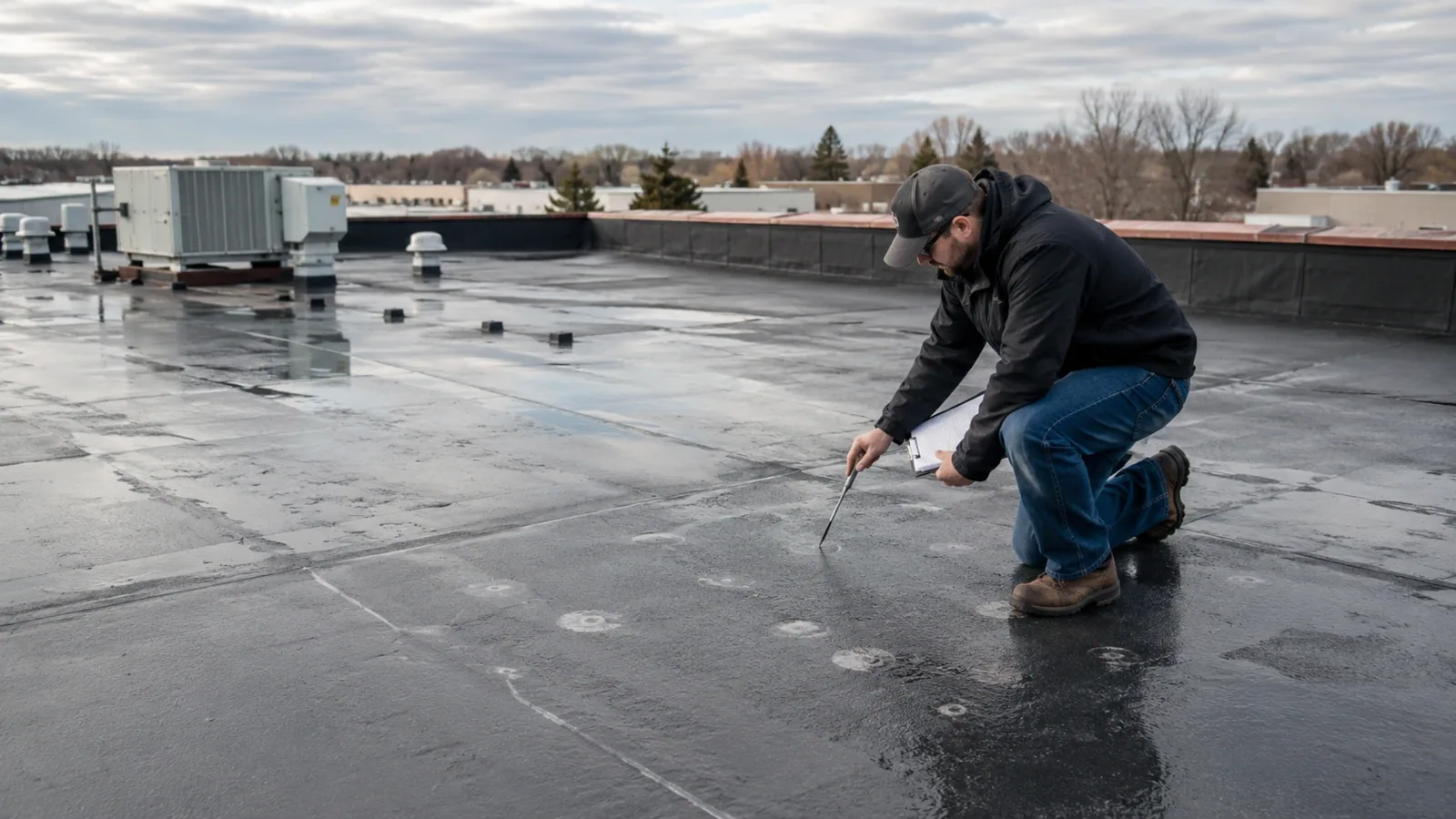
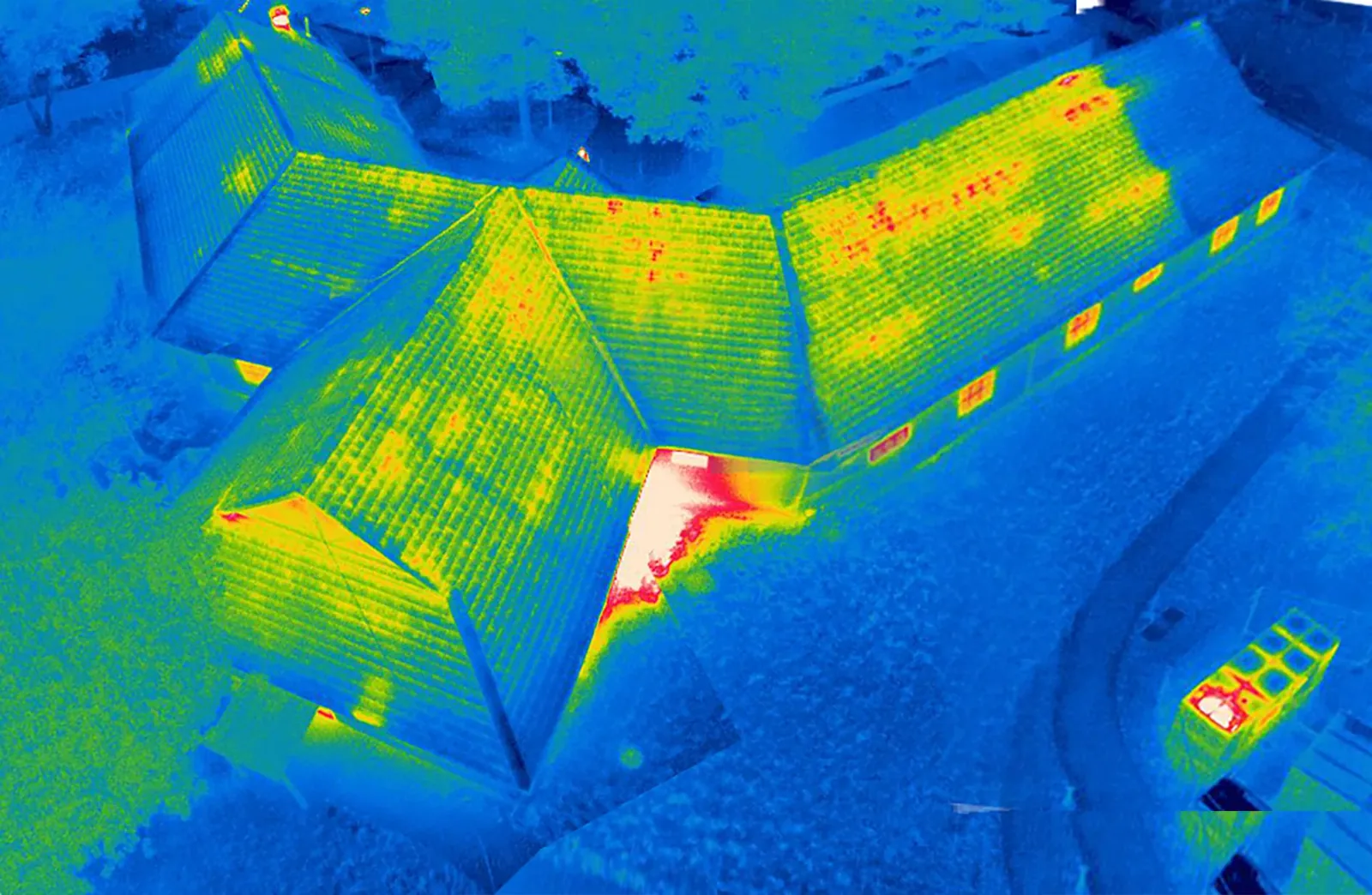
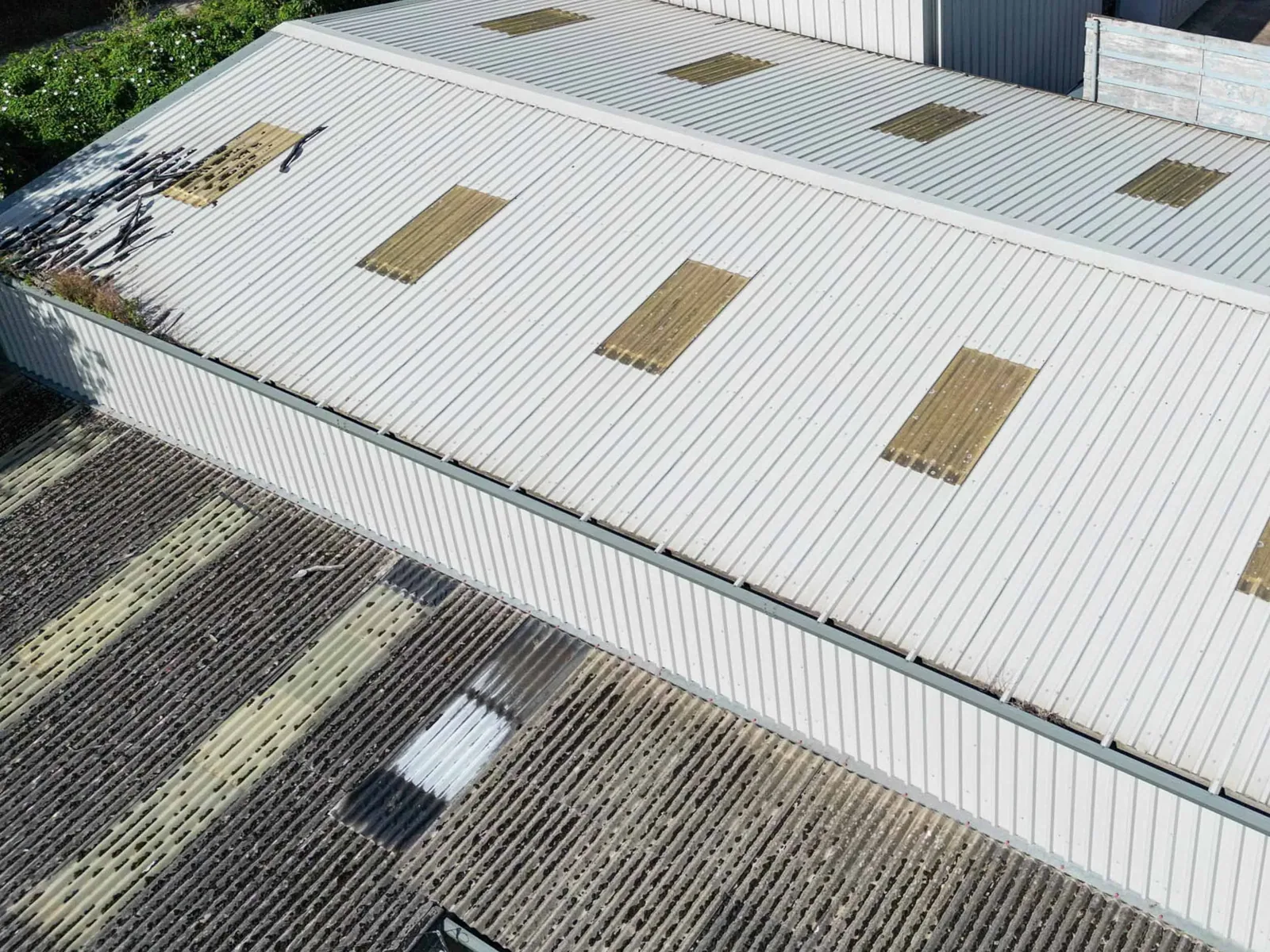
We map the interior stain against roof drains, seams, curbs, skylights, parapet edges, and earlier repairs. A leak may follow a steel deck flute or track along insulation until it reaches a joint. We inspect upslope conditions and nearby penetrations, then look for open laps, displaced metal, punctures, failed sealant, or a drain that backs up. If the roof surface appears intact, a controlled test or thermal scan can help narrow the search without opening broad areas unnecessarily.
One observation rarely settles a concealed leak. Infrared images show temperature differences, not moisture by themselves, so a core or cut verifies a suspected wet area before removal is priced. We distinguish confirmed conditions from areas needing another check in the report. A moisture survey may help on a large roof, while a drone overview can locate visible damage where access is difficult. Each method answers a different question, and neither replaces a hands-on check at the suspected entry point.
Repair the Detail That Failed
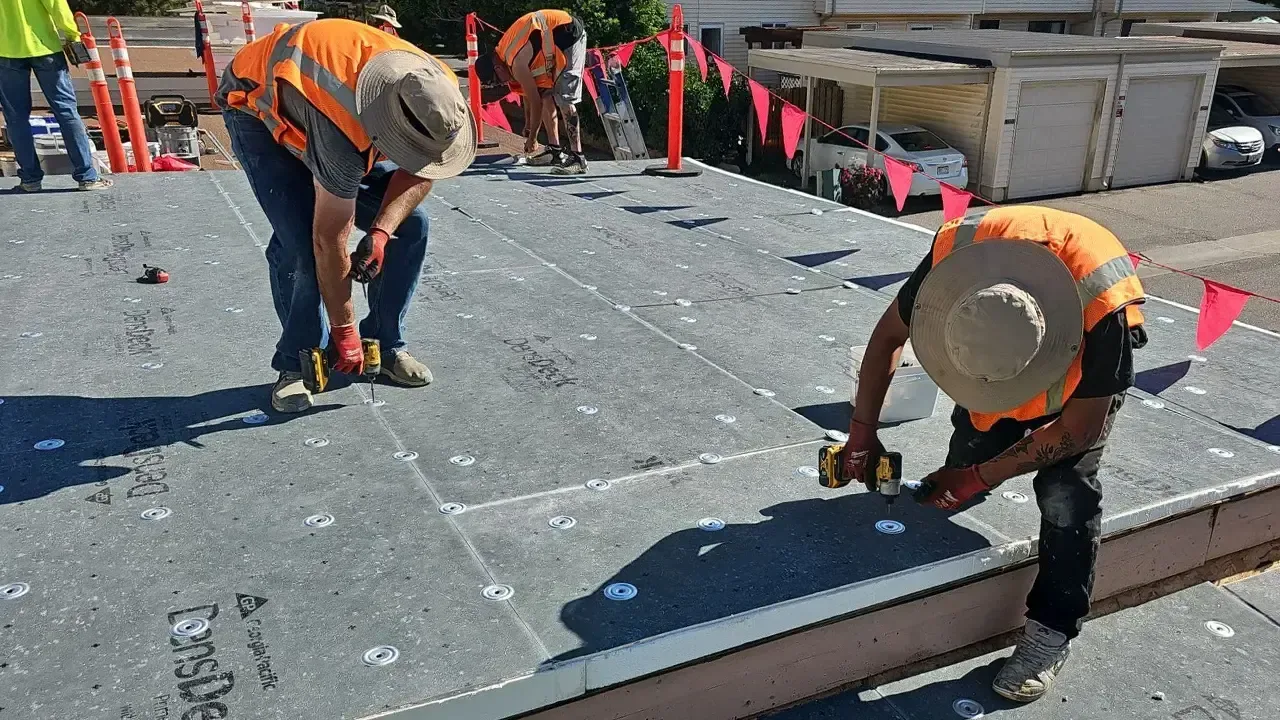
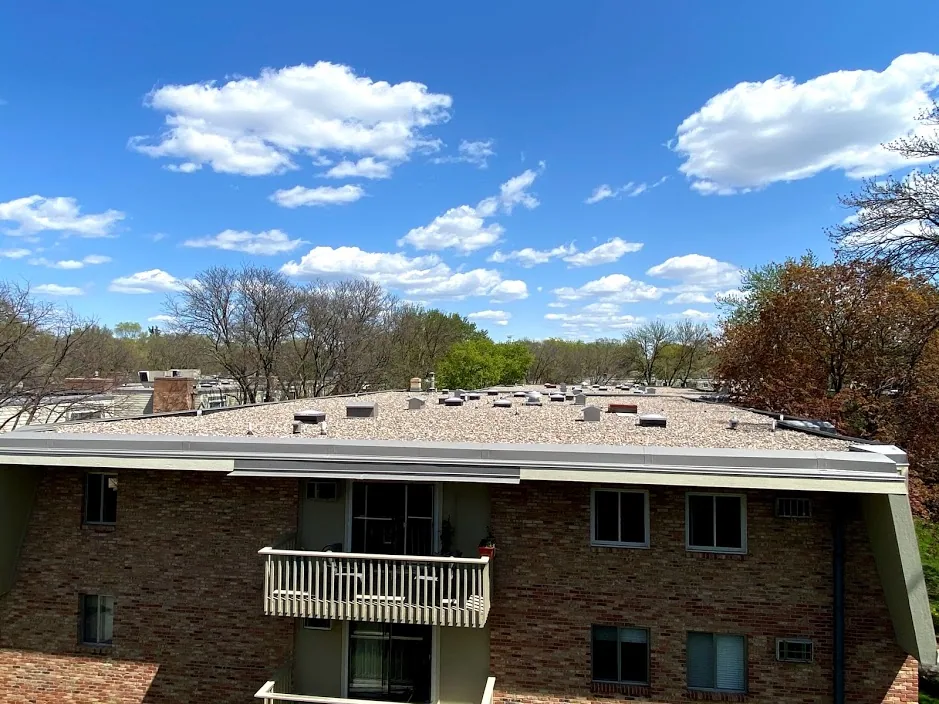
The repair material must match the roof assembly. We identify whether the field is TPO, PVC, EPDM, modified bitumen, built-up roofing, or metal, then check its condition around the opening. A membrane seam may need cleaning and a compatible weld or cover strip; a curb corner may need new flashing; a metal roof can require a fastener or panel detail. Sealant by itself is not a repair plan if water can still pass behind the edge or beneath the patch.
We mark how far the repair extends and photograph the substrate before it is covered. If wet insulation or deck damage continues beyond the original boundary, we pause and show the owner the added area. Murfreesboro’s adopted code includes local requirements for covered commercial work, and permit scope can depend on the repair and any structural change. We identify the work and confirm the permit path with the authority having jurisdiction. Where the leak is tied to a roof drain, the drain and overflow detail may need repair alongside the membrane.
Plan Access Around the Building
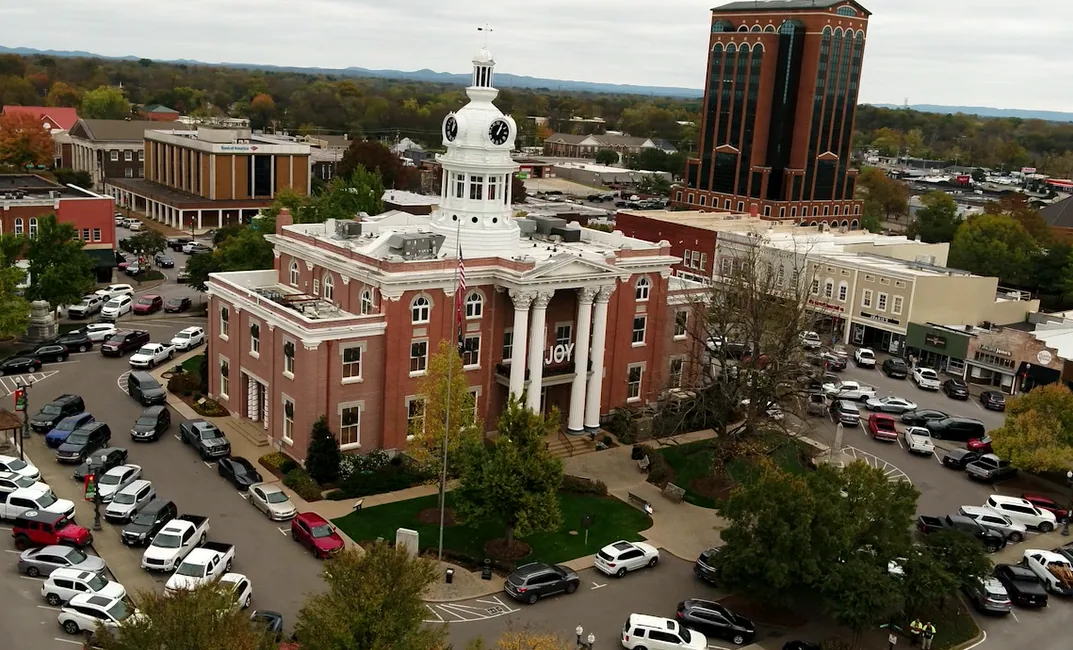
A leak repair still needs a work zone. We set the ladder or lift location, keep roof access controlled, and agree on how materials reach the affected section. At an occupied clinic or office, that may mean avoiding a main entrance or coordinating a short mechanical shutdown. At a warehouse or industrial site, it can mean holding deliveries while a lift crosses a truck path. The city’s plan describes employment and commercial uses along arterial routes, but we use the owner’s actual site layout to set the route.
For buildings near the Memorial Boulevard corridor or downtown Murfreesboro, tight staging and neighboring activity can affect lift timing. We coordinate the roof walk with the contact who controls keys, alarms, and mechanical access. If the leak sits beside a rooftop unit, the curb and support detail should be checked while equipment access is available. We protect the opening at each break and leave the work area clean enough for normal building use.
Confirm the Repair After the Water Stops
After the repair, we check the finished seam or flashing, nearby drains, and the interior location that first reported water. A controlled water test may help when it can be performed safely and will not send water into occupied space. We photograph the completed work, label the roof section, and record any remaining condition outside the repair boundary. If an interior finish still shows a stain, that mark may take time to dry; the roof check and the interior dry-out are separate records.
Murfreesboro’s NOAA climate normals show frequent measurable precipitation, and the city has documented freeze nights as well as summer heat. Those conditions make a dated record useful when the same area is checked again. A roof condition report can connect the repair to earlier findings. On Medical Center Parkway, roof access may need to fit an office or medical use’s operating window. We set the next check based on the repair detail and the roof conditions that remain.
If the leak returns, compare the new report with the original photos before applying another patch. Check whether water entered at the same seam, whether a drain was blocked, or whether a nearby mechanical opening changed after the repair. A repeated stain may need a new test location, not another layer of sealant at the old ceiling mark. We can revisit the roof section, record what changed, and keep any new opening protected while the scope is reviewed. The facilities lead receives the marked area and next inspection trigger in the closeout records.
Commercial Roofing Questions
Why does the ceiling stain move after rain?
Water can travel across the deck or insulation before it reaches the interior. We compare the stain location with roof slope, drains, seams, curbs, and penetrations, then inspect upslope details to find the entry point.
Can you stop an active leak before permanent work?
Yes. We can protect the opening and limit interior exposure, then return for the permanent repair when the roof and weather allow safe work. The temporary condition and remaining work are recorded separately.
Will an infrared scan show exactly where the leak starts?
No. A scan can help locate a temperature pattern that needs confirmation. We use test cuts or cores when needed to verify moisture and inspect the deck before choosing the repair boundary.
What should we do if water reaches electrical equipment?
Keep occupants clear and have the facility lead follow the building’s electrical safety procedure. We coordinate roof access after the area is safe, then document the entry point and protect the affected roof section.
How do you confirm that the repair worked?
We inspect the finished detail, compare it with the original interior report, and record photos and any remaining condition. A safe, controlled water test may be useful for some details, but it is not appropriate for every roof or occupied area.
Related Roofing Work
More commercial roofing work connected to Commercial Roof Leak Repair in Murfreesboro.

Trace the Leak to a Repair Boundary
Share when the water appears, where it reaches the interior, and which roof areas are accessible. We will coordinate a roof walk, protect the active opening, and return a written repair scope with photos.