Roofing Capabilities in Murfreesboro, TN
Plan commercial roof inspections, condition records, capital work, warranty files, due diligence, and multi-site programs with documented field findings.
Roofing Capabilities
How We Approach It
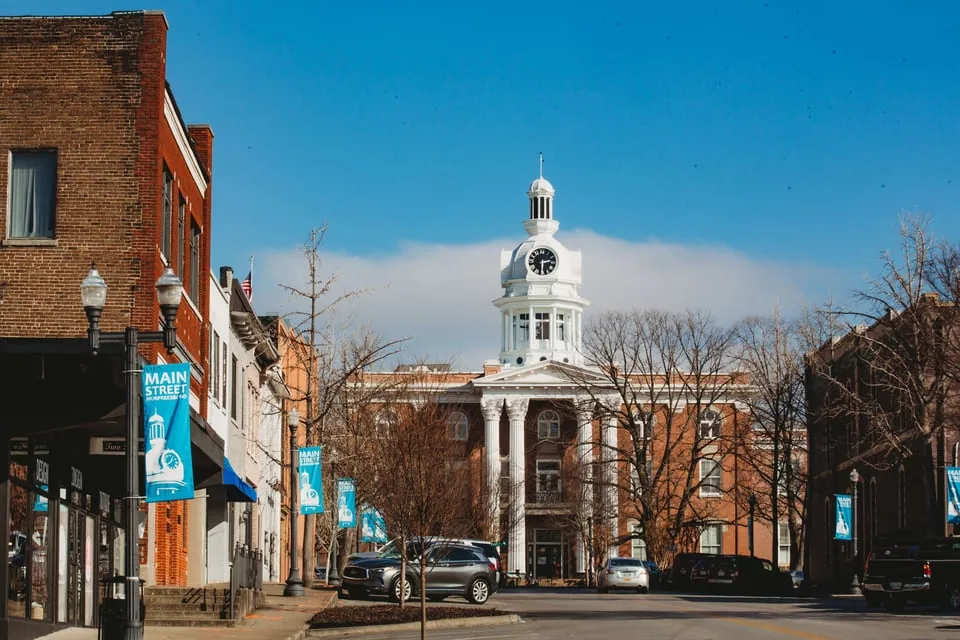
A roof program works when the field record can support a decision. We document the roof section, observed condition, access limits, and next action, then connect that information to the owner's timing and budget process. In Murfreesboro, the City's adopted future-land-use plan includes office, medical, technology, laboratory, manufacturing, and distribution activities among its economic-use categories. Those categories describe planned uses, not a particular client's building. The roof and operating needs at each site still require direct review.
Roofing Capabilities in Murfreesboro
Choose a topic below for the full scope, how we plan the work and the questions owners ask first.

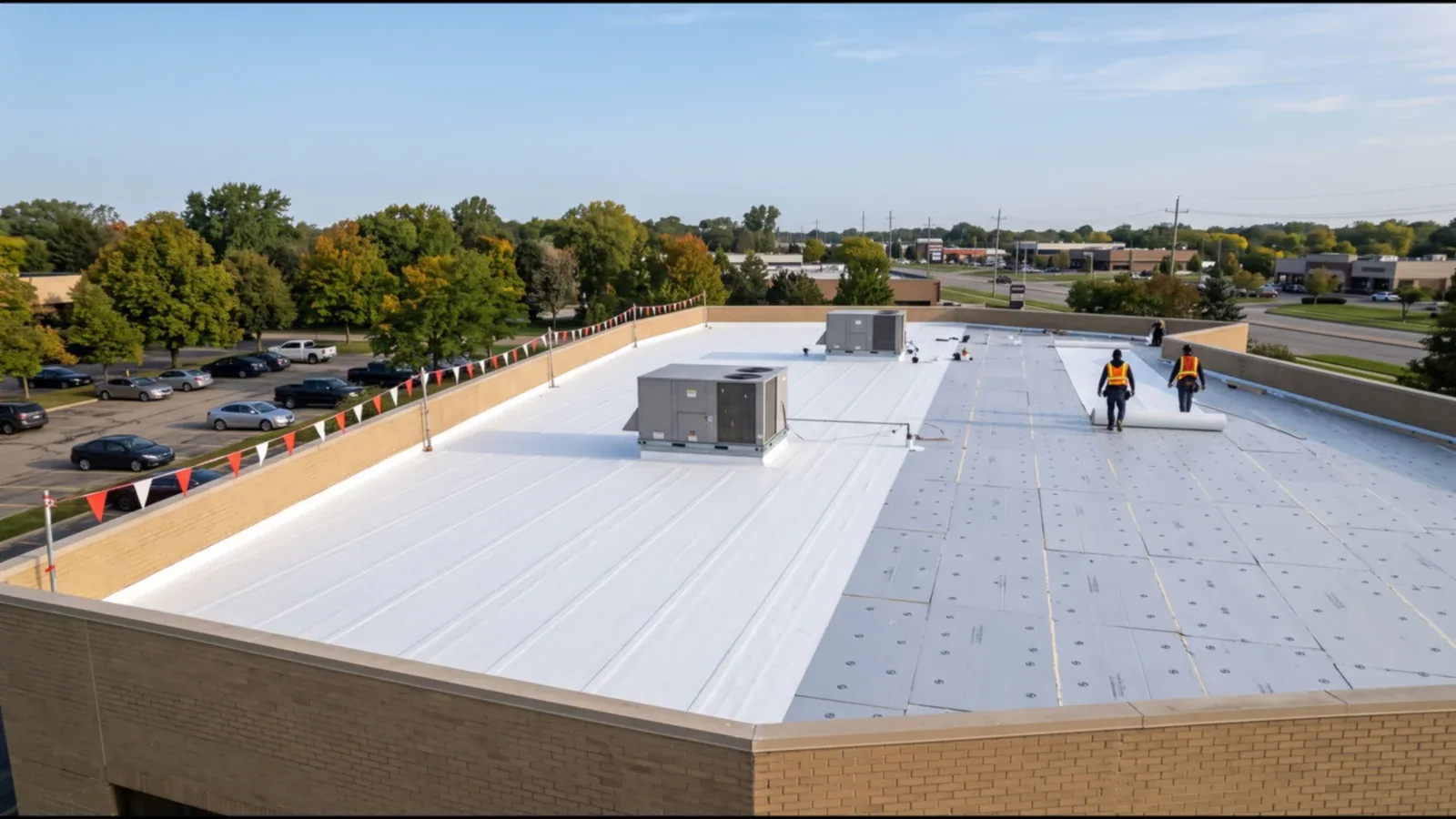
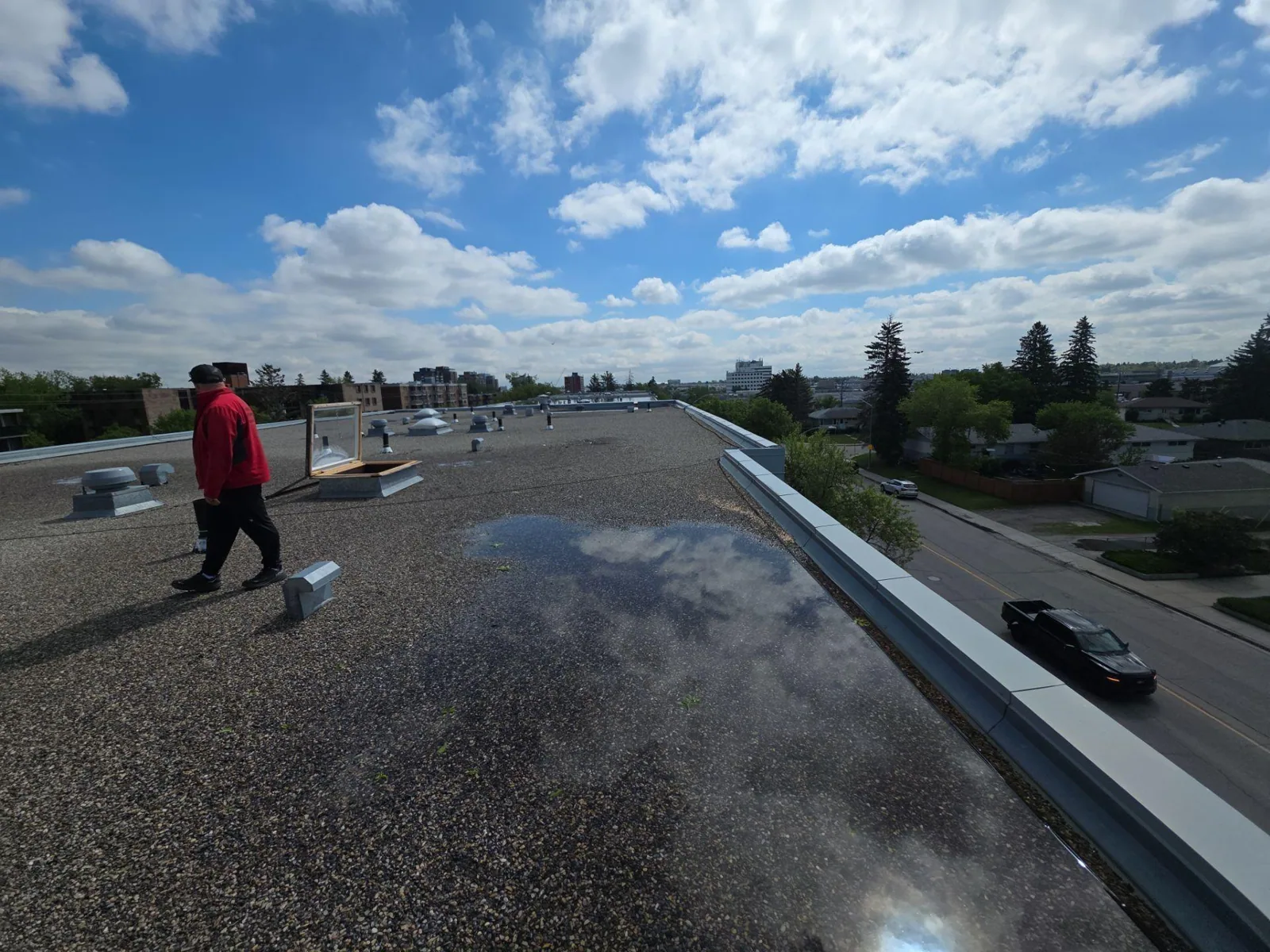
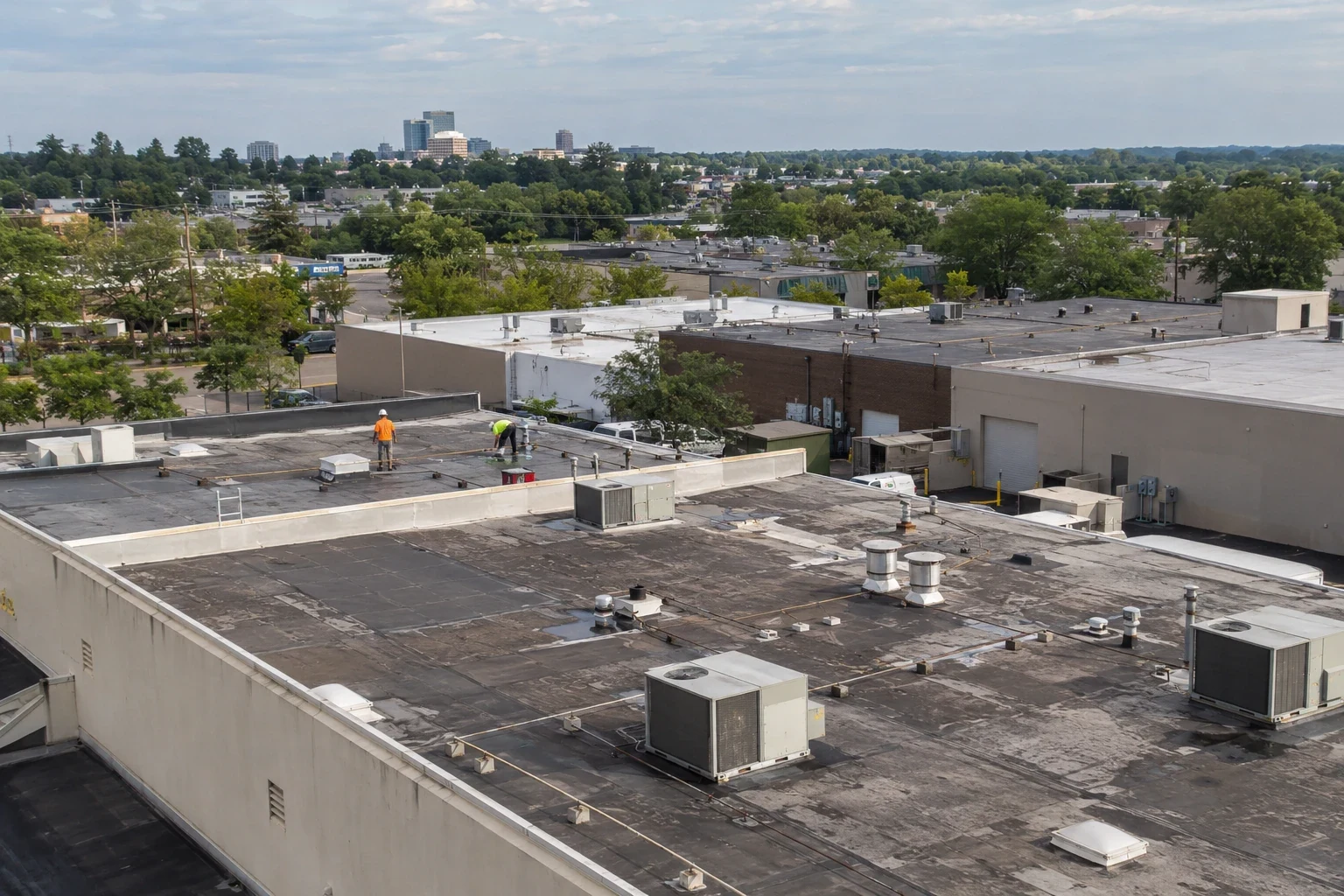
More About Roofing Capabilities
Build a Dated Condition Baseline
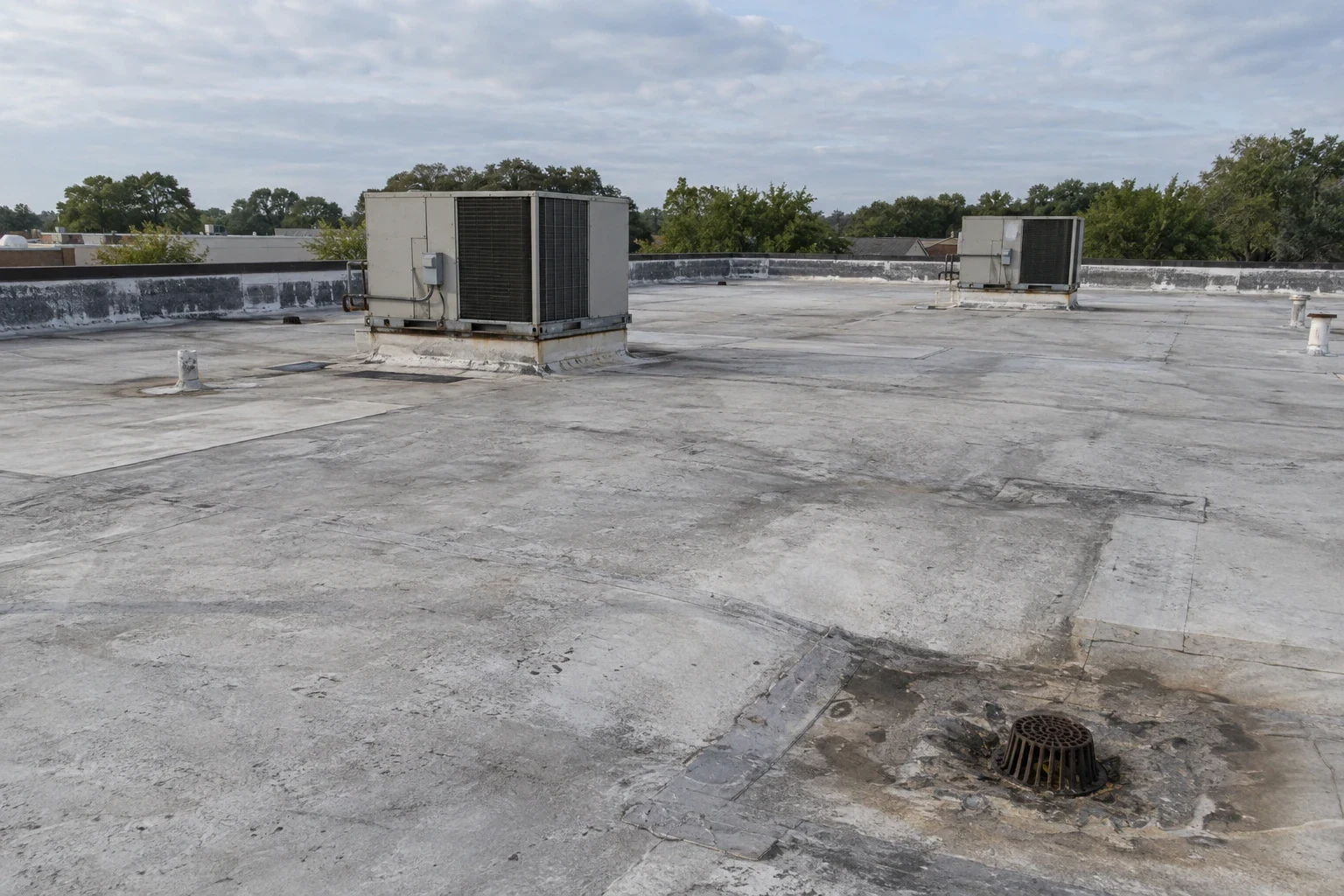
A useful report names the roof area, describes visible conditions, and attaches dated photos that a facilities manager can match to a plan. We separate observed facts from concealed conditions and record where testing or an opening would be needed. Roof condition reports can help compare sections over time, while a commercial roof inspection establishes what can be seen on the current visit.
When leaks are reported, include the room below and prior repair records. Water stains alone do not identify the entry point. A leak repair review records the investigation and the repair boundary separately.
Turn Findings into a Work Sequence
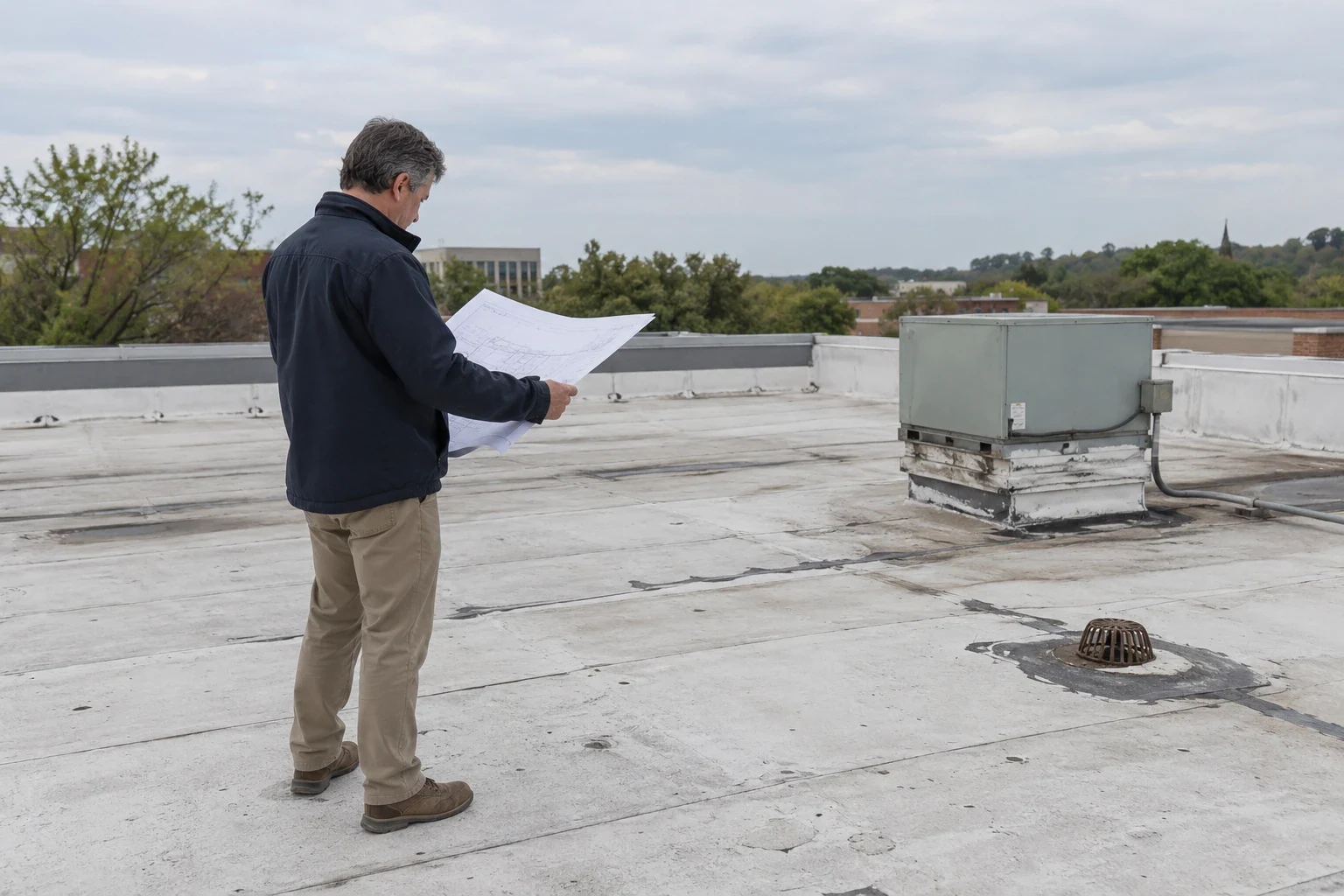
Capital planning begins with roof area, condition, repair history, and the operational consequence of failure. We can group recommended work by urgency and distinguish a localized repair from a larger recover or replacement decision. The sequence should name access, staging, protection, tie-ins, and daily dry-in limits. Roof capital planning keeps those assumptions visible before a budget request is finalized.
For occupied facilities, divide work into zones that the site can release and return to service. Occupied-building reroofing addresses phasing and closeout between areas.
Keep Warranty and Transaction Files Usable
Warranty administration depends on the actual documents, system, dates, and stated requirements. We can organize available roof records and flag questions for the manufacturer or authorized party. A warranty file review is not a promise that a condition is covered; the governing documents and review control that decision.
For a purchase or refinancing, due-diligence roof surveys can identify visible conditions and clarify what could not be confirmed without further access or testing.
Coordinate Work Across Sites
Multi-site programs need consistent records but local work plans. A regional list can sort roofs by condition or decision date; each project still needs its own access contact, roof plan, crew route, and operating window. Multi-site roof programs organize that handoff. For Middle Tennessee locations, the site team should confirm its address and timing before travel or material delivery.
Send roof plans, prior reports, access rules, and the decision you need to make. We can review the records, inspect selected areas, and return a scoped next step with open items clearly identified.
Commercial Roofing Questions
What makes a roof condition report useful?
It identifies roof areas, visible conditions, dated photos, access limits, and recommended next steps while separating observed facts from concealed conditions.
Can a report set a roof replacement date?
A report can support planning, but the timing depends on field condition, repair history, owner priorities, and any testing or design review still required.
Does warranty management confirm coverage?
No. The actual warranty documents and the responsible manufacturer or administrator determine coverage. A file review helps organize records and questions.
What is needed for a multi-site roof review?
Provide each site's roof records, access contact, operating limits, and decision timeline. Conditions and work sequences should be confirmed for each building.
Can due diligence include concealed conditions?
A visual survey records accessible, visible conditions. Concealed conditions may require separate testing, openings, or review by a qualified design professional.
Put Roof Records to Work
Share available plans, reports, warranty documents, and the decision deadline. We can identify missing information and propose a field review or planning scope.