Commercial Roofing in Smyrna, TN
Commercial roofing for buildings in Smyrna, TN, with repair, replacement, and inspection scoped to access, drainage, deck condition, and operating hours.
Smyrna
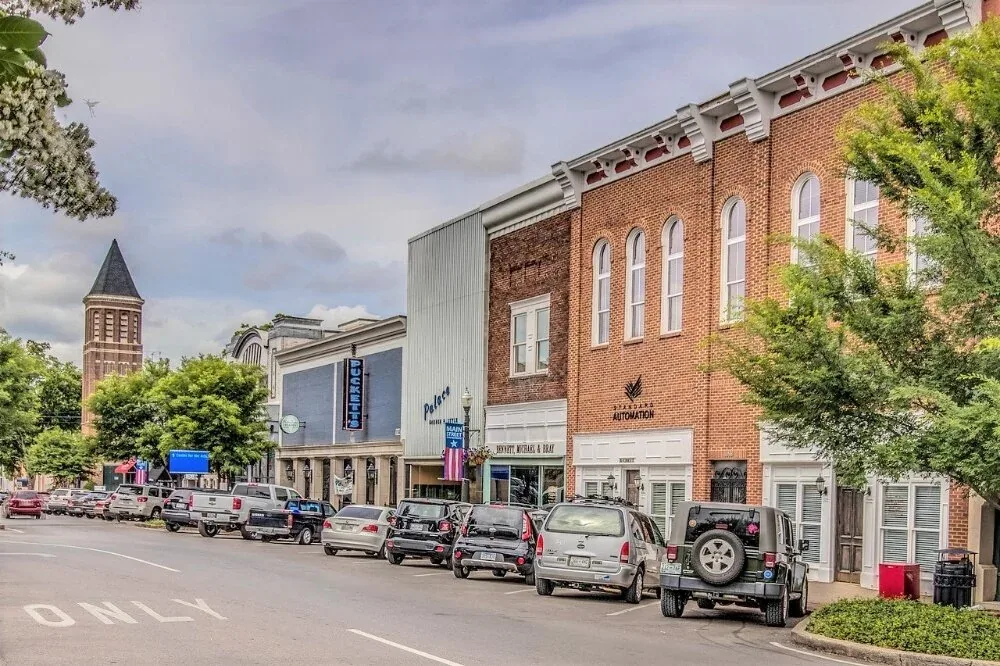
A commercial building near Almaville Road may have deliveries or customer traffic that cannot pause for a roof project. For work in Smyrna, TN, we first locate roof access, the assembly, and the sections where a leak or loose detail needs attention. Then we check seams, drains, parapet edges, and penetrations. The work plan follows the building's actual use and the condition we can inspect, with a defined stop point for each shift.
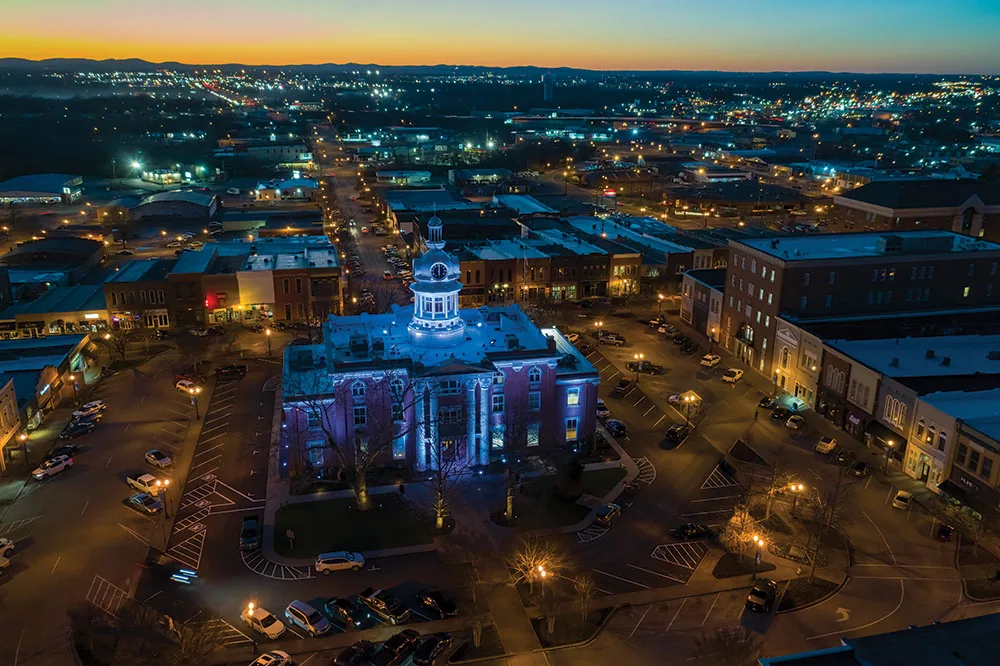
Smyrna is a Rutherford County municipality. Almaville Road is a congested link between I-840 and I-24; proposed improvements include widening, a turn lane, sidewalks, and a multiuse path. That road context makes delivery timing worth confirming, but it does not identify a property's roof or service hours. We confirm those directly with the owner or facility lead before scheduling a lift, material drop, or occupied-building repair.
Locate the affected section
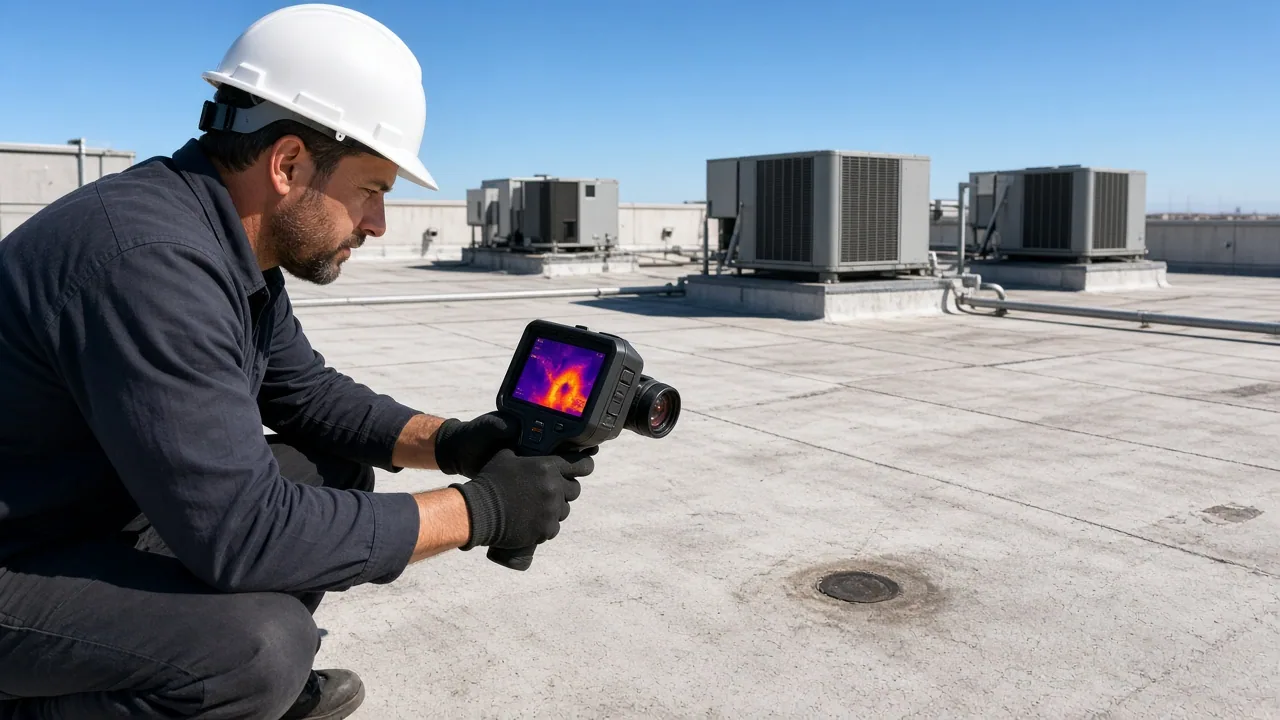
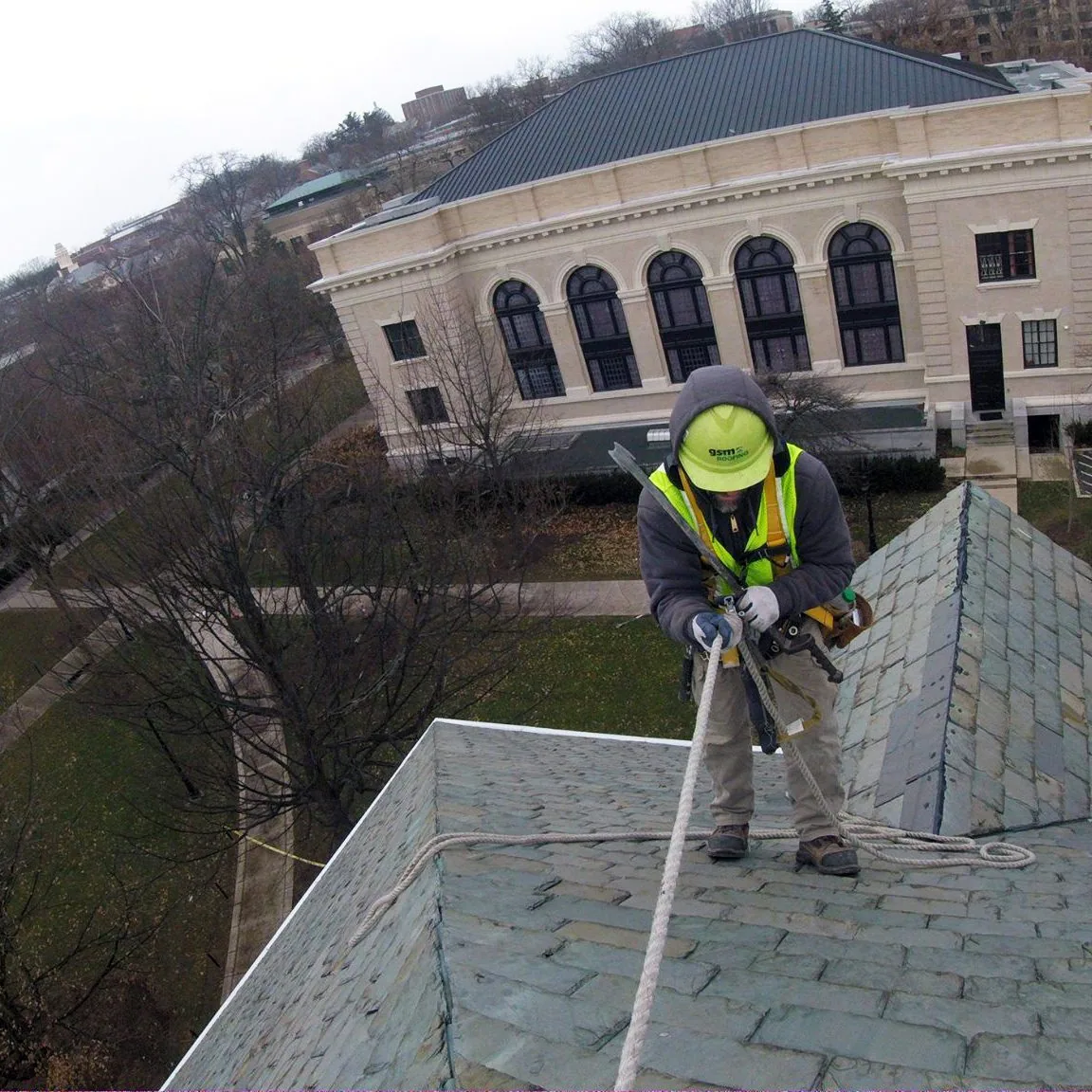
A leak report usually begins at an interior ceiling, but the entry point may sit at a seam, curb, edge, or drain several feet away. We map the stain to the roof plan, inspect the likely water path, and test the membrane around the reported area. The records distinguish an observed opening from a suspected one. If access is limited or the membrane cannot be walked safely, a drone view can help narrow the inspection before additional testing is approved.
The first scope should name the affected roof section, describe the repair boundary, and identify any area that could not be checked. We also record the type of membrane and the condition of nearby flashing so replacement material can bond or weld correctly. A property contact can use a commercial roof inspection to document the wider assembly, while leak repair addresses the active water path.
Check the exposed details
On May 26, 2024, 1.75-inch hail was observed two miles west of Murfreesboro, within the broader regional storm context. That report is not evidence of damage at a Smyrna property. It is a reminder to inspect the roof when a nearby event is reported: look at membrane impressions, edge metal, rooftop equipment, and any brittle or previously patched area. We photograph each finding and separate a visible impact mark from a leak or puncture that needs repair. The report ties each photo to a roof section and next action.
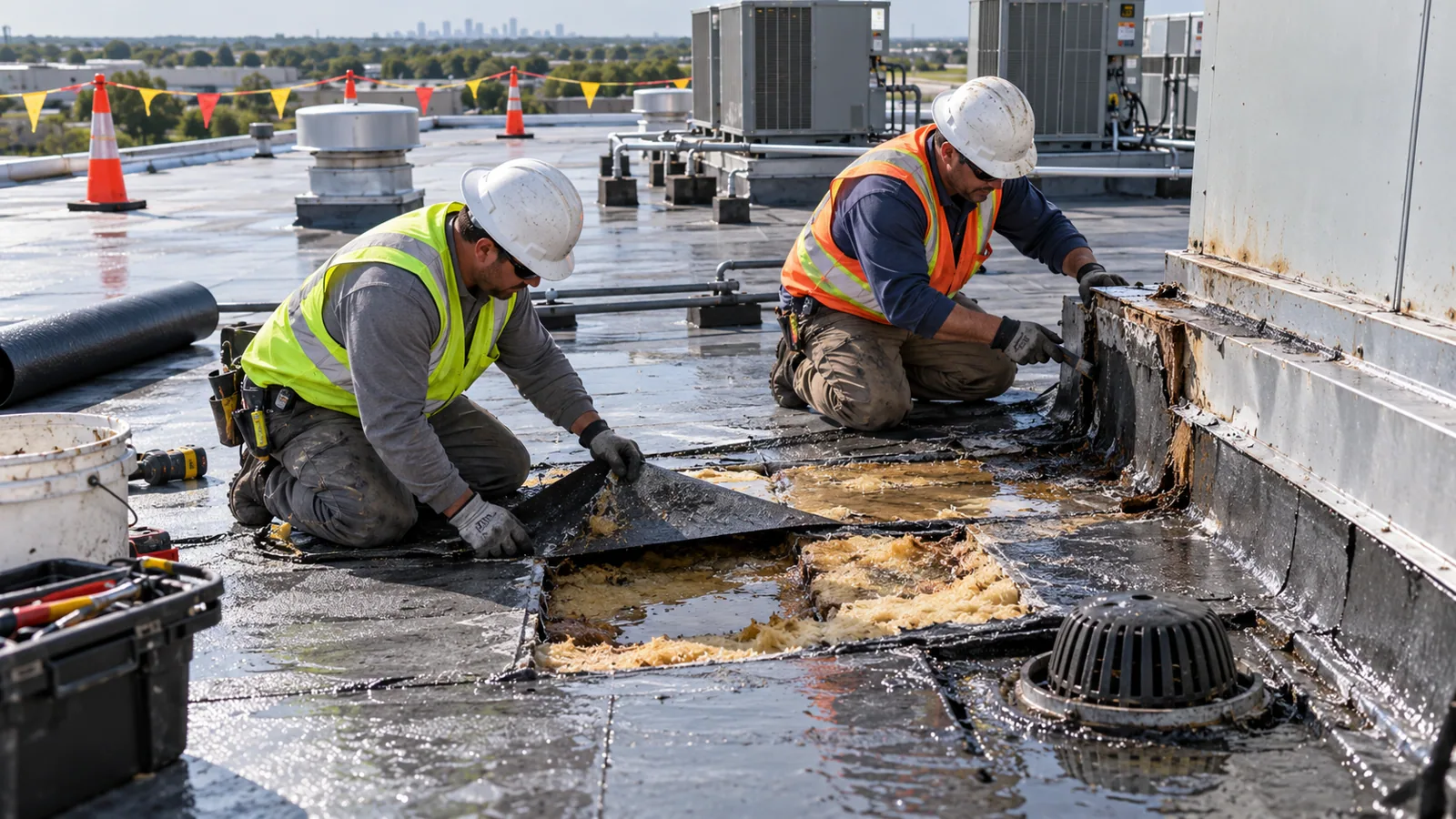
Strong weather can also expose a weak termination or lift a loose edge, but the repair depends on what remains attached. We check fasteners, welds, flashing, and the substrate before sealing a detail. If an affected area is wet below the membrane, we identify the moisture boundary rather than covering it with a coating. For a weather-related scope, owners can compare hail damage repair with a field check of wind-stressed edges and seams after the inspection establishes the condition.
Keep the route open
Almaville Road's planned pedestrian and road changes are a public transportation project. A roof crew's staging needs are property-specific. We walk the actual driveway, turning area, roof hatch route, and loading zone with the person responsible for the site. If a lift or dumpster would cross a delivery path, we adjust the work sequence or request a separate window. Tenants and staff need to know which entrance, equipment area, or parking row is affected before work begins.
For an occupied building, we divide the roof into manageable areas and protect openings at the end of each day. HVAC shutdowns, kitchen exhaust, medical equipment, and other building operations are confirmed before that section is opened. If several tenants share one roof, the property manager can coordinate notices and roof access while we mark the work zone. A reroofing plan for an occupied building can address phasing, while commercial roof work in La Vergne covers a nearby industrial and logistics context.
Choose a repair or replacement
A targeted repair is appropriate when the membrane around the failure is sound and the deck can support a lasting tie-in. We check the adjacent seams, flashing, fasteners, insulation, and curb details before limiting the scope. Repeated patches or connected wet areas can make a wider repair more responsible. If the deck has deteriorated or the assembly has multiple failure points, replacement may reduce the number of temporary boundaries left on the roof.
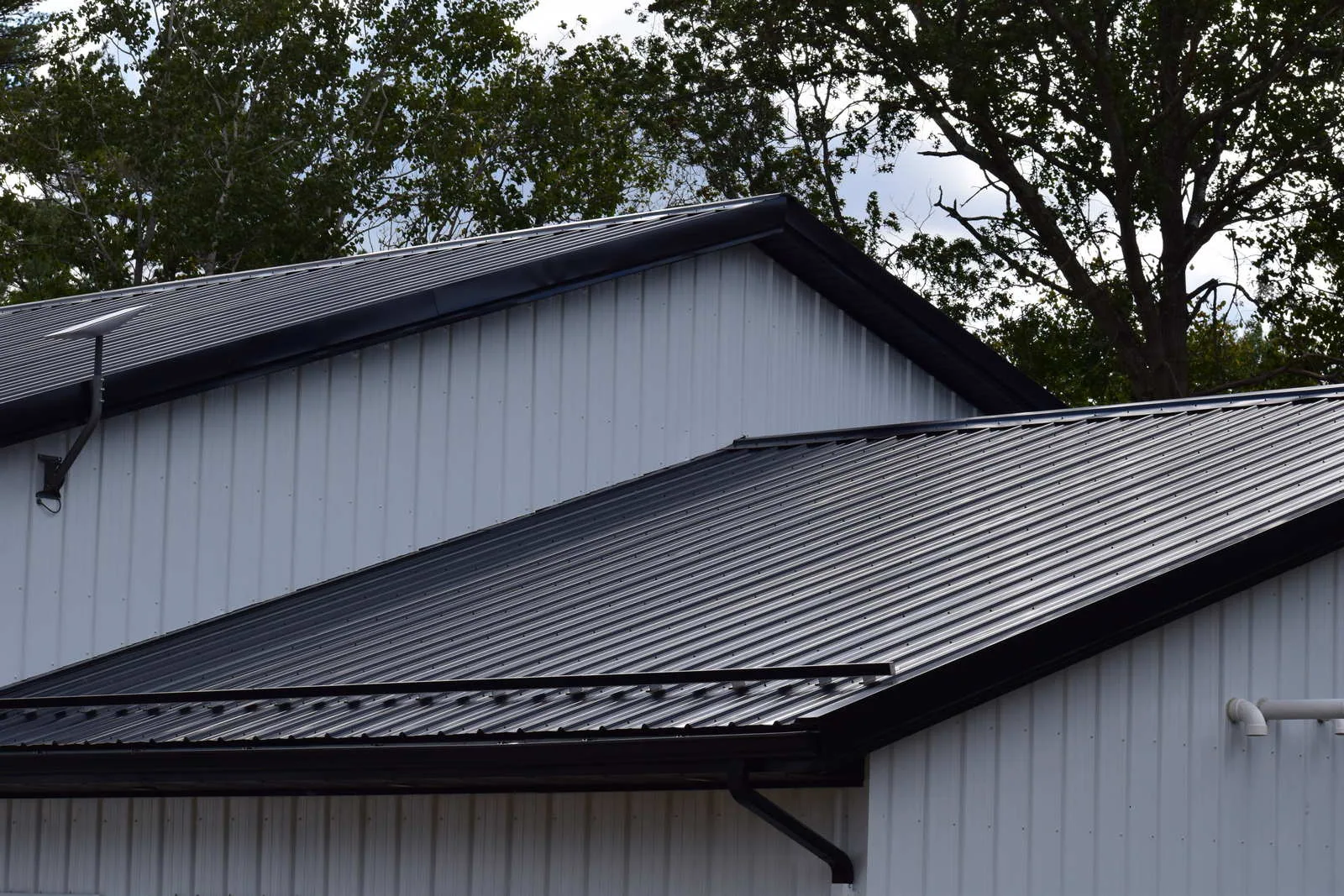
A recover can preserve an existing system only when layer count, attachment, drainage, moisture, and structural capacity allow it. We do not treat a coating as a fix for wet insulation or loose metal. The written proposal distinguishes inspection findings, included work, and concealed conditions that require authorization. Owners can compare standing seam metal systems with TPO membrane options after we confirm the current roof and the building's use.
Document the return visit
Closeout photos should show the repair, the tie-in, and the roof section around it. We record the material used, the boundary of completed work, and any condition that needs another visit. If a wet area remains outside the approved scope, we identify it plainly rather than implying the full roof was restored. That record helps an owner compare future inspections and track which seams, drains, or equipment curbs need attention.
Routine maintenance can then focus on the locations that change: drain strainers after debris collects, flashing after equipment work, and seams beside prior repairs. We record each visit by section, not as a vague roof-wide record. A property manager coordinating several buildings can use the same photo and condition format while keeping separate assembly details for each address. For another local access pattern, compare the Northfield Boulevard corridor and its arterial-road context with the Smyrna site itself. If the building needs urgent work, our emergency roof response is available at any hour, including holidays. We secure the affected area while preparing the permanent scope. To schedule work in Smyrna, coordinate the roof walk, delivery window, and person who can approve the written scope.
Commercial Roofing Questions
Does the Almaville Road project change the roof work schedule?
It may affect public road access as projects proceed, but we verify the current route to each property. Before dispatch, we confirm the loading entrance, staging area, and work window with the site contact. The road plan does not establish access conditions at a specific building.
Should hail reports prompt a roof inspection in Smyrna?
A report nearby can justify checking the property, but it does not prove damage. We inspect the membrane, edges, flashings, and rooftop equipment, then document marks and any opening separately. A repair recommendation follows observed conditions and the building's leak history.
How do you keep deliveries moving during a reroof?
We confirm the loading window, lift position, material drop, and any route that must stay clear. The crew works in sections and closes exposed areas at each stop. If a delivery schedule changes, the site lead and foreman can adjust the next work window.
Can you price a repair before checking the deck?
We can price visible work and identify what remains uncertain. Where the membrane or insulation hides the deck, a test opening may be needed before a final repair boundary is set. The proposal keeps that concealed condition separate so the owner can authorize the next step.
What makes replacement a better choice than another patch?
The decision follows the number of failures, moisture extent, deck condition, attachment, and whether sound material remains around each repair. If a new patch would connect to weak seams or wet insulation, we show the broader replacement option and its scope drivers.
Related Roofing Work
More commercial roofing work connected to Smyrna in Murfreesboro.
Set a Smyrna roof inspection window
Share the building's roof access, delivery hours, and known leak locations. We will document the affected section and prepare a written repair or replacement scope.