
Commercial Roofing in Walter Hill, TN
Commercial roof inspection and repair in Walter Hill, TN. We map the roof section, verify safe access, and set repair limits from observed conditions.
Walter Hill
A roof over an office, workshop, or service building needs a scope that fits both the assembly and the people using the space below. In Walter Hill, we begin with the reported condition and the route to the roof. The first pass identifies the membrane or metal system, nearby equipment, drainage points, and any previous repair. We mark the section under review, then record whether the defect is visible, suspected, or hidden beneath the surface. That separation keeps a short leak call from turning into an unsupported roof-wide conclusion. It also gives the owner a clear basis for approving the next inspection step.
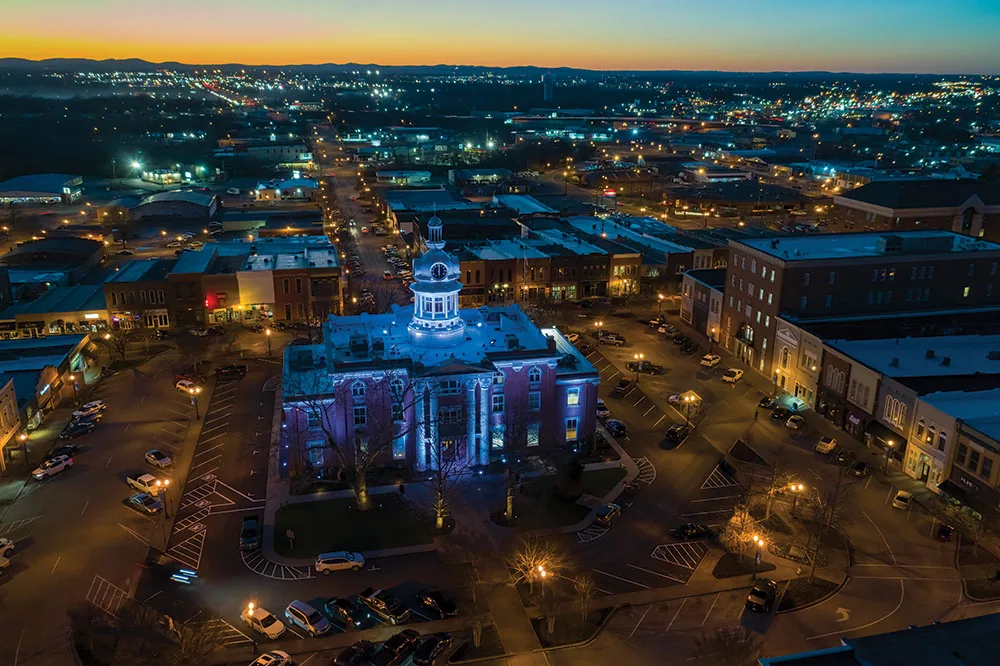
Walter Hill is named in Rutherford County addressing records. County public-safety listings associate the community with Lebanon Road, a regional connection north of Murfreesboro. The road reference does not identify an individual property's driveway, roof assembly, or operating hours. Before scheduling, we confirm the actual entrance, gate or check-in requirements, loading activity, roof access method, and the site contact who can approve a scope. A crew arrives with a work area and stop point that the owner can verify.
Map the area before opening it
We ask where water was first noticed, what changed, and whether the condition returns after rain or equipment service. That history points the inspection; it does not locate the leak by itself. The path may cross a deck flute or insulation joint before reaching the ceiling. On the roof, we examine the closest seams, flashing, drains, curbs, wall transitions, and penetrations. We also record any patch that could redirect water or conceal an earlier failure.
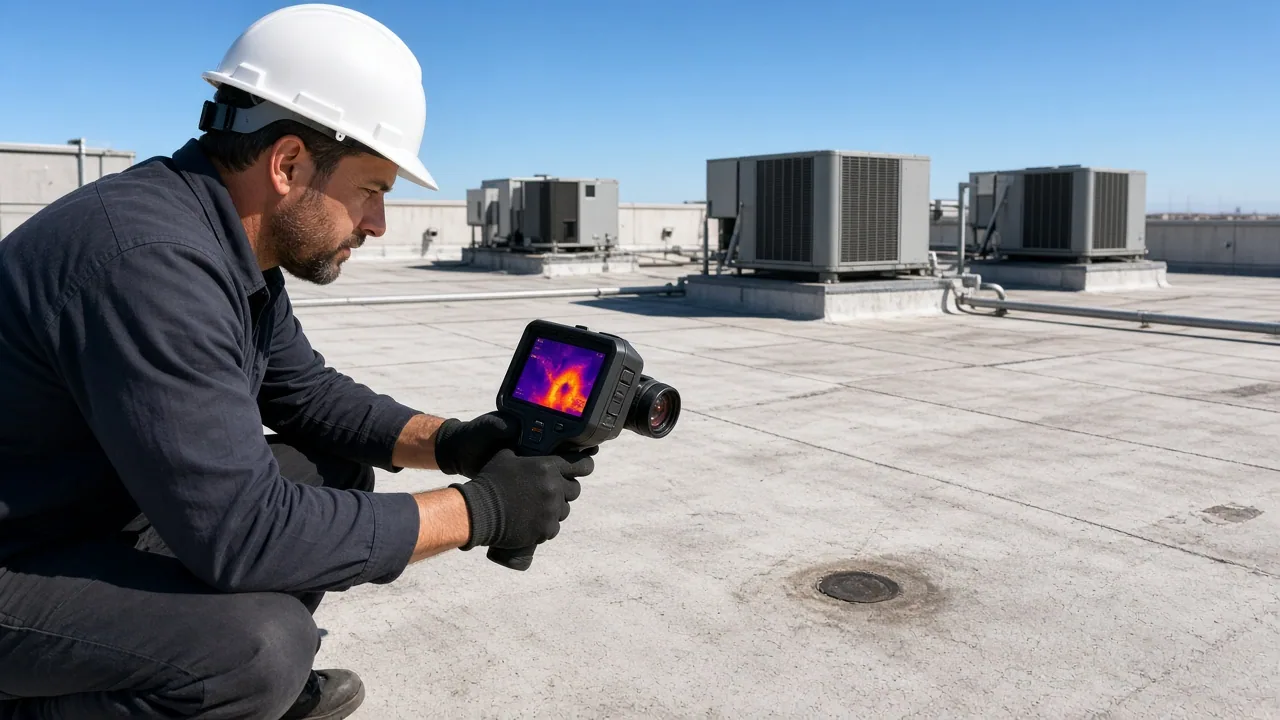
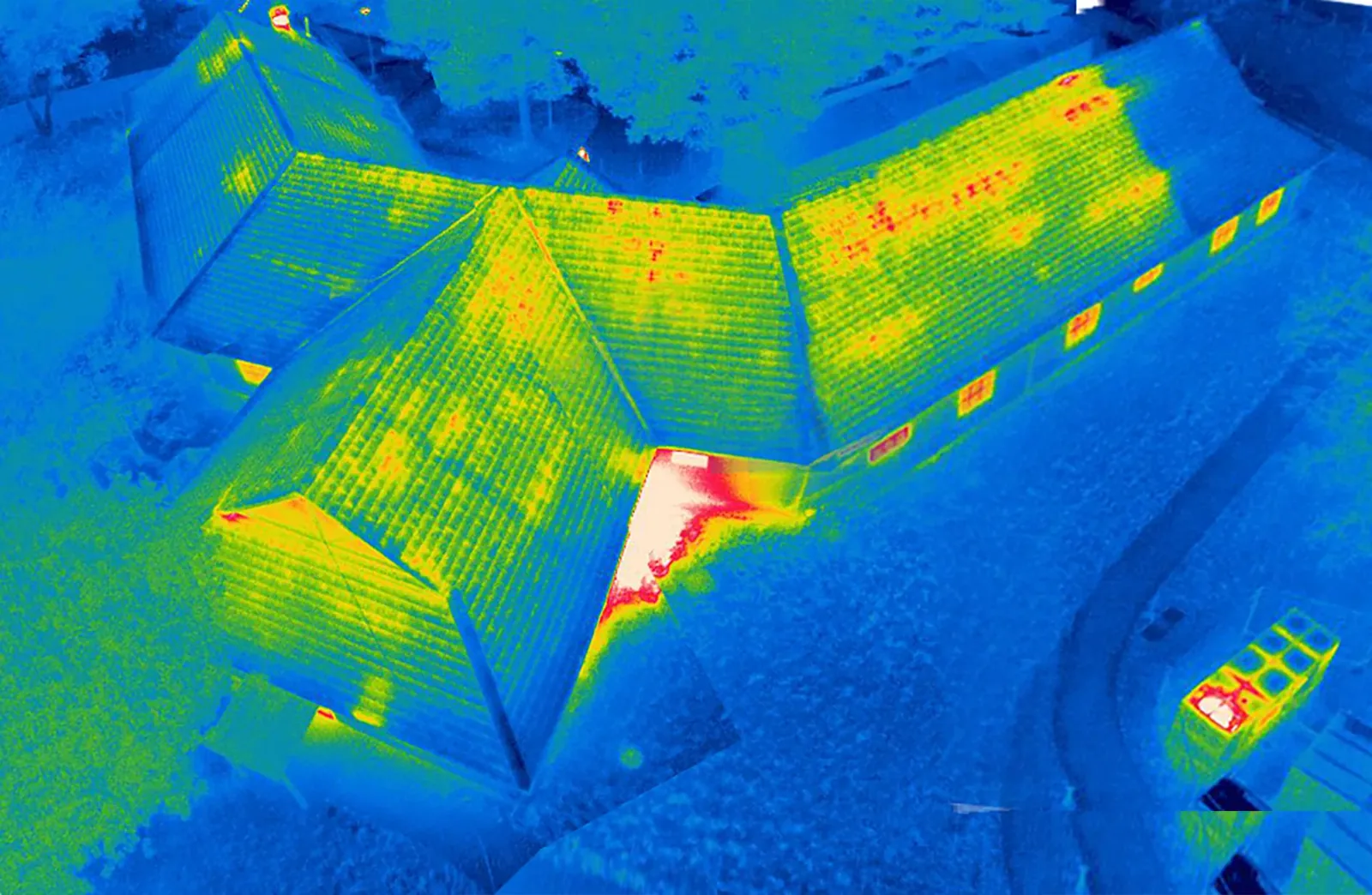
Each finding belongs to a roof section and a photo. If a surface is soft, wet, or unsafe to traverse, the crew records the limit and proposes the next safe check. We avoid labeling a hidden deck as sound without a test opening. A commercial roof inspection can record the whole assembly, while an infrared moisture survey can help locate anomalies when conditions are appropriate. The owner gets the question each method answers before authorizing additional testing.
Coordinate the field approach
Lebanon Road is a local reference associated with Walter Hill, but the vehicle path to a roof site must be checked one property at a time. We confirm truck turning space, material drop location, lift placement, and the route to roof access with the responsible contact. Where a delivery lane or customer entrance must remain open, the crew plans around that requirement before unloading. A route that works for an inspection van may be too tight for a material pallet or lift.
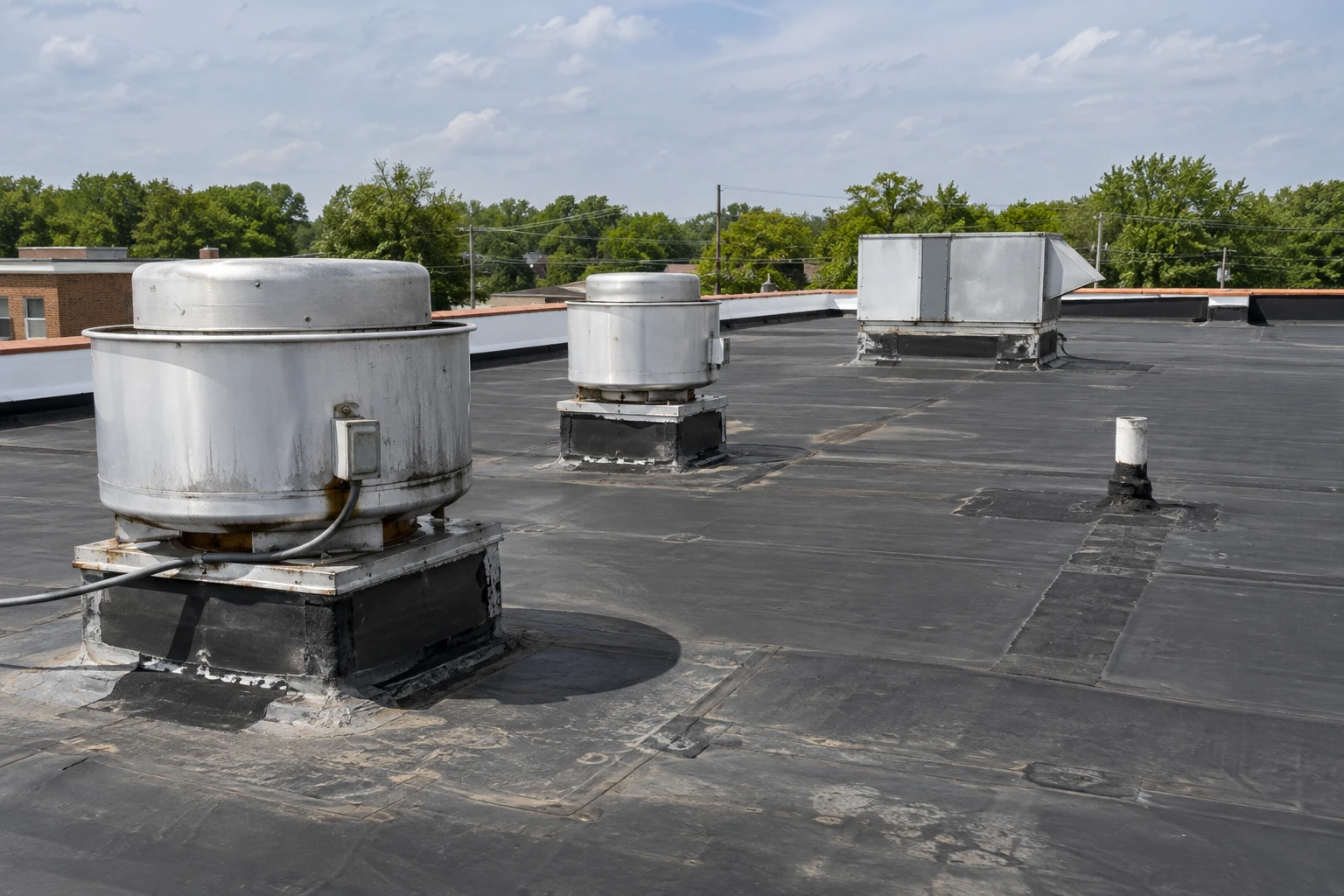
Before work starts, we identify the section to be opened and how it will be protected at the end of the shift. The plan names the person who can pause work if operations change. If HVAC units or production equipment sit near the repair, the facility lead confirms shutdown and protection needs. Occupied-building roof work can divide a project into phases; Lascassas provides another Rutherford County service-area reference. Neither page substitutes for a field walk at the Walter Hill property. We write down access and staging conditions after the site lead verifies them.
Inspect the edges and penetrations
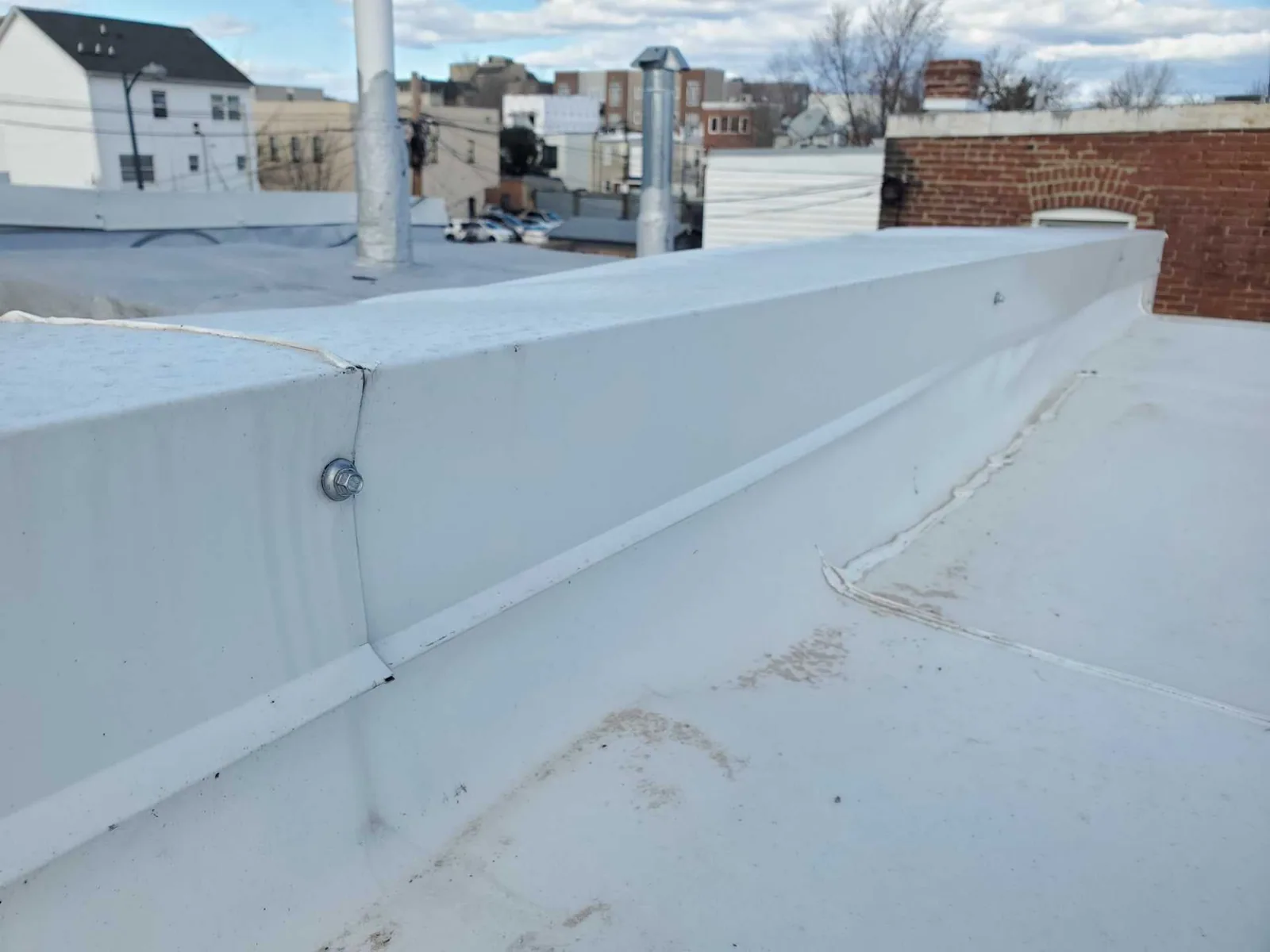
Edges, curbs, and penetrations concentrate movement between different materials. We look for an open termination, loose coping, split sealant, lifted flashing, damaged fastener, or membrane that has pulled from a curb. The recommendation depends on the attachment beneath the visible layer. A surface seal may be enough for one detail, while a failed substrate or wet insulation calls for removal and a new tie-in. The scope must show where preparation stops and what condition would require written approval to expand it.
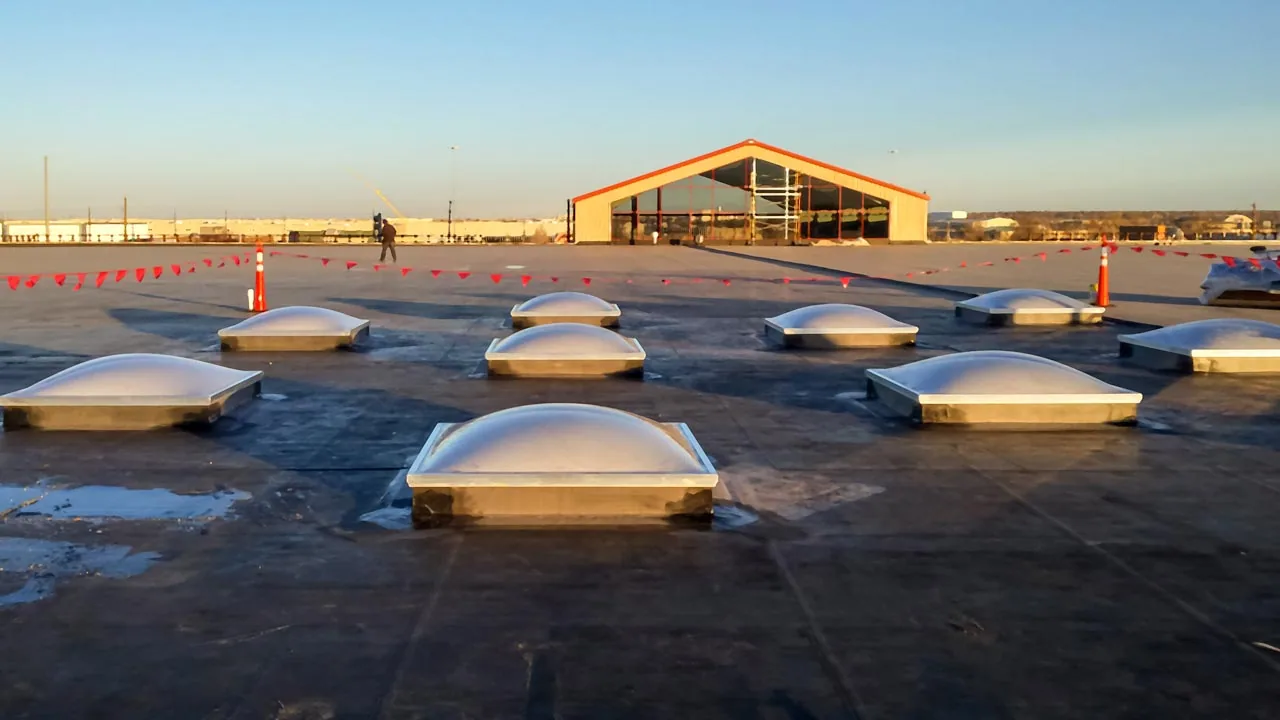
We also inspect the drainage path because an edge repair can be undermined if water remains at a low point. A drain that appears clear from above may still have a loose ring or failed flashing around the bowl. We photograph those details from a consistent angle and list them separately in the report. edge metal and coping service addresses roof-edge transitions; skylight and penetration flashing deals with openings that interrupt the roof plane. The building's actual details decide which scope applies.
Set the repair limit
A limited repair is reasonable when the membrane remains attached and dry around the opening, and a compatible tie-in can reach sound material. We inspect beyond the visible split or puncture. If adjoining seams are weak, moisture extends into insulation, or the deck moves, the proposed boundary changes. We explain why before removing more material. Any concealed condition is shown in photos and priced or authorized separately rather than folded into an undefined allowance.
Replacement or recover is considered when failures extend across a section or prior patches no longer provide a reliable boundary. We check layer count, attachment, deck condition, drainage, and equipment transitions before proposing an overlay. EPDM roofing and PVC systems may be compared for a building only after the existing assembly, use, and detail requirements are known. A coating can be evaluated on a suitable substrate, but it cannot correct saturated insulation or a damaged deck. For a condition comparison, a roof condition report keeps observations and priorities in one record.
Leave a useful handoff
At closeout, we show the repair boundary, completed tie-in, and roof section around it. Photos are labeled by section and date. The records identify the materials installed, areas that were not part of the scope, and any follow-up item that remains open. If a weather hold interrupted the work, the record states how the exposed area was secured and where the crew should resume. A closeout should let a new facility contact understand exactly what was completed without relying on a verbal handoff.
Future inspections can compare the same seam, drain, edge, or equipment curb with the prior image. The owner can see whether a condition changed and whether a repeat visit is needed. When a roof file includes multiple buildings, we keep separate maps so a repair at one address does not become a vague property-wide record. Rockvale and Smyrna are nearby service-area references, each with its own property access and roof history. For Walter Hill work, set a roof walk with the person who can verify access, identify the affected section, and review the written repair limit.
Commercial Roofing Questions
What does the first roof walk establish?
It identifies the assembly, access limits, reported section, and visible conditions around seams, drains, edges, and penetrations. We also list areas that could not be safely reached or confirmed without further testing.
Does Lebanon Road determine crew access?
No. It is a community-level reference, not a route plan for a specific building. We confirm the actual entrance, turning clearance, delivery window, and roof access with the property contact before dispatch.
How do you keep an inspection from becoming a replacement proposal?
We state the observed defect and its boundary first. Replacement is presented only when conditions such as widespread moisture, weak attachment, or deck deterioration support a broader scope; concealed conditions remain separate until checked.
Can the crew work near active equipment?
We identify equipment and operating constraints with the facility lead before opening the roof. Any shutdown, protection, or access requirement is scheduled with the responsible person and recorded in the work sequence.
What makes closeout documentation useful?
Section-labeled photos, material records, a visible repair boundary, and a list of excluded or unresolved areas let the next contact compare conditions without guessing what the prior crew touched.
Related Roofing Work
More commercial roofing work connected to Walter Hill in Murfreesboro.
Arrange a Walter Hill roof inspection
Provide the property's access contact, the reported roof section, and any hours when deliveries or equipment movement must be avoided. We will return findings and a defined scope.