Manufacturing Roofs in Murfreesboro, TN
Commercial roofing for Murfreesboro manufacturers. We inspect production, storage, and loading areas, then scope repairs around equipment and access.
Manufacturing Roofs
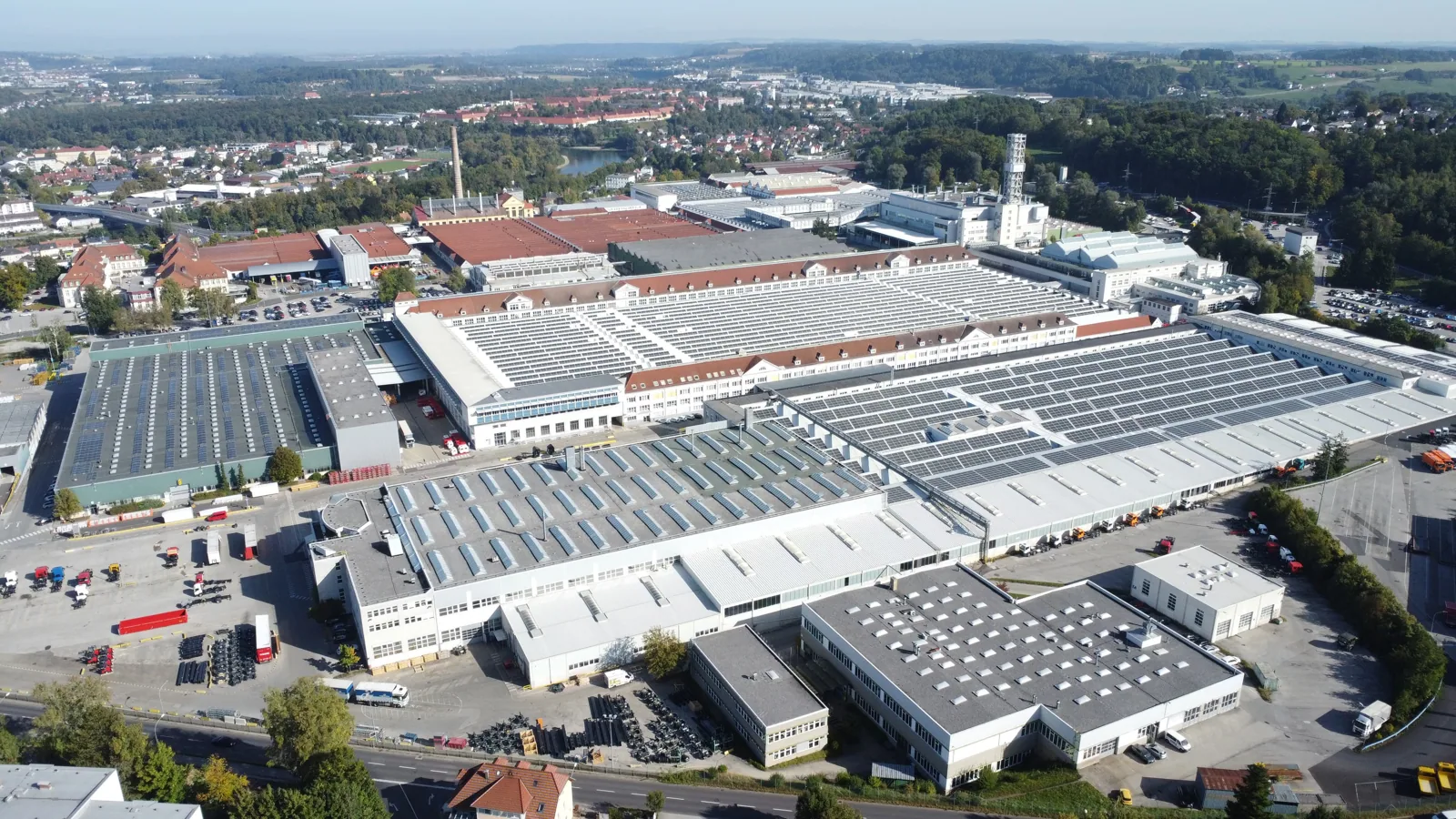
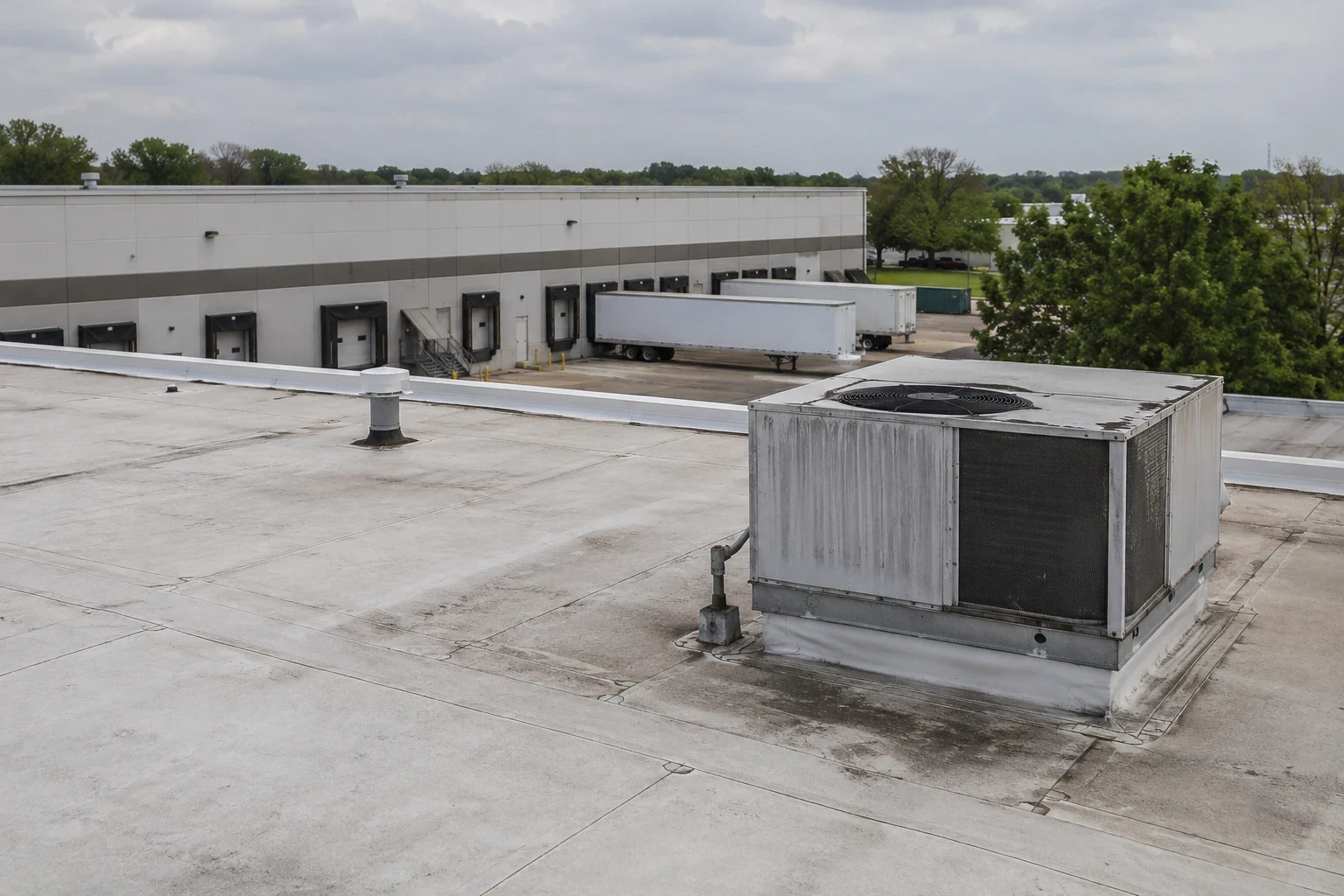
A plant roof has to be read beside the process below it. In Murfreesboro, TN, we map production bays, storage, loading doors, exhaust, and equipment before opening a section. Murfreesboro's future industrial development includes assembly, warehousing, distribution, laboratories, shipping, and food production. Those uses bring different roof penetrations and access needs. Near I-24 or the Bradyville Pike corridor, a delivery window can matter as much as the repair detail. We identify the assembly, deck condition, and work boundary before pricing a manufacturing roof scope.
Map Production Before Setting the Work Zone
Production leads can point out heat-sensitive lines, dust controls, inventory, and shift changes. We match those constraints to roof sections and record which exhaust or intake must remain available. If crews need to stage near a shipping door, we coordinate a separate path for forklifts, trailers, and roof materials. A plant may contain offices, shops, and warehouse space under connected roofs; we keep each assembly and interior report distinct. The plan should show where the crew can work, where the plant stays live, and when a section must be dry before operations resume.
Industrial land uses around Murfreesboro can include large loading and storage areas. A logistics roof review may emphasize dock flow, while manufacturing adds process-specific exhaust and service equipment. We do not assume one roof has a uniform deck or membrane. Our walk records transitions, repaired areas, parapet edges, curbs, and drains by section. Along New Salem Highway, a material drop can change the staging plan. We confirm the available route with the facility contact before the first delivery.
Identify the Existing System and Deck
We look for membrane type, attachment, insulation, cover board, metal panels, and previous tie-ins. A label in an old file is a lead, not proof. Test cuts, when approved, can show wet insulation, deck material, and layers below a repair. A welded single-ply roof needs a sound weld area. A metal roof needs attention to panel seams, clips, fasteners, and penetrations. Coatings need compatible preparation and a stable substrate. We compare the findings with the interior condition and separate confirmed damage from areas that still need access.
When drains sit above a process area, we check the full drainage path and scuppers, not only the visible bowl. Debris, a displaced strainer, or a low area can hold water; the walk should establish which condition is present. If the deck is corroded or soft, a surface patch does not solve the support issue. The written scope names the roof section, test opening, repair limit, and whether another trade must remove or reset equipment. That gives maintenance a direct list for the next shutdown window.
Hold the Loading Window
The I-24 SMART Corridor connects Nashville and Murfreesboro through Exit 81 at SR 10 and US 231, alongside US 41/70S and connector roads. Road access can affect when material reaches a plant, but the site entrance and dock schedule control the actual delivery. We ask for gate instructions, turning space, overhead restrictions, and a time when a bay can be held clear. Deliveries planned for a live dock should be separated from roof removal and hoisting. If a weather hold interrupts work, the crew closes each open area before leaving the shift.
For an occupied facility, roof sequencing by section keeps the daily handoff visible. We identify the day's work zone, protection below, material route, and dry-in limit. The supervisor marks any hatch or equipment area that must stay clear. If the plant runs multiple shifts, closeout states what is complete, what remains exposed, and who accepts the section. These are field controls, not a promise that production can ignore every interruption. The roofing scope and facility schedule need to fit each other.
Check the Roof After Heat, Rain, or Hail
At Murfreesboro 5 N, annual precipitation averages 55.92 inches, with measurable rain on 134.5 days. That makes outlet flow and recurring leak locations worth tracking, but it does not establish a defect on a particular plant. We inspect drain bowls, seams, curb corners, and wall transitions, then compare them with the interior report. The station also records about 47.8 days at or above 90 degrees Fahrenheit and roughly 89 nights at or below freezing. Temperature changes can affect preparation and the work window, so the crew confirms conditions before a tie-in.
Murfreesboro had 1.75-inch hail two miles west on May 26, 2024, and 1-inch hail seven miles south on May 8. Those observations do not establish damage at a plant. After a reported event, we photograph accessible membrane, edge metal, penetrations, and rooftop units. A condition report with marked photos ties each observed item to its roof section. Where impact appears, a roof inspection separates new damage from prior wear and records areas that could not be reached.
Price Repair and Renewal Separately
A contained puncture, open seam, or flashing separation may support a focused repair when nearby membrane is secure and test areas are dry. Several wet areas, widespread attachment loss, or a deteriorated deck can change the scope to a larger replacement section. We show removal limits, insulation replacement, tie-ins, equipment interfaces, and disposal in the written work plan. A recover is considered only after checking added height at drains, curbs, and transitions. Plant equipment that cannot move needs a defined protection and handoff plan before materials are ordered.
Where the roof is a standing-seam assembly, we inspect panel laps, clips, fasteners, and transitions before deciding whether metal roof repair belongs in the plan. For membrane roofs, compatibility and seam condition guide the repair choice. A project near South Church or Bradyville Pike still depends on the property, not the corridor name. We can set a roof walk, document the deck and assembly, and return separate options for urgent protection and longer-term renewal.
Return a Plant-Ready Record
Closeout photos should show the repair boundary, completed flashing, restored curb detail, and any open follow-up. We identify the roof section and attach material and test records to the marked plan. If production or a delivery route was isolated, the facility contact confirms the return-to-service handoff. A property management record can support multi-building oversight, while a plant maintenance lead needs exact bay and equipment references. Send the roof map, access rules, equipment list, interior leak reports, and loading windows. We will inspect the assembly, define a work zone, and price repair or renewal options supported by field findings.
Commercial Roofing Questions
Can production continue during a roof repair?
The work zone, noise, fumes, intake locations, and dry-in limit determine the sequence. We coordinate those items with the plant lead and keep the shift handoff specific to the roof section.
What changes a patch into a larger scope?
Wet insulation across several test areas, poor attachment, a damaged deck, or failures at repeated transitions can justify pricing a larger section. We document each condition before recommending removal.
How do you plan a material delivery beside active docks?
We confirm gate instructions, turning clearance, dock hours, and a staging route with the facility contact. Roof materials and production traffic get separate windows when the site requires it.
Does a nearby hail report prove the plant roof was damaged?
No. We inspect the actual roof, photograph accessible areas, and separate visible impact from prior wear. A storm date helps organize the review, but assembly condition sets the repair scope.
What records should maintenance keep after the work?
Keep the marked roof plan, dated closeout photos, repair materials, test results, and remaining items by section. That record lets the next maintenance walk return to the same boundary.
Related Roofing Work
More commercial roofing work connected to Manufacturing Roofs in Murfreesboro.

Set a Plant Roof Walk
Coordinate roof access, the production window, and a written scope. We will inspect the assembly and identify the next practical step.