Commercial Roofing in Blackman, Murfreesboro, TN
Commercial roofing in Blackman starts with the roof section, its access, and the repair boundary. We inspect wind details, drainage, and daily operations.
Blackman
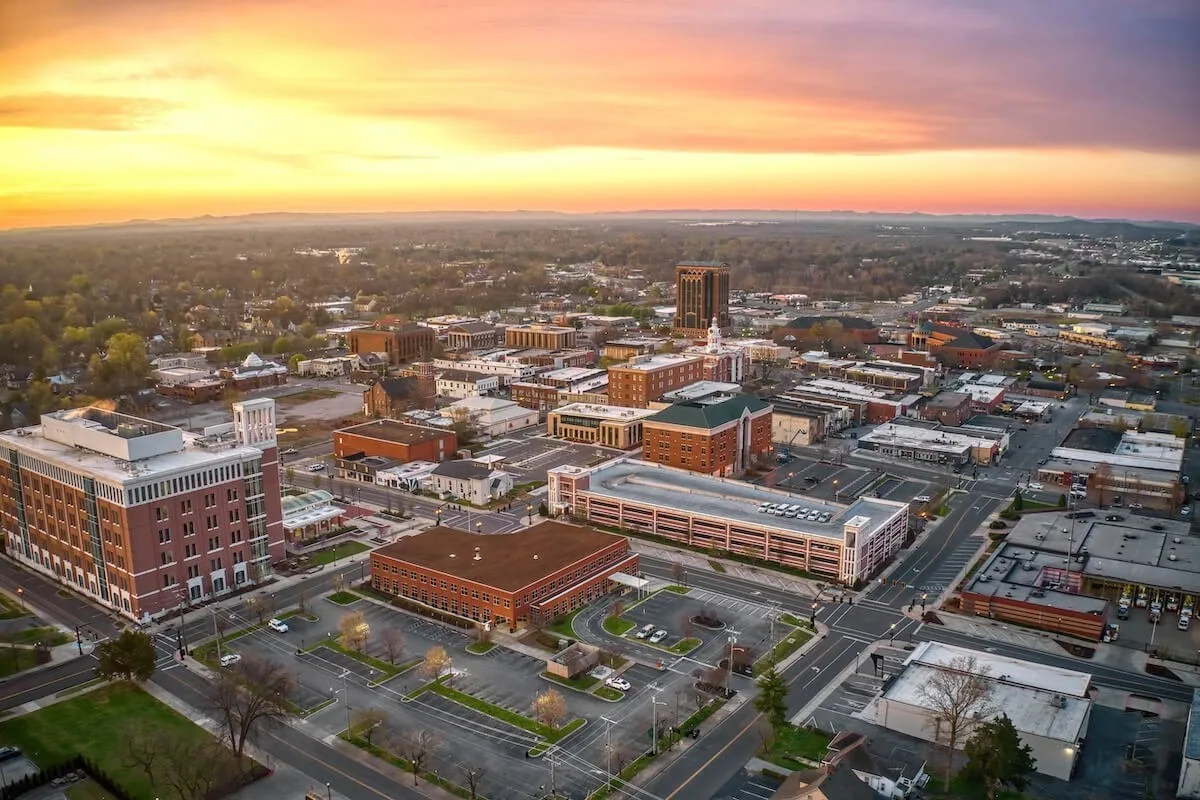
A commercial roof in the Blackman area may sit beside active roads, mixed land uses, and open parcels. In Murfreesboro, TN, our first walk identifies the roof assembly, edges, drains, equipment curbs, and the path the crew can use without blocking the building. The scope follows those observations. We mark the section with a leak or wind concern, record what is accessible, and record whether the deck or insulation needs a closer check before repair or replacement is priced.
West Park land in Blackman is bounded by Blackman Road, Burnt Knob Road, Veterans Parkway, and I-840. The west-area map also shows commercial uses within a wider mix of residential, civic, open-space, and agricultural categories. That is broad district context, not a description of any particular roof. We confirm the building's occupancy, roof access, staging space, and operating hours with the property contact. For work on another commercial area nearby, see the Cason Lane commercial area and Veterans Parkway corridor.
Mark the roof section
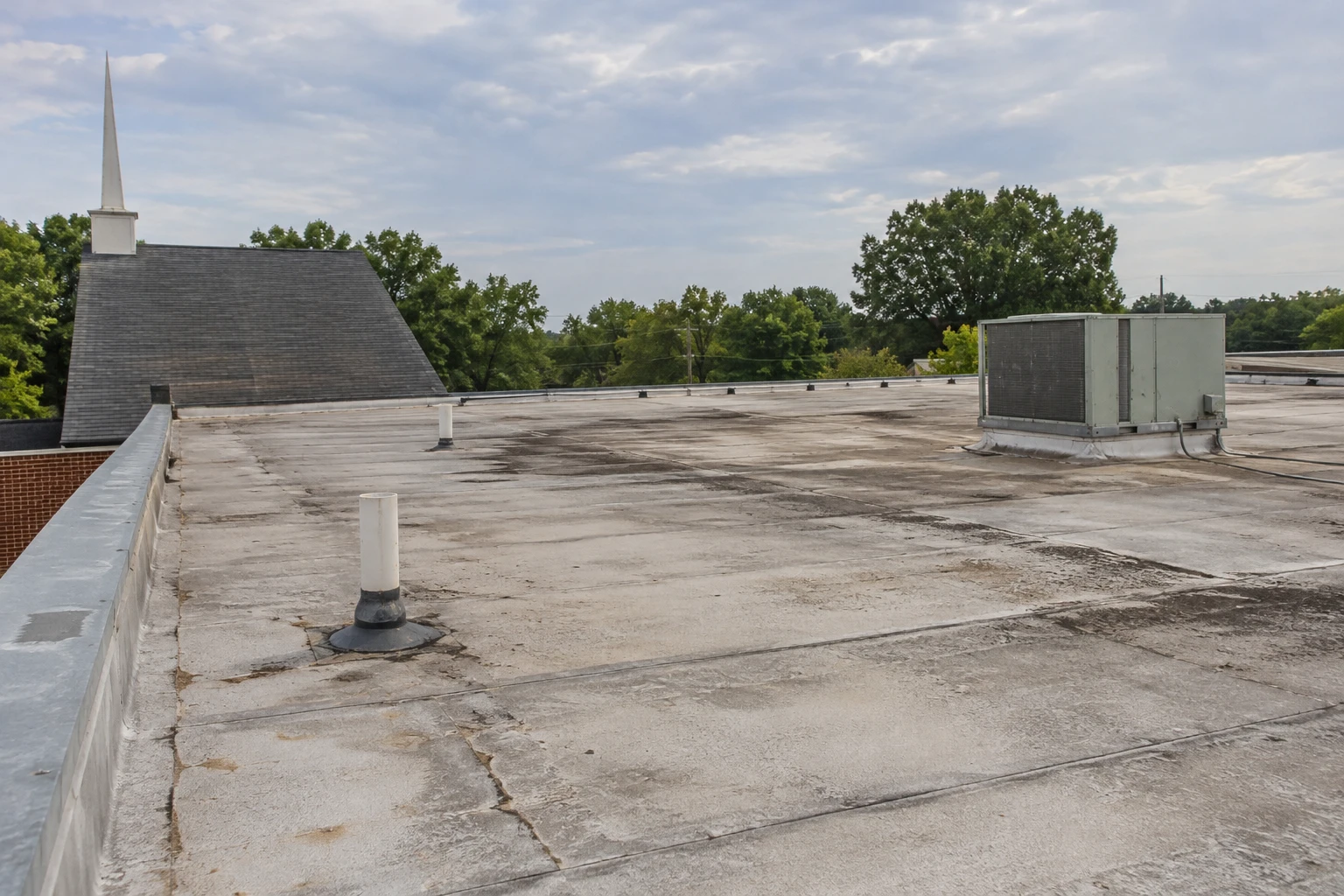
We begin at the access point and match the walk to the roof plan when one is available. Each section gets a name or mark that the owner can recognize later. We record membrane or metal type, visible seams, parapet edges, drains, scuppers, skylights, and rooftop equipment. A prior patch gets photographed with enough surrounding detail to show where its boundary sits. If the drawing does not match the roof, we identify the mismatch instead of carrying an old map into the estimate.
A roof leak can travel beneath the surface before it appears inside. We compare the interior report with drain paths, curb flashings, laps, and changes in roof height. If the likely opening is concealed, an infrared survey or test cut may help narrow the area. We explain the purpose and limits before opening the assembly. The owner receives a clear distinction between a confirmed defect, a likely route, and a condition that still needs testing. Our photo-supported condition report keeps those findings tied to a marked section.
Inspect edges after strong wind
After a reported wind event, we check coping, edge metal, perimeter securement, exposed fasteners, and membrane corners before looking for a large field opening. The National Weather Service recorded minor siding loss from strong winds near I-24 and I-840 in the Blackman area in July 2024. That report does not establish damage at another property. We use it as context for a careful roof walk, then photograph only the conditions we find on the building.
A lifted edge can let wind-driven rain reach the insulation or wall assembly. We follow the detail from the roof field through the termination and counterflashing, checking whether fasteners remain secure and the membrane has a sound tie-in. A patch should not end on loose metal or a wet substrate. If the damage is localized, we define the repair boundary and temporary protection. If multiple edge runs or deck areas are affected, we separate that broader work from a small emergency repair. When wind shifts a detail, our wind damage roof repair starts with marked field conditions, secures the opening, and closes the tie-in before the next weather hold.
Trace water to an outlet
Long-term normals for the Murfreesboro 5 N station put yearly precipitation at 55.92 inches; amounts of at least 0.01 inch occur on an average of 134.5 days. That city-level pattern makes drain and overflow checks useful, but it does not prove a leak on a Blackman roof. We inspect the actual flow path, including low areas, strainers, sumps, scuppers, and the membrane around each outlet. Debris, ponding, and failed flashing are recorded separately because each can need a different correction.
If water remains after the outlet is clear, we look for a low deck or insulation shift that may affect slope. A drain repair cannot correct a structural depression, and a coating will not change the direction of water flow. We record whether cleaning, membrane work, or tapered insulation belongs in the estimate. Any larger deck or slope correction stays visible as a separate option. A drain and scupper repair scope can address the bowl and tie-in while preserving a record of any remaining water path.
Compare the repair paths
A localized repair works when the surrounding membrane, flashing, and substrate can accept a sound tie-in. Repeated leaks in several sections, broad moisture, or an unstable deck can change the decision. The field record determines whether a contained patch can hold or whether retaining layers or removing them deserves a separate price. We weigh attachment, deck findings, insulation, access, and temporary protection before recommending a path. A recover is considered only after the existing layers and attachment are reviewed. The written scope describes what can remain, what must be removed, and which test would change the recommendation.
For covered work inside Murfreesboro, the adopted 2024 building and existing-building codes include local amendments. The city ordinance sets out specific roof-covering permit exceptions, but the exact scope and any exceptions should be confirmed with the City. We describe the proposed work clearly for that review. If a membrane replacement is under consideration, our TPO system work and roof recover evaluation can help compare system and overlay questions without assuming the existing roof is suitable.
Fit the work to the property
Roof access, material staging, and delivery timing can affect the schedule as much as the repair itself. We confirm the hatch or ladder route, lift location, equipment shutdown limits, tenant hours, and daily weather-tight stop. If the building has active work below the roof, the phase plan marks the area that stays clear and the point where the crew closes the tie-in. The facility lead knows who can release access if a weather hold changes the sequence.
During work, we protect open areas, keep materials out of drainage paths, and photograph concealed conditions before covering them. At closeout, we return dated photos of the repaired section, the boundary, and any follow-up item. That gives a manager a useful record for the next visit rather than a general record that the roof was serviced. Owners can request a commercial roof inspection or review GAF system repair options if records identify that assembly. Schedule a roof walk with the person who controls access and the operating window.
Commercial Roofing Questions
Does the July 2024 wind report show damage to my building?
No. It records impacts near I-24 and I-840 in the Blackman area. We inspect the actual roof, edge metal, and flashings at your property, then base any repair on those conditions.
What should we have ready for the first roof walk?
Share a roof plan, earlier repair records, current leak locations, and any access or equipment restrictions. We use them to mark sections and compare records with the roof we can reach.
Can you repair an edge without replacing the field membrane?
Yes, when the field sheet and substrate are sound and the perimeter detail can be tied back securely. We inspect the full termination and record any wet insulation or deck issue that changes the repair boundary.
How do you decide whether a recover is possible?
We review moisture, existing layers, attachment, deck condition, and the proposed added assembly. A test cut may be needed where concealed layers could change the decision; we record its location and result.
What happens if the weather changes during roofing work?
The crew closes the planned tie-in and protects any open area before leaving. The facility contact receives the next check needed before work resumes, so the roof does not depend on an unrecorded handoff.
Related Roofing Work
More commercial roofing work connected to Blackman in Murfreesboro.
Set a Blackman roof walk
Coordinate access, the reported roof section, and a practical work window. We will inspect the assembly, document any wind or drainage findings, and return repair or replacement options in writing.