
Manufacturing Plant Roofing in Murfreesboro, TN
Roofing for Murfreesboro manufacturing plants starts with the process below, roof assembly, and access window. We inspect details and scope work by section.
Manufacturing Plant Roofing
Production equipment changes the order of a plant roof job. For a manufacturer in Murfreesboro, TN, we identify the roof sections above process lines, electrical rooms, storage, and service routes before cutting into the assembly. A leak at a curb can affect one line while a seam split threatens a larger area. We trace the reported condition, check the deck and insulation, and match the work zone to what the facility can isolate for a shift.
Murfreesboro industrial areas include manufacturing, assembly, laboratories, warehousing, shipping, and food production. Those uses can bring roof openings, exhaust, and loading needs, but they do not establish a particular plant's equipment or roof type. We verify the membrane or panel in the field, locate prior repairs, and agree on shutdown and access restrictions. The written scope separates the roofing repair from any process or mechanical work that another trade must handle.
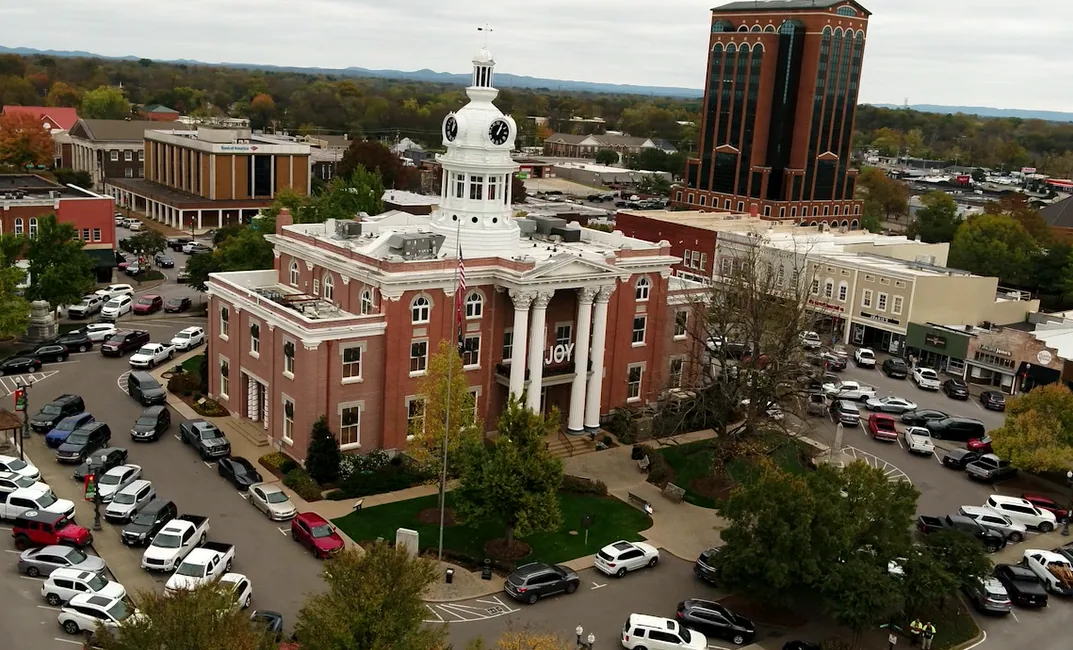
Locate the Roof Section Above the Process
Start below with the line, room, or control area where water appeared. We compare that report with the roof plan, then inspect the likely path uphill through seams, curbs, penetrations, and drains. Water can track over a deck or insulation before it reaches a machine, so the interior drip does not set the cut line. We record which rooms need protection and which production steps cannot pause during the roof walk.
Blackman mixes commercial, residential, civic, open-space, and other uses near I-24 and I-840. During a July 2024 wind event, minor siding loss was reported in the area. Cason Lane also has a mixed-use edge. None of those conditions describes an individual plant roof. After a reported event, we inspect the actual edge metal, panels, and membrane for movement before proposing repair. The work plan must fit the plant's own yard entrance and production schedule.
Check the Deck Before Releasing Equipment
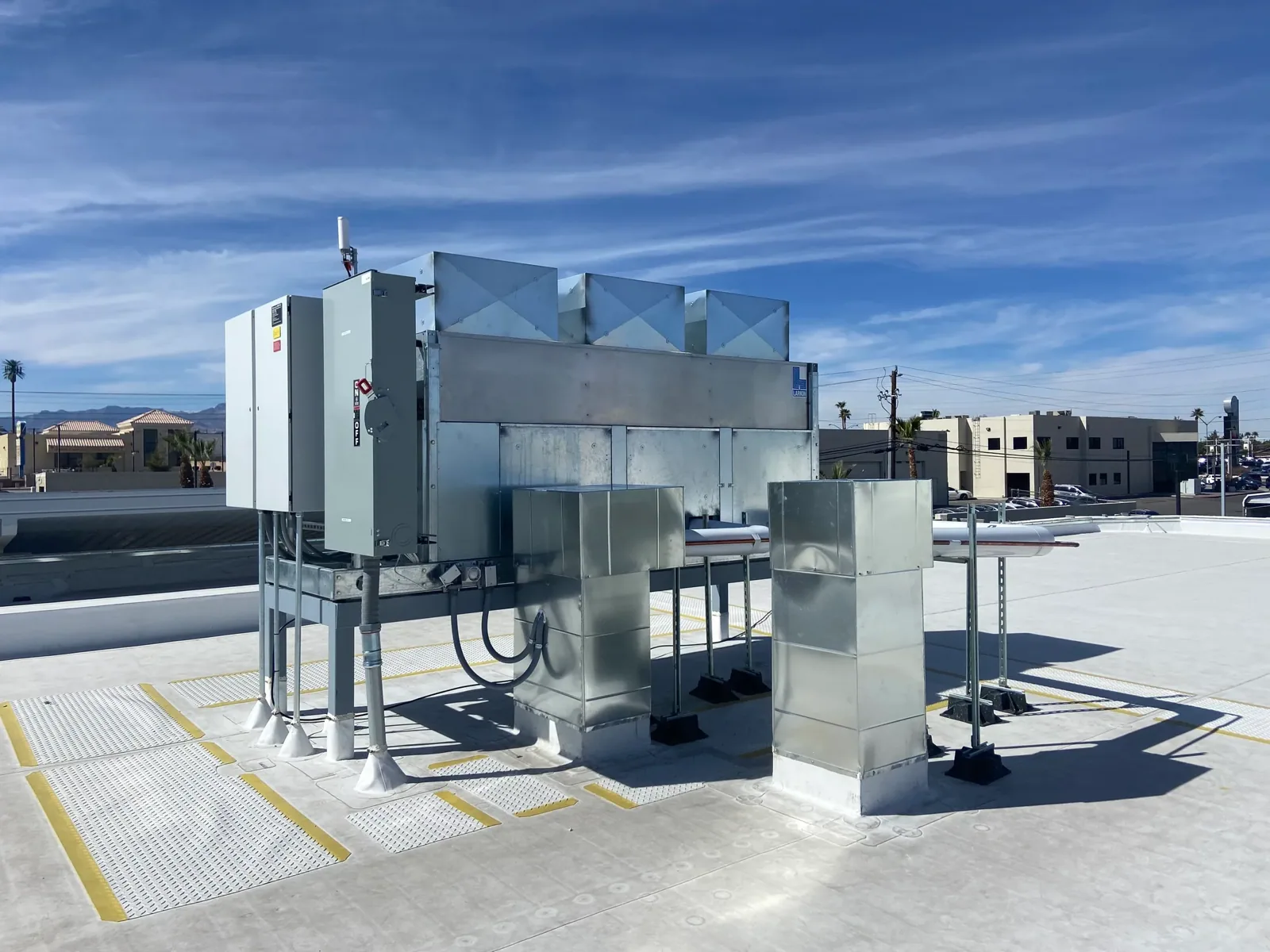
Manufacturing roofs may carry mechanical units, exhaust, pipe supports, cable trays, and older additions. We check curb corners, support bases, flashing, and the path water follows around each opening. If a unit blocks a repair, the site lead and mechanical trade confirm whether it can be moved or isolated. We do not cut a curb detail until the work boundary and equipment responsibility are clear. The report identifies any opening that could not be reached safely.
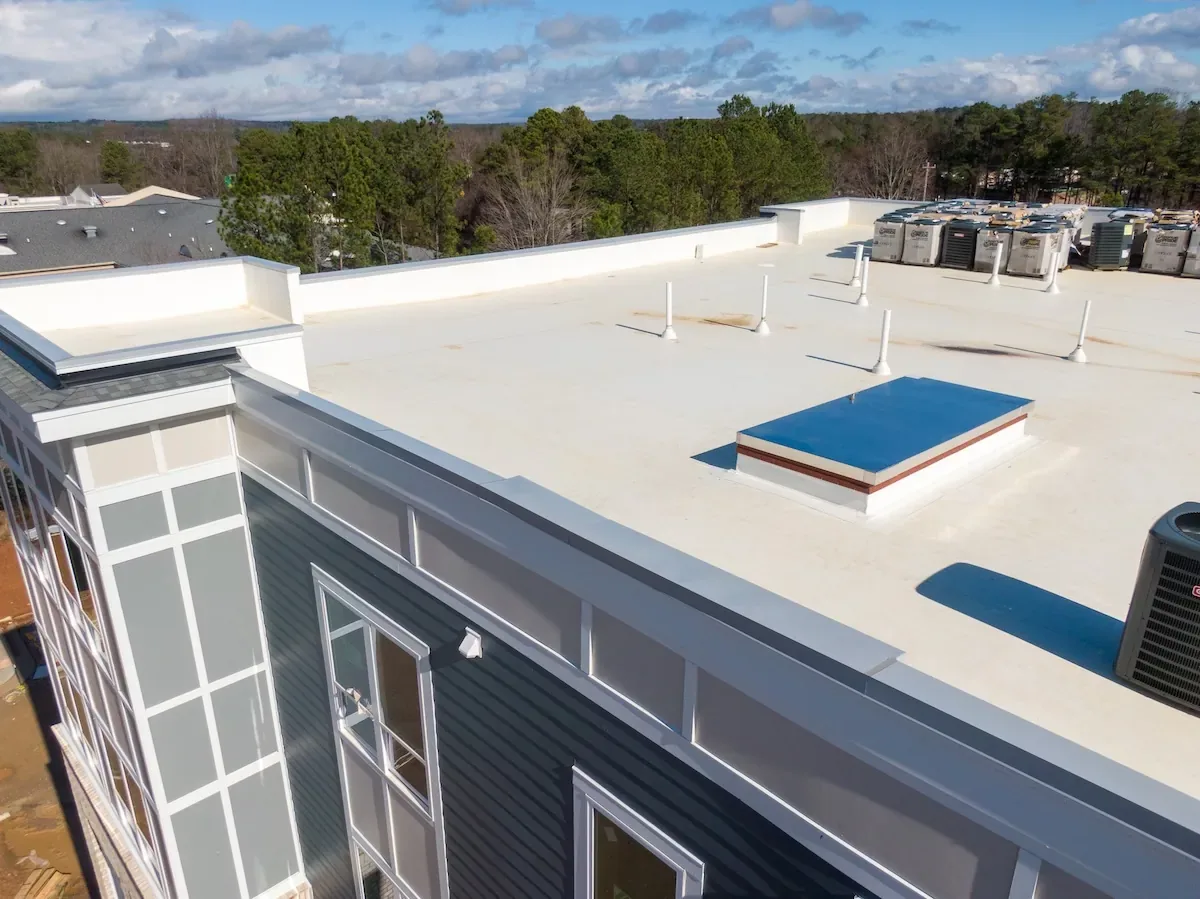
Membrane work depends on what is installed. A welded sheet needs a sound weld field, while adhesive membrane requires a clean compatible surface. Metal panels call for a check of fasteners, clips, laps, and purlin condition. A curb and support repair can address an opening that moves with equipment service. If the plant uses a confirmed sheet system, TPO membrane work follows its welds and terminations rather than covering an unknown surface.
Inspect Wind and Hail Areas Without Guessing
Hail can bruise a metal panel, displace edge metal, or mark membrane surfacing, but appearance alone does not set the repair. On May 26, 2024, 1.75-inch hail was reported two miles west of Murfreesboro. That regional event does not prove impact at a plant. We inspect the roof sections the facility identifies, photograph marks and displaced details, and compare them with earlier conditions when records exist.
A 2009 EF-4 tornado crossed Rutherford County and affected Murfreesboro. On a plant roof, the practical review begins with changed seams, uplifted edges, torn flashing, debris impact, and openings above active rooms. We separate temporary dry-in from permanent repair and preserve material or photos the owner needs for its records. A hail-damage assessment or tornado repair scope can document what was observed without treating the storm path as a roof diagnosis.
Set a Work Zone Around Shift Changes
Set the material route, lift location, and roof access with the people responsible for production and safety. A plant may need one line left running and another held for overhead work. We agree on the time, barriers, interior covers, and daily dry-in point before removing material. Tools and debris stay clear of drains, equipment intakes, and roof edges. When weather closes the window, we protect the exposed section before leaving the building.
Veterans Parkway serves as a unified business-park corridor for clustered office, technology, and laboratory uses. That setting does not define a manufacturer's property or route. We use the facility's confirmed entrance, haul path, loading rules, and shift calendar to plan deliveries. Commercial work near Veterans Parkway still depends on those site details. For active lines, phased reroof planning sets access controls and temporary protection around each released section.
Separate Roof Work from Process Changes
A new pipe, exhaust fan, or production line may change a roof detail after the last inspection. We compare the current roof with drawings and record where fasteners, pitch pockets, or supports were added. If a trade changed the opening, we identify the roofing repair and the item that needs mechanical or electrical coordination. The scope then states who protects the equipment, what access is required, and when the opening can be closed.
One isolated leak with sound surrounding material may stay within a repair boundary. Multiple wet areas, repeat edge movement, or a deck that no longer holds attachment can change the decision to recover or replace. We show test results and removal limits before covering the assembly. A warehouse roof review helps distinguish storage and dock constraints, while distribution center roofing addresses sort and receiving schedules. The plant's own line layout and roof condition control the work, not its category.
Return a Record Tied to Each Line
Closeout documentation should show the roof section, the opening or seam repaired, the nearest equipment, and any boundary that remains under observation. We label photos to the roof plan, record materials and preparation, and record whether the work area was tested before closure. If a shutdown changed or a trade could not attend, the records identify that open coordination item. A plant manager can use the record to schedule the next roof walk around production.
Send the roof plan, process area below the reported leak, equipment restrictions, prior repair records, and the shift windows available. We will walk the roof, check the assembly and deck, and return a written scope with the repair boundary and sequencing. If a larger capital decision is needed, a condition report gives the facility team a dated baseline. Start with the section that affects operations, then expand only where inspection findings support more work.
Commercial Roofing Questions
Can a plant keep production running during roofing?
Often, if the facility can release roof sections and protect the process below. We confirm overhead-work restrictions, shutdown needs, and the area a crew can dry in each shift before scheduling the repair.
How do you handle rooftop equipment above a production line?
We inspect the curb, supports, flashing, and nearby membrane, then coordinate access with the facility lead and equipment trade. The scope separates roof work from any unit move, shutdown, or line protection that requires another group.
Does a hail report mean the plant roof must be replaced?
No. A regional storm record does not show the condition of a specific roof. We inspect the areas reported by the facility, photograph visible impacts or movement, and compare localized repair with broader work only after checking the assembly.
What happens if removal exposes a damaged deck?
We protect the opening, photograph and mark the condition, then define the added work for approval. The crew does not cover a deck concern without identifying what the repair includes and what the revised dry-in limit will be.
What should the plant provide before a roof inspection?
A current roof plan, leak location, equipment list, roof access rules, and shift restrictions help set the route. Include prior repairs and any production area that cannot be exposed to overhead work.
Related Roofing Work
More commercial roofing work connected to Manufacturing Plant Roofing in Murfreesboro.
Scope the Plant Roof by Section
Send the roof plan, affected production area, equipment restrictions, and available shift window. We will inspect the assembly, trace the leak, and return a repair or replacement scope tied to operations.