
Logistics Roofs in Murfreesboro, TN
Commercial roofing for Murfreesboro logistics and 3PL buildings. We inspect docks, drains, equipment, and roof sections around active freight schedules.
Logistics Roofs
A distribution roof sits above trailers, dock doors, conveyors, and inventory that cannot simply pause. In Murfreesboro, TN, we start by matching the roof plan to the dock rows and yard movements. Murfreesboro's future industrial uses include warehousing, distribution, shipping, and large loading areas. Along the I-24 SMART Corridor, freight routes connect Murfreesboro with Nashville and the wider region. The New Salem Highway corridor is among the routes slated for improvement, while each facility gate and appointment rule sets its actual delivery window. We inspect the drainage path, penetrations, seams, and roof access before planning work above an active distribution center.
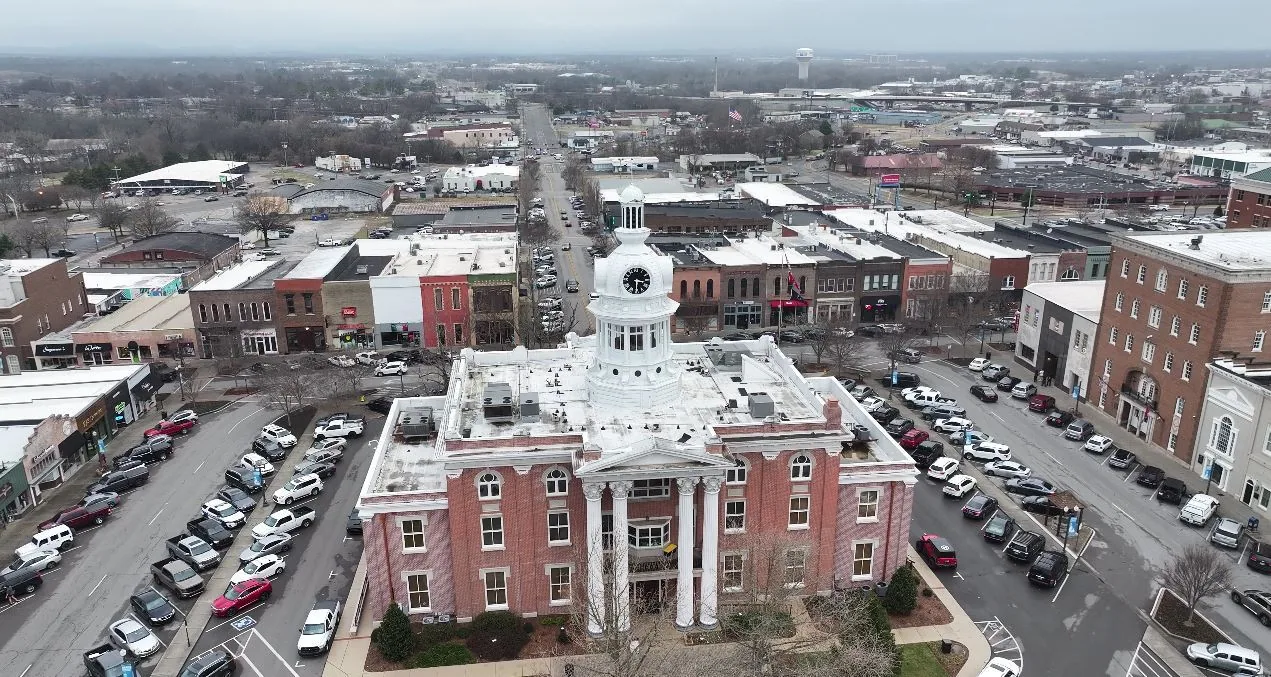
Protect the Dock Rhythm
We ask the operations lead when trailers queue, where lift traffic crosses, and which dock doors must remain available. The material drop, crane location, and roof hatch need a route that does not cut through a live yard lane. If the roof area above a dock needs removal, we set a work boundary and time it around dispatch. The crew closes each opening before the shift handoff. A drawing with roof sections and dock references gives the facility one place to track access, temporary protection, and completed work.
Murfreesboro's future industrial uses include shipping and distribution alongside manufacturing. A manufacturing roof plan may involve process equipment; a 3PL roof review usually adds tenant inventory, loading windows, and shared maintenance responsibility. We record which party releases the roof area, who handles interior protection, and where materials can be staged. At a facility near New Salem Highway, planned road work may affect the approach route. The property contact should confirm the current gate instructions, turn limits, and delivery slot before any removal is scheduled.
Follow Water Across the Roof
Long roof fields can hide a drainage issue between the leak call and the outlet. We trace low points, inspect drains and scuppers, and check whether tapered insulation, prior patches, or settled deck areas interrupt the intended flow. A blocked bowl is different from a depressed roof section. We photograph the area and, when approved, test the assembly to see whether insulation is wet. The scope identifies the cause we can confirm and separates it from conditions that need another opening or interior access.
At Murfreesboro 5 N, annual precipitation averages 55.92 inches, and measurable rainfall occurs on 134.5 days. That background supports a closer look at outlets and recurring leak zones, but it does not prove ponding at a specific warehouse. We connect a repair to the actual roof geometry. A drain and scupper repair can correct a damaged outlet detail; a larger slope correction has different material and disruption needs. The plan needs to state the roof section, outlet, adjacent seams, and any dock area that requires interior protection during the work.
Check Seams, Curbs, and Roof Traffic
Conveyors, exhaust fans, refrigeration lines, and rooftop units make penetrations that are exposed to foot traffic and service calls. We inspect curb corners, pitch pockets, counterflashings, pipe boots, and membrane seams, then record where maintenance access crosses the roof. Repeated travel can damage a walking pad or loosen a detail. We mark the repair boundary rather than writing a broad instruction to seal every penetration. If a trade must lift a unit or conduit, the scope identifies the required handoff and protects the open edge before weather moves.
Heat and cold alter the available installation window. Murfreesboro's climate normals record about 47.8 days a year at 90 degrees Fahrenheit or higher and roughly 89 nights at or below freezing. That matters when preparing a surface, welding a membrane, or applying a liquid product. We confirm the assembly and daily conditions before choosing a repair. A commercial roof inspection can document the system and its access points; a photo condition report keeps each finding tied to a marked roof section.
Separate Storm Review from Routine Wear
After a reported storm, we inspect the accessible field, perimeter, curbs, and rooftop equipment. A May 8, 2024 hail observation seven miles south of Murfreesboro gives a local event date for a roof review, but does not establish that a distribution building was struck. We photograph visible conditions, identify areas that remain inaccessible, and separate fresh impact from older deterioration. If a damaged opening threatens inventory, temporary protection comes first. The permanent scope follows after the assembly is dry enough to evaluate and the facility can release a work window.
Hail damage can affect membrane, edge metal, equipment screens, or skylight details. We identify each item by roof section and keep unrelated maintenance separate. Where dispatch needs a clear dock, the operations lead can reserve a roof zone without closing the entire building. Photos and a short handoff make the repair boundary clear to the next shift. A storm date helps organize the inspection; the roof condition controls the repair recommendation.
Price the Work by Section
A small seam opening with dry insulation can call for a different repair than repeated wet test areas or loose attachment across a field. We show the removal limits, replacement layers, tie-in points, and the roof area that will be protected each day. A recover also requires checks at drains, curbs, and parapets because added height can affect water flow and service access. If several tenant spaces share one roof, each interior report stays linked to its own roof section. The owner can compare an urgent repair with a planned replacement without treating all areas as one condition.
Where a roof crosses a tenant boundary, we label each zone and the party that can release it. The operations contact can then match the repair limit to inventory moves, replenishment, and end-of-shift access. We also record any drain or hatch that must remain reachable while a section is closed. That small map detail prevents the crew from staging across the next shift’s route. For multi-property operators, a portfolio handoff can align access contacts and closeout records across facilities. For one warehouse, we keep the scope narrow and name the dock row, equipment, and drainage path. A Medical Center Parkway work window is one example of how local access differs by corridor, but the delivery plan for a logistics site comes from its own gate and yard layout. Send the roof plan, leak locations, dock calendar, and equipment restrictions before the walk.
Commercial Roofing Questions
Can roof work proceed while outbound trailers are loading?
We can sequence work by roof section when the facility can provide a safe access and staging window. Dock doors, yard traffic, and the dry-in limit set the daily boundary.
How do you handle leaks above stored inventory?
We locate the roof section, protect exposed goods where needed, and document the opening before permanent repair. The scope separates temporary cover from the material and labor for a lasting correction.
What is needed to plan a roof material delivery?
Provide the gate procedure, truck limits, dock calendar, staging area, and the contact who can release the route. We confirm those details before dispatching material or equipment.
Do hail reports prove a distribution roof needs replacement?
No. A report describes a storm observation, not the condition of a specific assembly. We photograph the accessible roof, record impact or wear, and price only the work supported by inspection.
Can several buildings share one maintenance plan?
Several properties can share scheduled roof walks and consolidated records, while conditions and repair boundaries remain separate by building. That shows which site needs immediate work and which one needs monitoring.
Related Roofing Work
More commercial roofing work connected to Logistics Roofs in Murfreesboro.
Schedule a Logistics Roof Walk
Send the roof plan, dock calendar, and access rules. We will map the work zone and return a written scope by roof section.