
Commercial Roofing in Christiana, TN
Commercial roof inspection and repair in Christiana, TN, with storm response, safe access, and repair scope tied to observed membrane and deck conditions.
Christiana
A leak above a work area needs a roof-level check before the interior stain is patched or a replacement is priced. In Christiana, TN, we identify the roof assembly, map the reported water entry, and inspect the nearest seams, curbs, drains, and wall transitions. The first scope marks what we can confirm and what needs a test. That keeps the owner from paying for a surface repair that leaves wet insulation or a failed tie-in outside the work boundary.
Christiana is a Rutherford County community with a Christiana/Plainview fire-rescue response area. Severe storm damage affected Christiana and Eagleville in May 2024. That event makes timely documentation useful after a reported storm, but it does not establish roof damage at a particular property. We inspect the actual membrane, flashing, and deck, then record any opening or moisture condition by roof section.
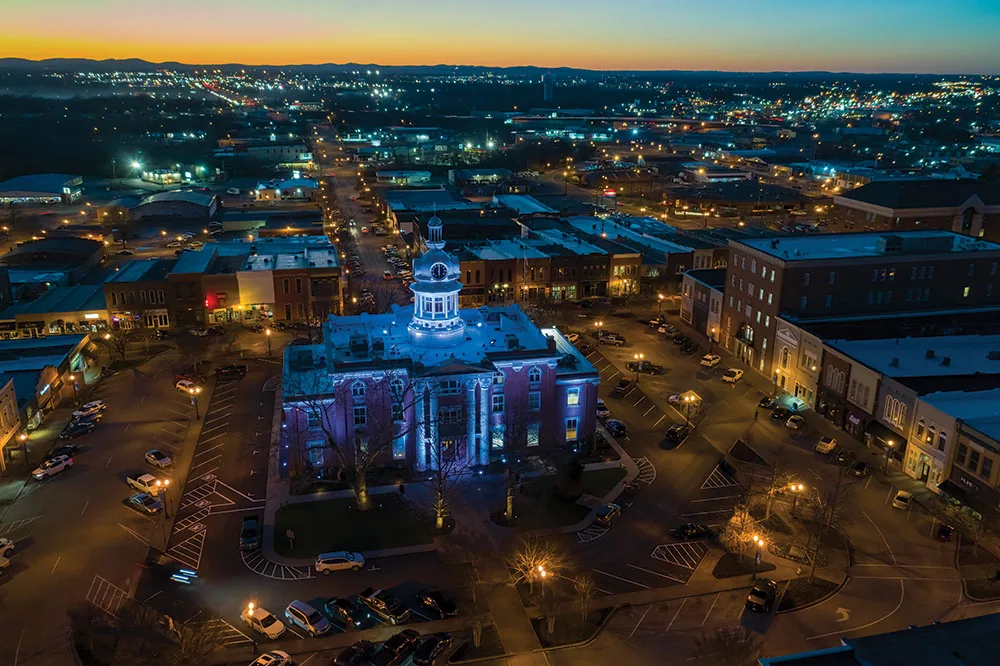
Document the storm boundary
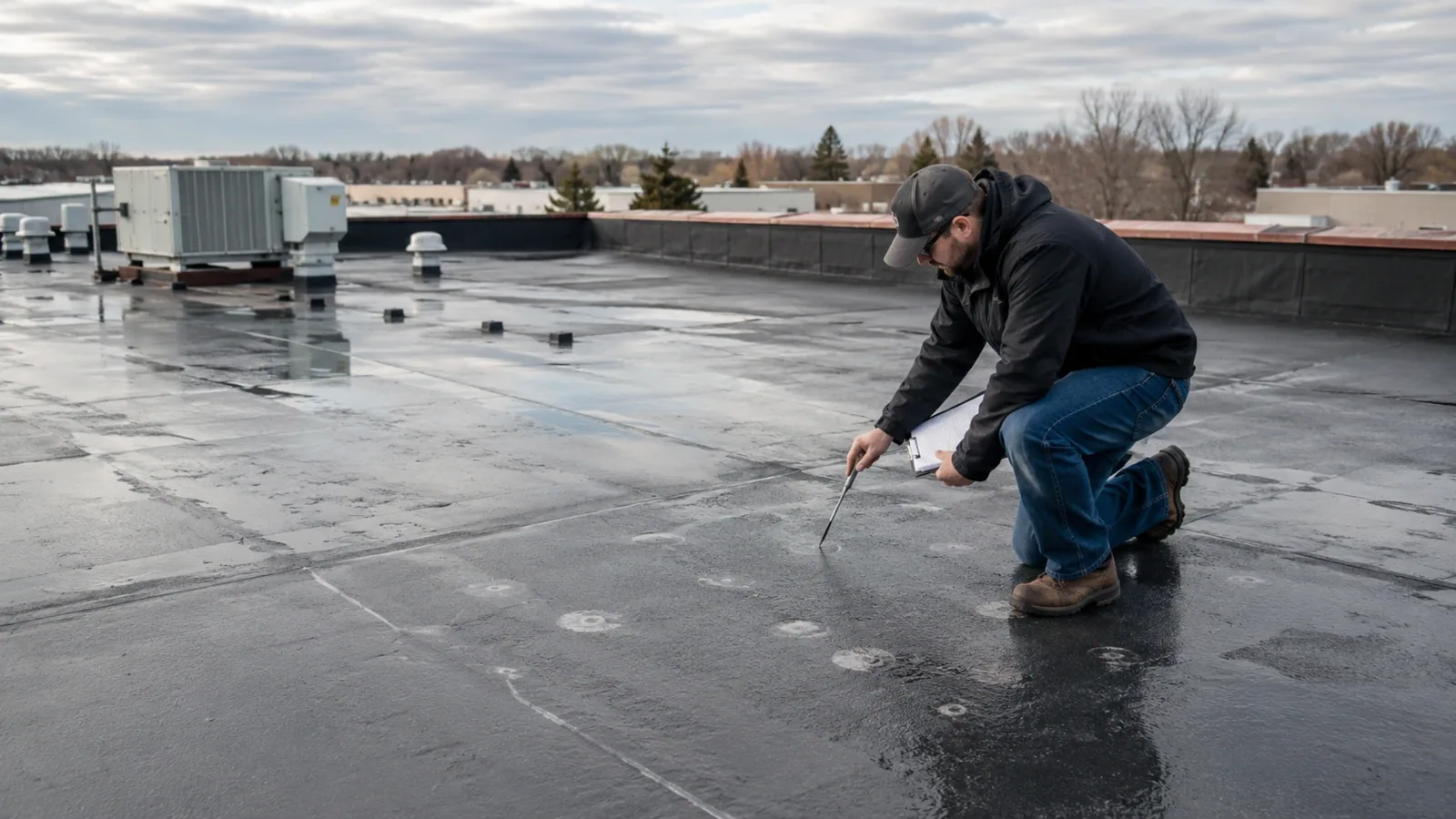
After a severe storm report, begin with the buildings where water entry, displaced metal, or interior damage has been observed. We take dated photos of the roof field, parapet edges, penetrations, and equipment curbs, then compare them with the reported leak locations. A crease, puncture, or lifted termination is described separately from a stain or impact mark. The inspection record should show what was visible and whether moisture testing is needed below the surface.
At a property with several roof sections, we keep each condition tied to its location and assembly. A leak near a curb may have a different cause from one at an edge or drain. We record whether temporary protection is in place and how long it can remain before a permanent detail is installed. For an active opening, emergency stabilization can secure the area while the damage scope is prepared. Owners can compare a documented hail damage repair with other storm response work after the inspection establishes what the roof shows.
Confirm access before dispatch
Christiana and Plainview share a county fire-rescue response area, but that does not tell a roofing crew how to enter a specific property. We confirm the correct gate, roof hatch or ladder, site contact, and any lane that must stay available. If a lift is required, we check turning space, overhead lines, and the surface that will carry its weight. Material staging is planned away from responders, deliveries, and occupied entrances.
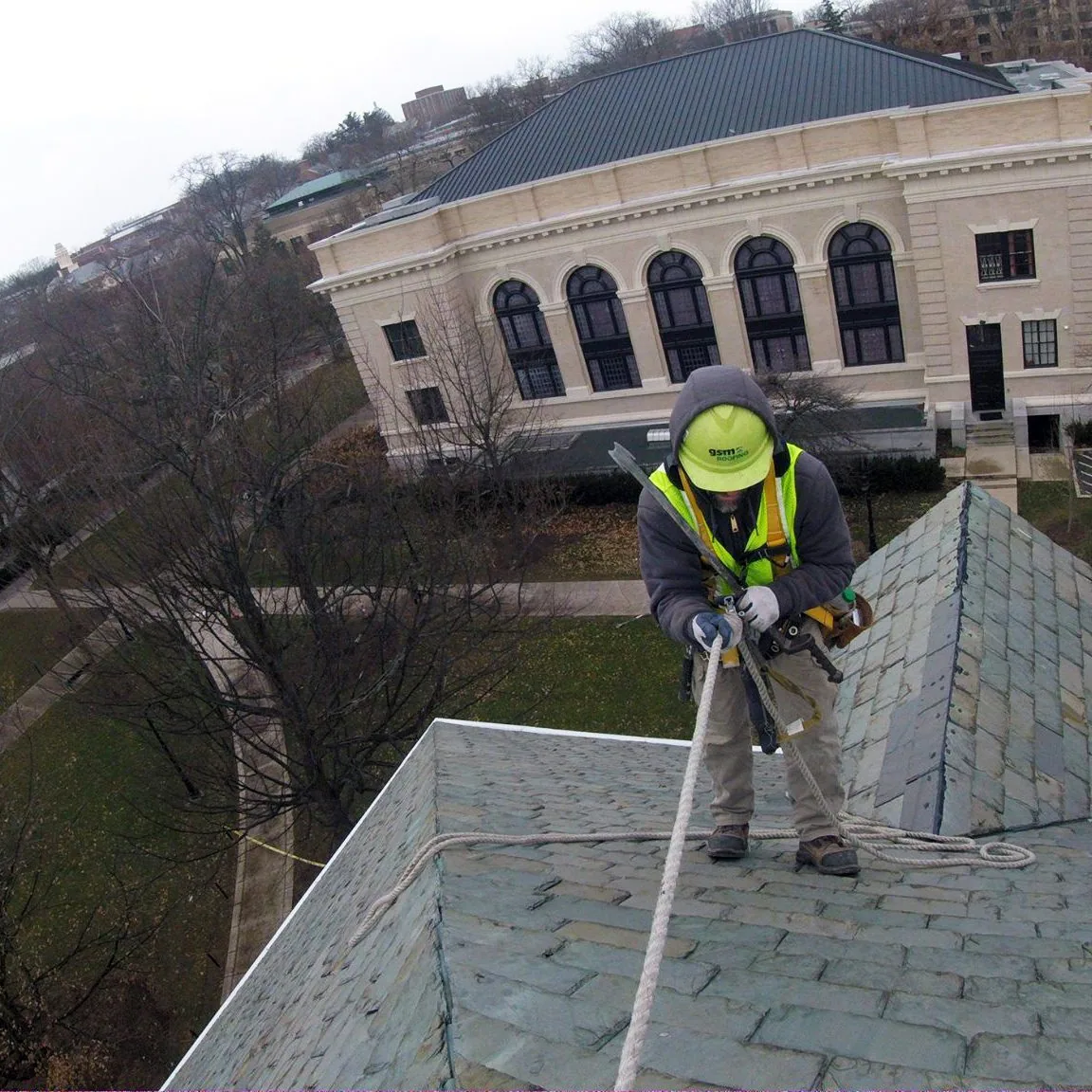
For a building with limited access, inspection may need a shorter initial visit followed by a scheduled test or repair window. We record which elevations can be reached and which details remain unseen. A drone image can help document the roof surface, but it does not replace a safe close inspection where flashing or deck condition is uncertain. A commercial roof inspection can capture the full assembly, with aerial images helping document surfaces that should not be entered.
Choose the smallest sound scope
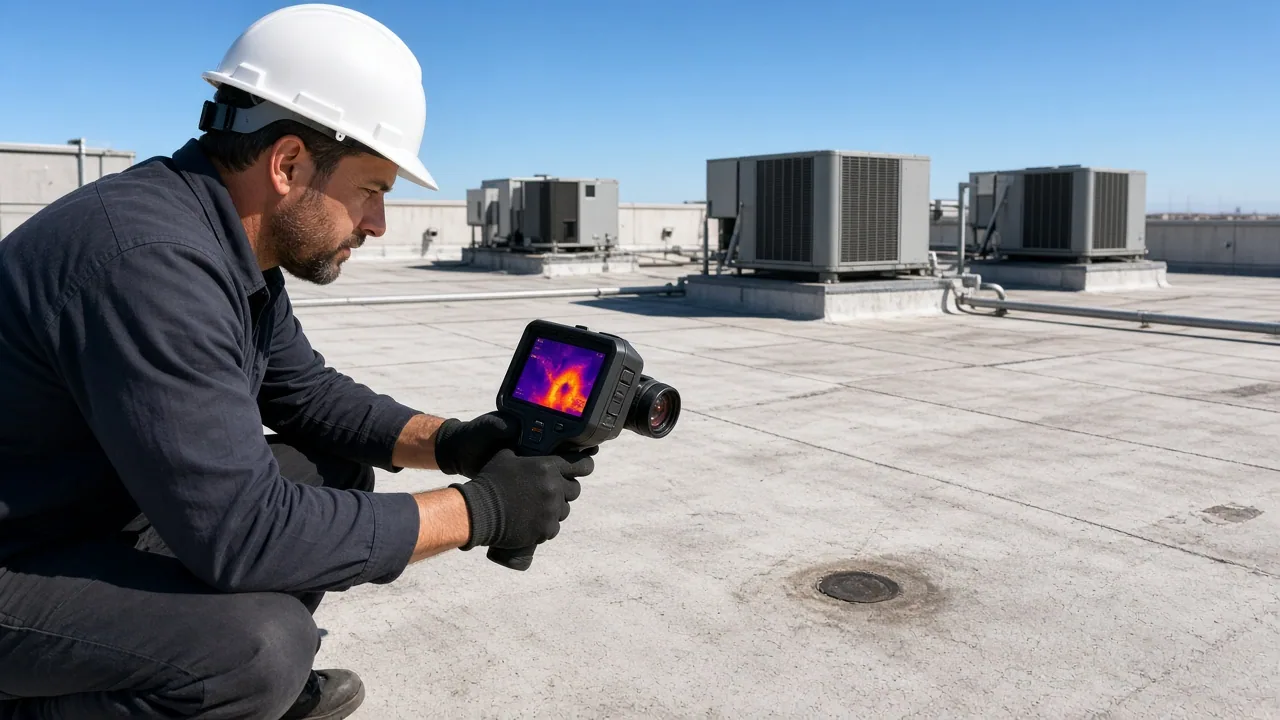
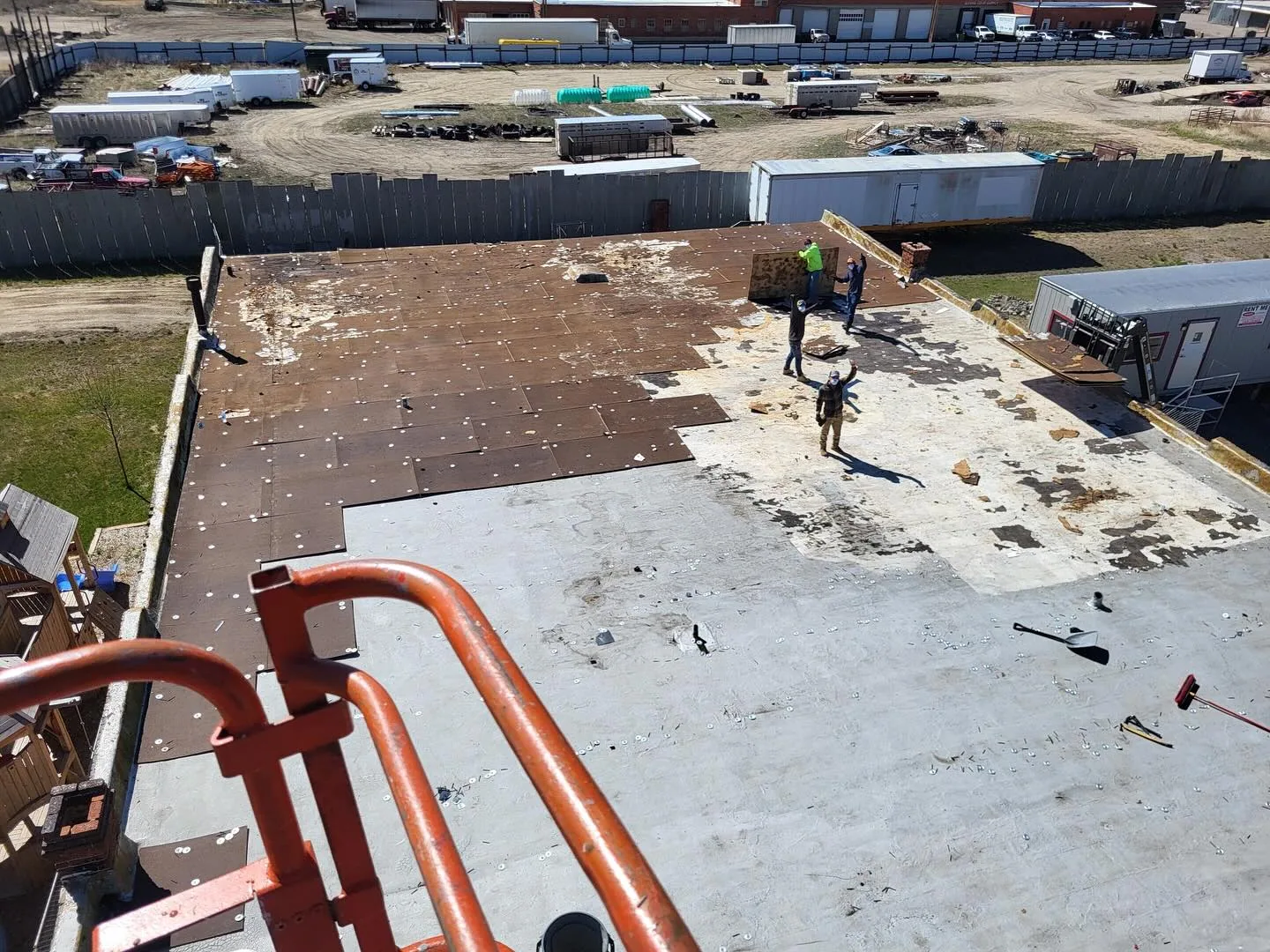
A local repair is practical when the membrane remains attached around the opening and a new patch can weld or bond to sound material. We check seams, flashing, and the deck around the reported area, then mark the exact limit of the repair. If water has moved under the insulation, the work may need to reach beyond the point where it appears inside. That boundary is shown before the owner approves a permanent repair.
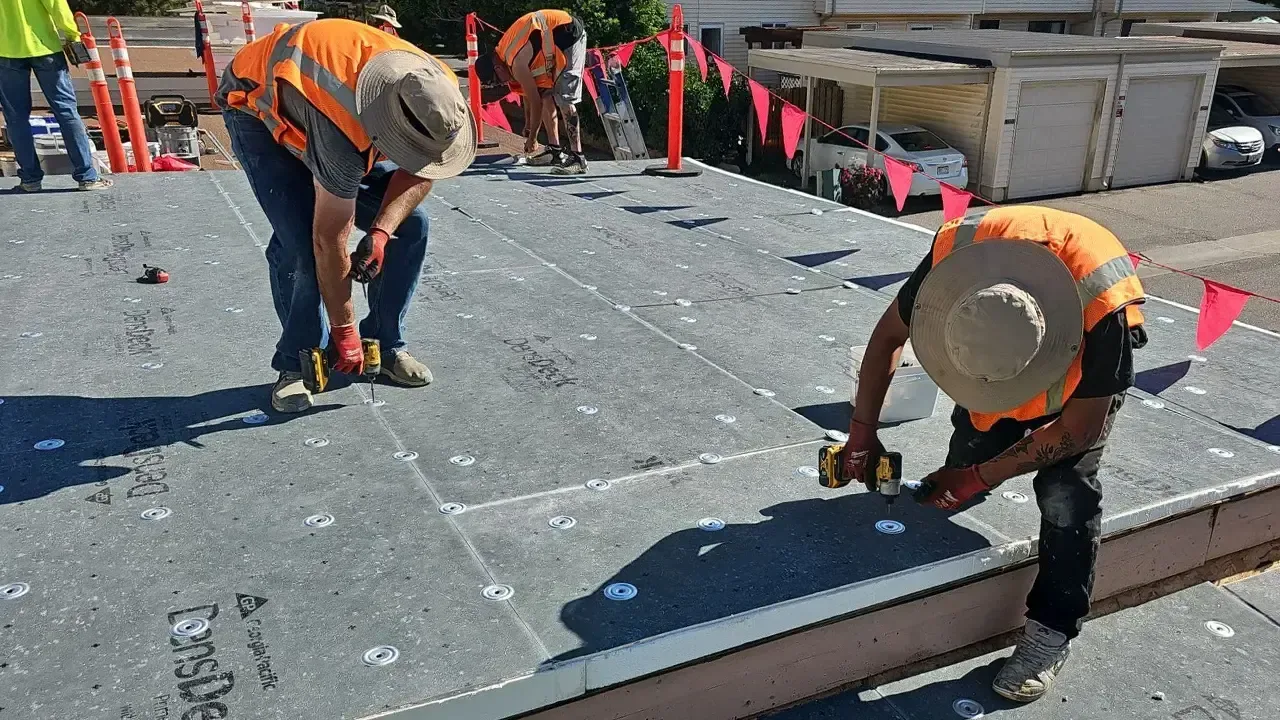
Repeated leak calls, connected wet areas, or a deteriorated deck may shift the decision toward replacement. A recover remains possible only when existing layers, attachment, drainage, and structural capacity can support another system. We separate tear-off, insulation, deck repair, edge metal, and weather protection in the estimate. The owner can compare targeted roof repair with replacement planning based on observed conditions.
Protect the occupied area
Roof work should not leave an open route for water at the end of a shift. We break the work into sections, protect drains and penetrations, and install a temporary tie-in wherever weather or site operations require a stop. The crew photographs the boundary before leaving and records what remains for the next window. Inside the building, the owner identifies sensitive equipment, stored materials, or rooms that need extra protection while a leak is being contained.
If a repair requires an interior ceiling opening or equipment shutdown, we coordinate that access before the crew cuts or removes material. The roof scope and interior work should name the same location, so a facility lead can verify that the water path is addressed. If insulation is wet, it is removed or dried only within the authorized boundary. A phased plan for an occupied building can limit disruption, while commercial roofing in Eagleville addresses a nearby community with its own site conditions.
Return findings with the repair
Each completed repair should leave a record that identifies the roof section, detail repaired, material installed, and date of work. We include closeout photos and record whether the surrounding membrane was tested. If a condition remains outside the approved scope, it is listed as an open item rather than folded into a general statement that the roof is complete. This helps a property manager plan follow-up and prevents a later visit from starting without the history.
A maintenance visit can revisit the same drains, seams, and edges after weather has tested the repair. If a new stain appears, the prior photo shows whether it follows the same path or starts at another detail. We can keep the findings in a roof condition report and schedule preventive roof maintenance around the building's access window. For another Rutherford County location, the Rockvale service area has its own inspection context.
For a site with several roof elevations, each photo should show a stable reference point such as a hatch, curb, or parapet corner. We label the roof section and direction, then attach the image to the matching repair record. This makes the handoff useful to a facility lead who was not present during the inspection and gives the next crew a clear place to resume.
We also record whether the repair is temporary or complete, what part of the roof was opened, and what condition was found below the surface. If the approved work stopped before a related area could be tested, that boundary is clear in the report. A later visit can start with the open question instead of repeating completed work.
Commercial Roofing Questions
Did the May 2024 storm report prove my roof was damaged?
No. The county reported storm damage affecting Christiana and Eagleville, but a report does not establish the condition of every roof. We inspect your building, photograph observed damage, and document any test needed before making a repair recommendation.
Can you inspect after a storm before we know where water entered?
Yes. We can check edges, penetrations, drains, seams, and rooftop equipment, then connect visible conditions to any interior report. Areas that cannot be accessed safely are listed for follow-up rather than treated as inspected.
What access details should be confirmed first?
Confirm the gate, roof hatch or ladder, contact who can grant entry, and any route that must stay clear. If a lift or material delivery is needed, we review the staging area and loading window before dispatch.
How do you keep the building dry during a phased repair?
We open a manageable area, protect drains and penetrations, and close the stopping point with a temporary tie-in if weather interrupts the work. The crew photographs that boundary and returns within the planned work window to complete the permanent detail.
When does a storm repair become a replacement project?
Replacement is considered when damage reaches multiple sections, insulation is wet across a broad area, the deck is unsound, or repeated patches cannot tie into reliable material. We document the limits of repair and price the alternatives separately.
Related Roofing Work
More commercial roofing work connected to Christiana in Murfreesboro.

Schedule a Christiana roof assessment
Share the reported leak or storm condition, roof access contact, and the site's operating window. We will document the affected section and prepare a written repair boundary.