Commercial Roofing in Bradyville Pike, Murfreesboro, TN
Commercial roof repair and reroof planning along Bradyville Pike in Murfreesboro. We inspect access, drainage, penetrations, and each repair boundary.
Bradyville Pike
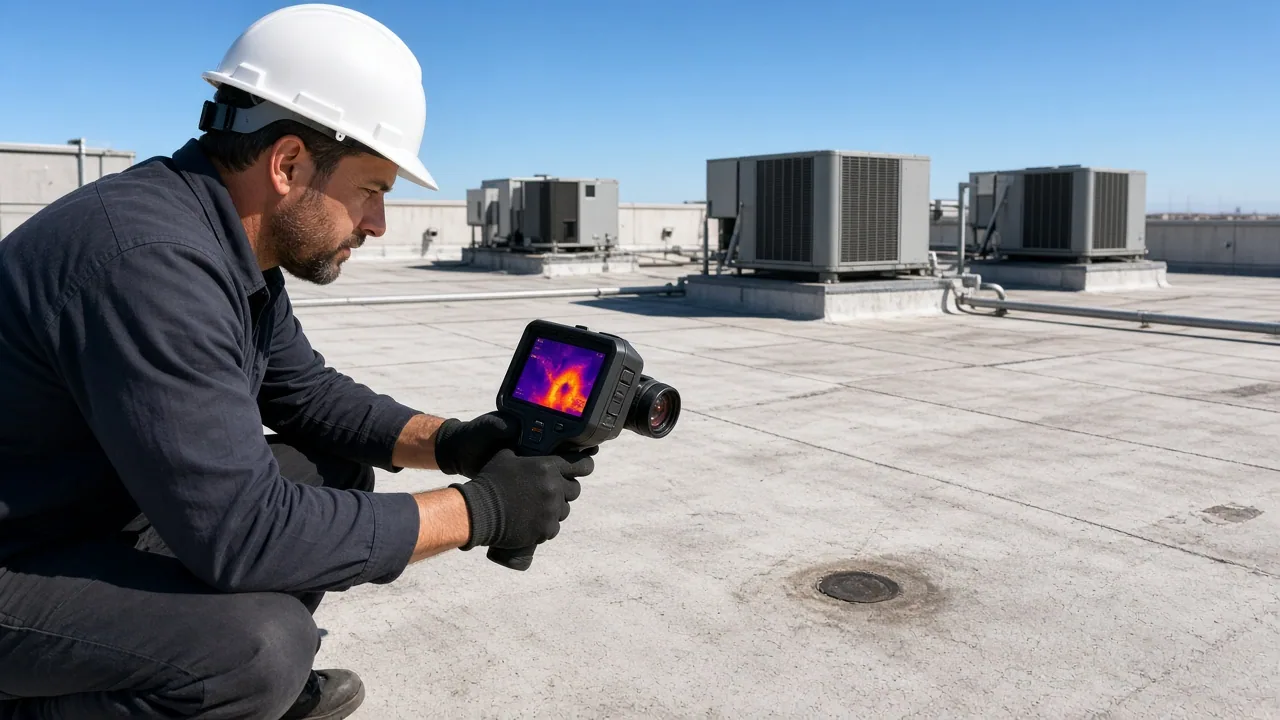
Along Bradyville Pike, the first roofing question is what the roof assembly and building operation will allow. We inspect each section, identify the drainage path, and record curbs, penetrations, edge metal, and prior repairs. Then we set the work zone, access route, and daily stopping point with the property contact.
Bradyville Pike connects with the Southeast Broad Street and Rutherford Boulevard network. A planned widening segment runs between Southeast Broad Street and Rutherford Boulevard, while Murfreesboro's commercial-use guidance places many general-commercial uses on arterial and collector roads. Those corridor facts help frame access questions; they do not establish the condition or schedule of any particular property. Nearby service areas include South Church Street and US 231 and North Rutherford Boulevard.
Map the roof transitions
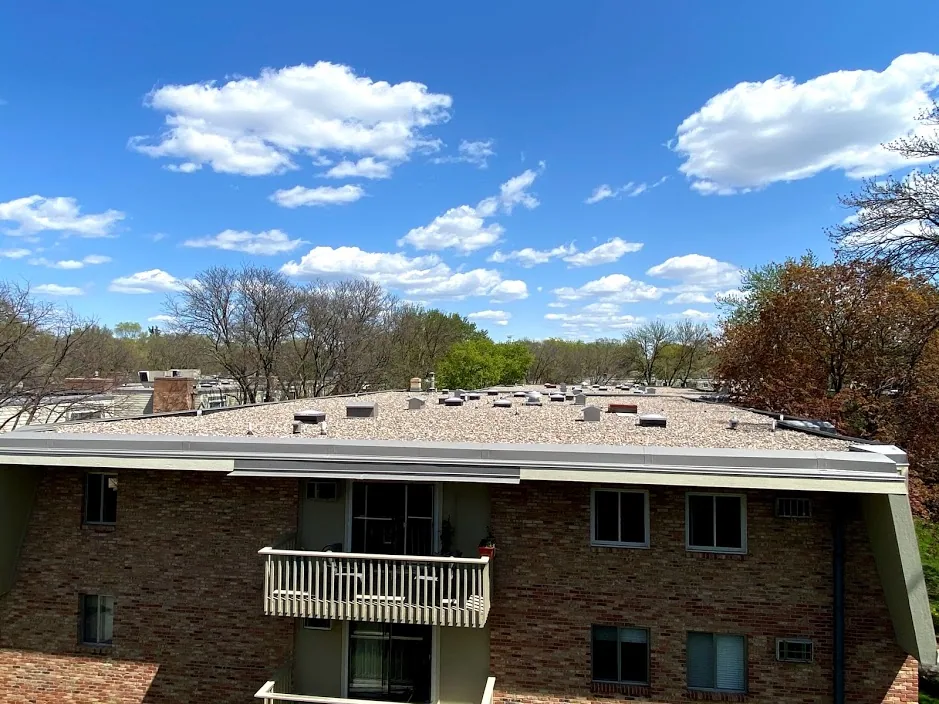
Lay out the roof plan and mark where the assembly changes. record wall lines, equipment curbs, pipe penetrations, expansion joints, and any area that drains across a lower roof. A previous patch can hide a seam or cover a wet spot, so record its material and limits before disturbing it. The field map should distinguish visible conditions from assumptions.
Confirm the material route from the delivery point to the roof edge. A lift may need a different location from the truck, and a tenant entrance below can require a protected path during overhead work. We write down who can approve temporary restrictions and who receives notice if the loading window shifts. That information keeps roof access tied to the property's schedule rather than a general corridor expectation.
Bradyville Pike's position in the southeast street network makes loading and material movement part of the walk. Confirm which approach a delivery can use, where equipment can be staged, and whether a pedestrian route passes below the work. The transportation plan connects road capacity with access to shopping, employment, institutional, recreational, and cultural destinations. For a roofing crew, that means verifying each property entrance and work window. A commercial roof inspection can establish the current baseline, and a multi-property roof program can keep findings organized when several buildings need a common review.
Set a drainage baseline
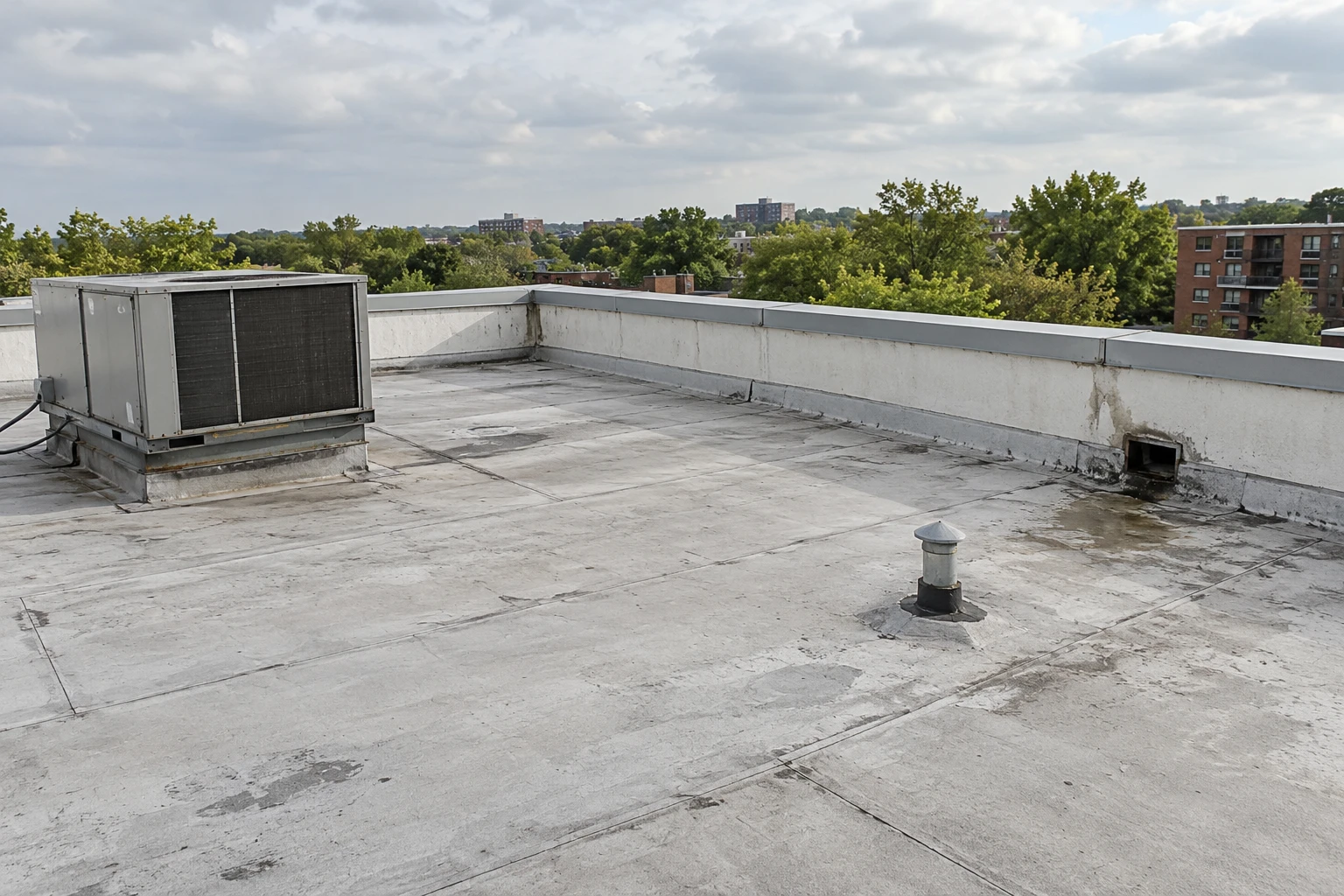
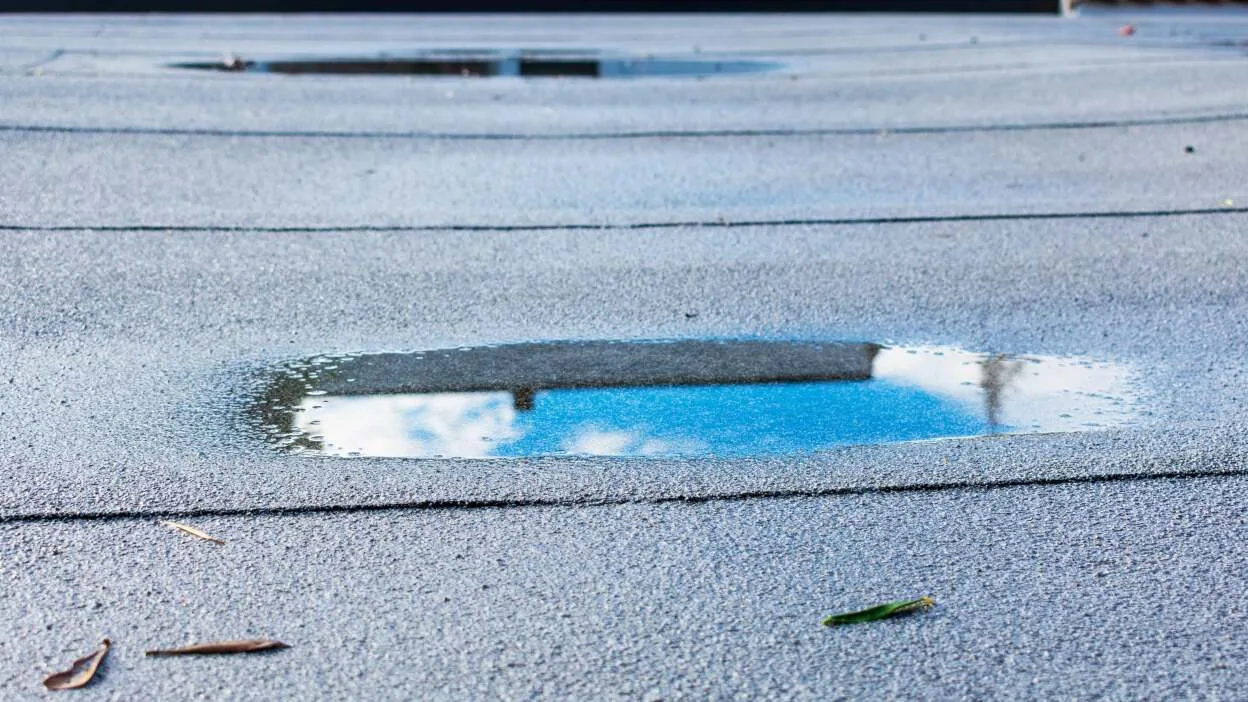
Start at the high point and follow water toward the drain, scupper, and overflow. Check the strainer, drain bowl, flashing, membrane, and discharge route. If water remains after accessible debris is cleared, record where it sits and how long it persists. A blocked outlet, failed flashing, and low deck are different findings. Cleaning is not a substitute for correction when the roof geometry or substrate is holding water.
Murfreesboro's climate normal at the 5 N station is 55.92 inches of precipitation annually, with measurable precipitation occurring on 134.5 average days. This city-level weather pattern is a reason to make outlet condition part of routine inspection along the corridor. It is not a diagnosis for a particular roof. Our drain and scupper repair can address the outlet connection when field evidence supports it. If ponding extends beyond the bowl, ponding-water repair can evaluate slope, insulation, and the deck.
Where a roof drains toward an edge or a lower canopy, inspect both surfaces and the point where runoff changes direction. A blocked path can send water toward a wall even when the main drain appears clear. We photograph the route, test accessible outlets, and record whether the water can discharge without crossing a doorway or equipment pad. The repair scope follows the observed route.
Photograph the repair area
At every curb, pipe, and wall, inspect the flashing turn-up, seal, support, and adjacent membrane as one detail. At the perimeter, check coping joints, termination, fasteners, and edge metal. A loose cap or open joint may require a larger repair than the visible gap suggests. We photograph a close view and a wider reference, then mark the repair boundary on the roof map.
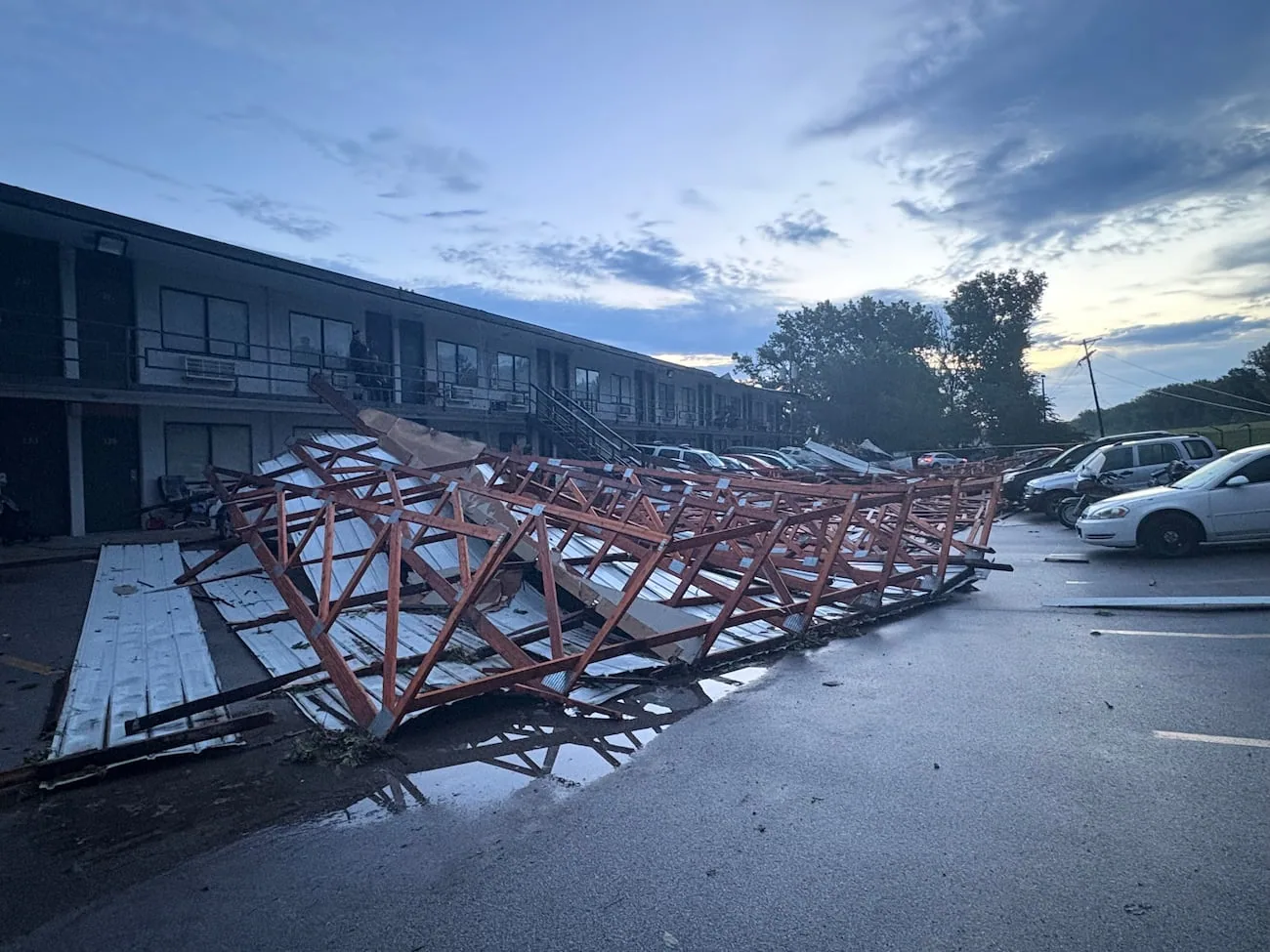
After a reported wind event, look for displaced metal, lifted corners, open seams, or punctures. Do not assume a corridor-wide report proves damage at this address. We record what is present and preserve the date and location for the owner. A wind-damage inspection can document the roof details; the report separates observed movement from any unconfirmed cause. If the field system is TPO, TPO roof work should use compatible materials and preparation for that installed assembly.
Choose the work boundary
A local repair fits when the opening is isolated and the surrounding membrane can accept a sound tie-in. Recurring leaks, broad moisture, or deck uncertainty can justify a test opening before the owner selects a larger scope. We compare patch, recover, and replacement by existing layers, attachment, insulation, drainage, access, and the work window. The estimate states concealed-condition assumptions and separates added work from the original repair.
Price drivers include how many roof details need rebuilding, whether wet insulation must be removed, and how much perimeter metal needs new attachment. Lift access, disposal, and interior protection can affect a small repair as much as the membrane material. We list those items separately where possible. If inspection cannot see below a layer, the proposal says whether testing is included and who approves a change after the result is known.
Murfreesboro uses locally amended 2024 building, existing-building, and energy-code rules for covered commercial work. Roof-covering replacement permit exceptions depend on the exact scope and whether framing or deck is replaced or the new system matches the existing one. Confirm the project requirements with the City before setting a start date. A recover evaluation checks layers and attachment, while commercial roof replacement defines removal limits and tie-in work.
Close each phase cleanly
Before mobilization, agree on the delivery window, staging point, lift location, and any area that must remain open. Mark where removed material will be lowered and who can authorize a change in access. If the work reaches an occupied entrance, set overhead protection and a clear pedestrian path. A roadway improvement may affect the approach at different times, so confirm current conditions before equipment arrives.
Each roof phase has a protected edge and a weather-tight stop. Close any opened seam before the crew leaves, then photograph the temporary or permanent detail. At completion, label photos by section, record what was repaired, and record any inaccessible area or future test. Occupied-building reroofing can organize the protection plan and daily handoff. Ask us to schedule a roof walk with the person who controls access to the property.
Commercial Roofing Questions
Which Bradyville Pike properties do you serve?
We work across the broader Bradyville Pike and Southeast Broad Street corridor. Each job is scoped to its actual roof, access, and operating conditions, not another property's assembly.
Will the planned widening stop a roof project?
The planned segment runs from Southeast Broad Street to Rutherford Boulevard. We check current approaches, loading conditions, and any property-specific restrictions before scheduling a crew.
How do you determine whether water needs a drain repair or slope work?
We clear accessible obstruction, inspect the bowl and flashing, then see whether water remains. A low area or deck issue needs a different scope from a clogged strainer.
Can you give a replacement estimate without a test cut?
We can price visible work and state the assumption. When concealed moisture or deck condition could change quantities, a test opening can reduce uncertainty before the owner commits to a larger scope.
What information should closeout photos include?
Date, roof-section reference, detail repaired, and the boundary of completed work. We also record any restriction or follow-up item so the next inspection starts with a usable history.
Related Roofing Work
More commercial roofing work connected to Bradyville Pike in Murfreesboro.
Arrange a Bradyville Pike inspection
Send available roof plans, repair history, and the site's loading or access rules. We will inspect visible conditions, map the repair limits, and return a scope for the Murfreesboro property.