Commercial Roofing in East Main Street Historic District, Murfreesboro, TN
Commercial roof repair, inspections, restoration, and replacement planning for properties in Murfreesboro's East Main Street Historic District.
East Main Street Historic District
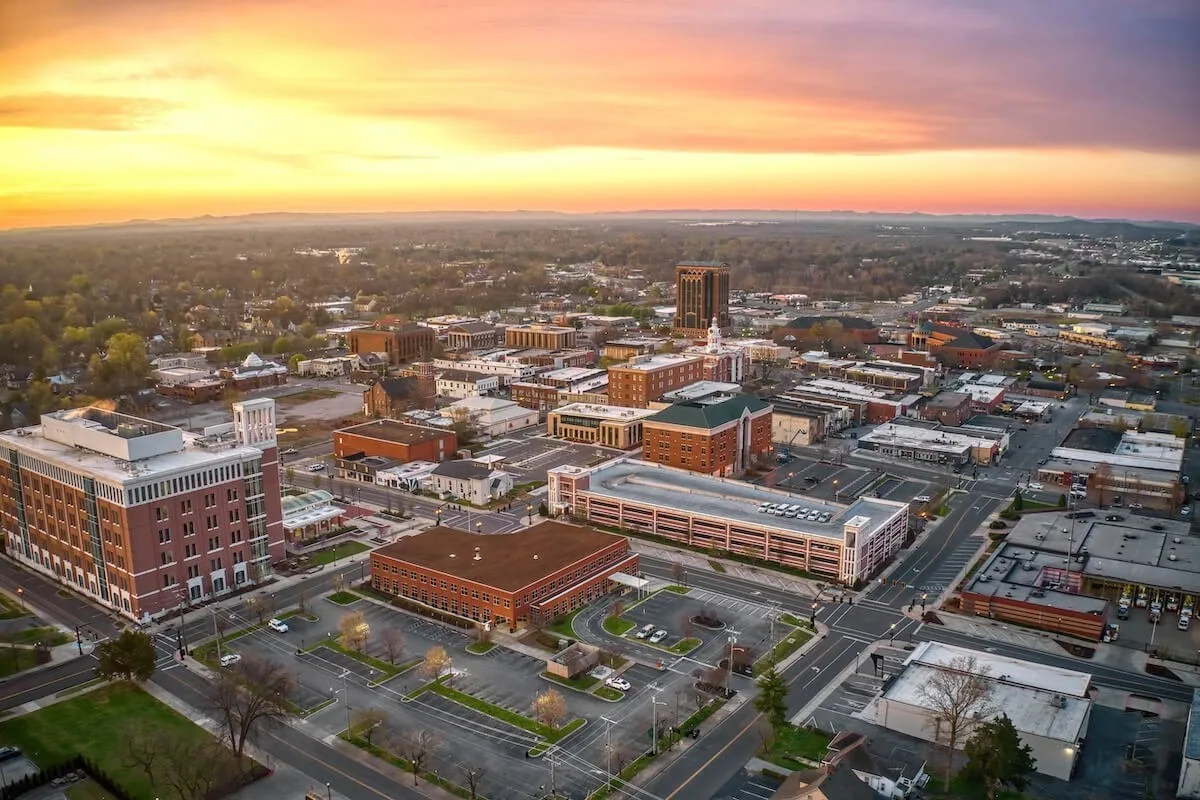
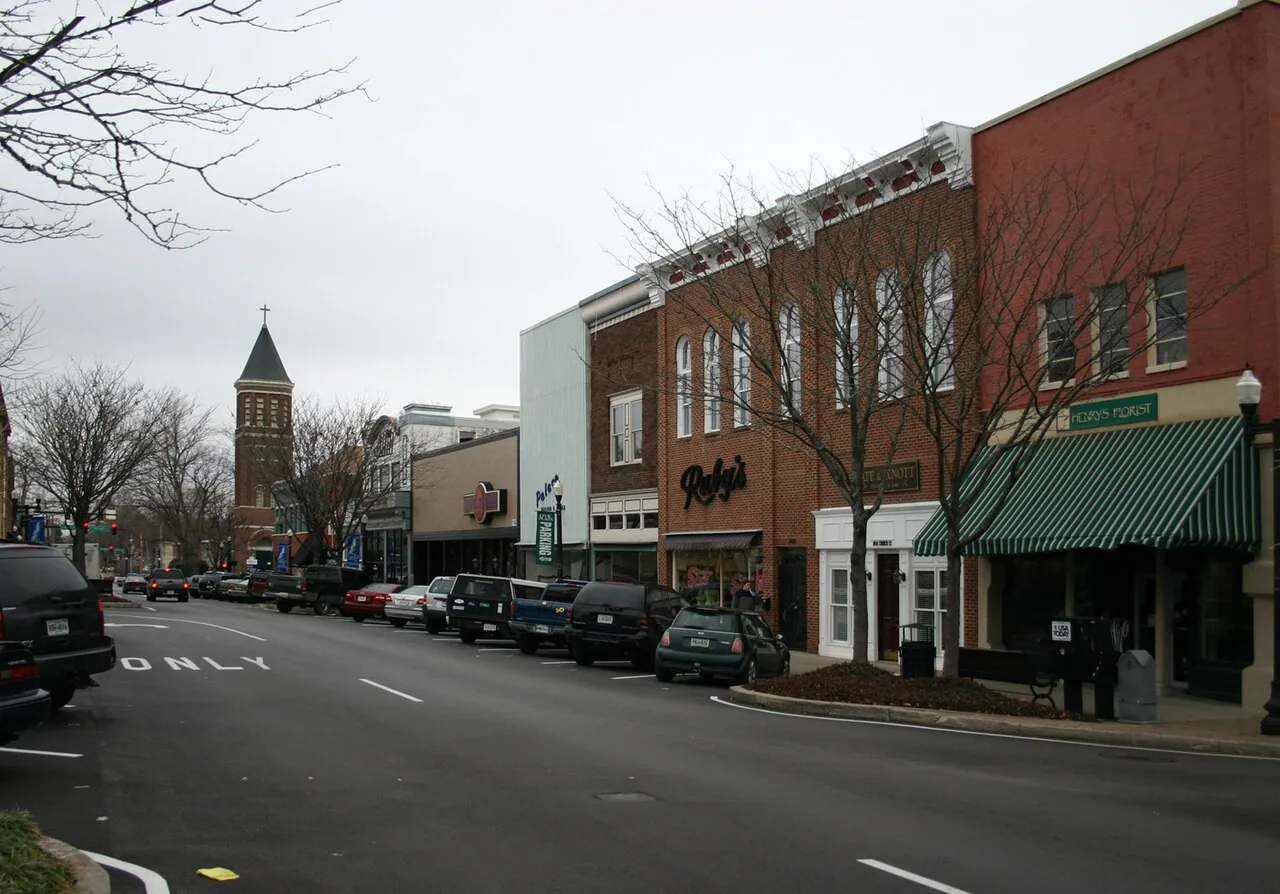
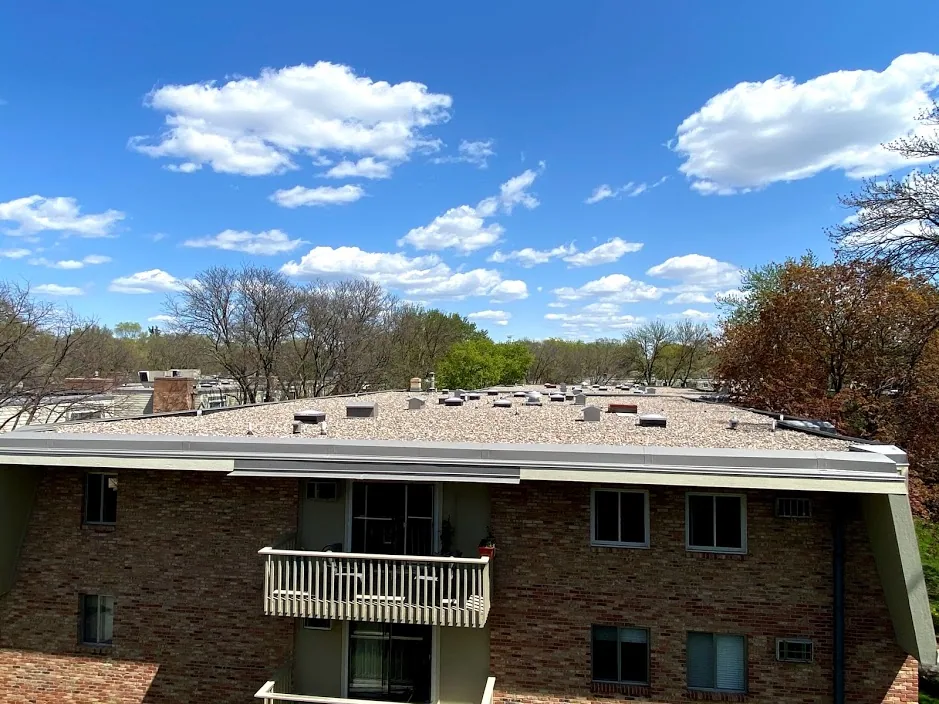
An occupied commercial building in the East Main Street Historic District needs a roof scope that accounts for the building's use, the roof assembly, and the neighboring properties around the work zone. The district sits on the Main Street corridor within Murfreesboro's connected downtown blocks, where nearby properties can remain occupied during roof work. We start with the roof section and access route. Then we mark drains, parapets, penetrations, previous patches, and any area that cannot be isolated during business hours.
East Main Street Historic District is part of Murfreesboro, not a separate municipality. For nearby service-area context, compare Downtown Murfreesboro and Historic Bottoms. Every proposal still follows the conditions found at the individual property; the area's historic designation does not establish a particular roof type or condition.
Map the roof before choosing work
We ask for available plans, past repair records, and the name of the person who can authorize roof access. On site, we confirm which sections the crew can reach and where a hatch, ladder, or lift can be positioned without blocking ordinary building use. A simple roof map gives each drain, curb, edge, and repair boundary a reference. That is more useful than a list of leaks with no location.
The downtown street grid means staging and deliveries need a property-specific plan. We confirm the loading window, material path, pedestrian protection, and any neighboring access that must remain open. Those details affect crew sequence and weather-tight stops, not the diagnosis itself. For a documented baseline, our roof condition reports pair photos with a roof-section map.
Trace drainage and moisture
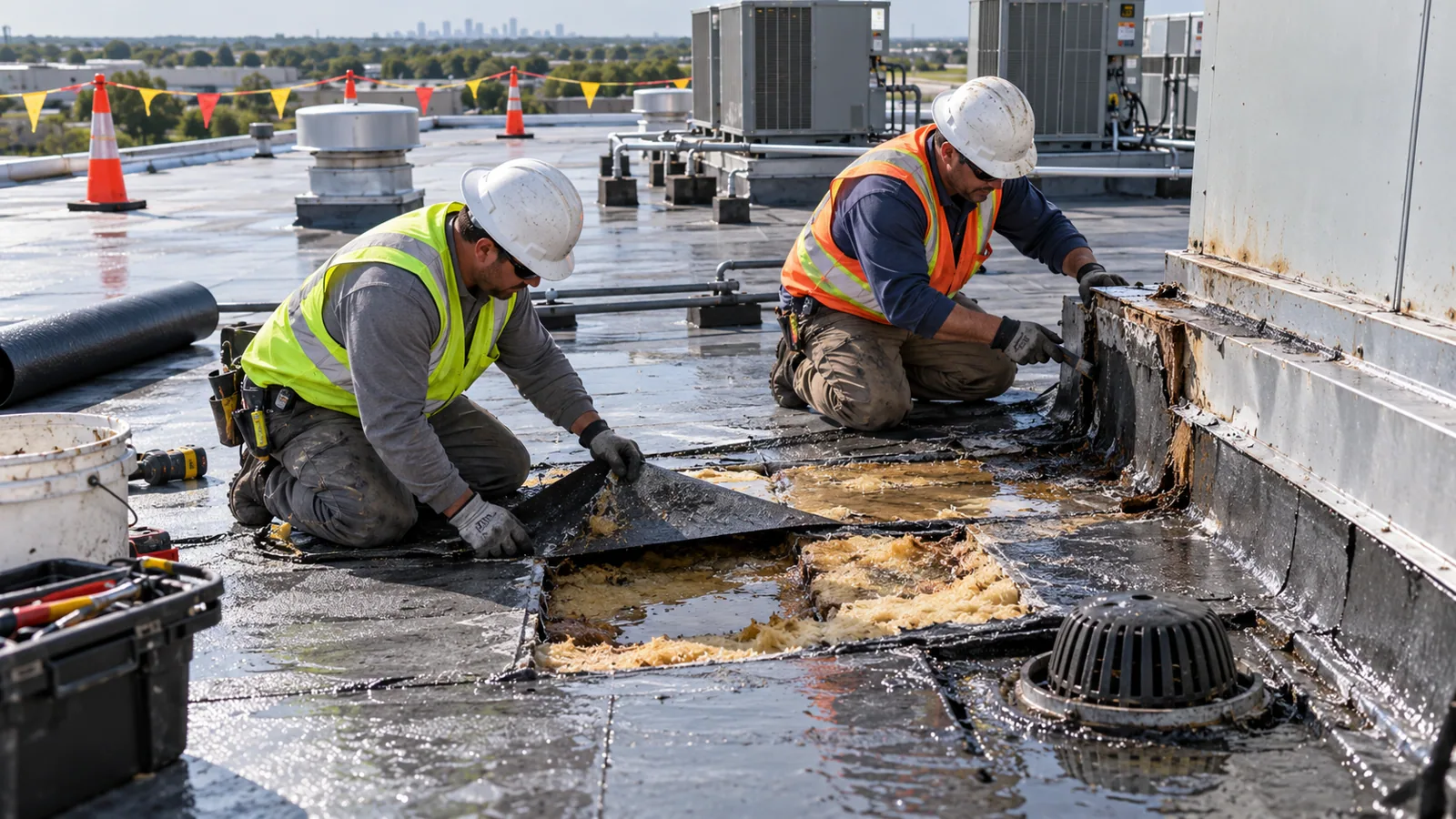
We follow the drainage path from the high points to each drain, scupper, and overflow. Check the strainer, bowl, flashing, nearby seams, and the route water would take if the primary outlet slows. Inside, compare the reported stain with the roof above it, but do not assume the opening sits directly over the symptom. Water can move along a deck or beneath a membrane before it appears in a room.
The 1991 to 2020 climate average at Murfreesboro 5 N totals 55.92 inches of precipitation per year; days receiving 0.01 inch or more average 134.5 annually. Those are city-level climate figures, not proof of ponding at a specific East Main building. We record actual moisture and outlet conditions, then distinguish debris removal from a failed connection or a larger drainage correction. If water has reached an interior space, the commercial leak repair scope should identify the opening, temporary protection, and permanent repair boundary. Where the bowl or overflow detail is the issue, drain and scupper work can be scoped separately.
For each suspected opening, we record whether the membrane is loose, split, punctured, or simply stained, and whether the adjacent insulation feels wet or compressible. Those observations set the next step. A surface repair may be enough when the boundary is clear; a moisture survey or test opening is more useful when the wet area could continue beneath the roof. The written proposal should say which method is included, what access it requires, and how the opening will be closed at the end of that visit.
Inspect edges and penetrations
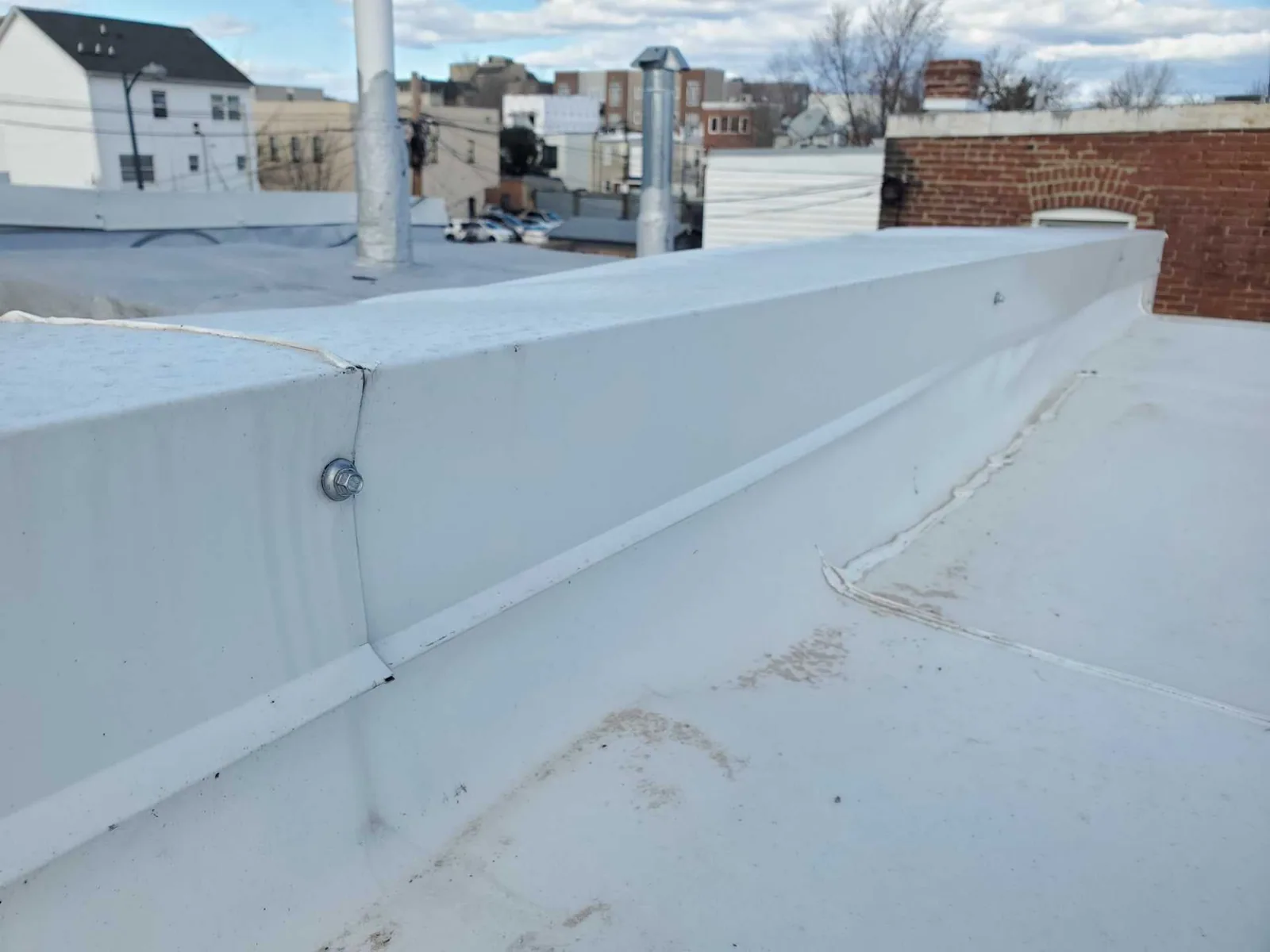
At each pipe, curb, and wall transition, inspect the flashing turn-up, membrane termination, seal, and support. At the roof perimeter, check coping, edge metal, fasteners, and any termination that has loosened or been covered by a prior patch. We photograph the detail and enough surrounding roof to find it again. If a coating or sealant hides the original assembly, record that limit before recommending a broad repair.
Historic-preservation review can affect how exterior work is coordinated in downtown Murfreesboro, while the roof scope itself still depends on what the field inspection shows. We separate a visible repair from an unverified concern and list any decision that requires city review or owner approval. The roof's permit treatment also depends on the exact scope and applicable local requirements. Before work begins, confirm the project with the City and the authority having jurisdiction. Our edge metal and coping service addresses perimeter details.
Compare repair and replacement
Choose the work path after the inspection establishes how far the defect extends and what lies below the membrane. When the boundary is tight and surrounding materials hold a sound tie-in, isolate that repair. Broader moisture, recurring separation, or an unknown deck may call for testing first. We lay out the consequences of retaining existing layers versus removing them, including access demands, insulation decisions, drainage adjustments, and disruption to occupied space. The estimate assigns quantities and exclusions to each approach so the owner can compare practical outcomes.
Murfreesboro's local amendments shape how the 2024 building, existing-building, and energy requirements apply to covered work. Roof-covering replacements may fall under permit exceptions when specified conditions are met, but the result turns on the details of the proposed project. Have the City confirm the applicable requirements before committing to a schedule. A roof recover evaluation records existing layers and attachment, and our replacement planning sets out tear-off limits, protection, and closeout steps.
For an older or layered roof, keep the scope tied to confirmed conditions rather than assume that an overlay is automatically suitable. We record visible seams, prior repairs, drain height, edge attachment, and any interior impact. If a test cut is authorized, identify its location and restoration method before the crew begins. This gives the owner a defined comparison between a contained repair and broader work, with concealed conditions handled through an agreed change process.
Protect occupied operations
Before mobilization, agree on the roof access point, staging area, delivery time, pedestrian controls, and the daily stopping point. Identify intakes, equipment, and interior areas that need protection. In a downtown setting, the crew may need to sequence material movement around active entrances and neighboring access. We confirm those constraints with the property contact rather than assume a standard work window.
Divide the work into roof sections when the building can support phased construction. At each shift end, secure exposed edges and tie-ins, remove loose material, and leave the next access route clear. The closeout record should show the completed repair, remaining limitations, and any follow-up test or maintenance item. If the inspection uncovers wet insulation beyond the planned boundary, pause and document the condition before expanding the scope. Our occupied-building reroofing approach sets these protection and sequencing steps in advance. Contact us to coordinate a roof walk and loading window for your Murfreesboro property.
Commercial Roofing Questions
Does the historic district mean a building has a particular roof system?
No. The district is a planning and land-use context, not a roof survey. We identify the assembly, layers, attachment, and repair history on the property before recommending work.
How do you plan staging on a downtown property?
We confirm the delivery window, access route, pedestrian controls, and any entrance or neighboring access that must remain clear. The property contact approves the work zone before materials arrive.
Can you determine a leak from an interior stain?
The stain helps direct the inspection but may not sit below the opening. We compare the interior report with the roof's drainage path, seams, penetrations, and nearby transitions.
Does a roof-covering replacement always need a permit?
The applicable requirements depend on the exact scope and current local rules. Murfreesboro's ordinance describes exceptions for specified conditions; confirm the project with the City and authority having jurisdiction.
When should a repair proposal include testing?
Testing is worth considering when moisture may extend past the visible opening, the deck is uncertain, or repeated seam failures make the repair boundary unclear. We state the assumption and price separately.
Related Roofing Work
More commercial roofing work connected to East Main Street Historic District in Murfreesboro.

Set a roof walk and access window
Share available roof plans, prior repair notes, and building access requirements. We will inspect the roof section, document findings, and return a defined repair or replacement scope for your Murfreesboro property.