Commercial Roofing in Nissan Drive Corridor, Smyrna, TN
Commercial roofing along the Nissan Drive corridor in Smyrna, TN, with inspections and repairs coordinated around roof access, drainage, and site operations.
Nissan Drive Corridor, Smyrna
Along the Nissan Drive corridor in Smyrna, roof work has to fit a road-oriented service area and the actual building's operating schedule. The first walk identifies roof access, the assembly, the section tied to a leak or planned repair, and how material will reach the roof. We inspect seams, equipment curbs, edges, drains, and previous patches, then label findings by section. The corridor helps describe the wider service area, but the roof and access plan are confirmed at each property.
A proposed multiuse path would connect the existing greenway near Lee Victory Park toward Enon Springs Road. That connection is described alongside neighborhoods and retail and restaurant activity along Enon Springs Road. It is a planning concept, not a current closure notice or delivery route. We confirm the property's entrance, staging area, loading window, roof entry, and any pedestrian path that must stay clear before dispatching a crew.
Plan for the route and the work zone
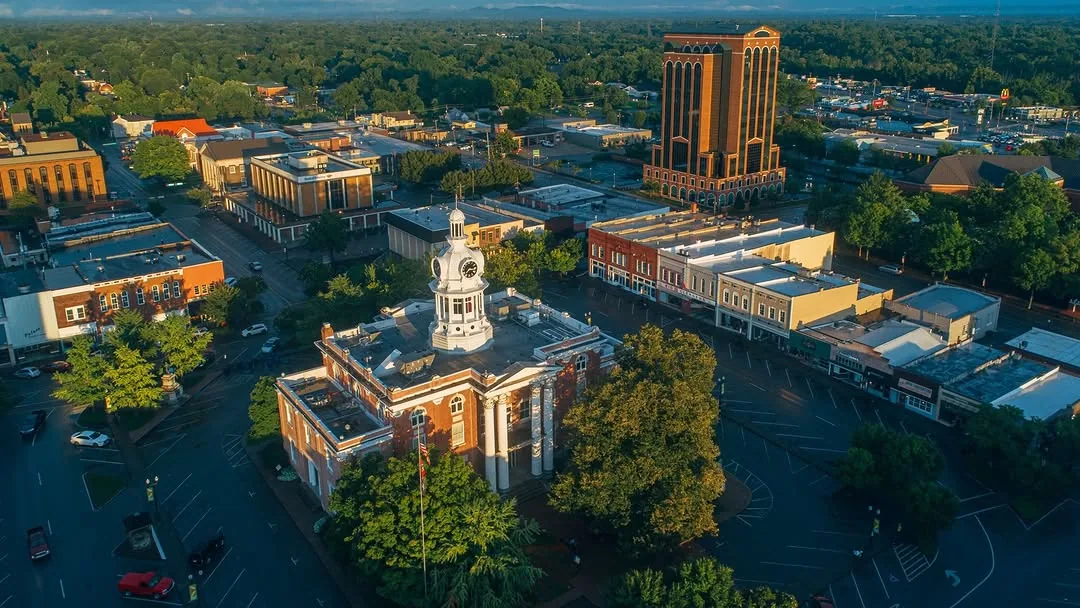
Road and pedestrian activity can change how equipment is staged, but a proposed path does not reveal a specific property's access. We walk the actual route with the site contact. That includes vehicle turning space, overhead clearance, parking controls, lift placement, and where a pallet or debris container can sit without blocking an entrance. The contact identifies any doors, customer areas, or deliveries that need to remain available during the roof work.
Once work begins, we mark one section and protect each opening at the end of the shift. A daily plan states the start point, repair boundary, material drop, and person who can stop work if building operations change. For a project over occupied space, occupied-building reroofing can define phases and daily limits. The Rock Springs Road corridor is another broad route in Smyrna, but access and staging still depend on the individual property. We do not use a road improvement concept as a substitute for a site walk.
Locate the roof condition, not just the symptom
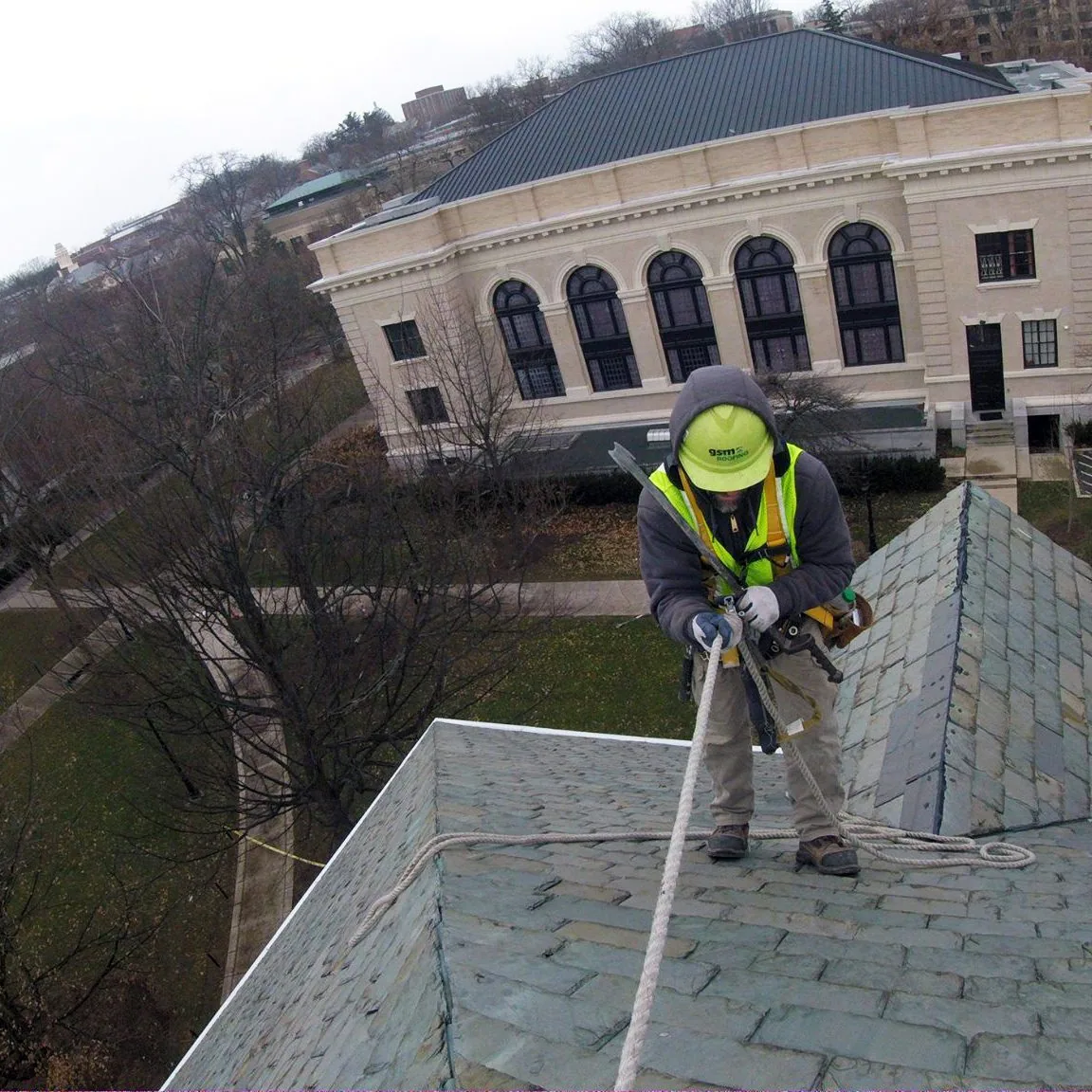
A reported leak starts the inspection but does not establish the repair location. We compare the interior record with roof slope, drain position, and nearby seams. Water may move along a deck flute or insulation joint before it appears inside. On the surface, we inspect membrane laps, flashing, penetrations, equipment curbs, skylights, and the edge detail around the likely path. We record open, loose, split, or wet conditions separately from stains or discoloration.
If the surface cannot be walked safely, the report identifies that limit and proposes a method to answer the remaining question. A test opening should be small, authorized, and tied to the scope decision it supports. commercial roof inspection can document the full assembly; infrared moisture review can help map anomalies when weather and roof conditions support that method. The owner receives the observations and uncertainty before deciding whether to expose the deck or expand a repair.
Follow water to the outlet
The drainage path runs from the roof field to each outlet and any connected downspout. We check for debris, a clogged strainer, a depressed area, loose drain ring, or flashing that has separated around the bowl. A clear outlet can still sit beside an open membrane detail. If a low area holds water, we record its location and extent instead of describing the full roof as ponding. The scope should identify whether the work is cleaning, flashing repair, or a change to slope or substrate.
When the corridor property has a leak history, compare outlet photos with the prior visit. That record can show a recurring blockage or a repair that has moved. drain and scupper service can name each outlet and tie-in; ponding-water review should inspect slope, insulation, and deck before a correction is selected. A regional road project does not answer roof drainage questions. The roof map and field records do.
Match the repair to the assembly
A local repair can work when the surrounding material remains attached and dry enough for a reliable tie-in. We extend the inspection beyond the visible opening, check seams and flashing, and record whether moisture reaches the insulation or deck. The proposal lists preparation, material, boundary, access, and any test required before pricing can be final. If a concealed condition appears during removal, the crew pauses and obtains approval before expanding the work. The owner receives a photo, an explanation of why the finding matters, and a revised price or test option. This keeps the work sequence tied to the building's authorization rather than allowing the repair boundary to move without review.
Replacement or recover is considered when failure extends beyond a single detail or the roof no longer provides a stable substrate. We review layer count, attachment, drainage, insulation, deck, and equipment transitions. TPO roofing and metal roof retrofit are different assembly choices; the building's current roof and operating use determine what fits. A coating cannot repair wet insulation or loose attachment. roof condition reports can organize findings for a phased capital decision without turning a corridor page into a claim about every property along the road.
Document the section for future work
Closeout photos show the completed repair, the tie-in, and the roof section around it. Each image is labeled with building, section, and date. The records list material installed, work included, excluded area, and any condition that remains open. If access or a weather hold changed the sequence, the log explains how the exposed section was protected and where the crew should resume.
The property owner can use those records during the next inspection or when coordinating maintenance with a manager. Include the roof-plan version and the date access conditions were checked. A future crew should be able to find the same section without relying on a person who was present during the original repair. Keep a separate open-item list for each building so a corridor-wide maintenance review does not merge unrelated conditions. Compare the same drain, seam, equipment curb, or edge to the prior image. For multiple buildings along the corridor, keep separate maps and work records so a repair at one address does not become a general statement about the route. preventive roof maintenance can schedule checks around documented findings. For another local roof service area, commercial roofing in Smyrna describes the town-level route; this Nissan Drive corridor page remains focused on the broader area and each property's confirmed access plan.
Commercial Roofing Questions
Is the Nissan Drive path project an active road closure?
No. The cited path is a proposed connection from the greenway near Lee Victory Park toward Enon Springs Road. We verify current access and delivery conditions with the property contact before scheduling.
Do retail and restaurant uses along Enon Springs set roof work hours?
They describe corridor context, not one property's operating schedule. The site lead confirms deliveries, entrances, roof access, and the work window for the building being serviced.
Can you stage a lift beside an occupied building?
We inspect the vehicle route, turning space, clearance, and ground area with the site contact. The approved staging point and protected pedestrian route go into the daily plan before equipment arrives.
How do you handle a leak that appears far from the roof opening?
We trace the likely water path across seams, slopes, drains, and penetrations. The report identifies observed defects and keeps hidden moisture or deck condition open until an approved test confirms it.
What belongs in a corridor property closeout?
Keep building-specific photos, roof-section labels, materials used, repair limits, and remaining items. Separate records prevent one address's work from being confused with another property along the route.
Related Roofing Work
More commercial roofing work connected to Nissan Drive Corridor, Smyrna in Murfreesboro.


Arrange a Nissan Drive corridor roof walk
Provide the building contact, access route, and operating window. We will inspect the reported roof section and prepare a written scope with staging and repair limits.