
TPO Roofing in Murfreesboro, TN
TPO roofing in Murfreesboro needs sound seams, clear drainage, and a dry deck. We inspect the assembly and set repair, recover, or replacement limits.
TPO Roofing
A TPO roof is only as dependable as its welded seams, edge terminations, and the deck below. On a commercial building in Murfreesboro, TN, we start with the roof section that is leaking, ponding, or opening at a detail. We check whether the membrane is loose, weathered, punctured, or still firmly attached before choosing a patch or a larger scope. That first walk sets the repair boundary and shows which details need testing before work begins.
The white single-ply surface can reflect sunlight, but color does not settle whether the assembly is dry or properly installed. We identify the membrane and attachment method, review prior repairs, and trace water to the likely entry detail. A written scope can keep a sound field in service while separating wet insulation, failed flashing, and deck work that needs a different decision.
Read the Field and Seams
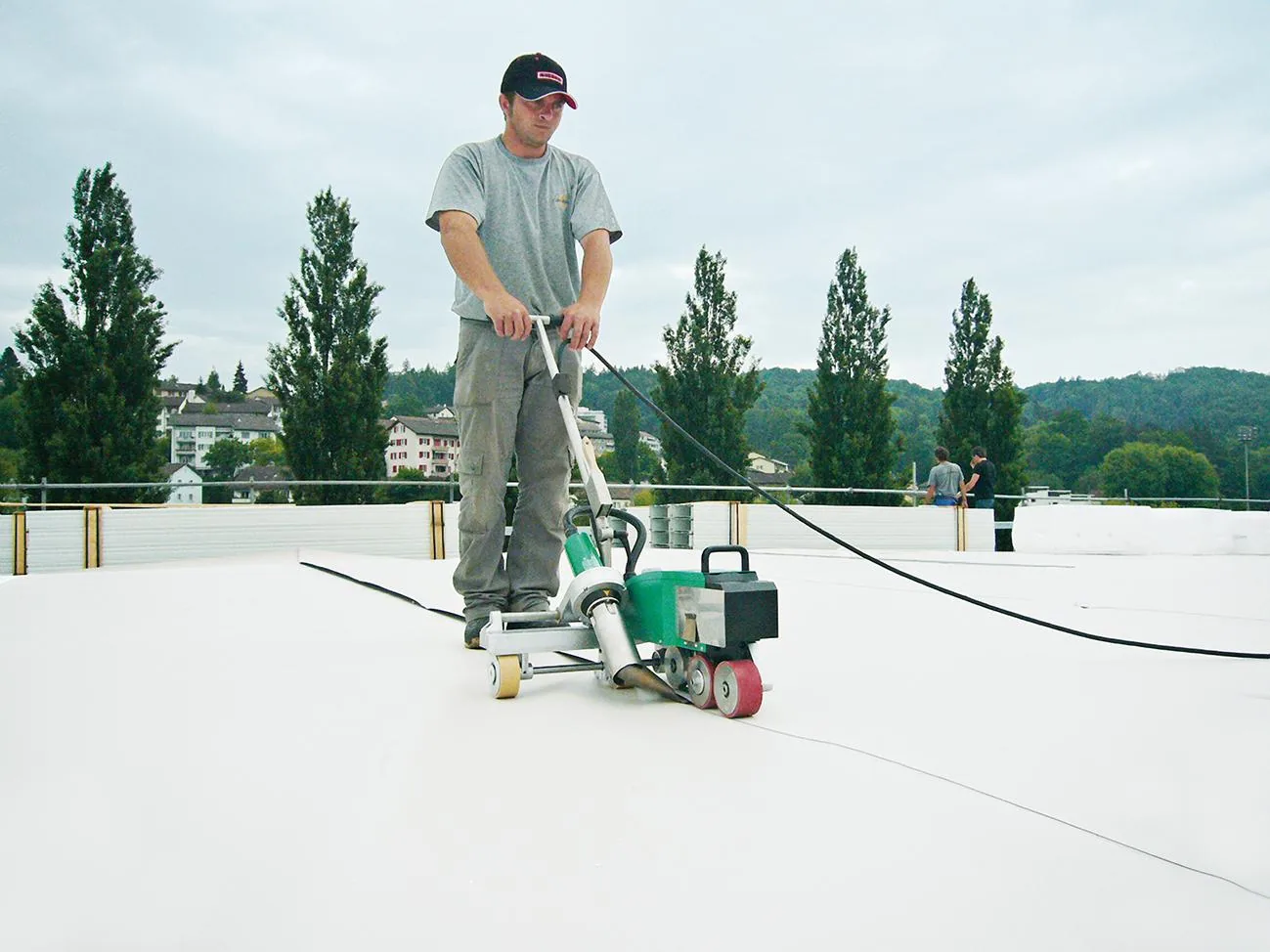
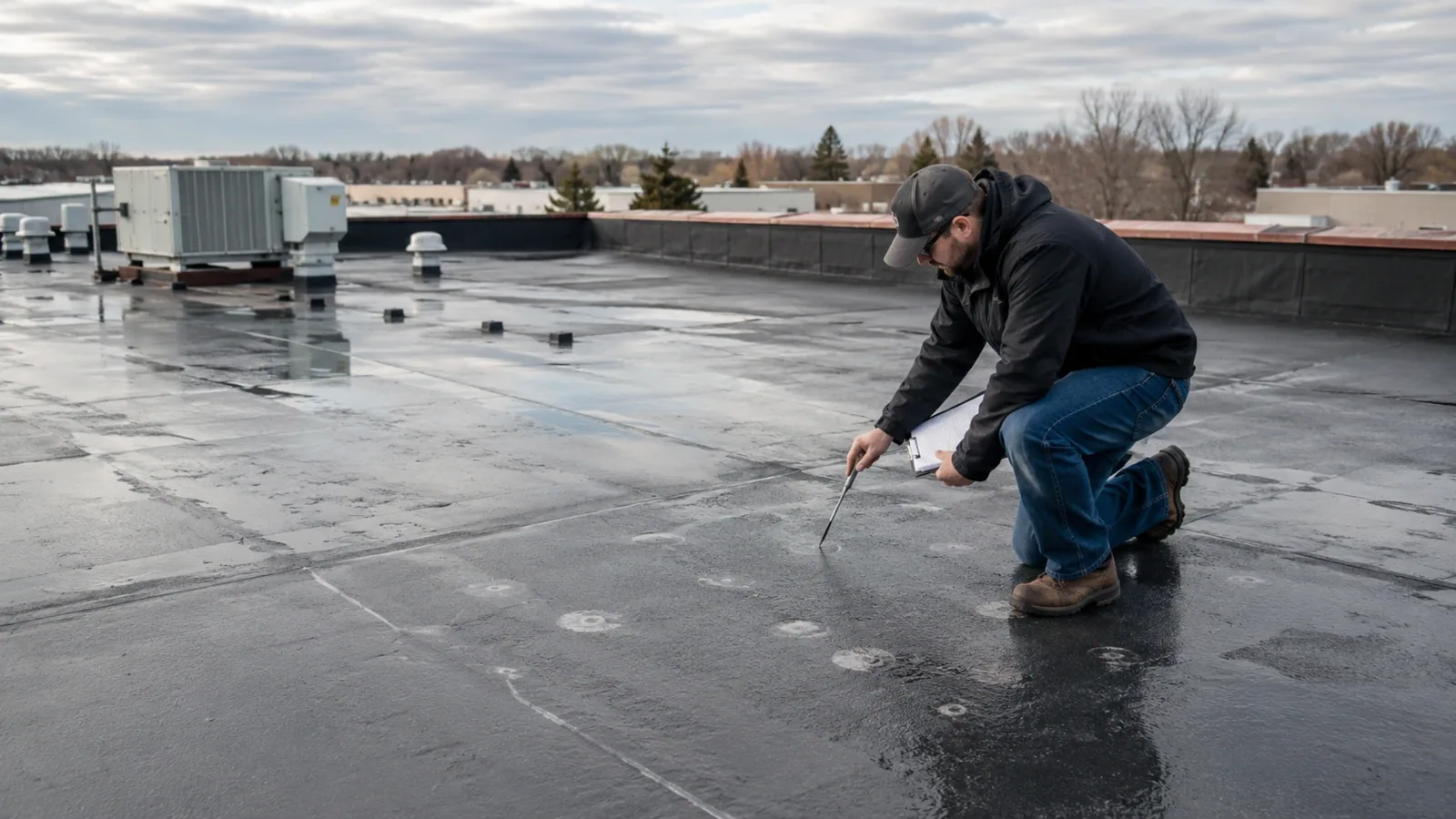
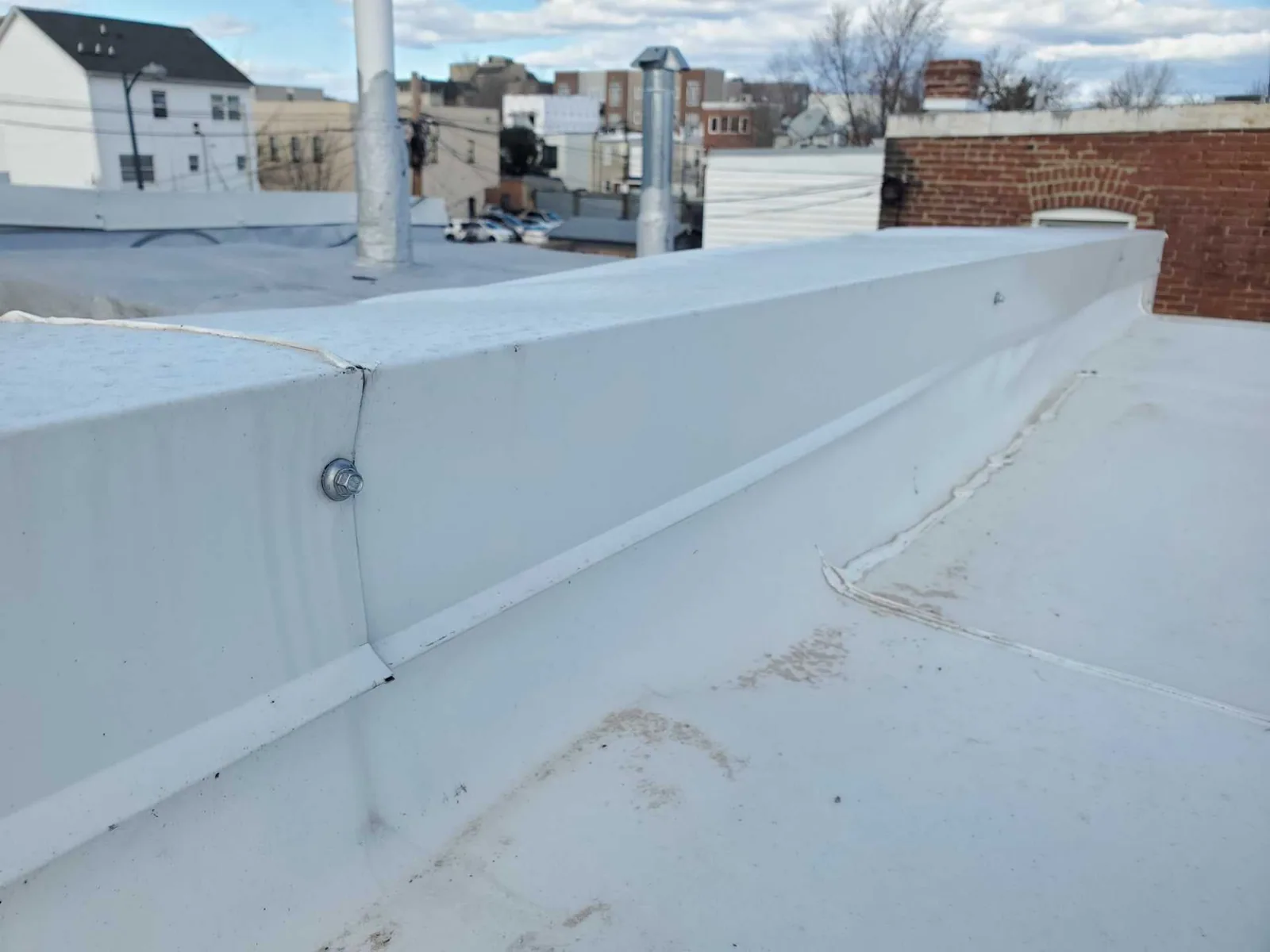
Heat-welded TPO seams need a continuous bond. We inspect laps for fishmouths, open edges, contamination, and inconsistent welds, then probe suspect areas where the surface allows it. A seam that looks closed from a distance can still have an unwelded channel. We mark the location, photograph the condition, and test a representative section instead of treating every discoloration as a failure. The repair detail follows the actual sheet thickness, surface, and movement at that joint.
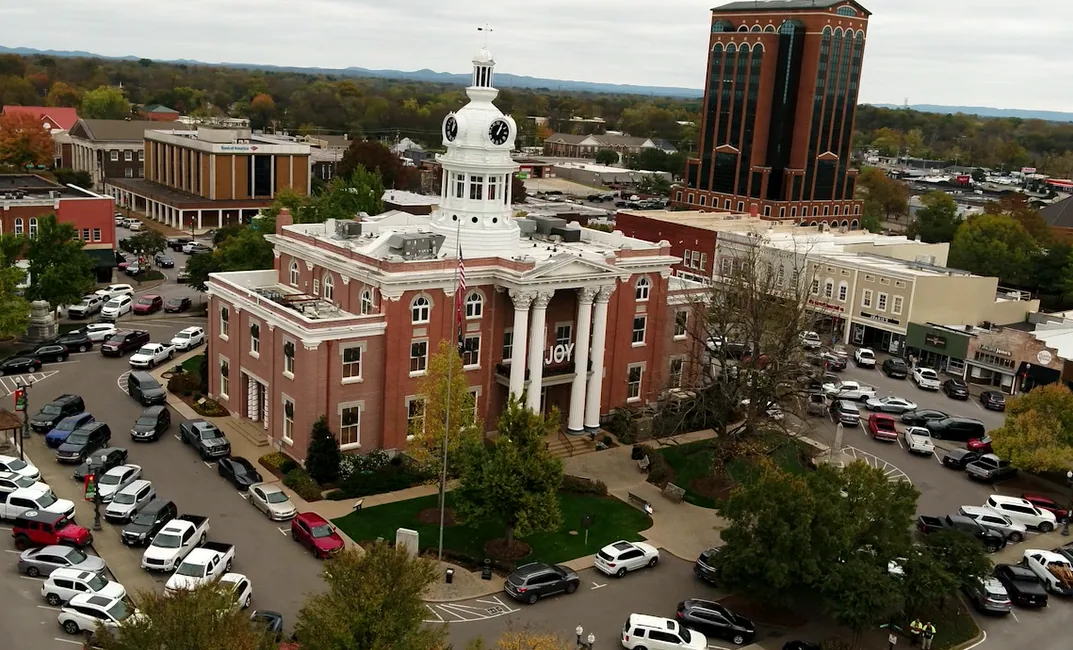
Murfreesboro's station normals show about 55.92 inches of annual precipitation and 134.5 days with measurable rain. That makes the drainage path and seam terminations worth checking after extended wet periods, but the regional record does not prove that an individual roof is leaking. On a building near the Medical Center Parkway corridor, access and rooftop equipment can affect where we can inspect. The field findings still control the test locations and repair limits.
Confirm the Weld Before Patching
PVC is also hot-air welded, while EPDM seams use different tape or adhesive details. The comparison follows the existing substrate, service conditions, and owner requirements. A dependable TPO patch starts with compatible material and a clean, dry surface. We remove loose or degraded membrane only to sound material, prepare the exposed area, and make a trial weld where conditions call for one. The finished patch needs enough overlap beyond the defect and a termination that does not leave a narrow channel for water. If the membrane has lost flexibility or the field contains repeated failed seams, we map those areas before pricing a local repair against broader replacement.
Temperature, wind, moisture, and access affect the work window. A hot surface can change how the welder handles the sheet, while a wet or dirty lap will not produce the same bond as a properly prepared one. We check the machine settings on compatible scrap, then verify the installed seam after it cools. For a roof with several penetrations, penetration flashing work and edge metal checks need to be included where the membrane turns up or terminates.
Keep Water Moving to the Outlet
A new patch cannot correct a low area that holds water around it. We inspect drain bowls, strainers, scuppers, overflow routes, crickets, and the slope leading to each outlet. If ponding follows a depressed deck or a blocked drain, we show which work belongs in the TPO repair and which needs a drainage correction. The drain and scupper scope can address an outlet detail, while a measured slope plan may require insulation changes before the membrane is installed.
Warm summers and regular freezing nights put repeated movement at laps, curbs, and drain rings on the inspection list. Murfreesboro 5 N normals record roughly 89 days each year with minimum temperatures at or below freezing, along with about 47.8 days reaching 90 degrees. Those figures describe a regional climate station, not the condition of a roof. We look for the actual signs: open welds, cracked sealant at transitions, membrane shrinkage, trapped water, or a patch edge that has begun to lift.
Stage Around the Building
Material staging, lift access, and pedestrian routes can change the sequence on a working property. The city's land-use guidance places general commercial uses along arterial and collector routes, where parking and vehicle access shape site layout. Along the Old Fort Parkway corridor, a roof walk should account for the actual entrance, loading window, and occupied areas below, not assume a clear staging zone from the road. We agree on the work zone with the facility contact before a section is opened.
Each exposed area needs a dry-in plan for the shift. We limit tear-off or membrane removal to the section that can be closed before weather changes, protect drains from debris, and check temporary tie-ins before leaving. At a facility that stays open, the crew can work in phases around deliveries or tenant entry, but the roof section must remain safe and watertight at each handoff. We coordinate those windows with the facility lead. Larger tear-off work needs a separate boundary and dry-in plan when localized repairs no longer fit.
Choose Repair, Recover, or Replacement
A localized TPO repair can fit when the membrane around a defect remains flexible, attached, and compatible with the patch. Repeated open seams, widespread wet insulation, poor attachment, or a deteriorated deck point toward a broader scope. We separate those findings on a roof plan so the owner can compare patching a defined section with replacing a larger area. A moisture survey can help select test-cut locations, but a cut or core confirms the insulation condition.
Recovery may work when the existing assembly is dry, stable, and suitable for another layer. It does not solve wet material or weak attachment below. We check deck capacity, roof height at curbs and edges, and whether added layers preserve drainage before recommending an overlay. A recover scope should mark the areas that stay and the areas removed. Closeout photos keep those boundaries visible for later maintenance.
Record the Finished Roof Section
Before work is covered or the lift leaves, we photograph the prepared substrate, welds, patches, edge transitions, and completed drain details. The closeout records identify the repair area, material used, weather window, and any condition left outside the approved scope. If testing found wet insulation or a weak deck, the record shows whether it was removed or remains open for a separate decision. The owner can then compare a future inspection against the same marked roof section.
For a larger asset, section-by-section roof records can track TPO repairs, recurring moisture observations, and planned capital work. The next inspection should focus on the repaired seams, terminations, drain path, and any area where equipment or roof traffic can disturb the membrane. Send the roof plan, leak locations, known membrane details, and access window. We will walk the affected section and return a written repair, recover, or replacement scope tied to what the assembly shows.
Commercial Roofing Questions
Can an open TPO seam be repaired without replacing the field?
Yes, when the surrounding sheet remains sound and the opening is limited. We prepare the surface, test a compatible weld, and extend the patch beyond the defect. Repeated failures or wet insulation can change the scope.
Does ponding water mean the membrane has failed?
Standing water calls for a drainage check, not an automatic tear-off. We trace the low area to the deck, outlet, or added roof layers, then decide whether a drain correction, taper, or membrane repair belongs in the work.
What makes a TPO patch release later?
Dirt, moisture, incompatible material, poor preparation, or a short patch boundary can weaken the bond. We inspect the existing sheet, clean to a weldable surface, and check the completed edge after cooling.
Can the roof be repaired while a building stays open?
A phased repair can work when access, noise, material staging, and weather protection fit the facility schedule. We set the roof section and ground routes first, then close each opening before ending the shift.
When should a TPO roof move from repair to replacement?
A few isolated defects may support repair. Widespread seam failure, wet insulation, poor attachment, or deck deterioration can make a larger replacement easier to inspect and document. We map the conditions before drawing that boundary.
Related Roofing Work
More commercial roofing work connected to TPO Roofing in Murfreesboro.
Set a TPO Roof Walk
Share the roof plan, leak locations, prior repairs, and access window. We will inspect the welds, drainage path, and deck conditions, then define a TPO repair, recover, or replacement scope.