Commercial Roofing in Franklin, TN
Commercial roofing in Franklin, TN, with condition reports, leak repair, and replacement scopes tied to the building's use, access, and roof assembly.
Franklin
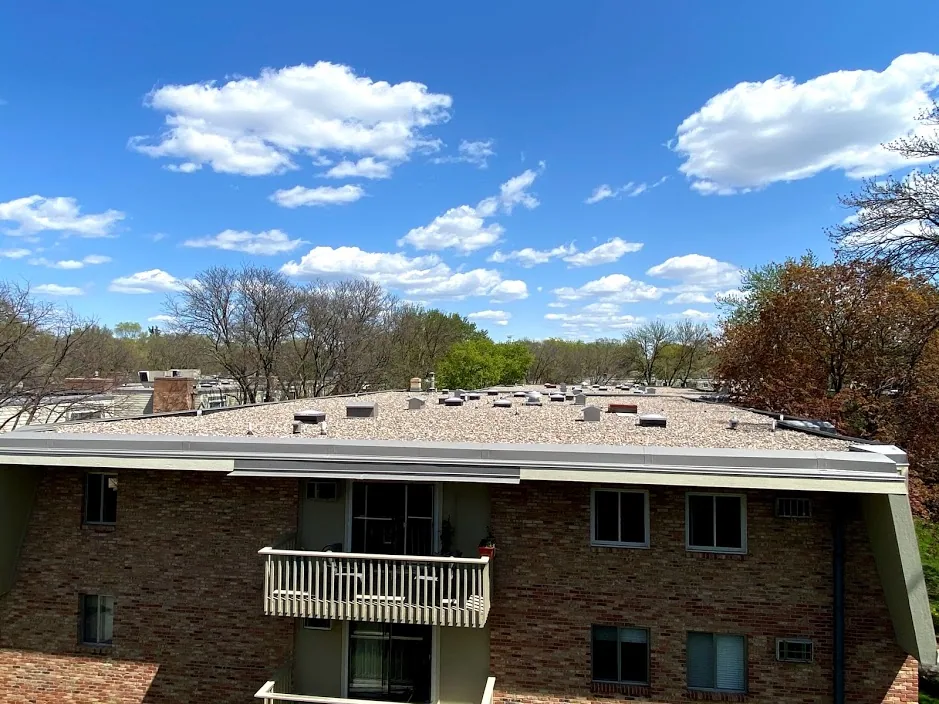
Commercial buildings in Franklin can sit within mixed-use districts where office, retail, and residential activity share a changing development pattern. The roof scope still starts at the individual building. We confirm the assembly, the occupied areas below, access controls, and the section tied to the reported leak or planned replacement. Then we check drains, seams, parapet transitions, equipment curbs, and prior patches. A useful inspection describes what was visible and which hidden conditions could change the price or sequence.
Franklin is part of the Nashville-Davidson-Murfreesboro-Franklin metropolitan area. Its economic corridor includes districts such as Eastworks, Franklin Park, McEwen Northside, and Ovation. Those district names describe a broader property context, not a specific service target or a roof condition. We verify the correct building, owner contact, entry route, delivery window, and roof access before mobilizing. If ownership, property management, and tenant operations have different approval paths, we identify who can authorize each step before work begins.
Separate roof scope from site activity
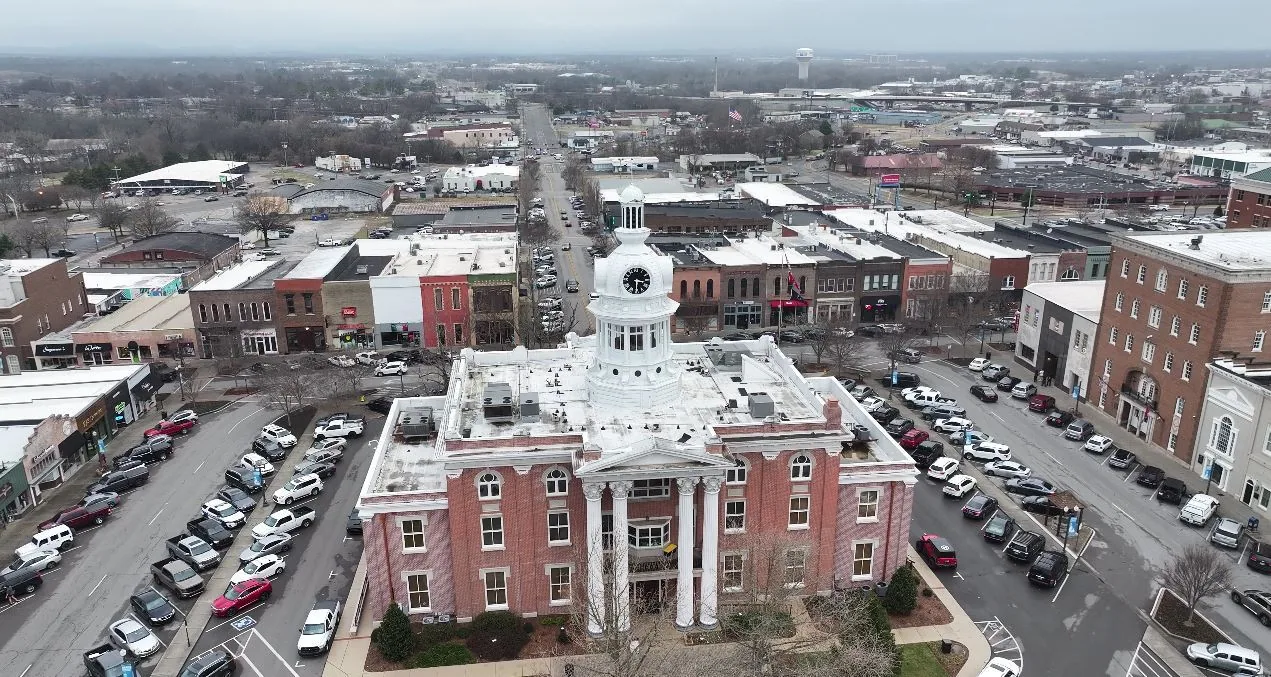
A mixed-use property's operating schedule may change by entrance, tenant, and floor. We walk the roof route and the area below it with the site lead before staging material. The plan identifies any customer entrance, loading bay, parking access, or equipment area that must remain available. We do not assume that one building's notice process or loading hours apply to another property in Franklin. The contact confirms those constraints and the person who can pause a work zone if operations change.
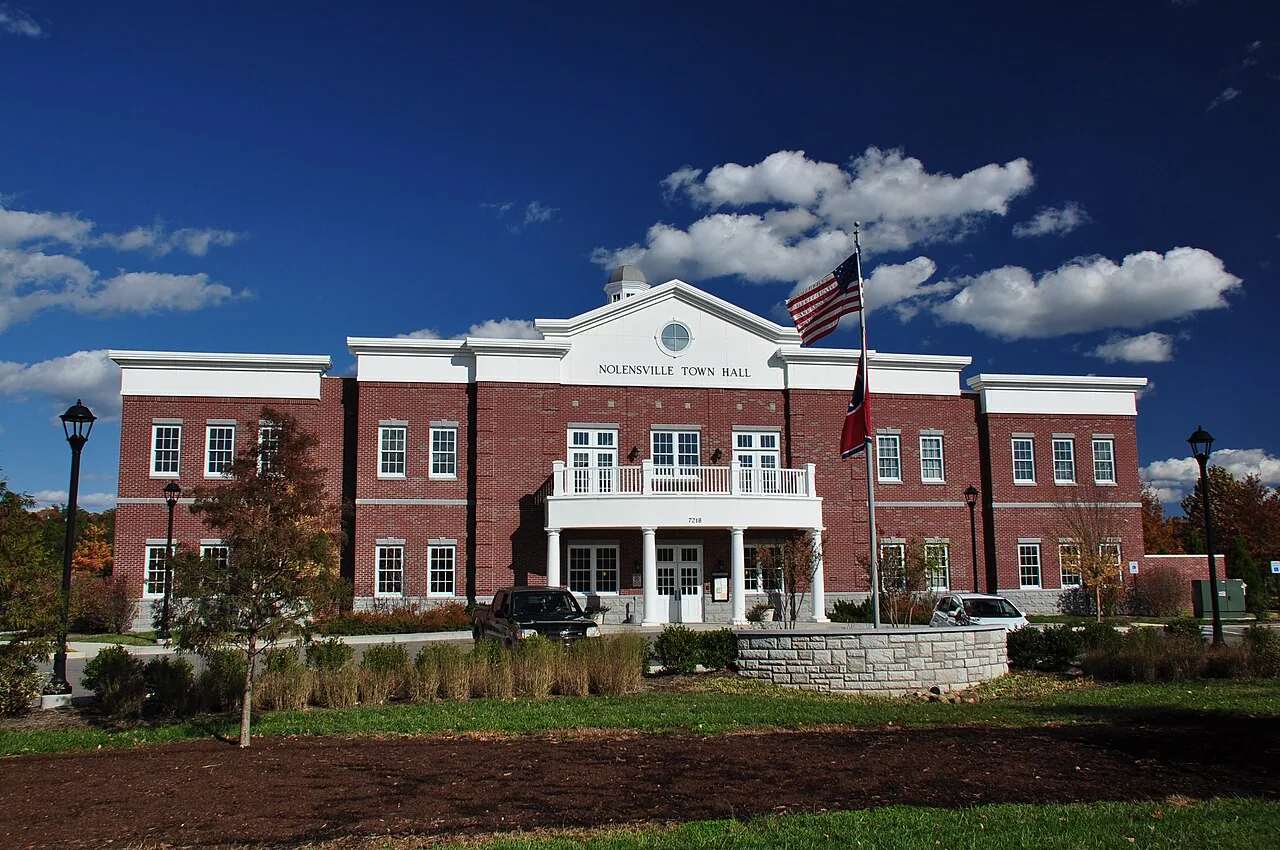
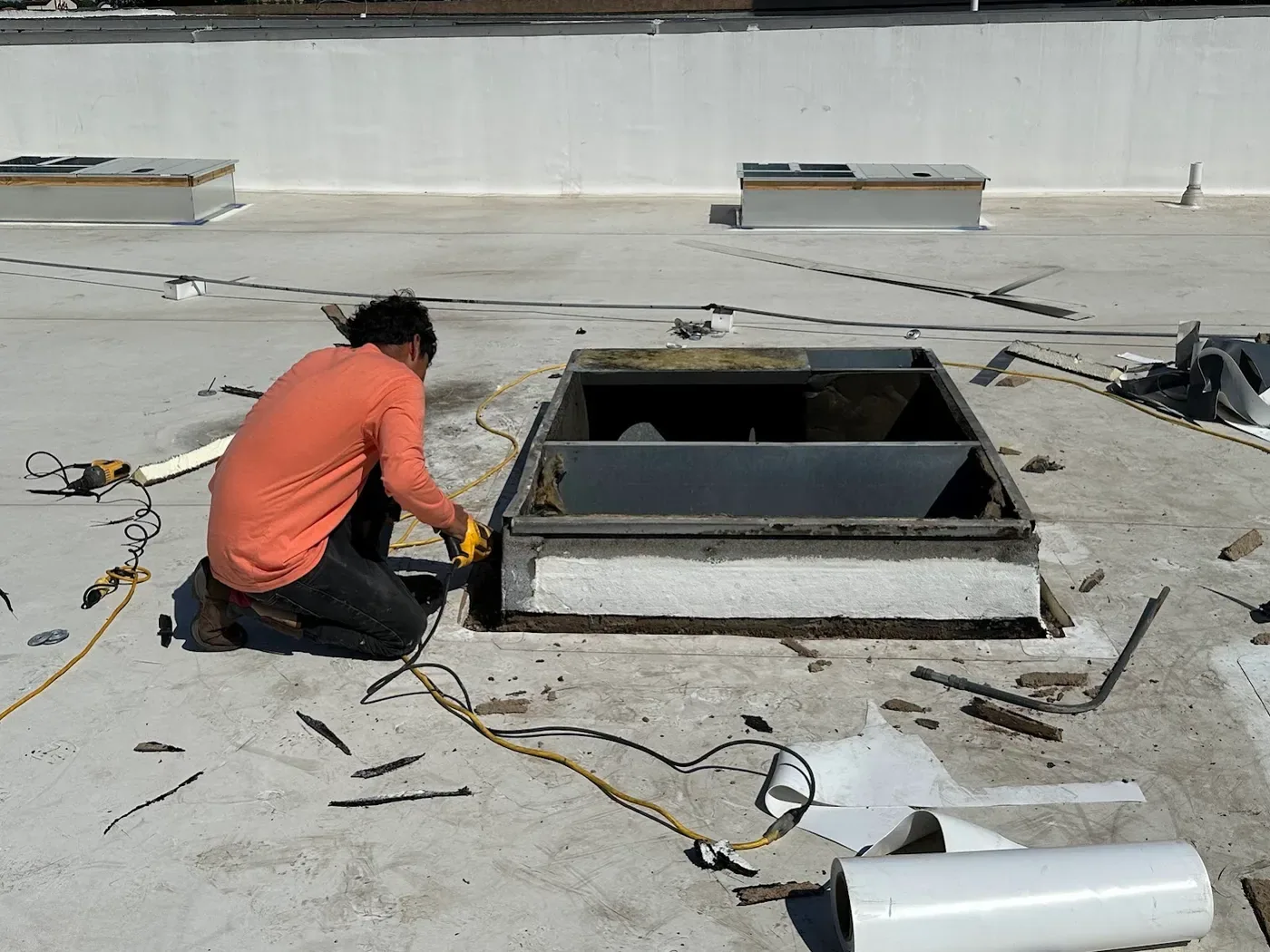
On the roof, we map the reported section and the nearest transitions. Water may travel from a curb, wall, or drain before reaching an interior finish. We photograph seams, terminations, penetrations, and any earlier repair so the owner can see what is included. A commercial roof inspection can establish the wider condition; occupied-building reroofing can break larger work into protected phases. For a separate county context, Nolensville is another regional service area, but its access needs are confirmed at the property itself.
Plan for a changing property file
Franklin's 2025 development report counted 39,959 existing dwelling units and 3,225 approved units. That reported activity can make property records and maintenance responsibilities change over time. A roof file should therefore identify the building, section, manager, and date of each visit rather than rely on a name that may later change. A new owner or facilities contact can then compare the same drain, seam, or curb with the prior photos and understand what a proposal covered.
When a building is renovated or occupied differently, roof access and interior protection may change too. We confirm whether rooftop equipment has moved, whether a new penetration was installed, and whether the existing membrane remains compatible with the planned work. The report lists test areas separately from visible defects. A roof condition report can organize those observations for a manager or investor. For capital decisions, roof capital planning can group near-term repairs and replacement phases without implying every building in an economic district has the same assembly.
Trace water to a repairable detail
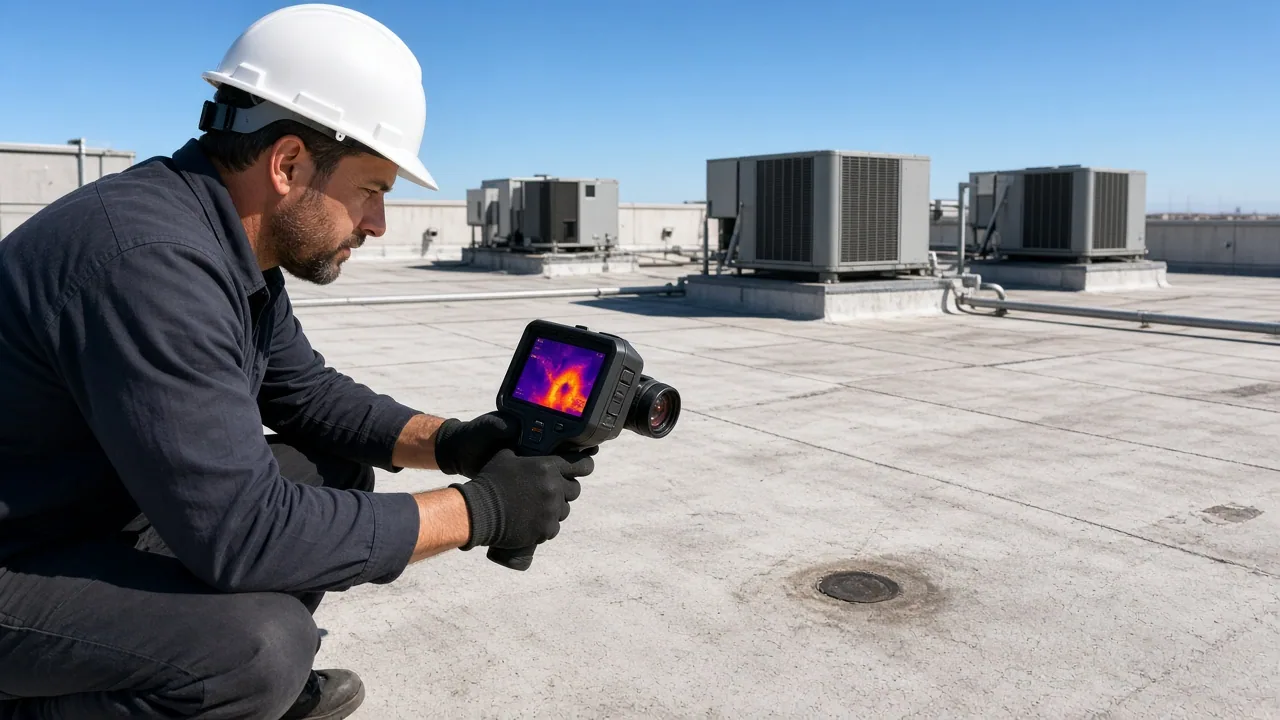
A ceiling mark is a clue. It is not the roof opening. We compare the interior report with roof geometry, locate the nearest drain path, and inspect the membrane and details between those points. If the surface shows a split or open seam, we determine whether the material around it remains sound. If water may be under insulation, we identify a test opening or moisture survey that would confirm the boundary. The owner sees that uncertainty before approving removal.
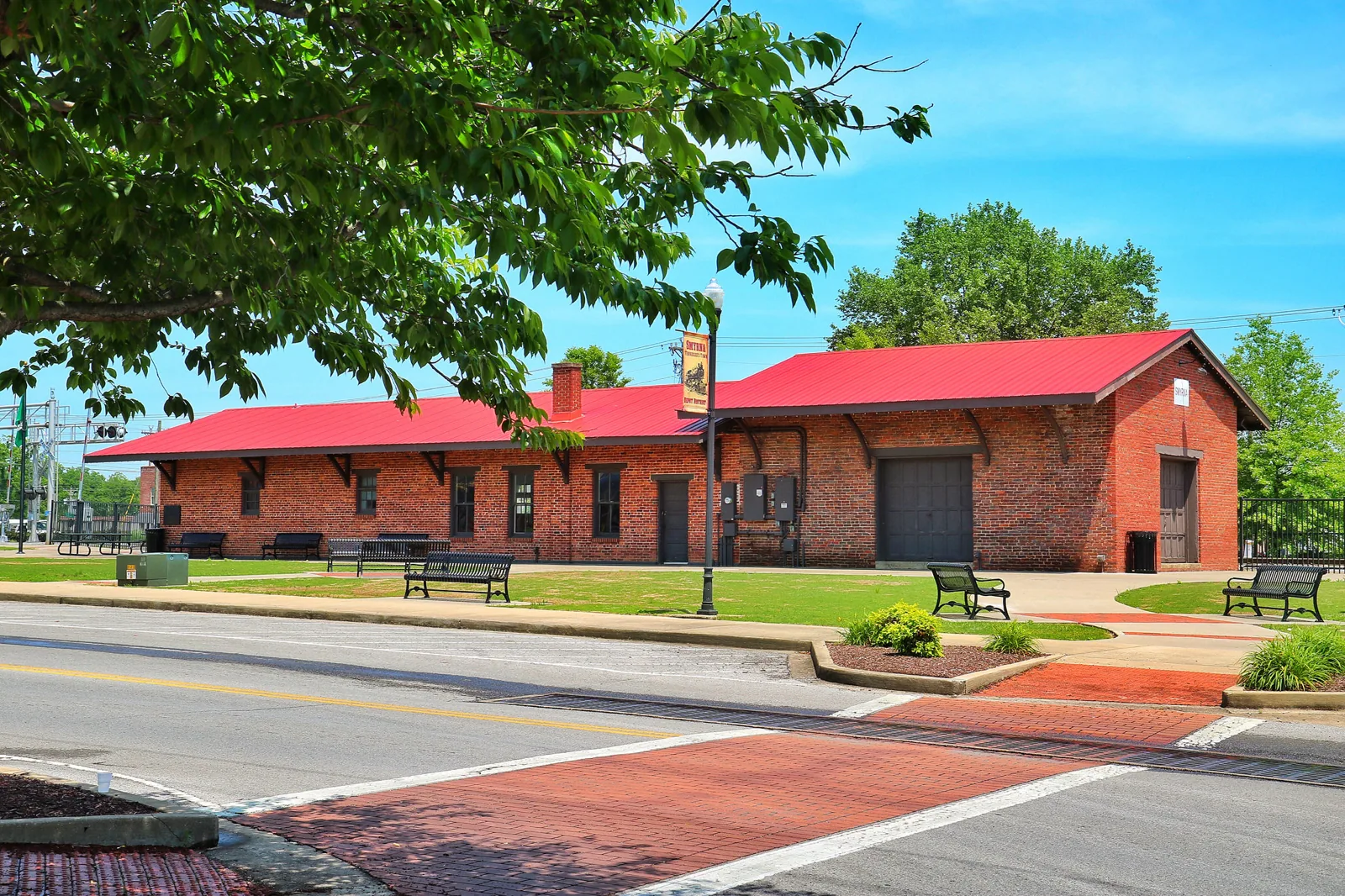
Drainage checks cover the roof field, outlet, and adjacent flashing. A clear strainer does not establish a sound drain ring, and a low area may still hold water. We label each outlet and record whether the work is maintenance, membrane repair, or a wider correction. drain and scupper service can define outlet work; flashing-failure repair addresses a confirmed opening at a transition. For a different building type and roof history, Smyrna has its own service-area guidance, but the field diagnosis remains property-specific.
Compare the work paths
A localized repair may fit when sound membrane, insulation, and deck remain around the failure. We prepare the area, tie into compatible material, and define the repair boundary in photos. If opening the assembly reveals saturated insulation, movement in the fastening, or a compromised deck, field work pauses at the written limit. We photograph the change and ask the owner to approve the next measure before additional material is removed. That pause protects both the assembly and the budget from an unapproved expansion.
Replacement or recover requires a broader check of layer count, attachment, drainage, deck, insulation, and equipment transitions. TPO roofing or standing-seam metal may suit different building conditions; neither is selected by district name. Coatings are considered only when the existing surface is sound enough to receive them. The proposal states material, staging, tie-ins, access, exclusions, and concealed conditions. A dated inspection record makes it easier to compare a repair against a phased capital project.
Leave a section-by-section record
Closeout should show the completed roof section, the finished tie-in, and what remains outside the scope. We label images by building and location, list installed materials, and record any weather hold or follow-up. If several managers share responsibility, the owner can keep one copy with the property file and one with the maintenance contact. Add the building name, roof-plan revision, access records, and a contact for the next inspection. A dated photo without a section label can be hard to match after a tenant change or a transfer to a new manager. Keep the next-action field short enough that a field crew can use it during the walk. A clear record prevents a local repair from being described later as a full-roof replacement or warranty.
For a portfolio, consistent fields make comparisons useful: assembly, observed condition, moisture status, priority, next action, and date. The details remain property-specific even when nearby buildings share a district. If a tenant fit-out adds a curb or changes equipment, the next inspection can compare that detail against the previous closeout. roof asset management can organize those records across buildings. For owners coordinating regional work, Readyville is another location route; Franklin still needs its own roof map, access plan, and written repair limits.
Commercial Roofing Questions
Do Franklin's mixed-use districts determine roof access hours?
No. The property contact confirms entrance, deliveries, tenant activity, roof access, and any hours that must remain quiet. We document those constraints before moving material or opening a roof section.
How do you scope a leak when water appears away from the roof opening?
We map the interior report, trace drainage and likely travel paths, and inspect the nearest seams and transitions. Any concealed moisture or deck condition is listed as unknown until an approved test confirms it.
What does a 2025 development figure change about roof maintenance?
It does not change the roof assembly. It is a reason to keep building names, manager contacts, dated photos, and repair limits current as property responsibilities change.
Can a repair proceed before deck condition is known?
A visible repair can be priced with that uncertainty stated. If the deck is concealed, we may recommend a test opening before setting a final boundary or guaranteeing a tie-in to unknown material.
How should a portfolio owner compare several roofs?
Use separate section maps and records for each property, then compare condition, moisture, urgency, and access constraints. Similar district location does not mean the roofs share the same assembly or repair need.
Related Roofing Work
More commercial roofing work connected to Franklin in Murfreesboro.
Arrange a Franklin roof assessment
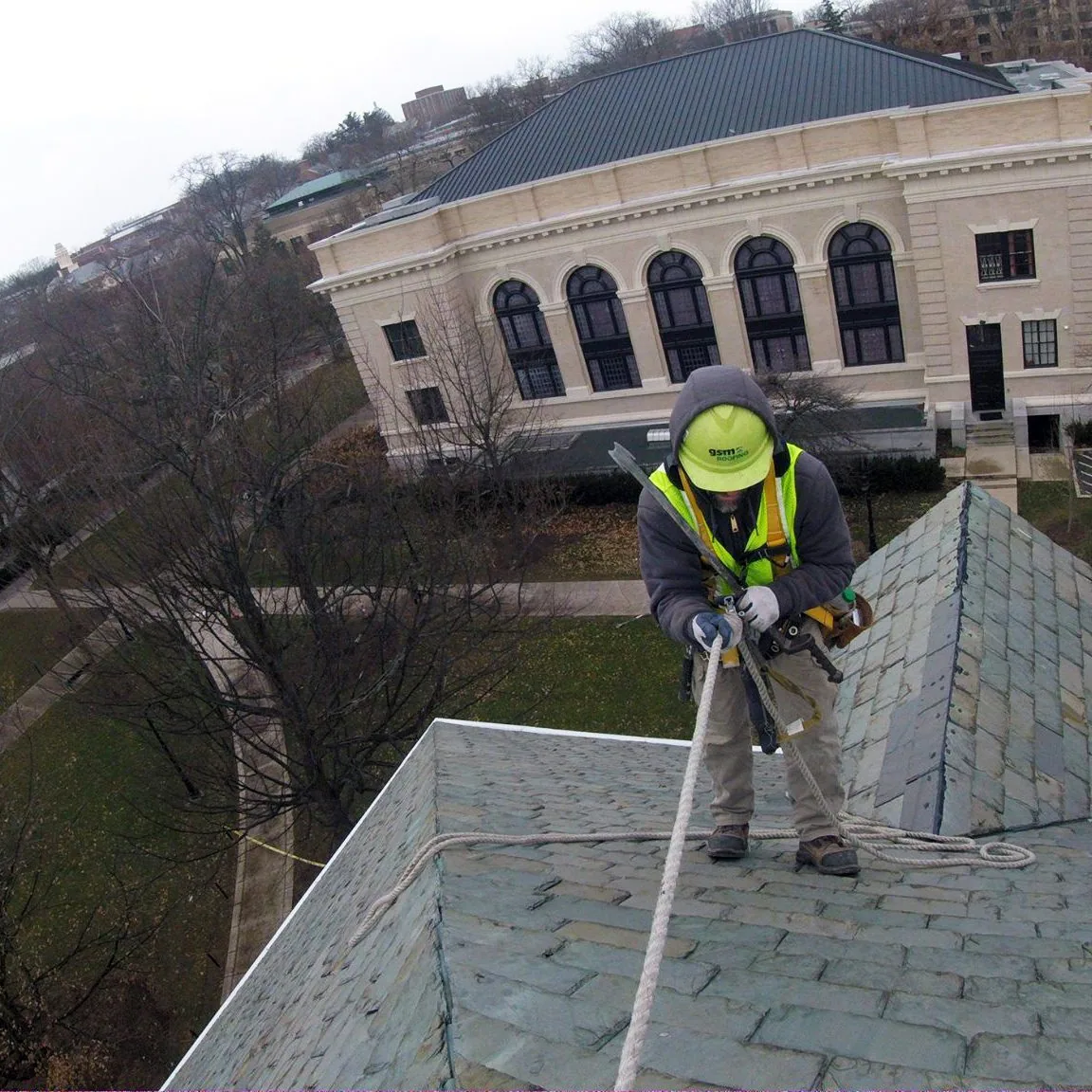
Share the building contact, access window, and reported roof section. We will document the assembly, confirm site constraints, and provide a written scope with repair limits.