EPDM Roofing in Murfreesboro, TN
EPDM roofing in Murfreesboro relies on sound seams, secure edges, and dry insulation. We inspect the assembly and scope repair, recover, or replacement.
EPDM Roofing
EPDM seam adhesive needs a clean surface and a firm lap. On a low-slope commercial roof in Murfreesboro, TN, we inspect the membrane for shrinkage, punctures, loose flashing, and seams that have opened at a corner or field joint. The material is flexible, but age, exposure, prior coatings, and the condition of the substrate change how it can be repaired. We identify the assembly before selecting a patch or proposing a larger section.
Water at an interior ceiling may have traveled beneath the sheet, so we trace the path through drains, curbs, penetrations, and earlier repairs. Where the membrane remains sound, a localized patch may be enough. Repeated seam failure, wet insulation, or an unstable deck calls for a separate replacement or recover decision. The written scope shows the tested boundary and the roof layer that stays in place.
Check the Lap and Bond
EPDM field seams may use tape or adhesive rather than a welded joint. We look for edge lift, contamination, fishmouths, wrinkles, and dirt lines that show how water or movement reaches a lap. Before applying a repair, we confirm the membrane surface can take the selected primer or adhesive and remove material that would interfere with the bond. A patch is sized to cover the defect and reach sound sheet, with edges finished to avoid a narrow pocket that can collect water.
The repair also has to account for the original assembly. A previous coating, incompatible cleaner, or patch from another membrane type can change adhesion. We take a small test area where conditions are uncertain, then record the product and surface preparation used. At a building near the Old Fort Parkway corridor, delivery and lift access may influence when the crew can stage materials, but the roof inspection determines the seam locations and repair boundary.
Follow Shrinkage to the Termination
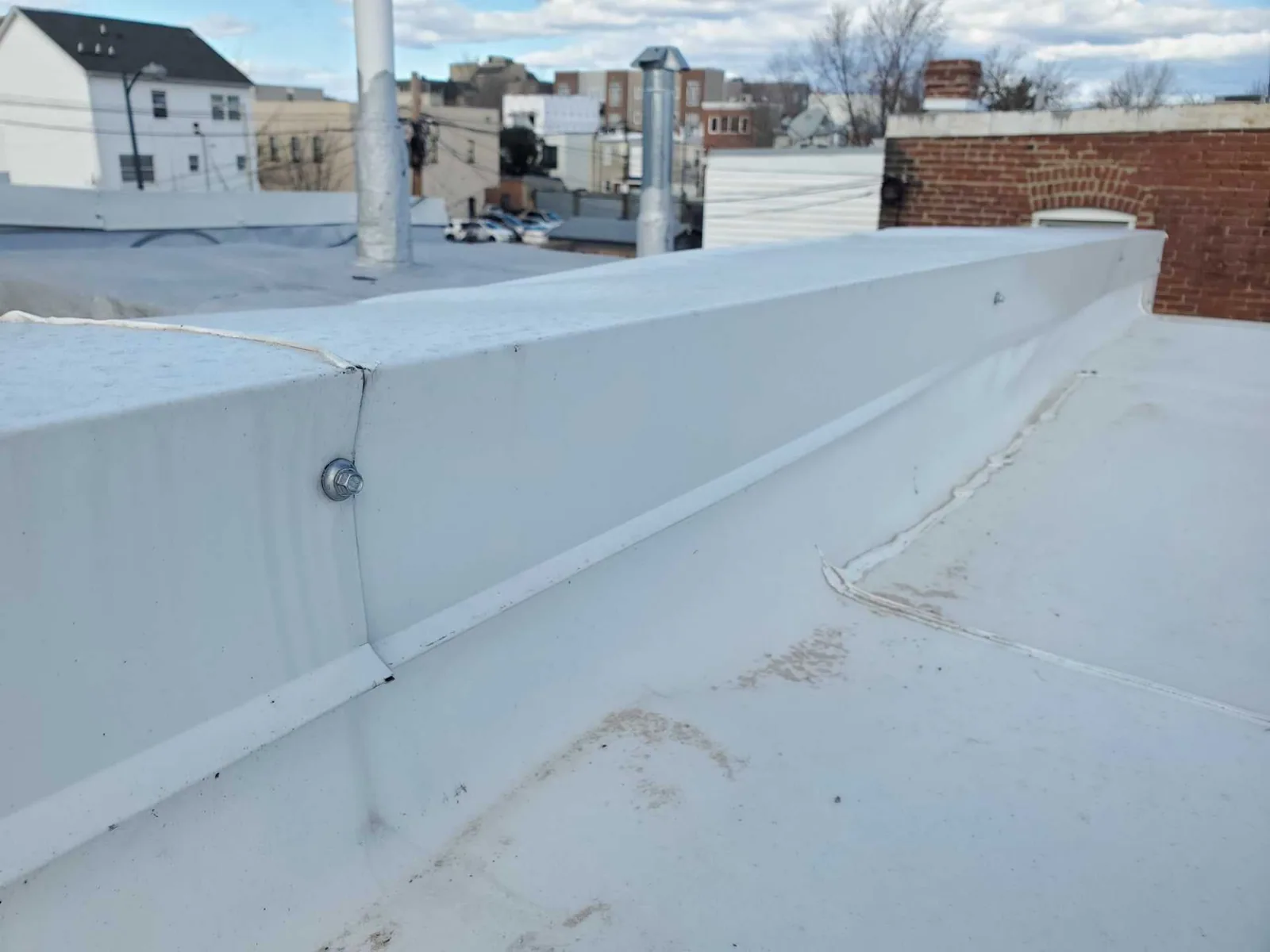
Membrane pullback can load a wall termination, curb, and corner at the same time. We inspect the sheet at parapets, metal edges, drain bowls, pipe boots, and equipment bases. The field may be intact while a termination bar has loosened or flashing has split at a change in plane. We measure the exposed area and check whether the sheet can be resecured without stretching it past a stable position. If the membrane has pulled away across multiple sections, a spot patch may not address the cause.
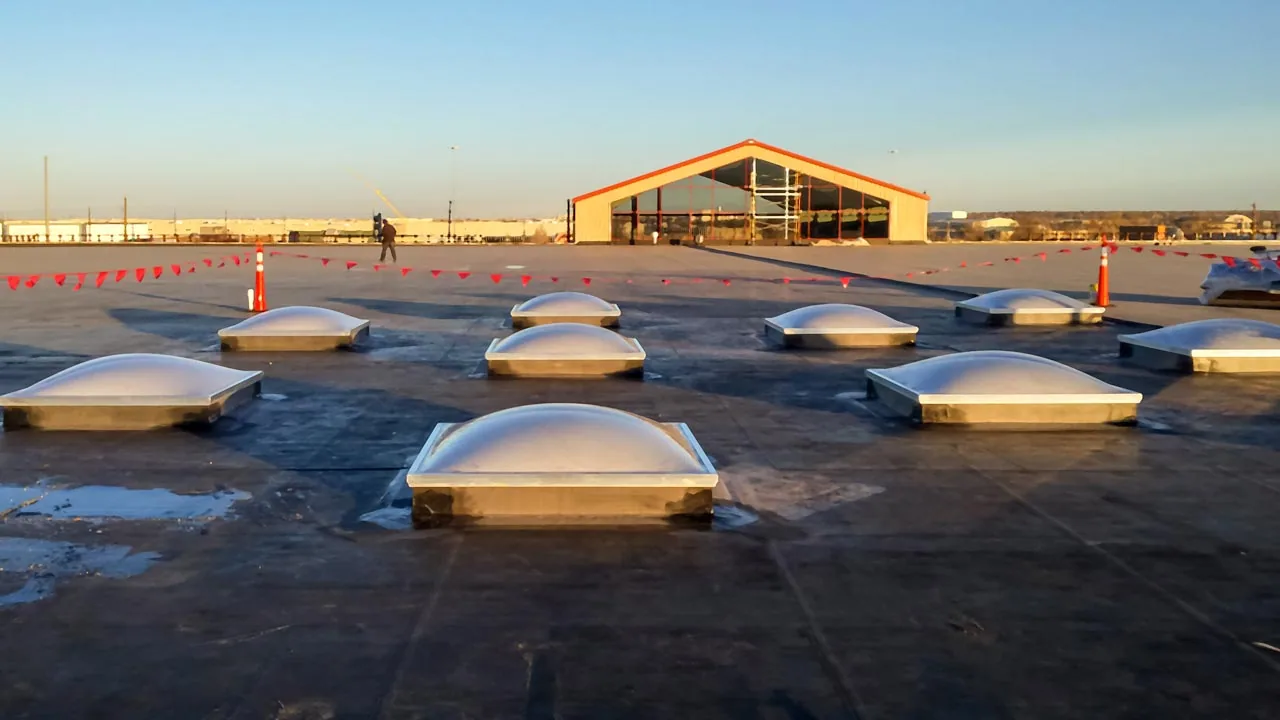
Details around skylights and service penetrations need a material compatible with the EPDM and existing flashing. A penetration review can separate roof work from equipment modifications, while edge metal repair handles loose coping or fascia where water enters behind the termination. We photograph the transition before covering it, then record any remaining movement or deck condition that the roofing work does not include.
Map Moisture Before Covering It
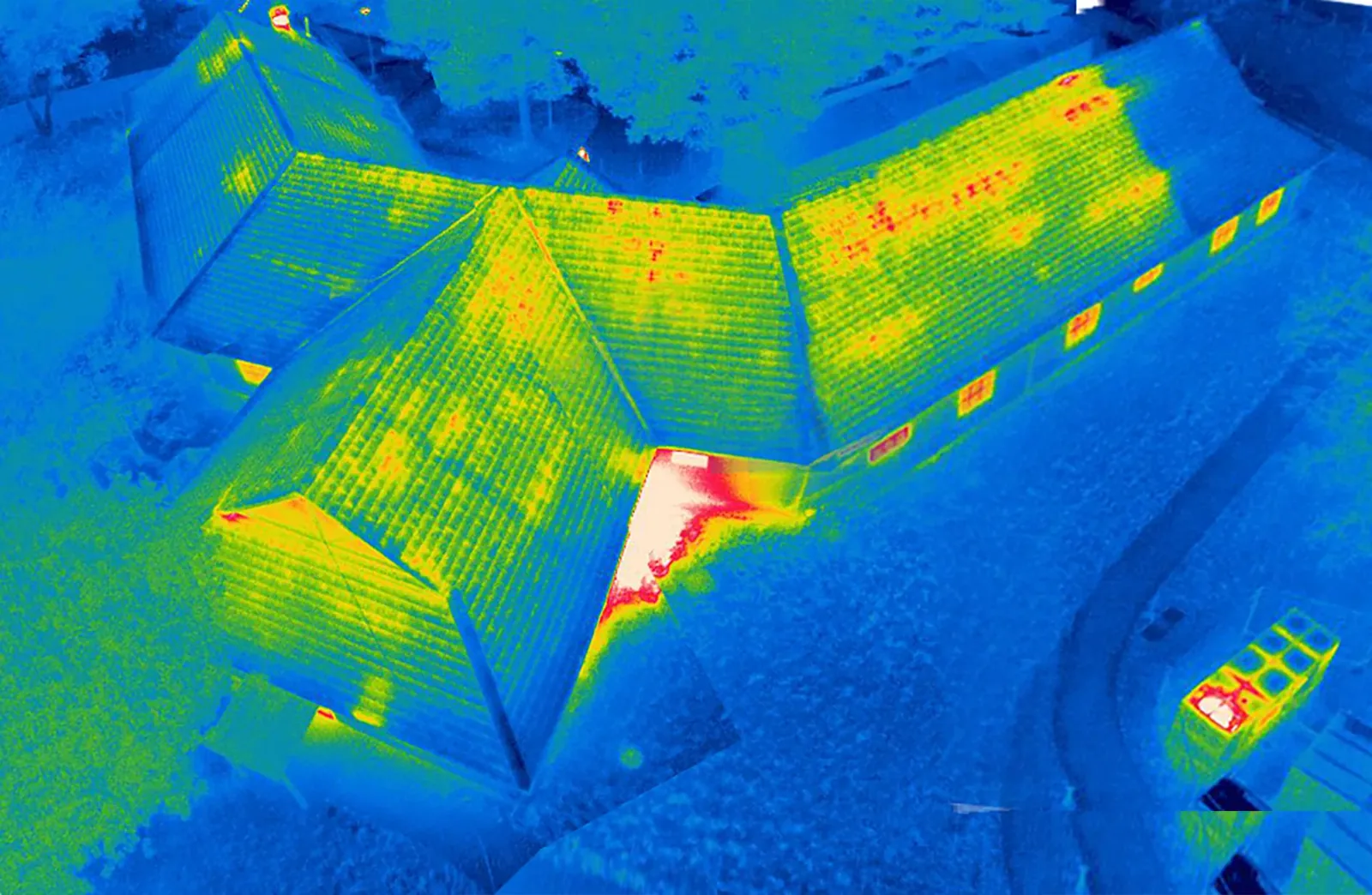
A dark membrane or a ceiling stain does not show how far wet insulation extends. We review the leak timing, inspect low areas, and choose test cuts where the roof history or surface suggests moisture. An infrared survey can help direct those cuts, but a core confirms the layer condition. The test record names the location, insulation, deck, and membrane observed. We separate wet material from sections that remain dry so the owner can compare a measured repair with broader removal.
Murfreesboro 5 N normals record 55.92 inches of annual precipitation and about 89 freezing-level nights per year. Repeated wetting and cold periods make seams, drain bowls, and tie-ins worth checking, but the station values are regional context, not a diagnosis for one roof. For a property in the Cason Lane commercial area, we inspect its actual low points and outlets. A moisture survey can prioritize test locations, and drainage work may be needed if water has no clear route off the field.
Compare EPDM with the Existing Assembly
EPDM can be repaired, recovered, or replaced, but the choice depends on the sheet, insulation, deck, and attachment. We check for loose field areas, brittle material, recurring seam openings, and repairs that have started to separate. If only one section is affected, we define that boundary and keep sound membrane in place. If failures repeat across the roof or insulation is wet in several areas, removal can make the condition easier to inspect before rebuilding.
A TPO assembly uses heat-welded seams, while a PVC roof also depends on compatible welded details. EPDM uses a different seam approach and accessory set. We compare those systems against the building's use, attachment, access, and project requirements rather than treating membrane color as the deciding factor. For a recover, the existing roof needs to be dry and stable, with enough height at curbs and drains for the new assembly.
Plan Each Section and Weather Hold
Removal or a large patch exposes a work area to weather. We confirm the delivery path, lift location, work hours, and roof section the facility can release. Tear-off stays within the area that can be closed the same shift, with a temporary tie-in checked before the crew leaves. Around active loading or occupied entrances, the ground route needs the same attention as the roof path. No material bundle should block a drain or a safe access lane.
The city's transportation plan includes road capacity and interchange work, including New Salem Highway segments near Old Fort Parkway. That can affect local staging decisions, but the actual property entrance and loading window control delivery timing. We set those details with the site contact before work begins. We phase roof sections away from active entrances. When the existing EPDM no longer supports a focused repair, the written scope identifies larger removal limits and the dry-in sequence.
Leave a Record at Every Seam
Closeout photos should show the prepared lap, finished patch, edge termination, and the nearest drain or penetration. We record the membrane type, repair boundary, material used, weather window, and any test opening that found wet layers. If a section could not be accessed, it stays identified as uninspected. That detail helps the facilities team plan the next roof walk without treating an open question as a completed repair.
A condition report can keep the EPDM repair history tied to a roof plan and dated photos. Check repaired seams after rooftop service work, severe weather, or a change in drainage. The next visit should follow the same marked section and compare the patch edge, membrane movement, and outlet flow. Send the roof plan, leak locations, prior repair details, and access window. We will return a scope that states what stays, what is removed, and how the EPDM detail closes.
Commercial Roofing Questions
Can an EPDM seam be resealed?
A seam repair is possible when the sheet and bond surface remain suitable. We clean and prepare the lap, use compatible materials, and extend the repair to sound membrane. Widespread separation may call for a different scope.
Why is the EPDM pulling back from a wall?
Movement, age, attachment, or a weak termination can load the edge. We inspect the sheet, bar, coping, and deck together before deciding whether to resecure the membrane or rebuild the edge detail.
Does an infrared scan confirm wet insulation?
No. A thermal pattern helps select test locations; a cut or core shows the insulation and deck. We map the test results before defining the removal boundary.
Can EPDM be coated instead of replaced?
A coating requires a compatible, dry, stable substrate and a system suited to the existing surface. We check adhesion and moisture first. A coating does not correct loose seams, wet insulation, or a deteriorated deck.
What changes the schedule for EPDM work?
Access hours, material staging, surface preparation, weather, test cuts, deck repairs, and the number of sections all affect timing. We set a dry-in limit for each shift and show the sequence in the written scope.
Related Roofing Work
More commercial roofing work connected to EPDM Roofing in Murfreesboro.
Inspect the EPDM Seams
Share the roof plan, leak history, prior patches, and site access window. We will inspect the laps, terminations, moisture boundary, and drainage path, then return a repair or replacement scope.