
Built-Up Roofing in Murfreesboro, TN
Built-up roofs in Murfreesboro need sound plies, dry insulation, and working outlets. We inspect the assembly and scope repair, recover, or replacement.
Built-Up Roofing
A built-up roof has several plies, so a surface split may reach only the cap sheet or may continue into the assembly. On a low-slope building in Murfreesboro, TN, we inspect the surfacing, laps, blisters, drains, and previous patches before opening a test area. The roof's layer count, attachment, and deck condition change whether a repair can stay local. We mark the section that can be confirmed and separate it from areas that need additional testing.
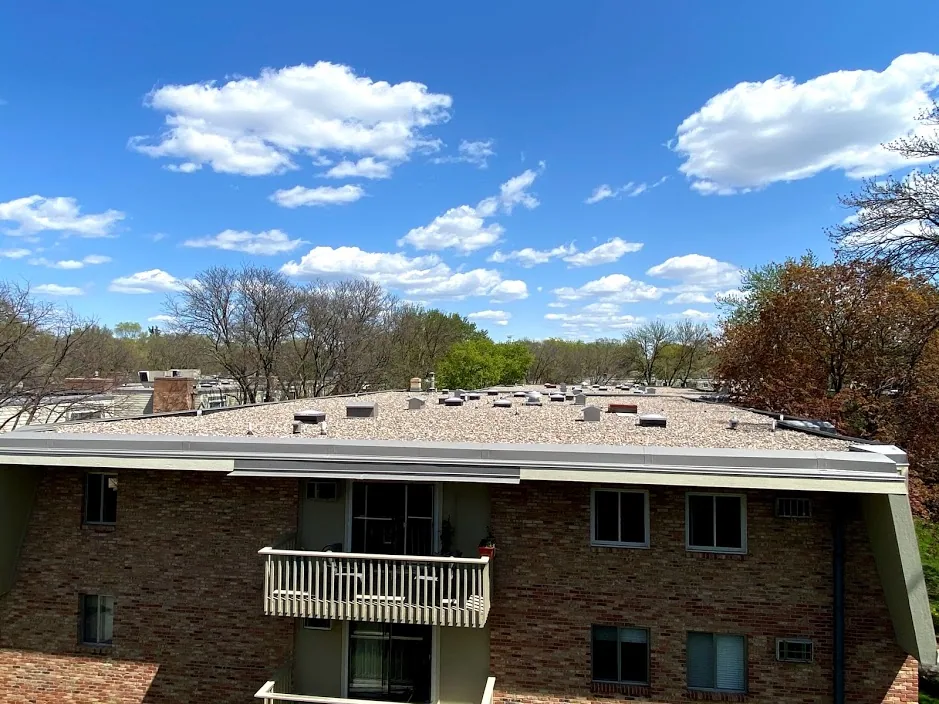
Gravel-surfaced and smooth-surfaced roofs need different inspection access and preparation. We check how surfacing is retained, whether asphalt is exposed, and whether water has collected at a seam or wall transition. If insulation is wet or the deck is unstable, a surface patch does not close the condition. The work plan identifies what is removed, how the new ply ties in, and what remains for a separate decision.
Read the Layers at a Test Cut
A core or cut shows the surfacing, plies, insulation, and deck at the test point. We choose locations based on blisters, recurring ponding, soft spots, or a leak path, then photograph the layers before covering the opening. A single sample does not represent every roof section, so we compare locations and mark the boundaries where conditions change. That map gives the owner a basis for local removal or a broader replacement scope.
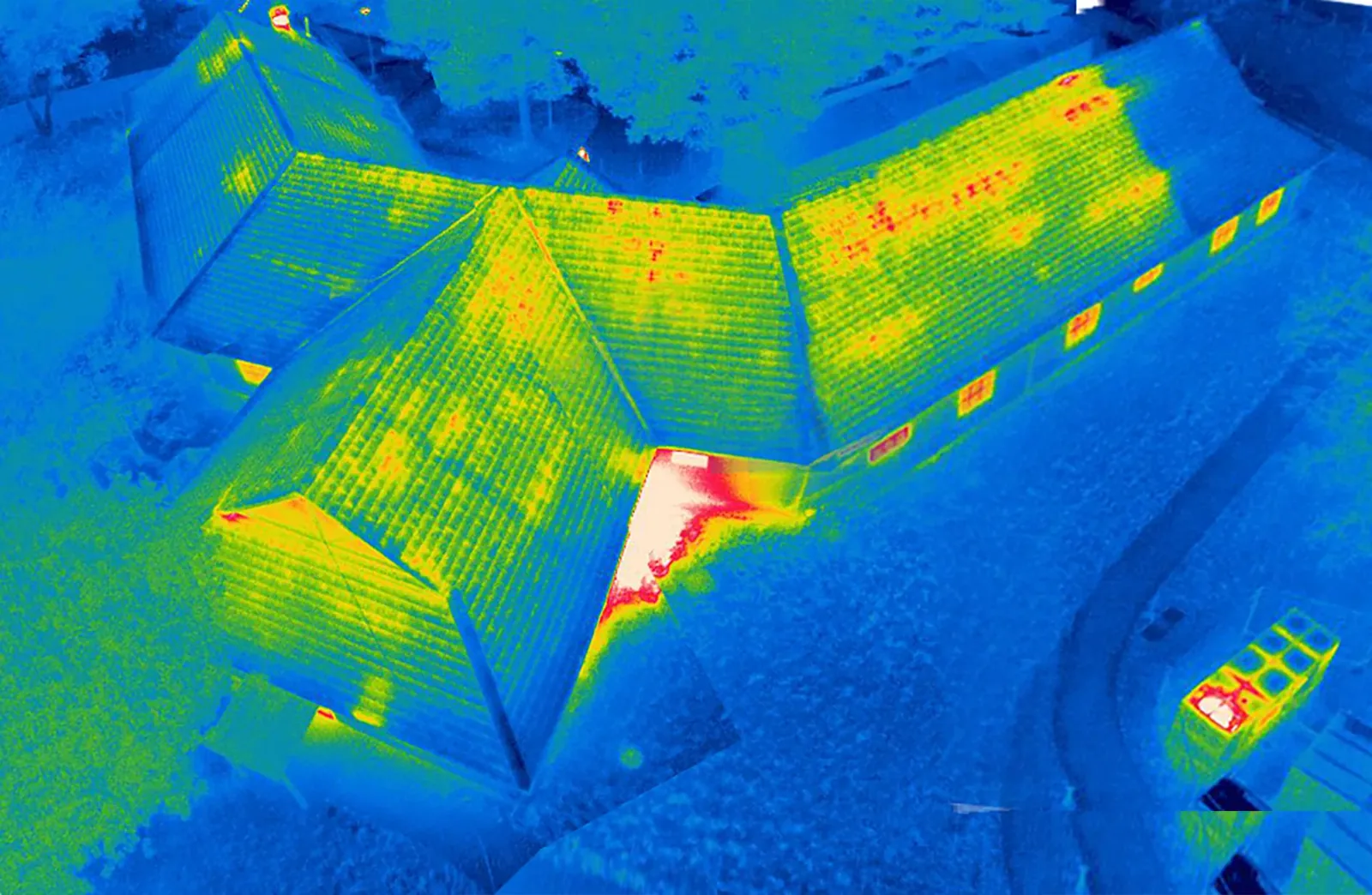
Built-up roofing uses reinforcing plies set in bituminous material, with a cap or surfacing above. The interface can fail when water reaches a loose lap, insulation softens, or movement opens a transition. A hands-on inspection records visible conditions, while thermal screening can help select where a test cut is most useful. The cut, not the image alone, confirms what is beneath the surface.
Protect the Surfacing and Repair Edge
Loose aggregate can hide a split or make the repair area hard to prepare. We move or remove surfacing only as needed to expose a bondable area, then check whether the ply beneath is dry and stable. A patch needs compatible felt and bitumen, proper laps, and a termination that will not leave water trapped under the new edge. If the cap sheet is broadly brittle or the underlying plies separate, we show that condition before pricing a small repair.
At a penetration, parapet, or equipment curb, each layer has to turn and terminate without leaving an open channel. We inspect the flashing, counterflashing, drain sump, and field membrane together. The penetration detail should tie into sound plies, and coping or edge work may be needed where water passes behind the perimeter. We photograph hidden layers before they are covered.
Check Water at Every Low Point
Built-up roofs can hold water at a low area even when the visible field appears intact. We check the slope to drains, scuppers, and overflow routes, then look for debris, a raised drain ring, or a deck depression that slows the flow. A patch around the outlet cannot correct an elevation problem. We show membrane repairs and drainage corrections as separate line items so the owner can see what changes the water path.
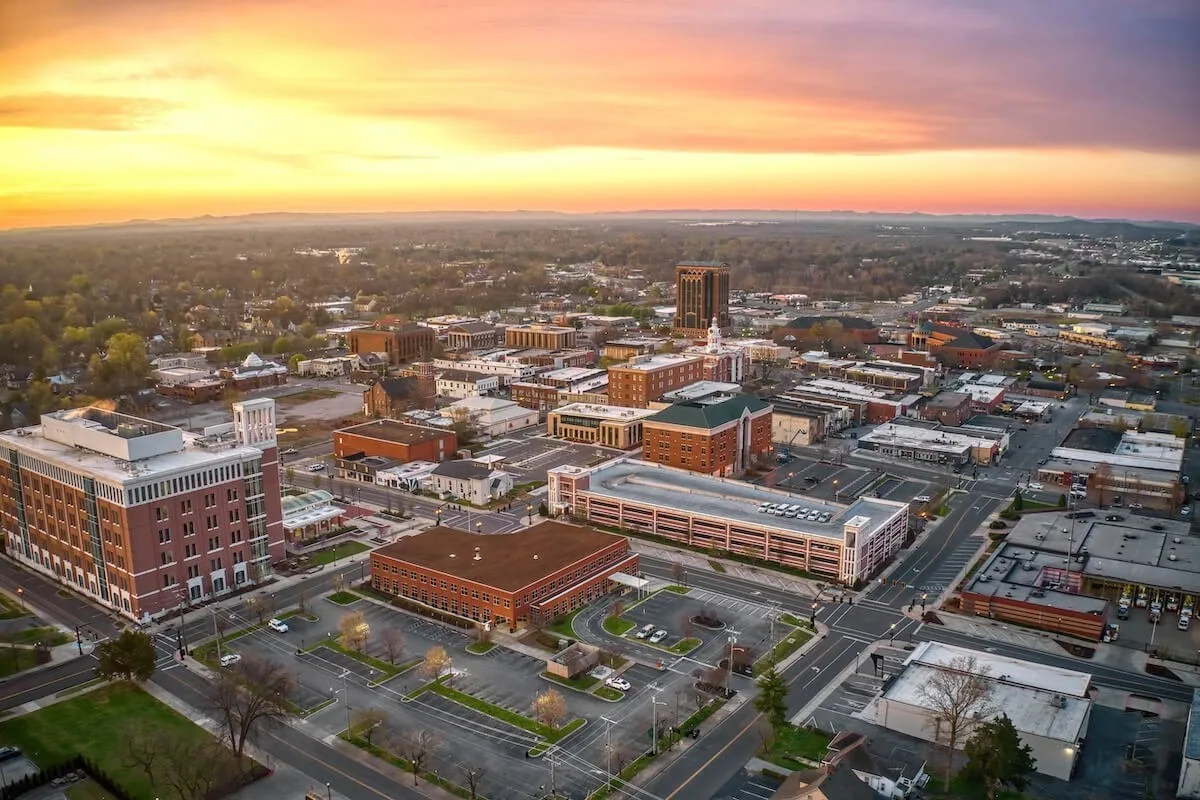
The NOAA station at Murfreesboro 5 N records 55.92 inches of average annual precipitation. The downtown neighborhood map also shows commercial, civic, residential, and open-space uses together. On an urban roof near Downtown Murfreesboro, access and neighboring occupancy can affect how crews reach an outlet, while rainfall makes drain flow worth testing after repair. A drain and scupper review should include the actual bowl, overflow, and slope measurements.
Set the Repair or Replacement Limit
A local repair fits when the surrounding plies remain attached and the test opening finds a dry, stable base. Repeated blisters, wet insulation, separated plies, or a weak deck can make a small patch a temporary boundary. We map the tested areas and record what was not accessible. If multiple sections show the same failure, replacement may give a cleaner assembly and a clearer closeout record than patching one defect at a time.
A recover can preserve sound layers when the assembly is dry, secure, and suitable for the added roof height. We check edge terminations, curbs, drains, attachment, and deck capacity before including an overlay. A modified-bitumen system can also use multiple plies, but material and installation details differ. An EPDM assembly has a different seam method. The choice follows the building, current roof, access, and approved project requirements.
Plan for Weight, Noise, and Access
Aggregate, kettle equipment, tear-off, and material staging affect roof loading and ground access. We review where materials can be placed, how the crew reaches the roof, and whether occupied entrances or service lanes need protection. The day plan sets a work zone, a delivery window, and the limit of the area that can be closed before weather changes. Keep drains clear while old surfacing is moved and new plies are installed.
Scope cost and timing move with the number of plies removed, aggregate handling, deck repairs, material staging, and the length of each protected work zone. We list those drivers separately. If concealed layers differ from the test cut, the crew protects the opening and submits the change for approval before extending removal.
The Historic Bottoms is a downtown redevelopment district west of Broad Street. For properties around Historic Bottoms, a roof walk should include the ground route, adjacent occupied spaces, and the point where material can be lifted without blocking access. The roof's actual assembly determines the work method; the area context helps plan movement and staging. We confirm those constraints with the site contact before opening a section.
Photograph the Covered Assembly
We document the test cut, dry-in, repaired plies, surfacing, and completed flashing before each layer is hidden. The closeout identifies the section, materials, method, weather window, and any deck or moisture condition outside the scope. If an area was not tested, it stays marked as an open item. A photo condition report can keep those observations with the roof plan and date of repair.
After a severe weather report or a rooftop service visit, check the repaired laps, drains, and edge terminations again. A May 2024 hail report near Murfreesboro is part of the regional record, not proof of impact on a particular property. The next inspection should compare the same marked locations and record any new blister, exposed ply, or water path. Send the roof plan, known layers, leak history, and access window. We will define a repair or replacement scope from the conditions the cut and roof walk show.
Commercial Roofing Questions
How do you know how many plies are in the roof?
A safe test cut shows the layer build-up at that location. We compare the result with records and other sections because additions or repairs may have changed the assembly elsewhere.
Can a built-up roof blister be patched?
First we determine whether the blister is dry, wet, or separated from the layer below. A patch can work when the surrounding plies and substrate are sound; wet insulation or repeated separation needs a wider boundary.
Does gravel make a built-up roof last longer?
Surfacing can protect the bituminous layers from exposure, but it does not correct a failed lap, trapped water, or deteriorated deck. We inspect beneath disturbed aggregate before setting the repair.
Can built-up roofing be covered with a new system?
An overlay needs a dry, stable base and enough height at drains, curbs, and edges. We test representative sections and confirm attachment and drainage before recommending a recover.
What affects the schedule for built-up roof work?
The number of layers, surfacing removal, test cuts, deck repairs, kettle or aggregate handling, access, and daily dry-in capacity all matter. We set the section limit and protection plan before mobilization.
Related Roofing Work
More commercial roofing work connected to Built-Up Roofing in Murfreesboro.


Inspect the Built-Up Layers
Provide the roof plan, repair history, known assembly, and access hours. We will inspect the plies, test suspect areas, and return a scope with the repair or replacement boundary marked.