Commercial Roofing in Rockvale, TN
Commercial roof repair and replacement in Rockvale, TN. We check drainage, roof access, deck condition, and work sequencing before setting a written scope.
Rockvale
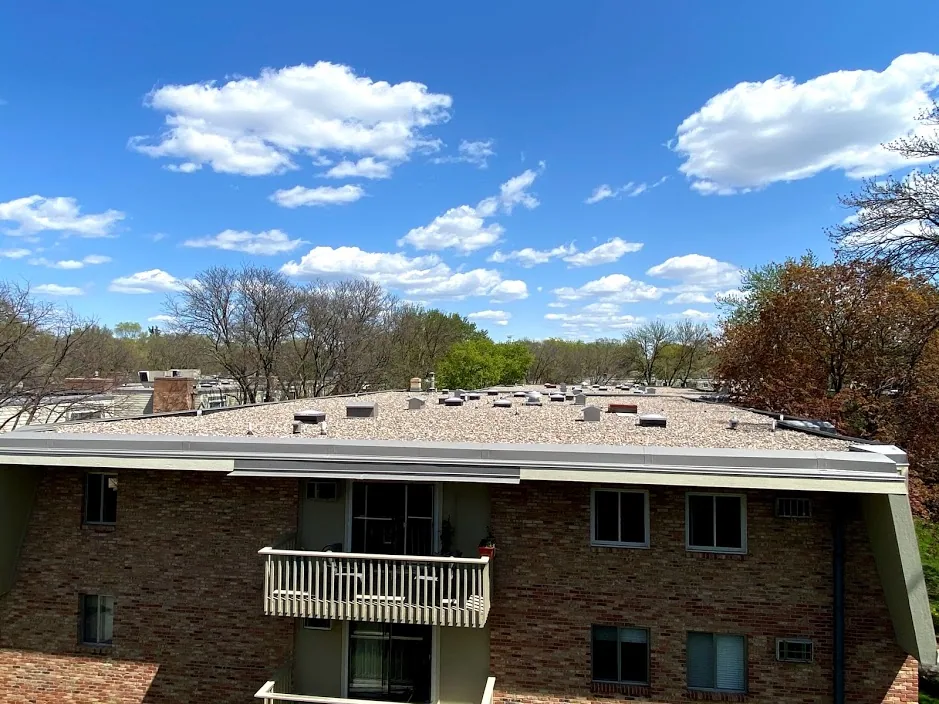
A commercial roof in Rockvale can sit over an active work area, storage space, or customer-facing operation. The roof assembly and the building's daily use decide how we stage the inspection. We start by locating the access point, identifying the membrane or metal system, and marking the section connected to the reported leak. Then we check seams, drains, edges, penetrations, and prior repairs. The first walk should leave the owner with a clear boundary between what was observed and what still needs testing.
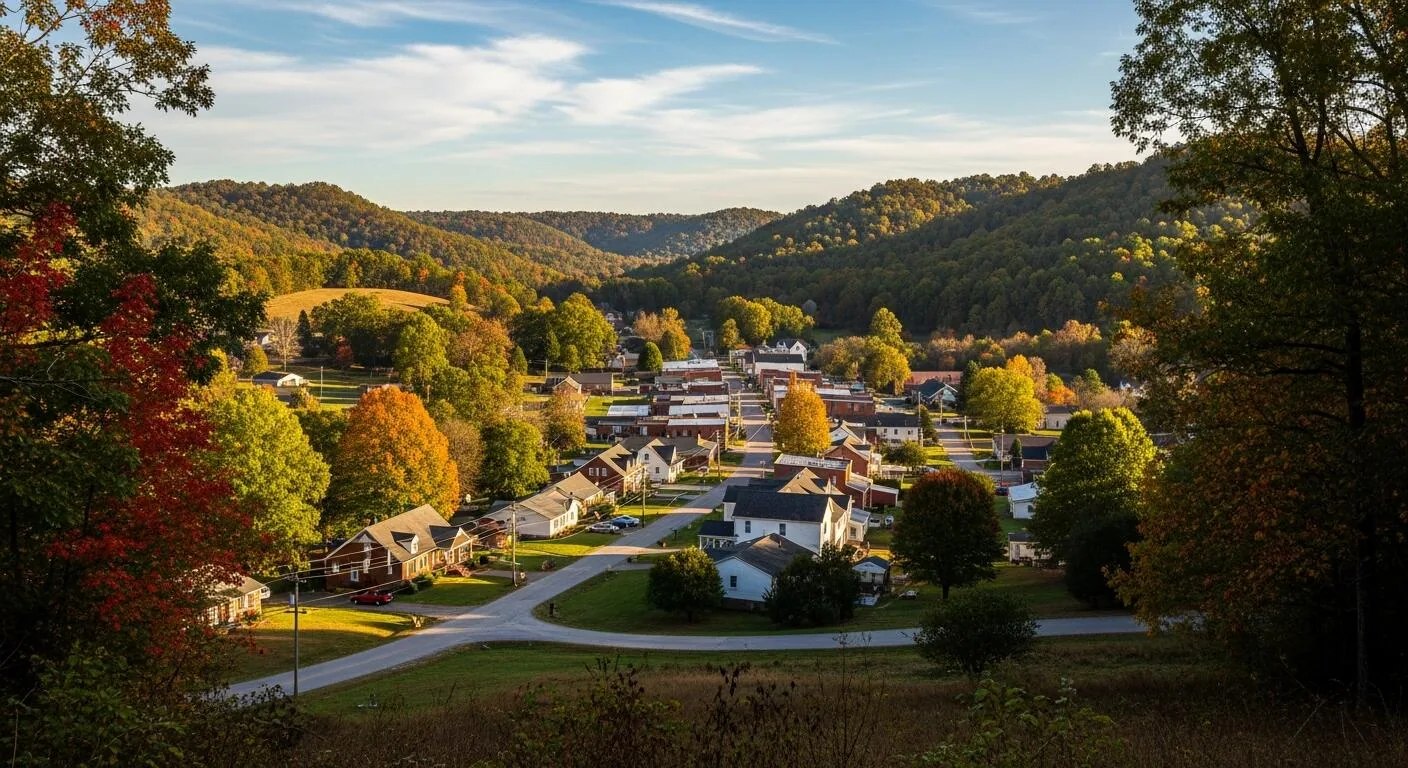
Rockvale is a Rutherford County community, and Highway 99 is a recognizable local connection. That road reference helps orient a service visit; it does not tell us how a particular property is built or when it can be accessed. We confirm roof access, vehicle clearance, loading activity, and the person who can approve work directly with the site contact. A repair plan follows the actual roof and operating window, not an assumption based on the community name.
Trace the roof section
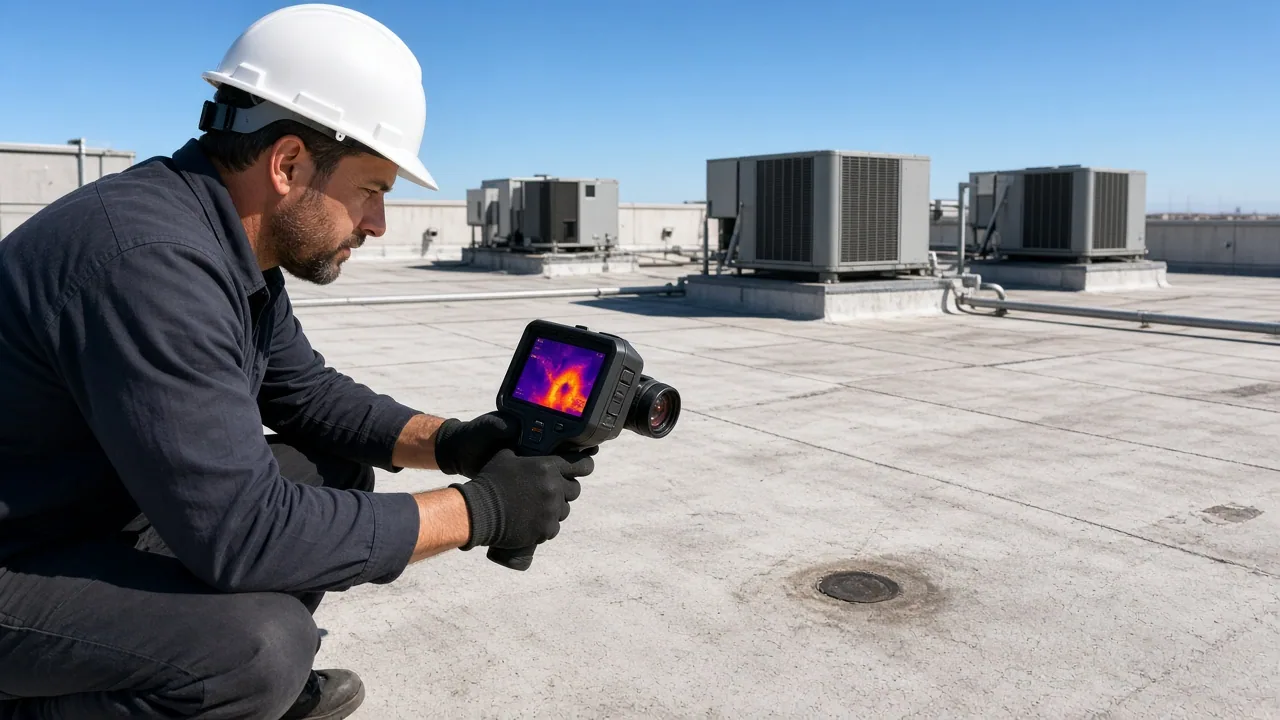
Interior staining is a starting point, not a roof diagnosis. Water may travel along a deck flute, insulation joint, conduit, or framing before it appears inside. On the roof, we compare the reported location with the drainage path and inspect the nearest seams, curb flashings, wall transitions, and penetrations. We record whether the surface is split, open, displaced, soft, or simply discolored. Those observations help distinguish a visible defect from a suspected water path.
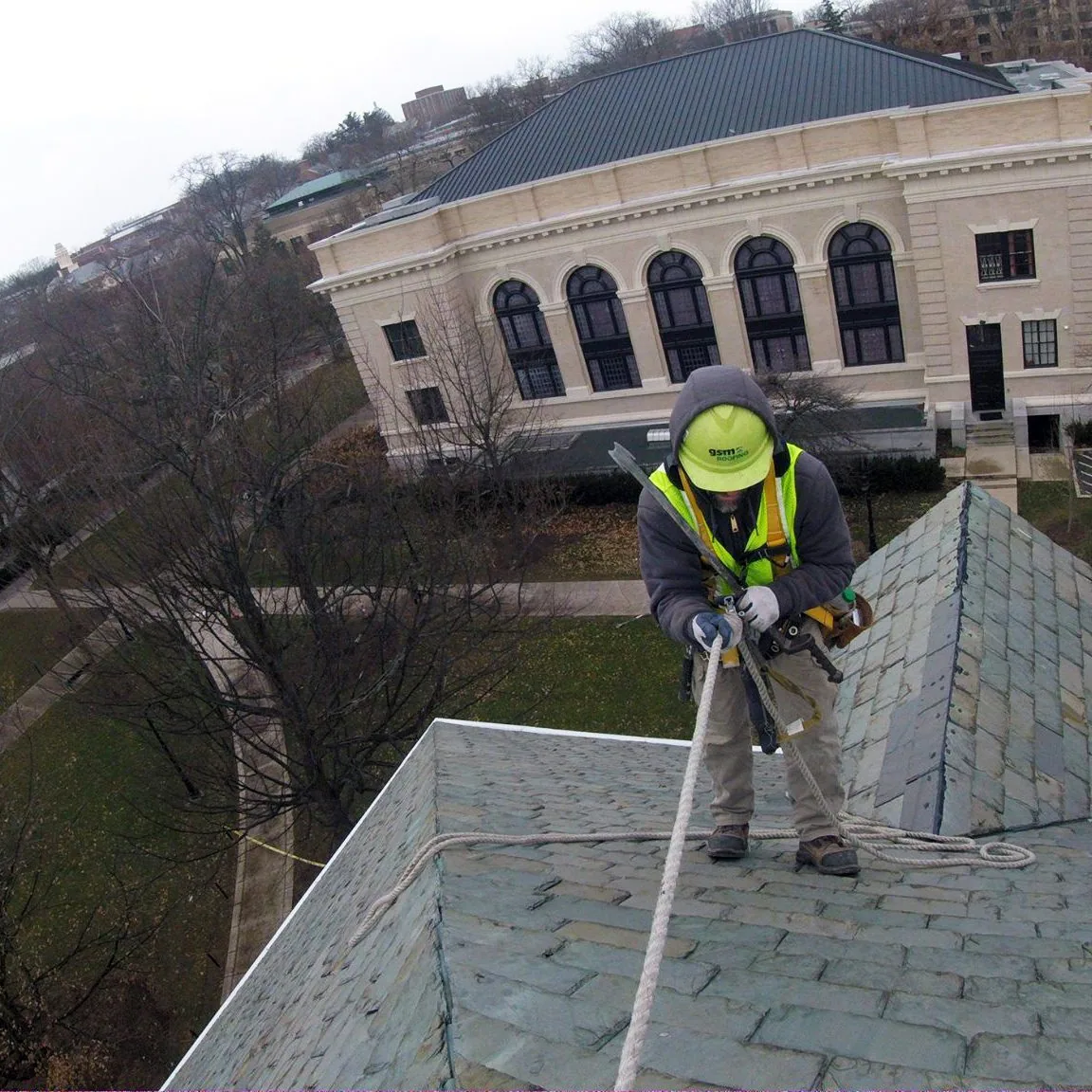
Where a safe walk is possible, the crew checks the surface and adjoining details by section. Where access or surface condition limits a walk, we identify the portion not examined and ask before using another inspection method. The report should identify the roof area, show the condition in dated photos, and state what additional opening or moisture survey would answer. A broader commercial roof inspection can document the assembly, while leak repair can address a confirmed entry point.
Follow water to the outlet
Drainage work begins with the path from the high point to the outlet. We look for debris, blocked strainers, displaced drain rings, low areas, and transitions that can slow runoff. The next check is at the surrounding membrane: an outlet can be clear while a seam or flashing beside it is open. We photograph the drain, the approach, and any visible ponding separately so a maintenance record does not become an unsupported claim about the roof's overall condition.
Rainfall observations near Rockvale and Murfreesboro appear in regional severe-weather records. That context supports keeping inspections and drainage records tied to the property; it does not prove that a particular Rockvale roof received damage. After a reported event, we compare new photos with the prior condition, inspect edge metal and penetrations, and record any change. If a property also needs drain and scupper work, the scope should state which outlets and surrounding details are included. A neighboring property still needs its own roof map and history; conditions do not transfer from one building to another.
Set the work window
Access controls the work sequence as much as the repair material. Before moving equipment, we walk the vehicle route, identify roof entry, review any occupied areas below, and agree on a place for materials. The site lead should identify doors, yards, or service lanes that cannot be blocked. If a lift or material drop affects a delivery window, we split the work into smaller sections or schedule a separate mobilization. The plan should state who can stop work if building activity changes.
On an exposed roof, the crew marks the work zone and protects openings at each shift end. Penetrations and equipment curbs are handled in a sequence that leaves a secure tie-in if weather interrupts the work. We also record which sections remain open to inspection and which were not part of the approved scope. For a larger phased project, occupied-building reroofing can set notices and daily limits. A nearby route such as Christiana may have a different property access pattern; we verify each site's constraints rather than transferring a schedule from one location to another.
Choose a defined repair boundary
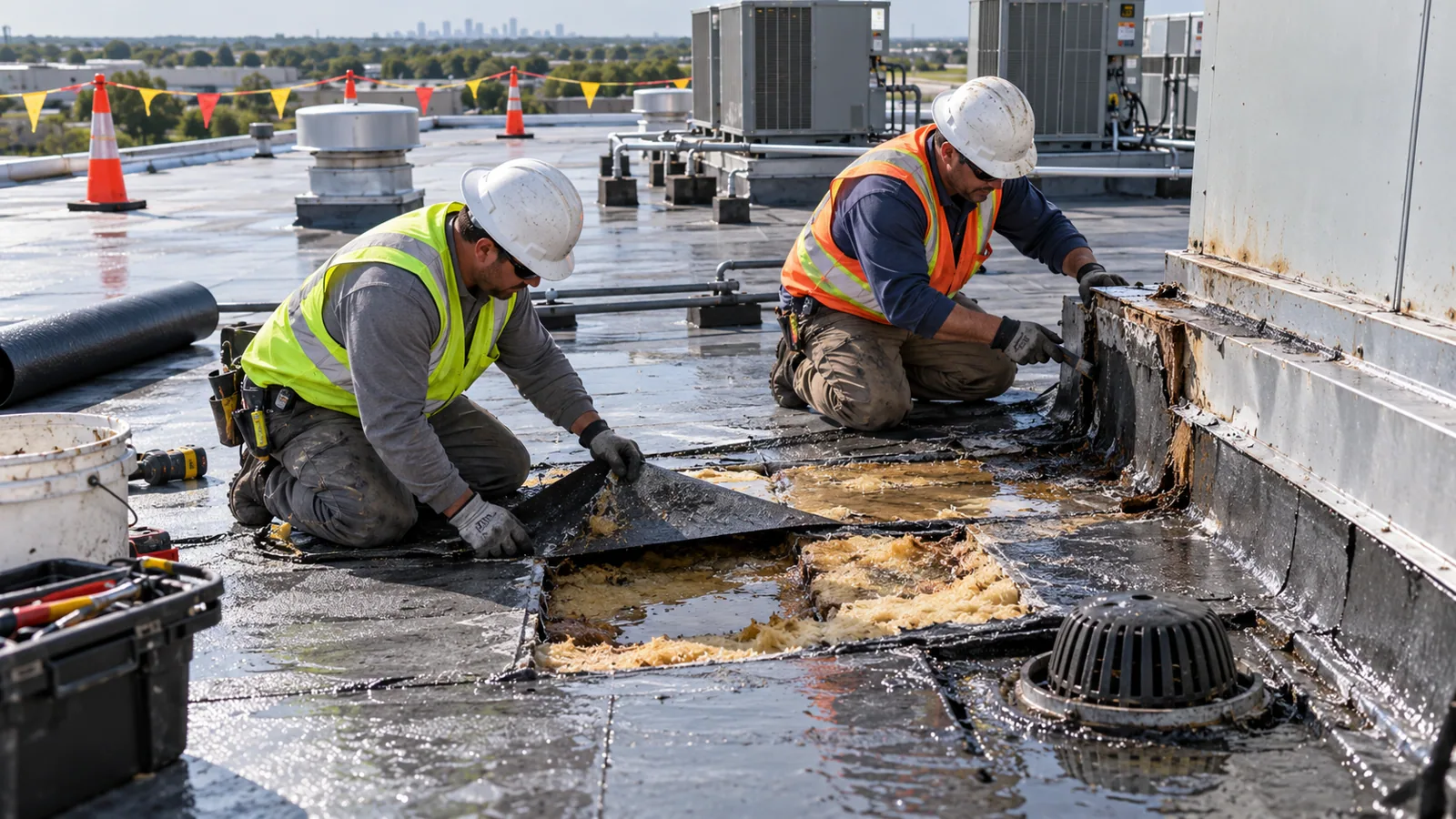
A targeted repair works when sound material remains around the defect and the deck supports a reliable tie-in. We check the membrane beyond the visible opening, adjacent seams, wall transitions, and insulation for moisture. If the wet area extends under the surface, sealing the top can hide rather than resolve the condition. The written scope should identify the opening, materials, termination point, and any concealed condition that could change the work after removal.
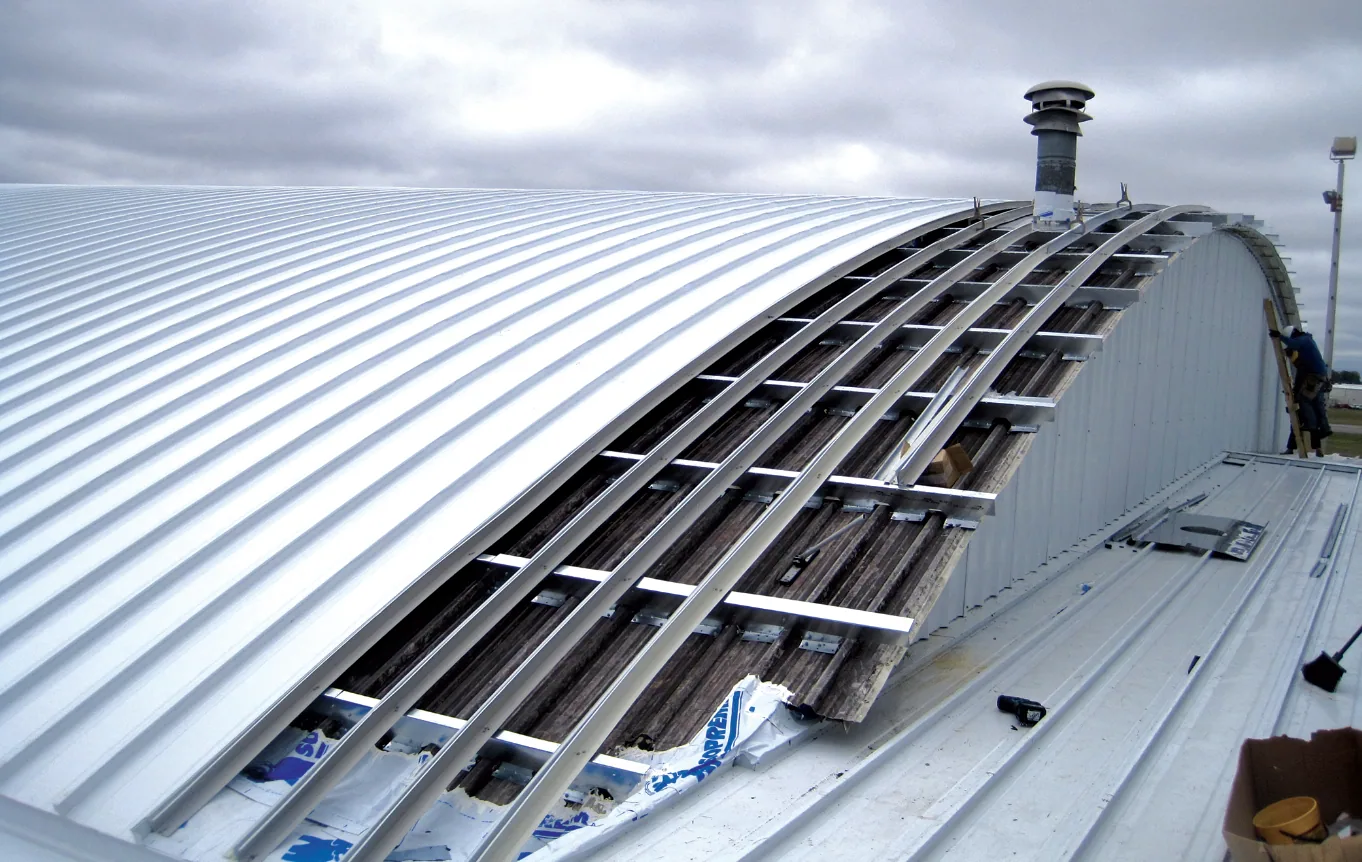
Replacement or recover is a different decision. We review layer count, attachment, drainage, deck condition, wet insulation, and structural capacity before recommending another roof layer. A coating is not a substitute for repairing a failed seam or removing saturated material. The owner receives options with their limits and scope drivers, including any test cut needed to confirm the assembly. Where an existing metal roof is part of the building, metal roof retrofit can be compared with a full replacement after the substrate is checked. For storm-related findings, see hail damage repair without treating a regional report as proof of a site loss.
Close the loop with records
Good closeout records make the next visit faster. We label photos by roof section, show the completed tie-in, and list any area outside the work boundary that still needs review. The service record records the material installed, date, weather hold if one occurred, and the person who accepted the completed scope. If a condition remains concealed or could not be safely reached, the report says so directly. That is more useful than a roof-wide statement that leaves the owner guessing about coverage.
Maintenance can then follow actual findings: clear an outlet, recheck a flashing after equipment work, or compare a seam with its closeout photo. A property manager may keep separate records for multiple buildings while using the same fields for date, section, condition, and next action. If planning extends beyond a single repair, roof condition reports can support budgeting, and commercial roofing in Lascassas provides a separate community page. For work at a Rockvale property, coordinate a roof walk, access window, and written scope with the person responsible for the building.
Commercial Roofing Questions
What should a Rockvale roof inspection cover first?
Start with roof access, the assembly, and the reported section. We trace drainage, check nearby seams and penetrations, and record what could not be safely examined. The report separates observed conditions from areas that need testing.
Does a regional storm report confirm damage at my building?
No. A report near Rockvale or Murfreesboro is a reason to inspect, not proof of a property loss. We compare current conditions with prior records and photograph any changed edge, seam, curb, or membrane area.
When is a repair preferable to replacement?
A repair may fit when sound membrane and deck remain around the failure. If moisture, weak attachment, or repeated openings extend beyond that boundary, we document the broader option and explain what a test cut would confirm.
Can roof work avoid a delivery lane?
We walk the vehicle route and loading window with the site lead before staging. If material movement conflicts with deliveries, we phase the work or use another approved window, then secure the open section at the end of each shift.
What should be included in closeout photos?
Photos should identify the roof section, completed repair boundary, tie-in, and any nearby condition left outside scope. We pair them with the material used and a concise record about any return visit or concealed condition.
Related Roofing Work
More commercial roofing work connected to Rockvale in Murfreesboro.
Schedule a Rockvale roof walk
Share the access point, reported roof section, and operating window. We will document what is visible and prepare a repair or replacement scope with defined limits.