Commercial Roof Recover in Murfreesboro, TN
Compare a roof recover with tear-off in Murfreesboro. We check moisture, deck capacity, attachment, drainage, and code scope before setting the overlay plan.
Commercial Roof Recover
A recover keeps the existing roof in place, but only when that assembly is dry, stable, and suitable for another layer. On an office roof near Middle Tennessee Boulevard, a dry membrane with secure seams may leave room for an overlay. A roof with trapped water, soft insulation, or a failing deck does not. We check the assembly in representative sections, confirm the attachment plan, and show where recovery ends or tear-off becomes necessary before setting the scope.
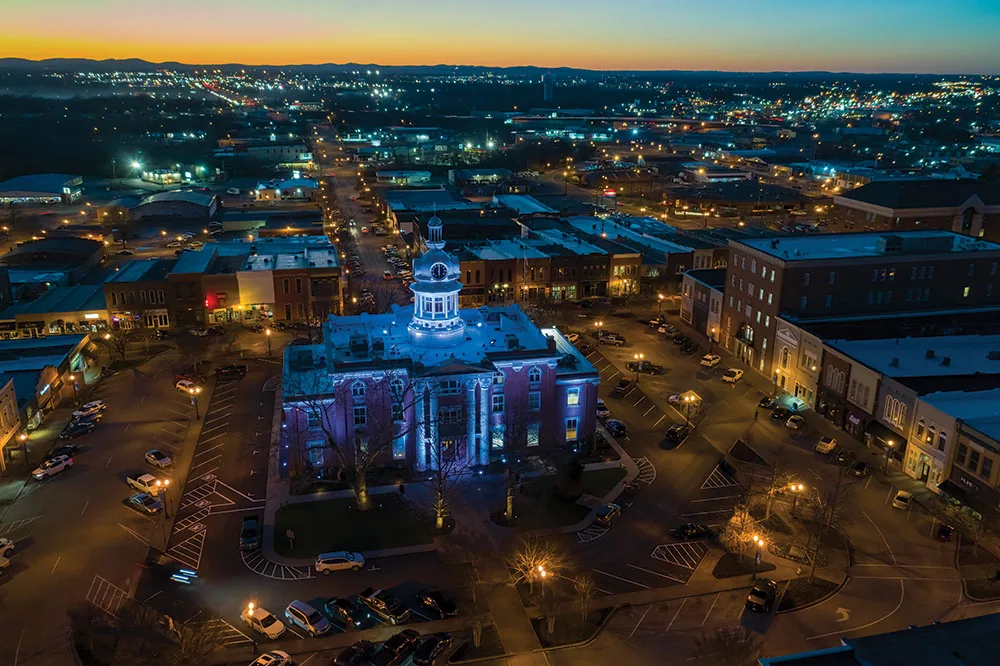
Test the Existing Assembly
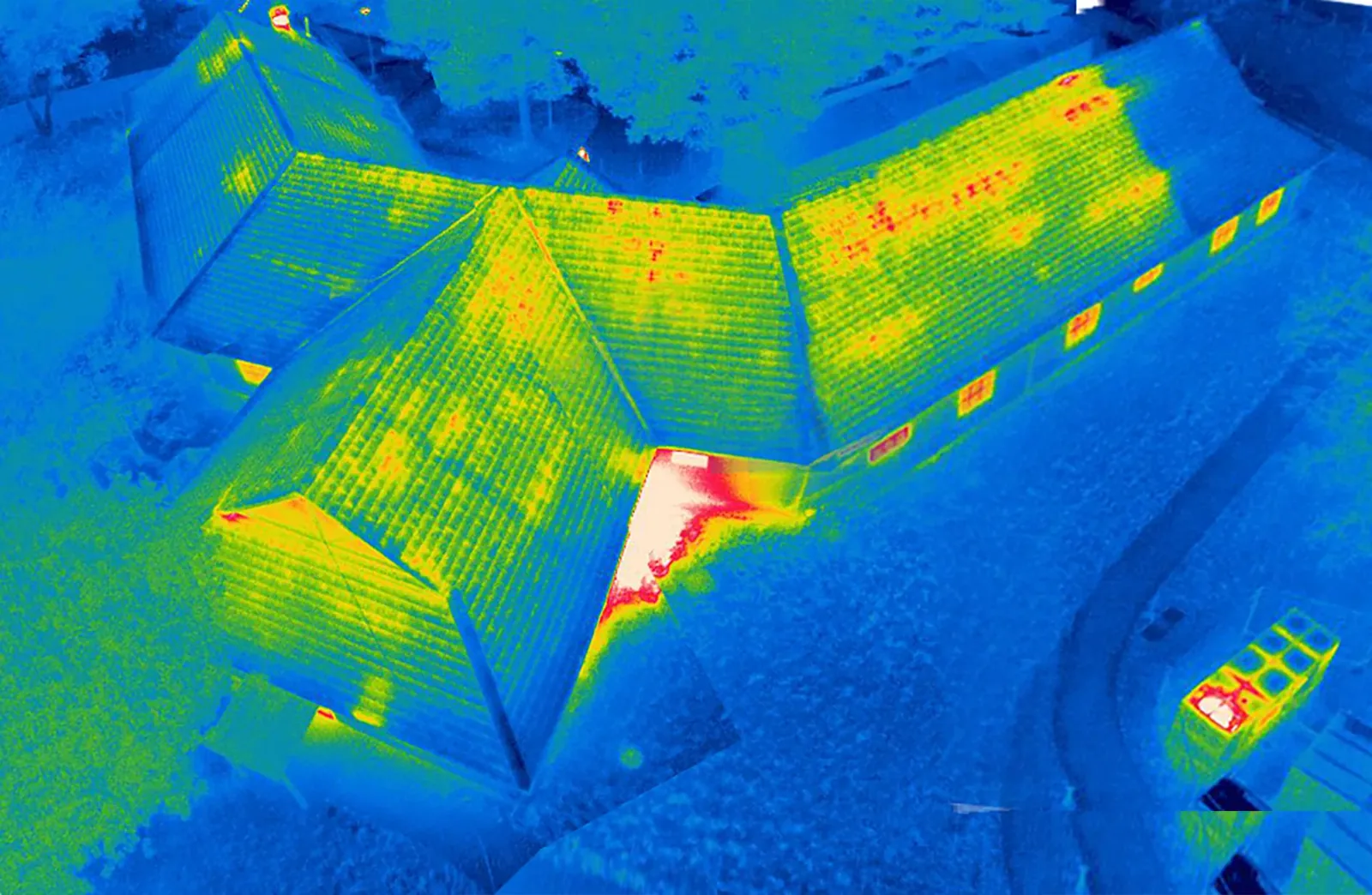
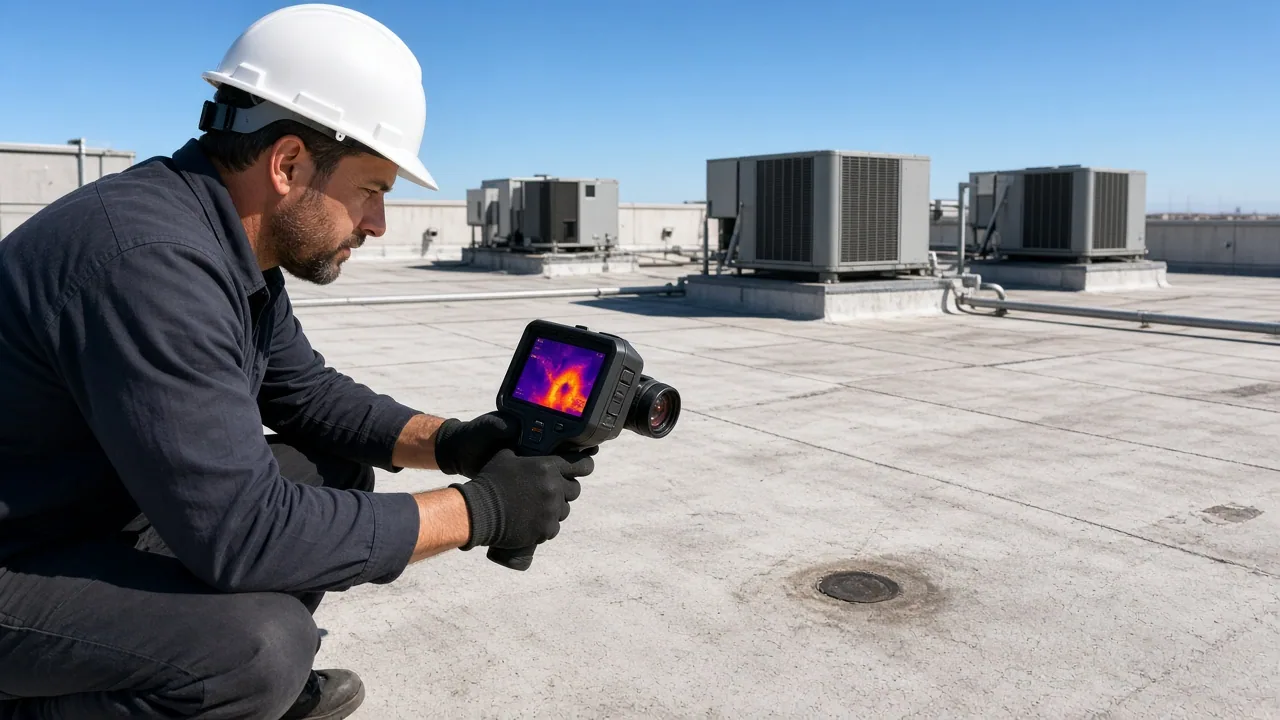
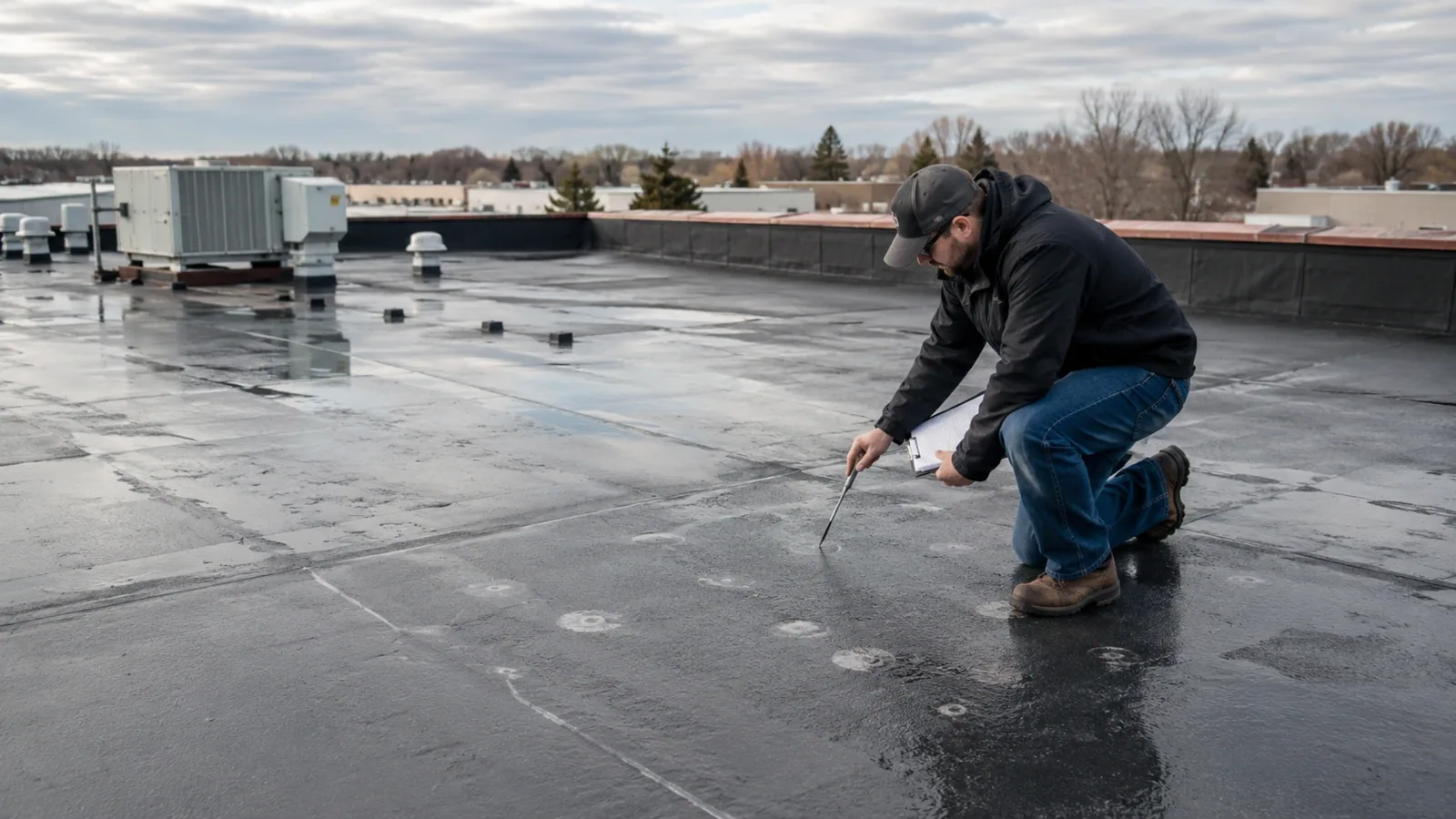
Moisture changes the decision first. We review the roof history, look for ponding and patched seams, and use test cuts or an infrared survey to find areas that need confirmation. A thermal pattern alone does not identify wet insulation, so a core or cut verifies the condition before a recover is approved. We also inspect the deck for movement, corrosion, or a surface that will not hold the proposed attachment. The findings divide the roof into areas to retain, repair, or remove.
A distribution or industrial property may have additions with different decks, elevations, and previous repairs. Murfreesboro’s future-land-use plan describes manufacturing, warehousing, shipping, and laboratory uses as part of its industrial category, but that planning description does not establish the construction of any particular building. Our field walk records the actual assembly, including cover board, insulation, and membrane. When moisture is uncertain, we can combine a thermal survey with hands-on verification before pricing the overlay.
Confirm Attachment and Added Load
The new system has to connect to something sound. We review the existing deck type, fastener pullout where needed, membrane condition, and proposed wind design. Recover boards can create a more stable surface, but they do not correct a weak deck or eliminate moisture below. The added layers also affect roof height at drains, curbs, doors, and wall terminations. We mark those transitions and check that the assembly can maintain positive drainage before selecting the new membrane. The owner sees the test locations, the attachment basis, and the conditions that would trigger a change before materials are released.
System choice follows the substrate and use. A mechanically attached TPO recover may work where the deck and design support it; a rubber membrane may fit a different roof and maintenance plan. We do not assume an overlay is the lower-risk option simply because it avoids tear-off. If existing layers are loose, wet, or incompatible, removal gives a cleaner base. The estimate identifies the tested areas, attachment assumptions, and any unresolved condition that could change the work.
Keep the Drainage Path Open
Every added layer raises the field surface. That change has to be carried through the details, not left for the final flashing. We check drain bowls, scuppers, overflow routes, crickets, and low points, then determine whether rings, extensions, or tapered insulation are needed. A higher membrane at the perimeter can trap water if the outlet stays at its old elevation. We lay out those corrections before materials arrive so the crew does not discover a blocked drainage path after the roof is covered.
NOAA normals for Murfreesboro record about 56 inches of annual precipitation and recurring freezing nights. Those conditions make drain flow and water at seams worth checking during the survey. They do not prove that a particular roof is holding water. Near Downtown Murfreesboro, a confined urban roof may have difficult access to a drain; on a broad west-side property, long runs can hide a low area between outlets. The drain and overflow scope and cover-board choice should reflect the roof measurements and outlet elevations.
Set Code and Work Limits
Murfreesboro adopted 2024 building and existing-building codes with local amendments for covered commercial work. The city ordinance also describes permit exceptions for some roof-covering replacements, including conditions tied to existing deck and framing or reuse of the same system. A recover may change roof height, insulation, attachment, or assembly, so we describe the actual work and confirm the permit path with the authority having jurisdiction instead of treating all overlays alike.
Access can make an overlay attractive where tear-off debris would interrupt loading or public entry, but the work still needs a safe material route and a clear boundary. At an occupied office, we agree on lift placement and entry controls. Near the Old Fort Parkway commercial corridor, traffic and delivery timing can affect staging; the roof itself determines the daily work zone. We coordinate a roof walk and a loading window with the facility lead, then protect each section at shift end. If removal proves necessary, the replacement sequence can be compared using the same tested boundaries.
Record What the Recover Covers
The scope should identify the areas left in place, any wet sections removed, the new attachment method, and the details that receive new flashing. We photograph test cuts before closure and document drain and edge transitions after installation. That record gives the owner a clear line between the old assembly and new work. If an area was not accessible or could not be tested, it stays marked as an open condition rather than being counted as confirmed dry.
Hail reports near Murfreesboro in May 2024 are a reason to inspect exposed roof sections after a storm, not evidence that a particular site has impact damage. A condition baseline helps separate existing wear from later change. Our photo condition report can track the recover by section, while commercial properties along Medical Center Parkway or other local corridors can schedule inspections around normal operations. The next check should focus on seams, penetrations, drains, and any repaired boundary recorded at closeout.
Keep the original roof details in the record, especially if the overlay changes curb or parapet height. record which metal stays, which transitions are rebuilt, and where an existing expansion joint crosses the new field. That detail prevents a future repair from being applied to the wrong layer. On a roof with several additions, a marked plan helps the facilities team tell the recover from an older roof area during service calls.
Commercial Roofing Questions
How do you know whether the roof is dry enough to recover?
Test cuts confirm what a surface scan suggests. We take samples in representative wet-looking and apparently sound areas, record the insulation and deck condition, and map any removal needed. We do not cover a roof section until the moisture boundary is understood.
Can a recover correct ponding water?
Only if the scope changes the drainage path. We measure low spots, outlet heights, and the slope needed to carry water. Tapered insulation or drain adjustments may be included, but adding a new membrane over a flat low area will not make it drain.
Will an overlay change the roof height at the walls?
Yes. Each added layer affects edge metal, curbs, doors, drains, and wall flashing. We measure those transitions and include new termination details where the raised surface requires them.
Does a recover avoid a permit in Murfreesboro?
The city ordinance lists specific roof-covering replacement exceptions. The proposed system, deck work, framing, and local amendments affect the answer. We identify the scope and confirm requirements with the city before construction.
What if a test cut finds wet insulation after work starts?
We stop at the safe boundary, photograph the opening, and mark the affected area. The owner reviews the added removal and tie-in before the crew covers the section. A revised scope should name the work and its price rather than burying the change.
Related Roofing Work
More commercial roofing work connected to Commercial Roof Recover in Murfreesboro.
Check Before Adding a Layer
Schedule a roof walk with access to the drains, curbs, and representative test areas. We will document the existing assembly and show where a recover fits, where repairs are needed, and where removal is the safer scope.