Commercial Roofing on Cason Lane, Murfreesboro, TN
Commercial roofing on Cason Lane starts with the roof section, its water path, and access. We inspect repairs and plan work around the property's use.
Cason Lane
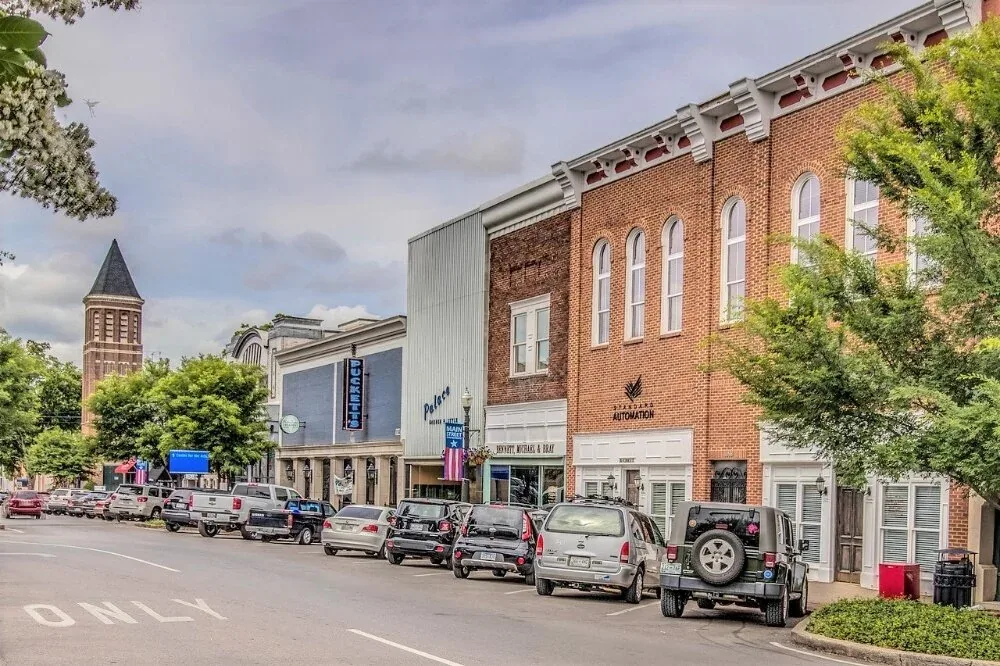
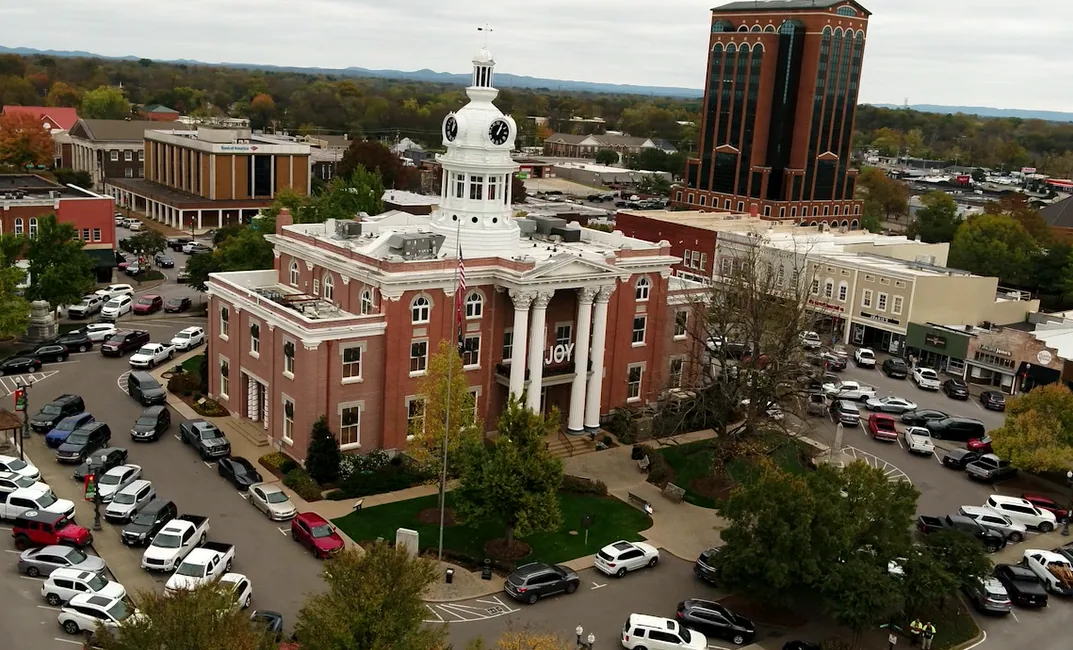
Cason Lane is a broad commercial area in western Murfreesboro, not a single property. In Murfreesboro, TN, the city map places the lane, Cason Trail Greenway, and nearby commercial uses within a wider mix of residential, school, park, vacant-land, and greenway areas. The roof on each building needs its own inspection. We identify the assembly, drain route, equipment curbs, and repair history, then confirm how the crew can reach the roof without affecting the building's daily work.
The Cason Lane map connects toward downtown and Medical Center Parkway, with State Routes 96 and 99 in the wider travel context. We use that geography only to understand the area's broad access framework; delivery timing and staging depend on the property entrance. A roof walk marks seams, flashing, drains, roof edges, and any soft or wet areas. For nearby context, review Medical Center Parkway and Blackman.
Map sections and access
We start with the available roof drawing, service records, and the person who controls access. The field walk identifies the ladder or hatch route, equipment that needs clearance, and any area that cannot be reached safely. We mark roof sections so an owner can connect a photo to a location later. If a drawing leaves out an addition or old patch, we record the difference and update the repair scope to match the roof we can see.
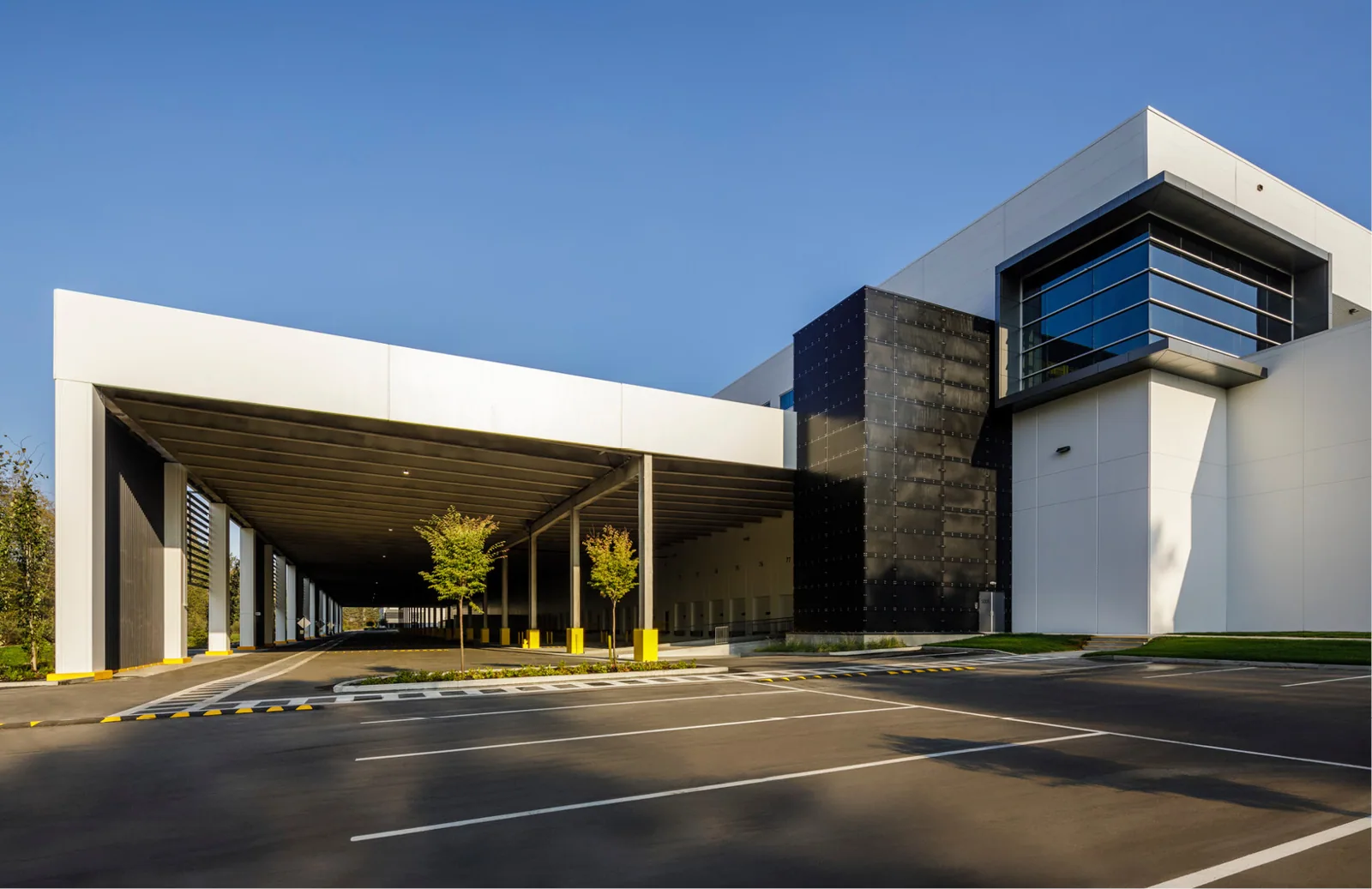
A commercial area with mixed nearby land uses does not mean every building has the same use, roof assembly, or work schedule. We confirm whether the building operates continuously, handles deliveries, or has tenants below the work. That determines staging, noise windows, material protection, and the daily weather-tight stop. A roof condition report can preserve the map and photos; the repair crew can then return to the same section rather than search for a vague leak description.
Follow the water path
We check drains, scuppers, strainers, sumps, overflows, and the roof slope that feeds each outlet. Water can enter at a curb or seam and travel before it shows inside. We compare the interior report with the membrane path and photograph both the likely opening and surrounding details. A clogged strainer, a failed drain flashing, and a low deck are different conditions. The scope separates cleaning from membrane repair and any larger slope correction.
At Murfreesboro 5 N, the normal year carries 55.92 inches of precipitation. The station registers at least 0.01 inch on an average of 134.5 days. That city-level rainfall record makes routine drainage checks practical for Cason Lane roofs, but it does not prove a leak exists at an individual building. We document the actual outlet condition and record whether ponding remains after debris is removed. If the drain connection is open, our drain and scupper repair can address the bowl, membrane tie-in, and overflow path.
Inspect penetrations and edges
At a roof curb or pipe, we inspect the membrane turn-up, boot or flashing, seal, and nearby seam as a single connection. Around the perimeter, we check coping, termination bars, edge metal, fasteners, and any place a previous patch stops. The repair detail must tie into sound material; surface sealant alone may not address a loose flashing or moving support. We photograph the surrounding roof and define the repair limit before estimating a larger area.
Severe weather is part of the market's record, but each roof still needs an independent field check. If a property contact reports a wind or hail concern, we look for displaced metal, punctures, open seams, and damaged curbs. A weather event is not a substitute for a roof finding. The work order identifies the observed condition and leaves cause claims out when the evidence does not support them. When wind or hail is reported, our storm damage roof repair and commercial leak repair begin with a record of the opening and the water path.
Select a practical scope
A localized repair makes sense when the defect is contained and the surrounding layers remain sound. If moisture extends below the visible area, seams keep opening, or deck condition is uncertain, a test cut may change the recommendation. We compare repair, recover, and replacement by current roof condition, attachment, insulation, access, and the time needed to keep the building dry. Each route is priced separately, with hidden conditions and exclusions stated plainly.
For covered commercial work, Murfreesboro applies its locally amended 2024 building, existing-building, and energy codes. The ordinance describes roof-covering permit exceptions tied to the work proposed, including whether framing or deck is replaced and whether the new system matches the existing one. Check the exact project scope with the City before scheduling. Our roof recover evaluation records layers and attachment before an overlay is considered, and EPDM system work may be relevant if the field inspection confirms that assembly.
For a Cason Lane property, the written scope should separate observed conditions from allowances. We list the roof section, quantity basis, access assumption, temporary protection, and finish point for each phase. If the deck cannot be confirmed from above, the proposal states whether a test opening is included and how concealed damage would be handled. That keeps pricing tied to visible work and gives the owner a clear decision point before a larger replacement is authorized.
Keep operations moving
Before work starts, we agree on where materials can be staged, how a lift or ladder will reach the roof, and when a delivery can arrive. We confirm any tenant notice, equipment shutdown, exhaust restriction, or receiving-hour limit. A phase plan marks the work zone and the section that will remain closed to traffic. At the end of a shift, each tie-in is secured and the next access step is clear.
Construction can proceed by roof section when the building's operation allows it. We coordinate with the facility contact before moving a curb, covering an intake, or setting materials near an outlet. Closeout photos show the repaired detail and its boundary. Any remaining test, maintenance item, or future replacement question appears as a separate record. For a longer view of the roof's condition, our capital planning work can organize decisions across a budget cycle. Contact us to schedule an inspection with the person responsible for roof access.
Commercial Roofing Questions
Is Cason Lane treated as a commercial service area?
Yes, the service area is the broader Cason Lane district. Each project is still scoped to the actual property, roof section, and access conditions. We do not assume one building's use or assembly applies to its neighbors.
How do you find a roof leak when the stain is away from the opening?
We compare the interior report with seams, drains, curbs, and the direction water can travel beneath the surface. If the route remains unclear, we explain whether a moisture survey or test cut would help.
Can drain cleaning be included in the repair?
Yes, when it is part of the agreed scope. We photograph the outlet first, clear accessible debris, and check the membrane connection and overflow. A slope or deck correction is listed separately.
Do you need to close the building for a roof repair?
Not always. We plan access, a work zone, and tie-ins around the facility's operation. Any equipment or occupancy restriction is confirmed with the building contact before work is scheduled.
What should we compare in repair and replacement bids?
Compare the documented roof findings, repair limits, test assumptions, staging, weather protection, and what remains excluded. A clear scope makes a patch, recover, and tear-off easier to evaluate side by side.
Related Roofing Work
More commercial roofing work connected to Cason Lane in Murfreesboro.

Start with a marked Cason Lane inspection
Share the roof plan, repair notes, and access rules. We will inspect the drainage path and roof details, then return documented findings and a repair or replacement scope.