Commercial Roofing in Downtown Murfreesboro, Murfreesboro, TN
Coordinate commercial roof repair and replacement in downtown Murfreesboro. We inspect roof sections, drainage, occupied access, and work-zone limits.
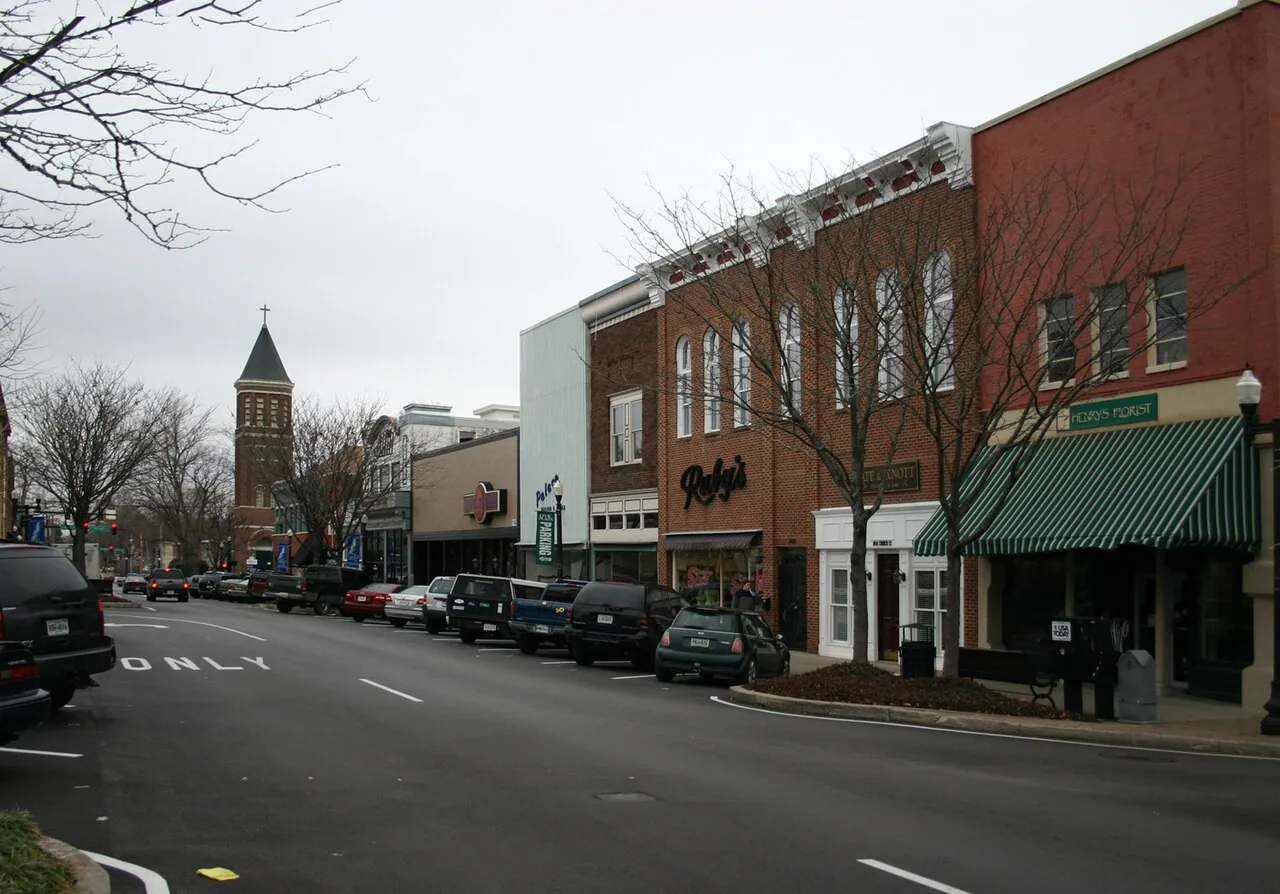
Downtown Murfreesboro
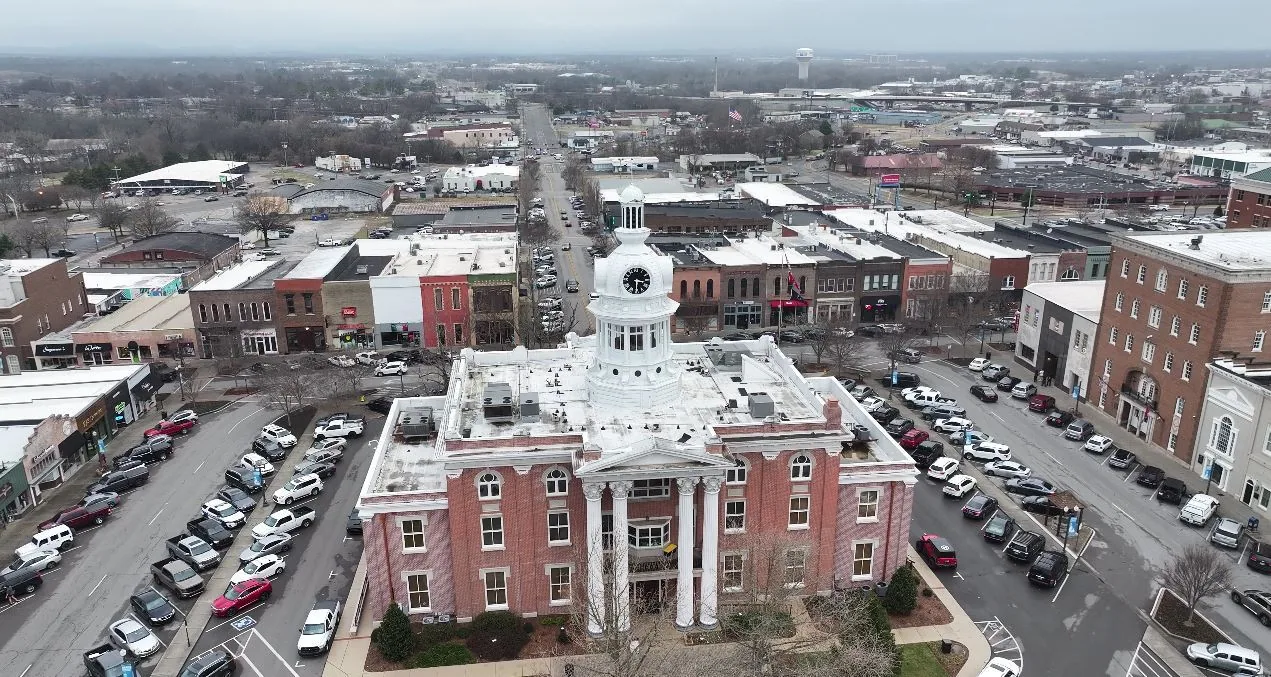
Commercial roofs in downtown Murfreesboro sit among occupied civic, residential, commercial, and park uses. We start with the building's actual roof section, access route, and operating hours, then inspect drains, flashing, curbs, seams, and prior repairs. A defined work zone can protect the entrance below and let a facility lead keep other areas in service. The proposed scope follows the field findings, not a district-wide assumption about roof age or system type.
Downtown includes the East Main Street Historic District among commercial, residential, civic, and park uses in the wider area. Historic Bottoms is another nearby district with planned walking and cycling connections that may affect how a crew protects the ground below. Historic Bottoms' planned public connections can affect pedestrian protection, while each building's roof, drains, and structure require their own inspection.
Work From the Building's Use
A commercial building beside civic offices or residential space may need a different work window from a school or retail tenant. We confirm the contact who can release the roof, which entrances need to stay open, and whether materials can arrive during normal deliveries. The roof plan should identify every section reachable from the approved hatch or ladder. If an addition has a different membrane or elevation, we keep it separate in the inspection records.
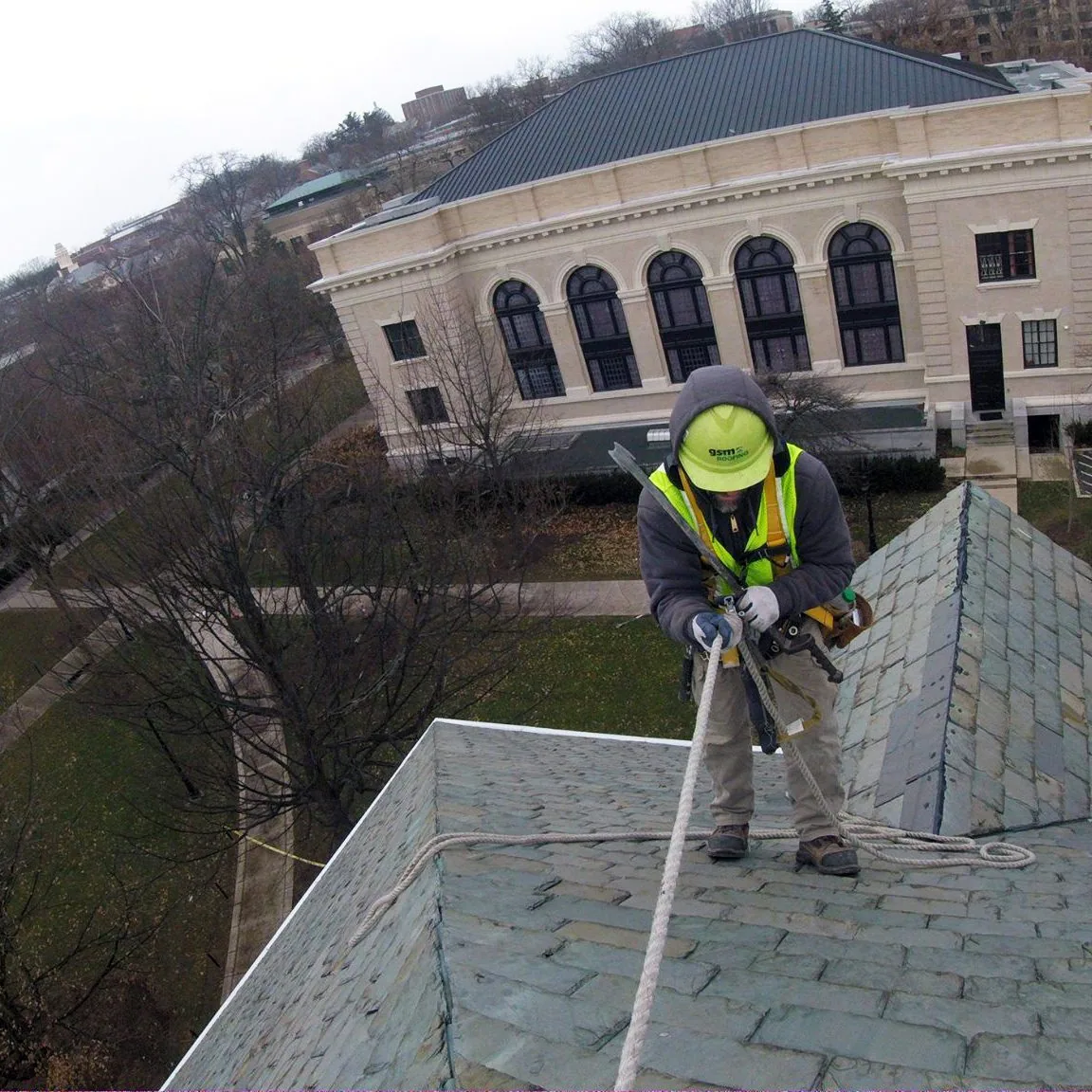
Downtown roof work often depends on where the crew can stage, protect a sidewalk, and keep debris away from neighboring property. We agree on barriers and a clear path before moving equipment. The scope includes the lift or ladder plan when needed and names the limit for each shift's dry-in. A phased occupied-building reroof may let one section remain in use, while a roof inspection records the current assembly and details first.
Trace the Leak to a Roof Detail
An interior stain can point toward a roof area without showing the entry point. We inspect the seam above it, then check curbs, skylights, parapets, drains, and previous patches around that section. Water can move beneath a membrane before it reaches the deck opening or ceiling. Our records distinguish the reported room from the detail we observed, and identify any test cut or moisture survey needed to settle the path.
After an occupant reports moisture, record the room, approximate time, and conditions that changed before the mark appeared. We compare that account with the roof details above and around the area, then look for seams, curb corners, drain rings, and prior patches that could explain the path. A concealed area may require a controlled opening or survey before a permanent repair is set. We document what was visible and which next test would narrow the uncertainty. If the drain body or scupper is damaged, a drain and scupper repair may be listed separately from membrane work. A marked photo report can preserve the finding for the building file.
Keep Public Drainage and Roof Drainage Distinct
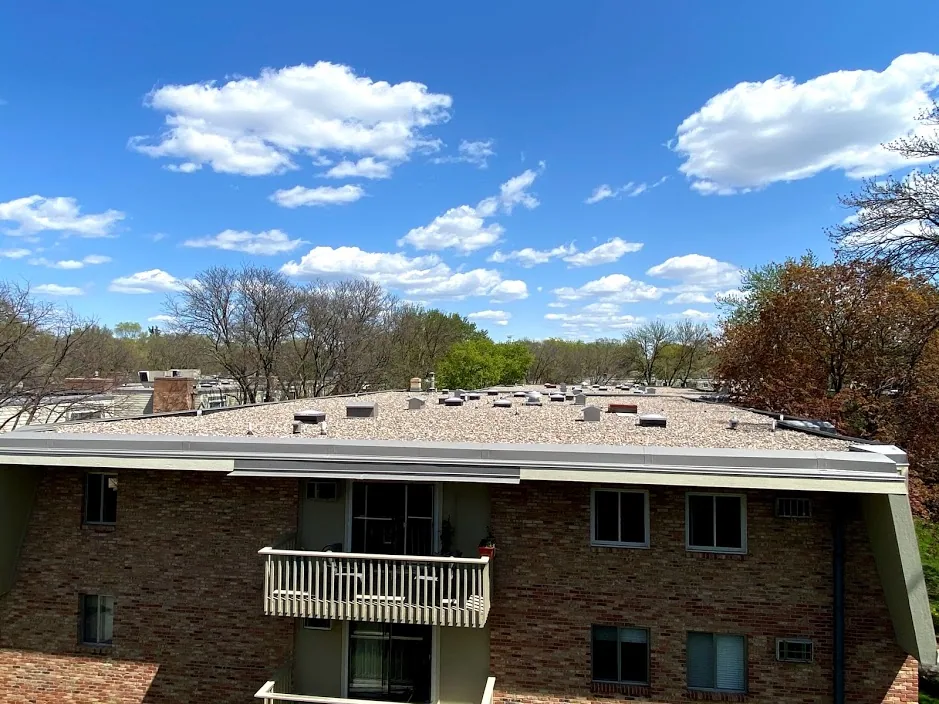
Public-area drainage and a roof's water path are separate systems. On the roof, we measure outlet height, field slope, and scupper conditions, then follow the surface toward an overflow. We record where a patch changes elevation or a curb blocks movement. If a low spot remains after rain, the owner receives a photograph and measured boundary before any corrective work is proposed. We tie any proposed drain adjustment to the inspected roof section.
Near Historic Bottoms, a roof crew may work above a public walking connection, while a nearby building has its own entrance, tenants, and loading routine. We plan the roof work around the specific property: mark the drop zone, keep people away from overhead handling, and confirm who can close or reopen each route. A Historic Bottoms roof visit and an East Main Street Historic District project should each have separate access records; no neighboring address inherits another building's conditions.
Before mobilization, the owner should identify the person who can approve a shutoff, interior access, or a change in the work boundary. We record the roof section, surface condition, and nearby equipment before moving material. If a visible edge, sign, or other exterior feature has an owner-confirmed preservation requirement, that requirement belongs in the scope review before metal is ordered. The crew can then protect the occupied areas below, stage only where authorized, and leave a clear daily closeout record.
Compare the Work Options
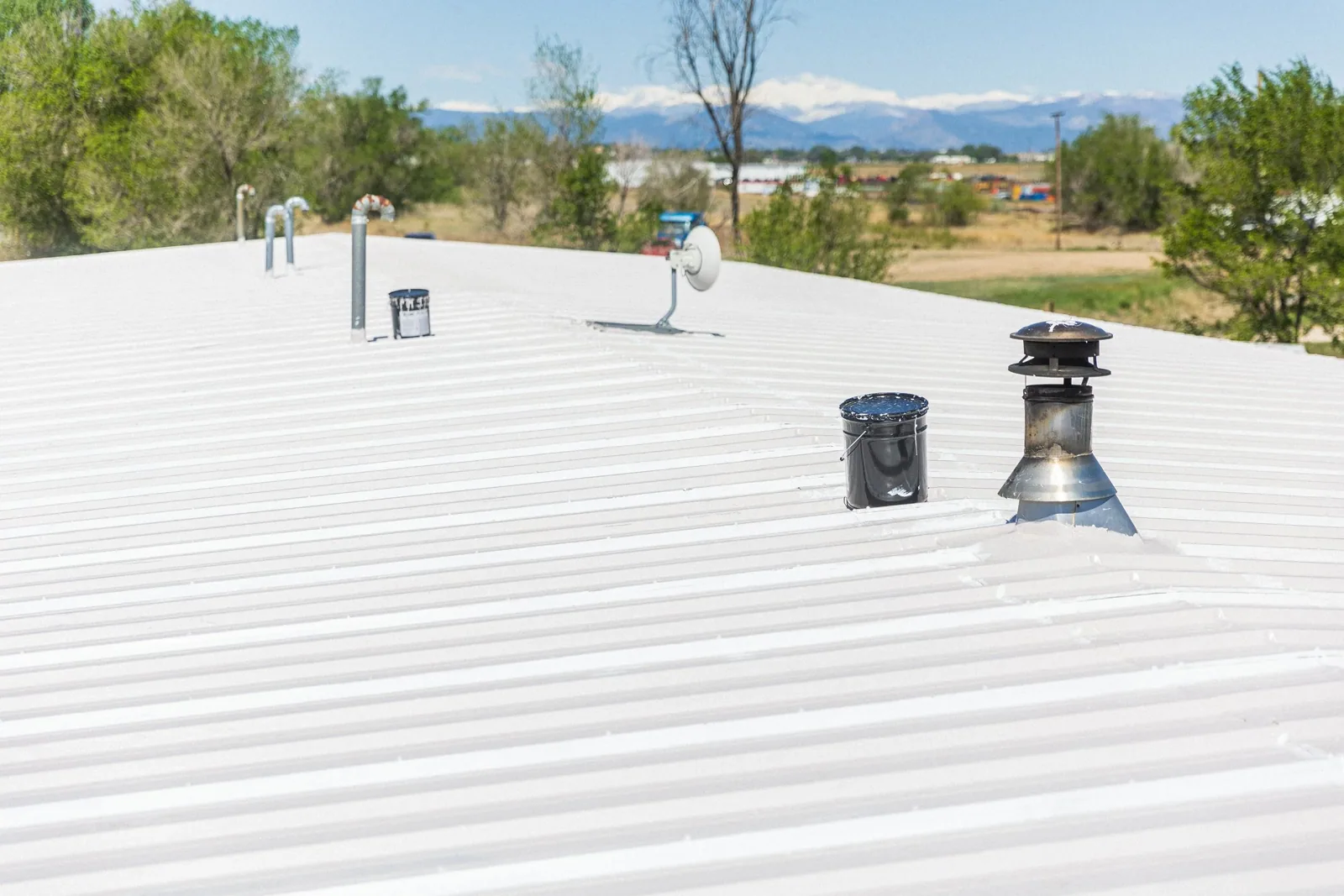
A repair can fit when one flashing, seam, or penetration has failed and the surrounding membrane remains bonded to compatible material. Recurring leaks or wet insulation may call for a wider review. We mark what is confirmed, what has been tested, and where an opening would reduce uncertainty. If the deck is soft or the attachment has failed, a surface patch cannot correct the underlying condition.
A recover depends on a dry, stable assembly and enough finished height at drains, curbs, and parapets. Replacement may be necessary when moisture is widespread or the deck must be exposed. We compare access, removal, disposal, insulation, metal edges, rooftop equipment, and temporary protection in a written scope. For an occupied downtown building, we also state which entrance or tenant area may be affected and how the crew will protect it. A recover review and replacement plan should identify the same roof boundaries so cost and timing are comparable. A TPO tie-in is included only when the existing assembly and transition support that choice.
Finish With a Building-Specific Record
We return dated photos, the completed repair limit, materials installed, and any area we could not reach. If the roof opening reveals wet insulation or deck damage outside the approved scope, we stop at a protected boundary and get direction before expanding the work. A closeout record should name the roof section and show what changed from the original estimate.
The district's public walking connections near Broad Street make the area below the roof part of the work plan. We remove loose material, protect openings at shift end, and return barriers to the agreed position. A separate Broad Street roof visit is documented on its own building; nearby streets do not share a roof condition. Send the roof plan, leak locations, tenant hours, and access contact. We will inspect the building, mark the repair boundary, and return a scope that fits its roof assembly and operating window. The estimate can separate immediate water protection from permanent repairs, with quantities, access assumptions, and exclusions shown for review.
Commercial Roofing Questions
Can a downtown roof project keep nearby entrances open?
We confirm the entrance, sidewalk, and lift route with the property contact. Work can be phased when a protected path and a safe roof section are available, with barriers and daily dry-in limits set before mobilization.
Does Town Creek affect a commercial building's roof drainage?
The culvert and greenway project is separate from the roof assembly. We inspect the building's drains, slope, and scuppers directly and record those conditions on their own merits.
Can historic district status change the roofing scope?
It may change what review or exterior detail is required, depending on the property and work. We confirm the applicable requirements with the owner and jurisdiction before selecting materials or modifying visible edge metal.
How do you determine the cause of a leak?
We compare the interior report with seams, curbs, flashing, and drains above and around it. If the path remains concealed, we identify the test or opening needed rather than claiming the stain marks the entry point.
What makes replacement more practical than repeated repairs?
Several recurring failures, widespread moisture, weak attachment, or a deck concern can make a local patch too narrow. We show the findings and compare a repair boundary with a removal scope.
Related Roofing Work
More commercial roofing work connected to Downtown Murfreesboro in Murfreesboro.


Plan a Downtown Roof Inspection
Send the building plan, leak reports, roof-access details, and operating hours. We will inspect the roof sections and return a marked repair or replacement scope with access and protection limits.