Commercial Roofing in New Salem Highway, Murfreesboro, TN
Commercial roofing along New Salem Highway in Murfreesboro, with inspections, drainage repairs, and phased reroof scopes tied to access and operations.
New Salem Highway
On New Salem Highway, a commercial roof scope starts with the building's use, roof assembly, and delivery access. We mark the roof sections, drain path, curbs, and prior repairs before selecting a repair or replacement route. The facility contact confirms how crew access and material staging can work without obstructing the property's normal entrances.
New Salem Highway, also known as State Route 99, is part of Murfreesboro's commercial corridor network. A five-lane widening from Old Fort Parkway to I-24 opened in 2025, while a separate planned improvement extends from Old Fort Parkway to Veterans Parkway. The dates and limits matter for access planning, not as a prediction of current traffic at one building. Nearby context includes Old Fort Parkway and Veterans Parkway.
Confirm the approach
Before a crew arrives, confirm which entrance accepts a delivery vehicle, where a lift can stand, and how pedestrians move below the roof edge. Road improvements can change approaches over time, so we verify current conditions with the property contact instead of rely on a corridor map. The roof walk then identifies any access limitation that affects inspection, material movement, or emergency weather protection.
At the property, record truck turning room, overhead lines, pedestrian routes, and whether materials can be unloaded without crossing an active entrance. Confirm a contact for same-day changes and write down the approved delivery window. These points affect crane or lift placement and can change how many roof sections are opened at once. The crew should not assume that a wide corridor provides room to stage on private property.
Commercial uses on arterial and collector corridors can have vehicle-oriented layouts, but each New Salem Highway property has its own loading rules. record active loading windows, gated areas, equipment shutdown limits, and the person authorized to release roof access. A roof condition report can pair observations with a roof plan, while our occupied-building reroofing scopes address work zones and daily protection.
Check outlets after rain
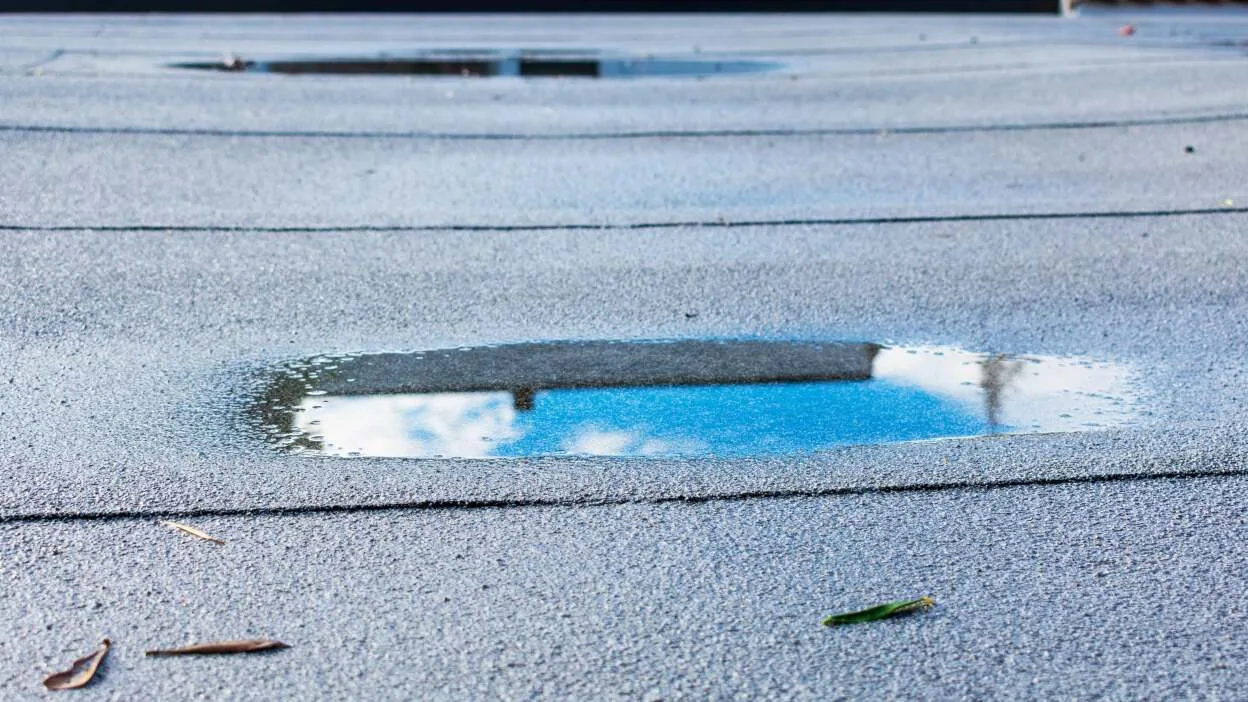
Follow roof slope toward each drain, scupper, and overflow. Inspect the strainer, bowl, flashing, and membrane around the outlet. If debris is removed, check whether water clears or remains in a low area. A blocked drain is a maintenance task; a separated flashing or low deck needs a repair or drainage correction. The estimate keeps those conditions distinct.
Murfreesboro's normal annual precipitation is 55.92 inches, with at least 0.01 inch measured on an average of 134.5 days at the 5 N station. That climate record supports scheduled outlet checks along SR 99, while the inspection establishes what is happening on the roof. Our drain and scupper service can repair a failed bowl connection, and a ponding-water assessment can determine whether slope or insulation is part of the problem.
Inspect seams and edges
At seams, look for separation, fishmouths, open laps, and evidence that a previous patch no longer bonds. At the perimeter, check edge metal, coping, fasteners, and termination. Inspect rooftop units and pipe penetrations as complete details: flashing, membrane turn-up, seal, and surrounding material. Record what is visible and any portion hidden behind equipment.
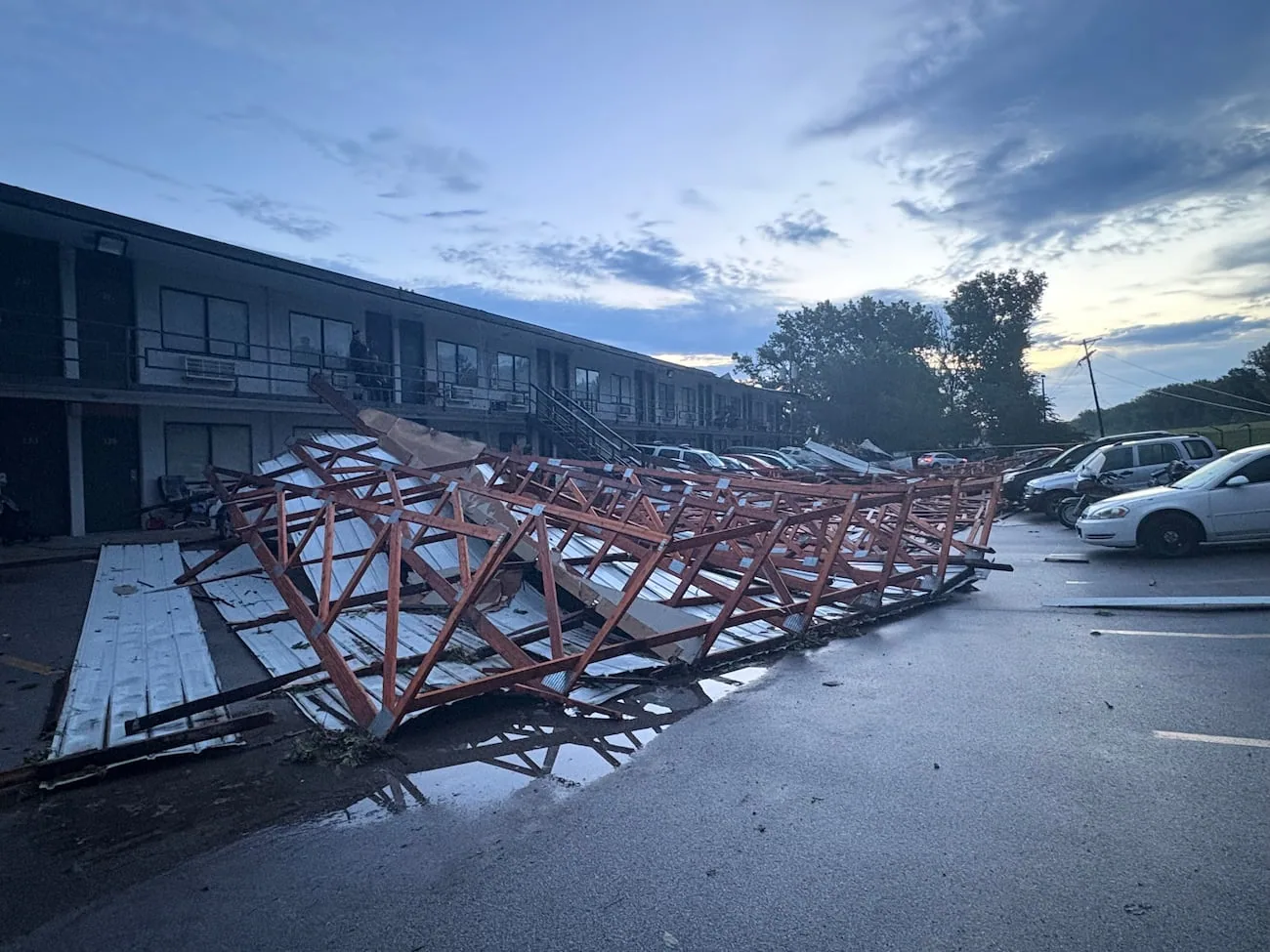
After a wind or hail report, compare the roof condition with dated photos and the property contact's timeline. Do not treat a storm report as proof of damage at an individual roof. We identify displaced metal, punctures, open seams, or interior entry where present, and record what needs a closer test. Wind-damage roof repair can document edge and seam conditions, while commercial leak repair traces a reported entry to the opening and defines temporary protection.
Separate patch from replacement
A local repair can work when the defect is contained and surrounding layers remain sound. Broad moisture, recurring leaks, or an uncertain deck can change the decision. We document the assembly and attachment, then compare repair, recover, and tear-off by quantities, insulation, disposal, access, and the time needed to keep the building dry. Any test cut or concealed-condition allowance is stated before work.
For covered commercial projects, Murfreesboro's 2024 code adoption includes local amendments. A roof-covering change may qualify for an exception when the work leaves framing and deck intact or replaces the same type of system; confirm the proposal with the City before scheduling. An existing-system review checks layers, attachment, and edge height before an overlay is priced. Replacement planning then sets tear-off limits and tie-in details.
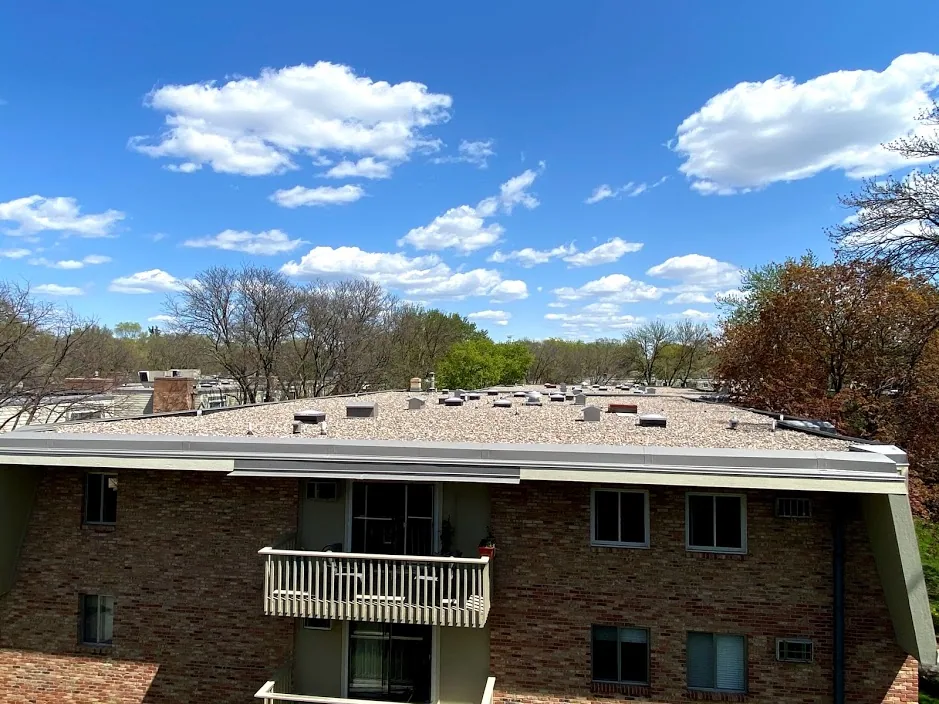
For a corridor property with several separate roof areas, walk each assembly rather than carry one repair assumption across the entire address. Mark changes in height, drainage direction, and attachment. record which areas can be isolated without interrupting operations. A test opening belongs at a location that answers a defined question about wet insulation or deck condition; it should be photographed and restored the same day when the work plan allows. If testing changes the estimate, the owner receives the finding and a revised boundary before broader work proceeds.
Phase the work
Use the planned corridor projects as a prompt to verify current approaches, then coordinate the roof work with the building's actual loading window. Mark where materials will be staged, which roof section opens first, and how the crew will secure each day's stopping point. Protect intakes and equipment before work reaches a nearby curb or penetration. If weather interrupts, the phase plan identifies the temporary cover and the check required before reopening the area.
When a delivery or road approach changes, keep the work limit visible to the property contact. Shift materials only after the access route and overhead protection are reconfirmed. If work must stop early, the crew secures the active seam, closes any exposed insulation, and leaves a photo of the final edge. The next shift starts by checking that closure before continuing across the roof.
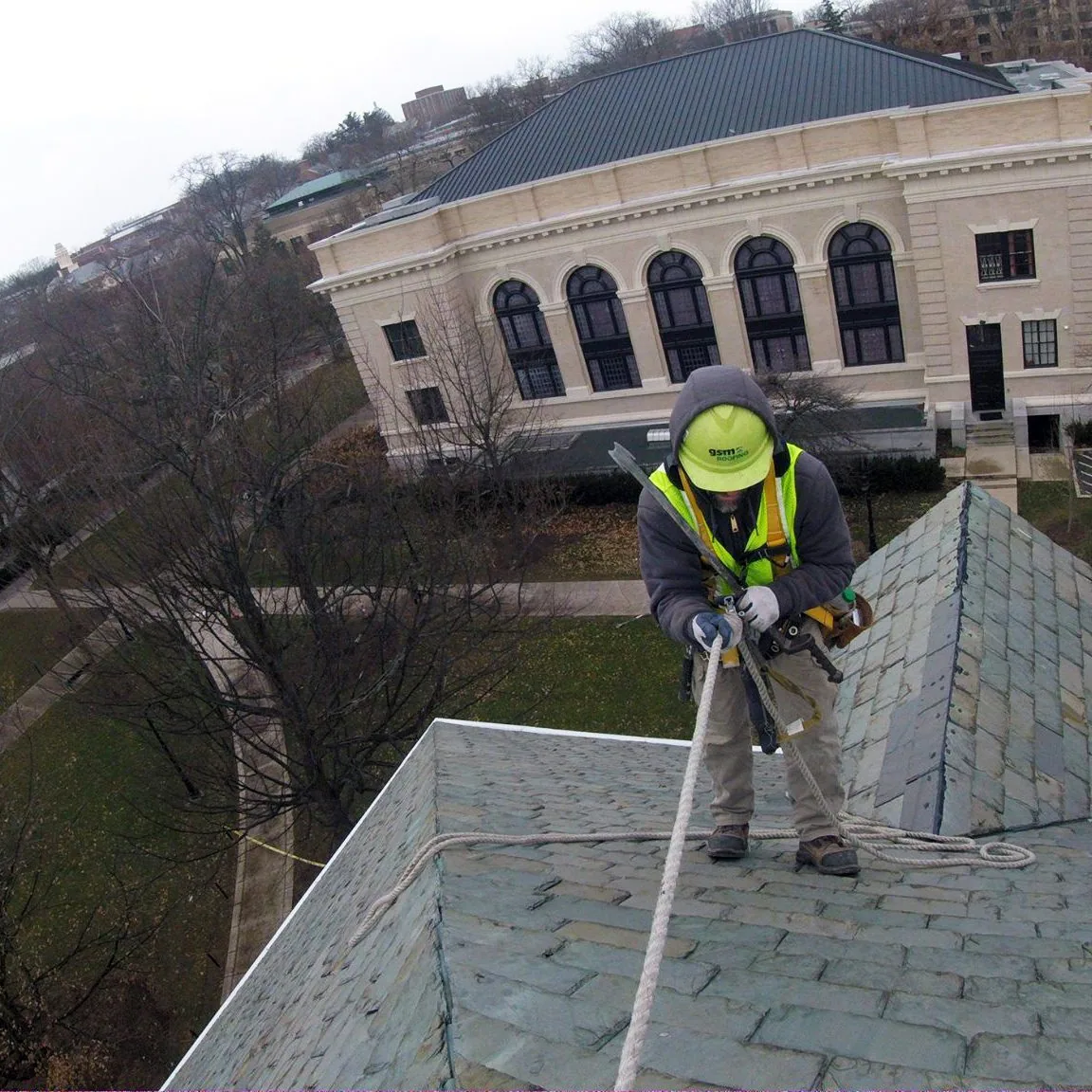
At closeout, dated photos and roof-section labels show what changed. List any limitation, follow-up test, or maintenance item separately so the record stays useful. A building beside an active arterial may need a different delivery sequence than one set back from the road; we confirm the property layout before choosing. For system-specific repairs, TPO roofing work must match the installed assembly. Contact us to coordinate a roof walk and the right access window in Murfreesboro.
Material availability and weather holds can affect a start date, so the work plan confirms which sections can be completed with the crew and materials on hand. We avoid opening more roof than can be secured before the shift ends. At handoff, the facility lead receives the daily boundary, access records, and any restriction that remains in effect. A clear handoff reduces the risk of another trade crossing a protected area or reopening a sealed detail.
Commercial Roofing Questions
Did the New Salem Highway widening finish?
The five-lane segment from Old Fort Parkway to I-24 opened in 2025. A separate planned improvement runs from Old Fort Parkway toward Veterans Parkway. We confirm current access at the property before scheduling.
What should we prepare before a roof inspection?
Share available roof drawings, repair history, access rules, and the contact who can open the roof. We will identify visible sections and record any area that needs testing.
Can a clogged drain explain recurring water inside?
It may contribute, but we check the outlet, flashing, slope, and roof layers before deciding. A leak can travel from its opening, so the interior stain alone does not set the repair point.
What can change the price after inspection?
Wet insulation, deck condition, hidden layers, edge attachment, access equipment, and required protection can change the scope. We state test assumptions and concealed-condition handling in writing.
How do you manage a weather hold during a reroof?
Each phase ends at a defined weather-tight boundary. The crew secures opened details, records the temporary protection, and checks that condition before work resumes.
Related Roofing Work
More commercial roofing work connected to New Salem Highway in Murfreesboro.
Set a New Salem Highway roof review
Send the roof plan, recent service notes, and delivery or access restrictions. We will inspect the roof sections, document the repair boundary, and return a practical scope for the Murfreesboro property.