
Commercial Roofing in Historic Bottoms, Murfreesboro, TN
Plan commercial roof service in Murfreesboro's Historic Bottoms. We inspect drainage, flashing, and occupied work zones before setting a repair boundary.
Historic Bottoms
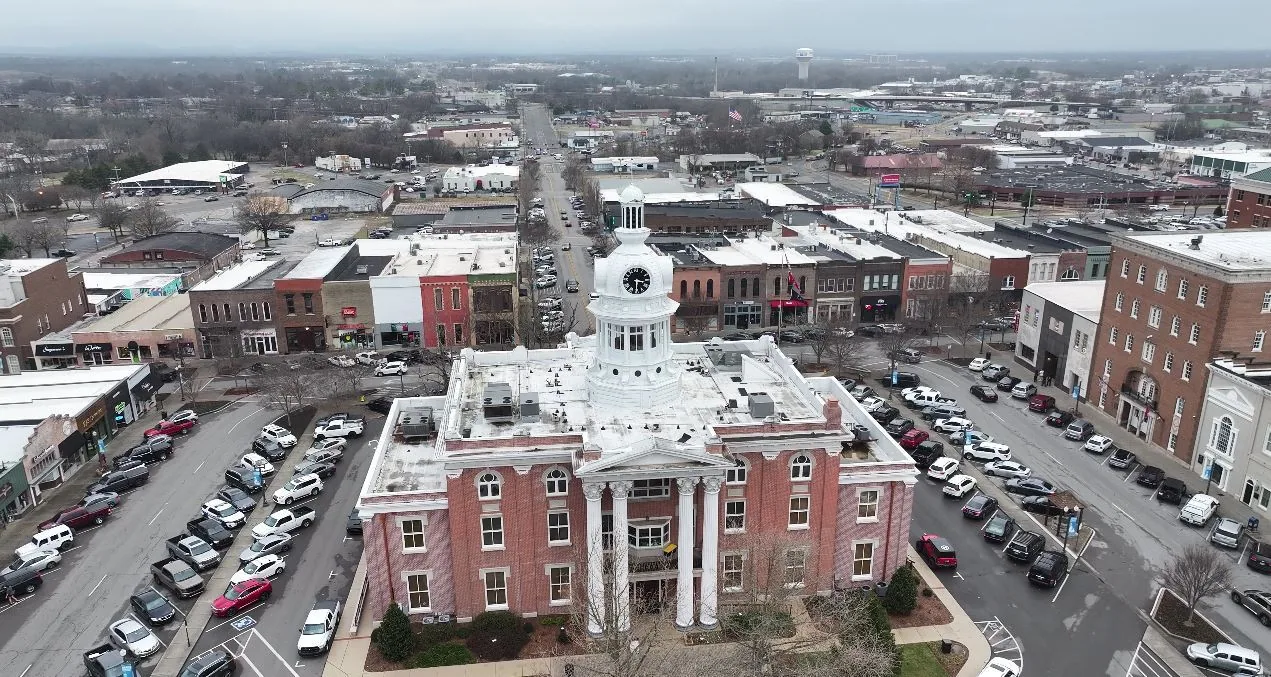
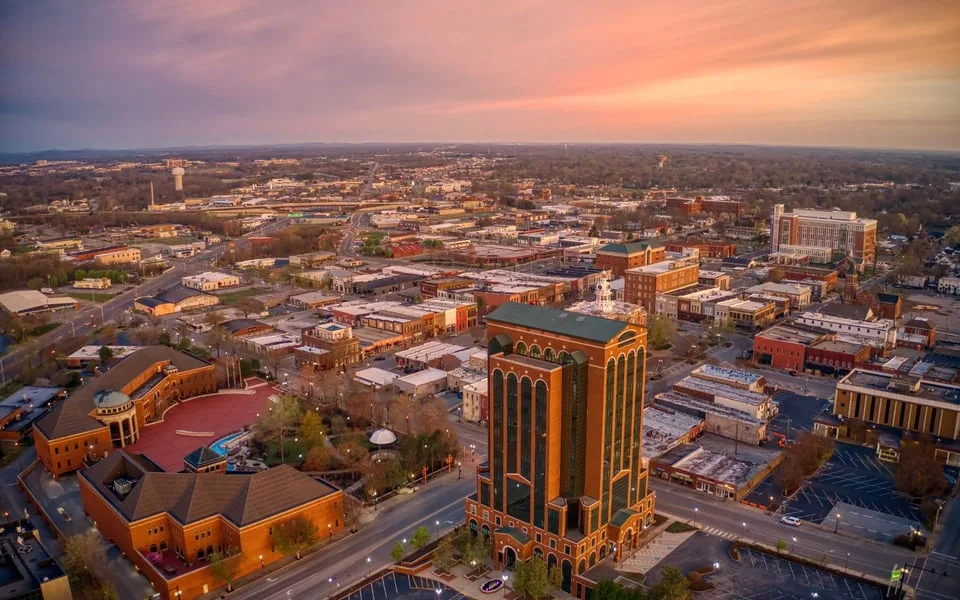
The Historic Bottoms district west of Broad Street calls for commercial roof work planned around occupied blocks, public access, and the route materials take to the roof. In Murfreesboro, TN, we inspect the actual building before selecting a repair or replacement scope. We mark drains, parapet edges, penetrations, and roof sections, then confirm where a lift or staging area can operate without blocking an entrance. The building's use and access plan set the work window.
Planned walking and cycling connections near Town Creek can meet the edge of an occupied property. Before a crew stages material, we identify the owner-approved route, keep drop zones clear, and confirm who can close or reopen an entrance. A public path may shape that coordination, but it says nothing about the membrane, roof outlets, or structure on a private building.
Plan for an Occupied Block
A downtown roof may sit above commercial, civic, residential, school, or open-space uses. We do not assume the interior tenant, roof system, or staging space from a district name. Before mobilizing, we confirm the property contact, approved roof entry, pedestrian protection, material path, and hours that could affect occupants. Those details determine whether a crew can work over one section while another remains in service.
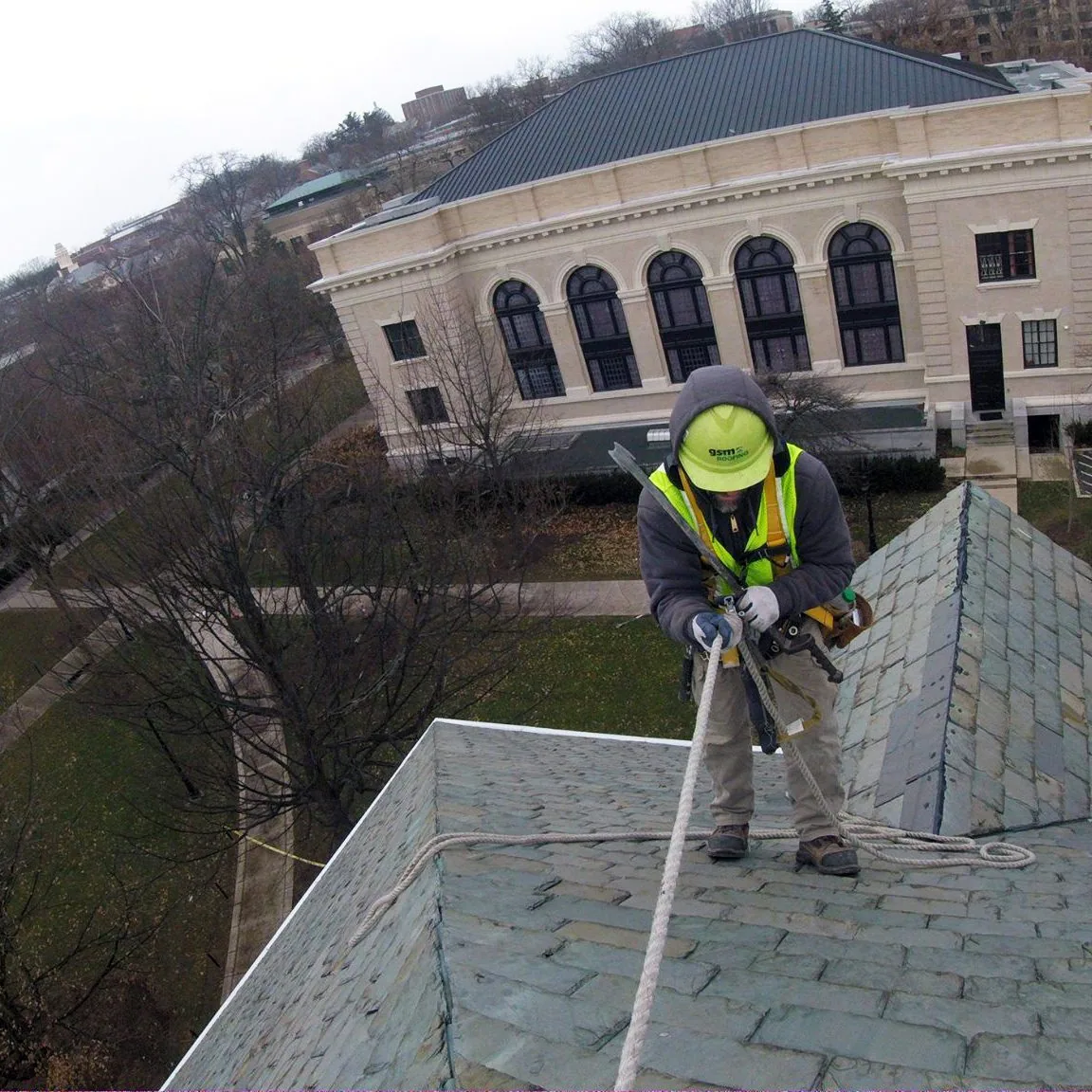
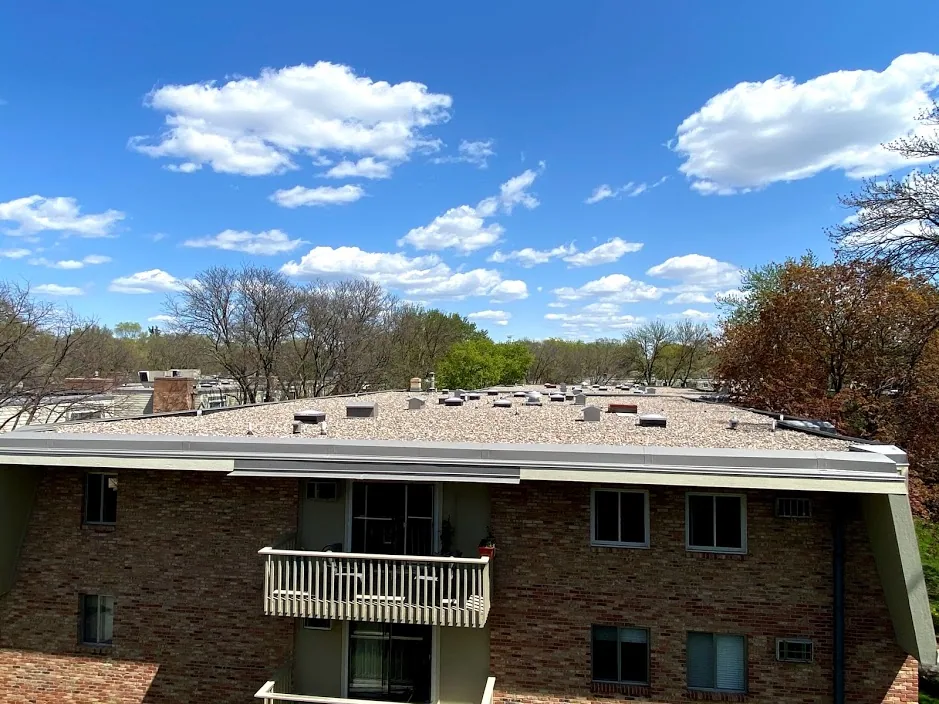
We inspect from the roof inward and from the reported leak area outward. A drain bowl, curb, parapet, or patched seam can create a different repair boundary than the stain below suggests. A hands-on inspection records the membrane and visible details. For occupied space, phased reroofing may keep work zones separate, and office roof planning should account for the property's actual operating pattern.
Check the Roof's Own Water Path
Murfreesboro receives 55.92 inches of precipitation in an average year, and measurable rain falls on 134.5 days. A roof in Historic Bottoms still needs its own drainage check. We inspect each outlet, overflow, slope, and adjacent seam, then record whether debris, a raised repair, or low insulation is diverting water. We clear material only when that task is included in the approved scope.
Town Creek's underground route and the roof's drainage path are different systems. At roof level, water can enter at an open lap or flashing corner, travel beneath a membrane, and show inside away from the entry. We trace the visible details and mark what can be confirmed. If a low area recurs, a ponding-water repair may need deck or drain correction rather than sealant. We check whether the outlet, overflow, or surface slope is restricting flow and record any roof section that stays wet after the surrounding field dries. When a test opening is needed, the report identifies its location and the material that must be replaced before the roof is closed. When a roof has multiple layers, we also record where the test occurred and whether moisture was found in the insulation, at a seam, or only at the interior finish. That lets the owner review evidence before approving a larger opening. A drain and scupper scope can be separated from membrane work when the outlet is the issue.
Stage the Work Away From Public Routes
Pedestrian protection starts with the route people use below the roof, not with the material being lifted. We mark a drop zone, set a barrier that can be seen from both approaches, and name the person who can approve a temporary path change. The property contact confirms delivery timing, lift position, roof entry, and any shared access. At shift end, the crew clears loose material, checks the barrier, and records any protection that must stay in place overnight.
Broad Street marks the western edge of the district, while occupied buildings and public routes can shape where equipment is staged. We protect entrances, cover openings at shift end, and keep debris contained. A Broad Street roof visit or separate downtown inspection receives its own access records. If the project includes a tear-off, we identify how removed material leaves the roof and whether a truck or lift can return during the agreed window.
Set a Repair Boundary Before Opening the Roof
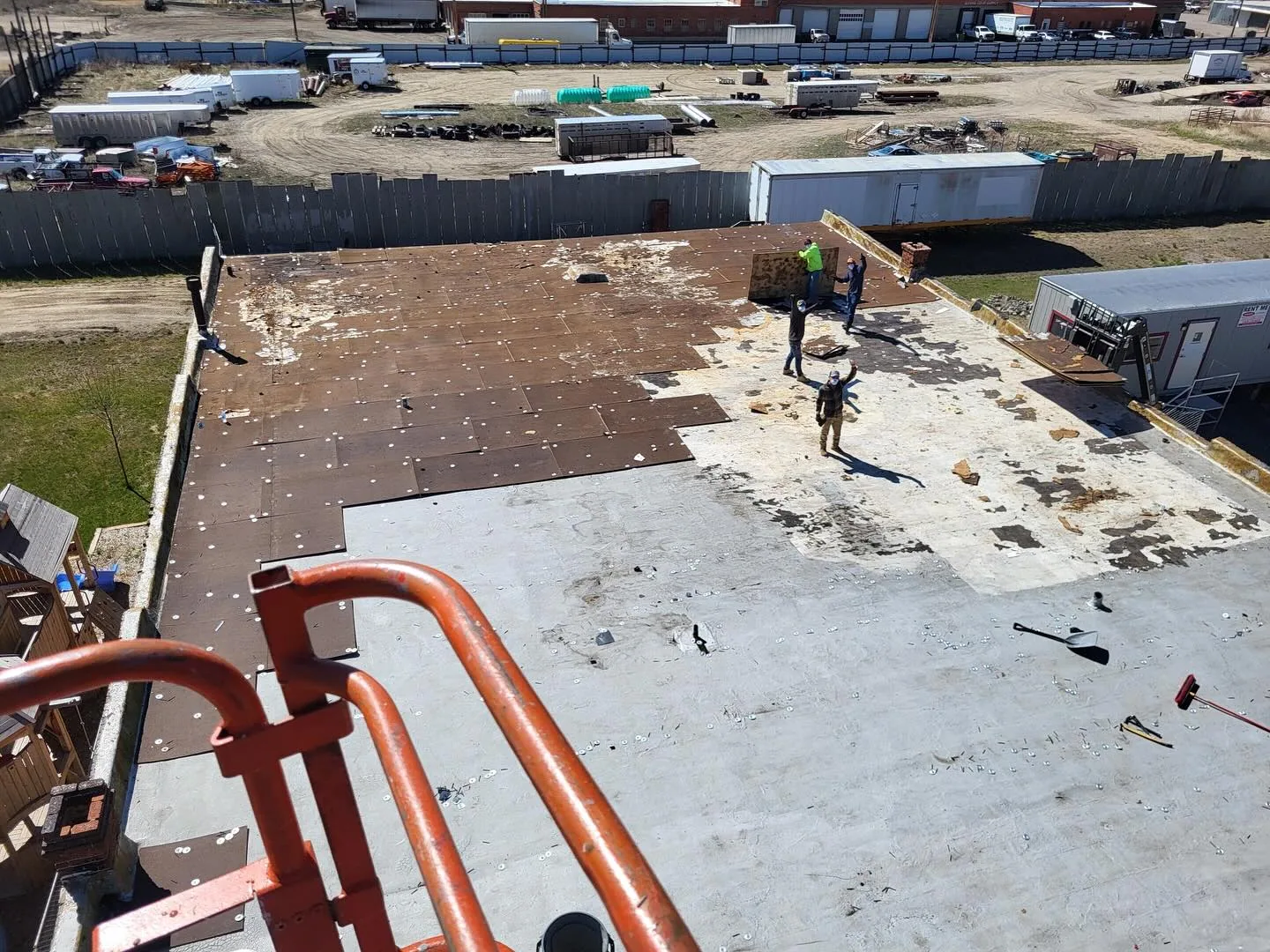
A patch is appropriate when the defect is localized and the surrounding membrane remains compatible and attached. Repeated leakage, multiple wet areas, loose edge metal, or a soft deck can justify a wider check. We show the observed condition and proposed boundary on a marked plan. If a test cut finds wet insulation, the owner receives the location and a new work limit before the crew extends the opening.
Cost and timing depend on access, disposal, deck exposure, material handling, noise restrictions, curb height, and how much roof can be dried in before weather arrives. A recover requires a suitable, dry base and enough height at drains and walls. If not, removal may be needed. We compare a defined repair with replacement work using the same assumptions. A compatible TPO detail is considered only after the existing assembly and tie-in are identified. We list the material transition and the work area that can be completed in one weather window. The owner can approve each section without leaving an unprotected edge at the end of the shift.
Leave a Record for the Next Roof Walk
We return dated photos, a marked repair boundary, materials installed, and any access or testing limit. If a roof section could not be reached, the report names the obstruction and the next access needed. A water stain inside a downtown building can guide the inspection, but the roof entry point still has to be found. The owner should be able to match each image with a specific section and decide whether to schedule a follow-up. We include the inspection date, weather window, roof material we could identify, and any area hidden by equipment or not reached safely. If a return visit requires an escort or a different hatch key, that instruction stays with the open item rather than buried in an email chain.
The district's public walking connections and the planned daylighting near Broad Street do not change roof drainage, but they can affect how a crew protects the area below. We keep that coordination separate from the roof diagnosis. For asset owners, a photo condition report can preserve the findings, while roof asset tracking keeps section names available for future service at each listed property. Send the roof plan, leak locations, prior repair records, and access contact. We will walk the roof and return a scope tied to the actual building and work window.
Commercial Roofing Questions
Does Town Creek affect the roof's drain design?
No. The underground culvert route is separate public infrastructure. We inspect the building's roof drains, slope, and membrane details directly and keep those findings distinct.
Can crews work while downtown businesses stay open?
Often, if the roof section and access path can be isolated. We confirm entrances, delivery windows, pedestrian protection, and the work area's dry-in limit before opening the roof.
What if a leak appears far from the roof entry point?
We trace seams, curbs, edges, and drainage paths around the reported area. The report records the observed route and any test needed before the cause can be confirmed.
Do public-space improvements require special roof materials?
The roof system follows the existing assembly, condition, and project scope. We confirm public access and staging below, then select compatible materials for the roof detail itself.
When does a localized repair become a larger project?
Repeated defects, distributed moisture, weak attachment, or deck concerns can widen the scope. We mark the finding and show what additional testing would settle before recommending replacement.
Related Roofing Work
More commercial roofing work connected to Historic Bottoms in Murfreesboro.

Schedule a Historic Bottoms Roof Walk
Send the roof plan, reported leak locations, prior repairs, and site access rules. We will inspect the building and return a marked scope that accounts for the roof condition and occupied work zone.