
Commercial Hail-Damaged Roof Repair in Murfreesboro, TN
Hail roof inspections in Murfreesboro document membrane, metal, and flashing conditions before a repair boundary or claim record is prepared.
Commercial Hail-Damaged Roof Repair
Hail marks on rooftop equipment do not show what happened to the membrane below. In Murfreesboro, TN, we inspect the roof surface, perimeter, seams, drains, and penetrations after a reported storm, then separate visible impact from conditions that need testing. The National Weather Service recorded hail reports near Murfreesboro on May 8 and May 26, 2024. Those events provide local context, but neither date proves damage on a particular property. Our report follows the actual roof assembly and the area the owner needs to evaluate.
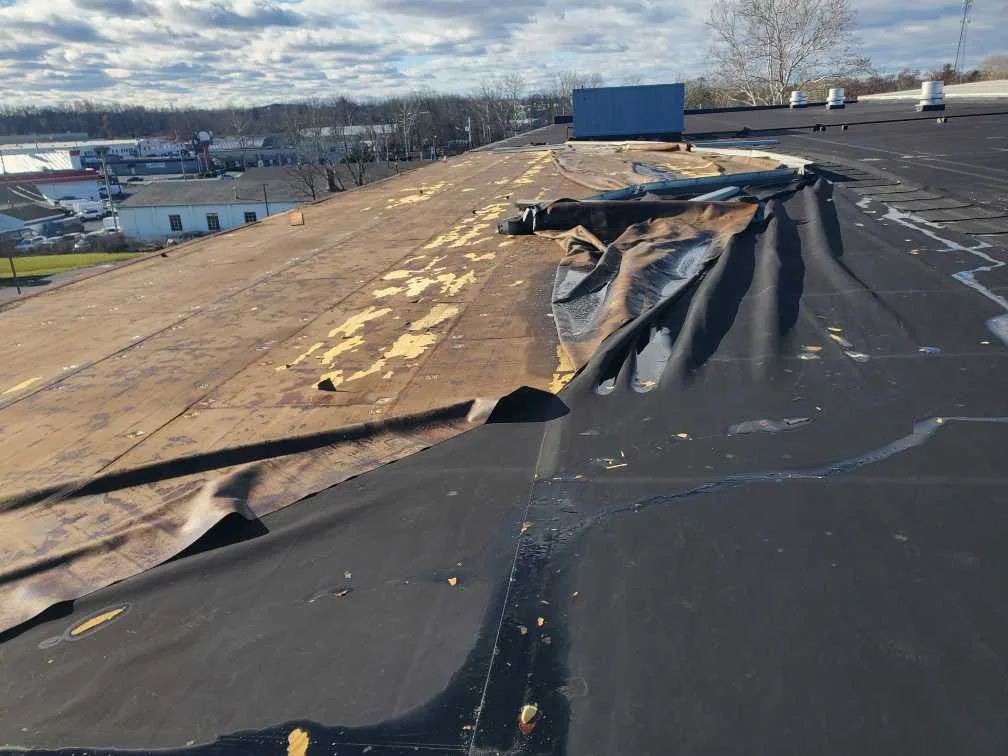
We photograph dents, punctures, split laps, displaced surfacing, and metal damage with a location reference. A membrane may remain watertight despite marks, while an opening at a seam or flashing can admit water. We identify the roof type and record any prior coating or patch that affects inspection. If a test cut is needed to check the insulation or deck, we agree on the location and protection plan before opening the assembly. The repair scope stays tied to that finding.
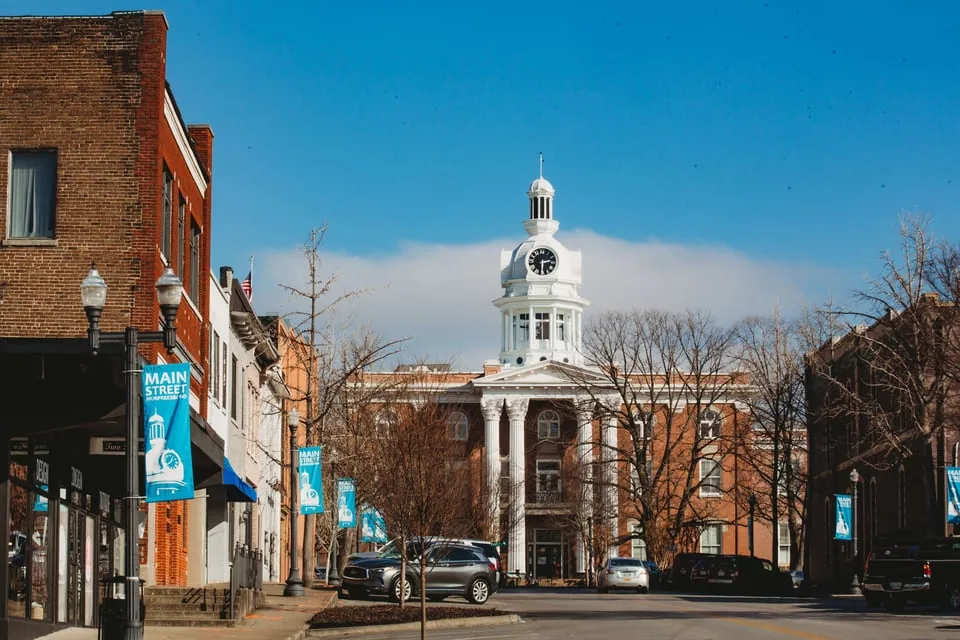
Use the storm report as a starting point
NWS observations from May 8, 2024 include one-inch hail seven miles south of Murfreesboro. A May 26 report lists separate observations west and west-southwest of the city, including larger stones. These records help explain why a property team may request an inspection. They do not establish the hail size, roof exposure, or resulting condition at another address. We ask for the reported date and site information, then document the roof section that can be reached safely.
On the roof, we mark impact patterns and look for damaged membrane, exposed reinforcement, split seams, loosened fasteners, crushed edge metal, or broken accessories. We compare these observations with interior leak reports and equipment concerns. Murfreesboro's I-24 and US 231 corridors form part of the region's transportation network; when a property needs a roof walk after a storm, we confirm its arrival window and material access with the site contact. The storm-damage inspection follows the same evidence-first approach.
Separate impact marks from openings
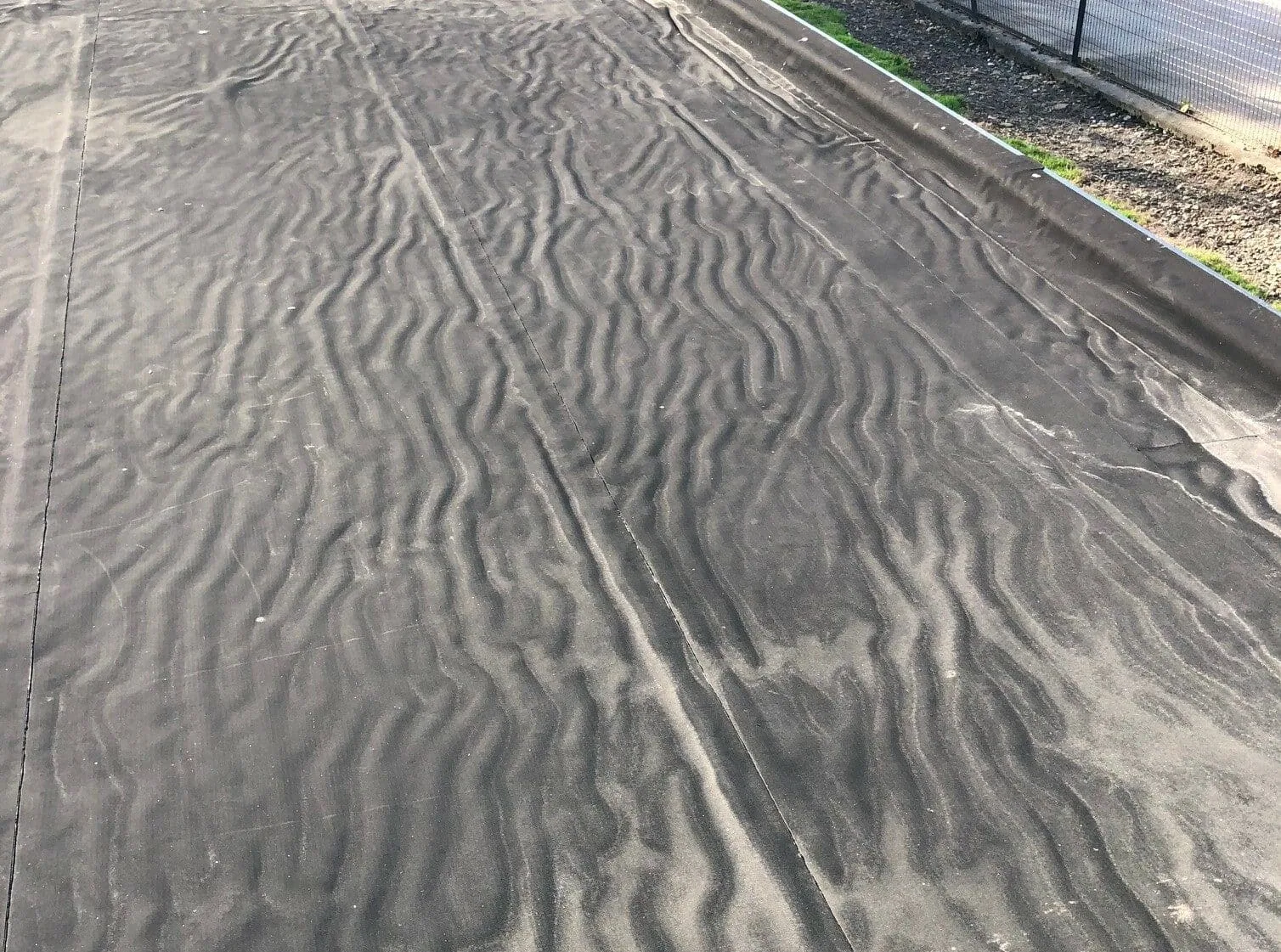
Not every mark requires a repair, and a clean-looking surface does not rule out a hidden leak path. We inspect the field membrane for cuts, punctures, cracks, blisters, and displaced surfacing, then check nearby laps and transitions. Metal coping, gutters, curbs, skylights, and pipe flashings receive their own review because the membrane field is only one part of the water boundary. Photos show the condition and nearby roof reference so the owner can compare the observation with an interior report or later maintenance walk.
If a welded or adhered seam has opened, we assess the bond and surrounding sheet rather than patching only the visible split. A seam repair may be required even when the field shows no obvious hole. If a stone or loose material punctured the membrane, a puncture repair needs compatible material and a dry, stable boundary. Each defect is logged separately so an adjuster or property lead can follow what was inspected and what was repaired.
Check below the damaged surface
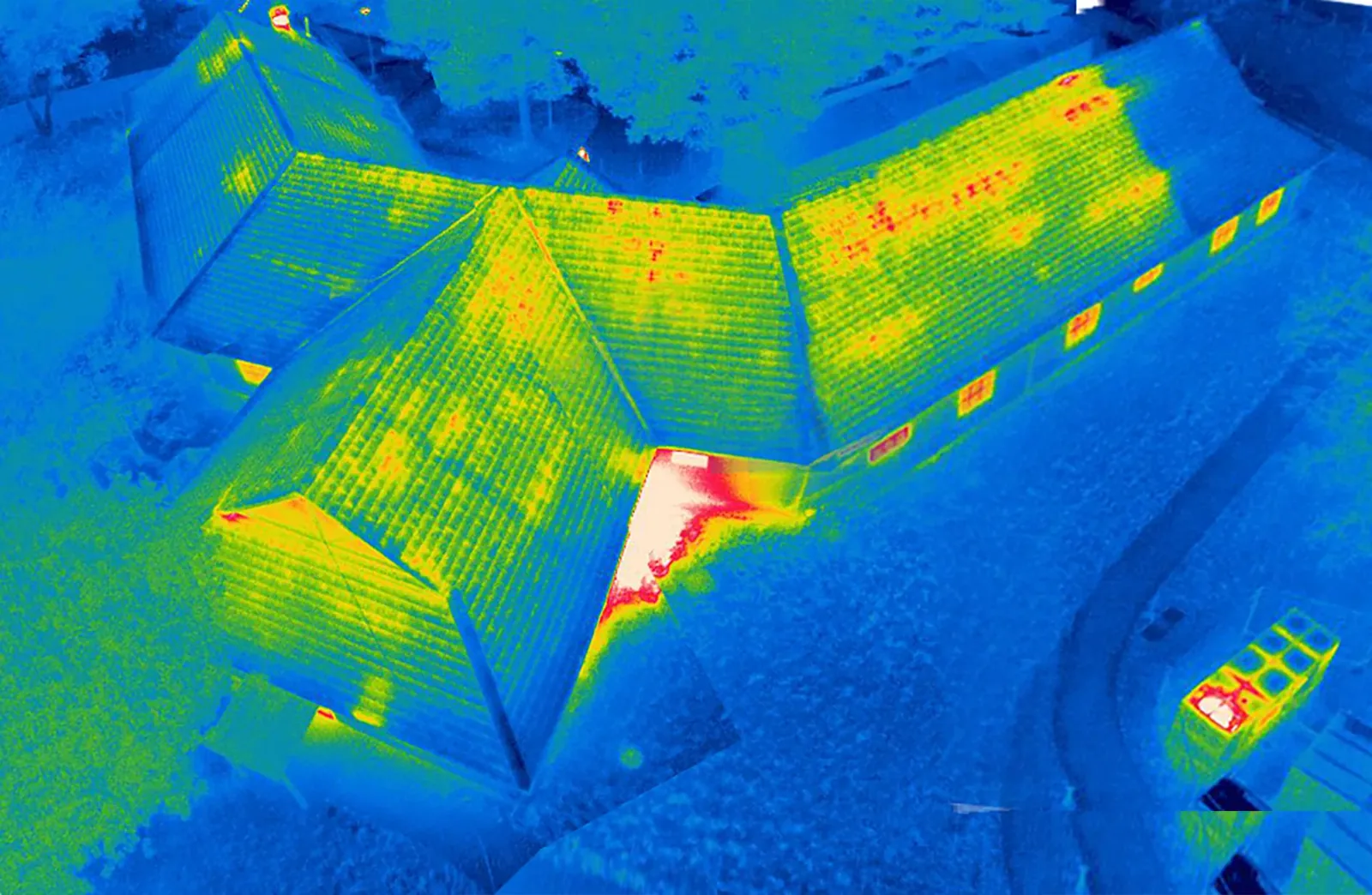
Water can move through insulation and along a deck before a stain appears. We compare the roof pattern with reported leaks, drains, curb details, and repair history. Infrared scanning can help select test locations, but a thermal pattern is not proof of wet insulation. A cut or core may be needed to confirm the assembly; the owner approves the opening and we restore it before leaving. We record the layer build-up, deck condition, moisture result, and any area that remained inaccessible.
Murfreesboro has frequent measurable precipitation in NOAA climate normals, which makes prompt attention to an open repair boundary practical. The average is not a forecast or a site diagnosis. We verify whether the membrane is dry enough for repair, whether a drain is carrying water, and whether insulation near a suspected opening needs testing. A moisture survey can guide that sequence, with the report distinguishing the scan from confirmed conditions.
Select the repair after the inspection
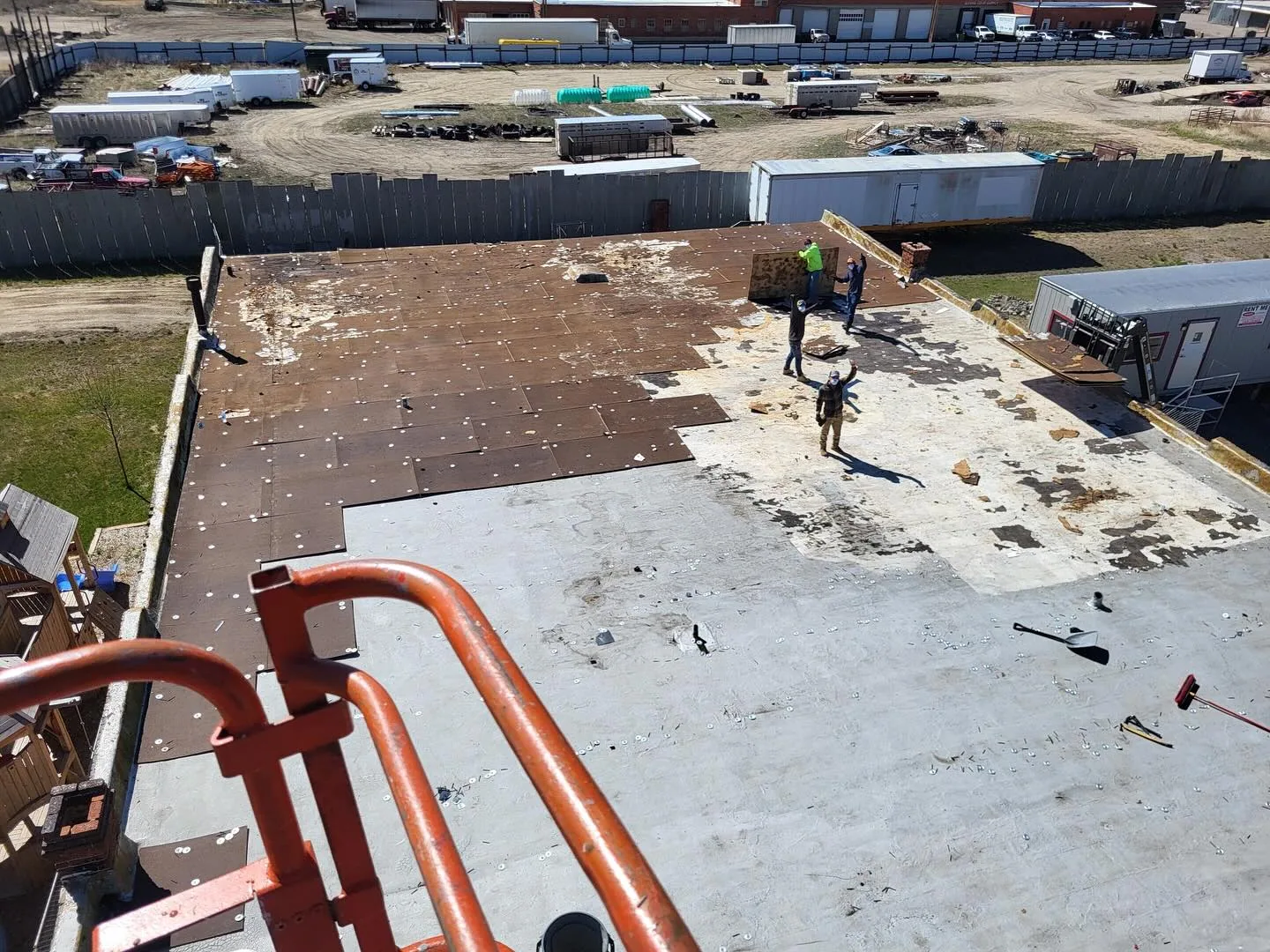
A localized patch is reasonable when the surrounding sheet is sound and the substrate is dry. A detail replacement may be needed at a curb or edge. Wet insulation, widespread impact, multiple openings, or a compromised deck can support a broader tear-off or reroof. We inspect attachment, layer count, drainage height, and the limits of any existing warranty before comparing options. The estimate identifies confirmed items and any additional investigation that could change the boundary.
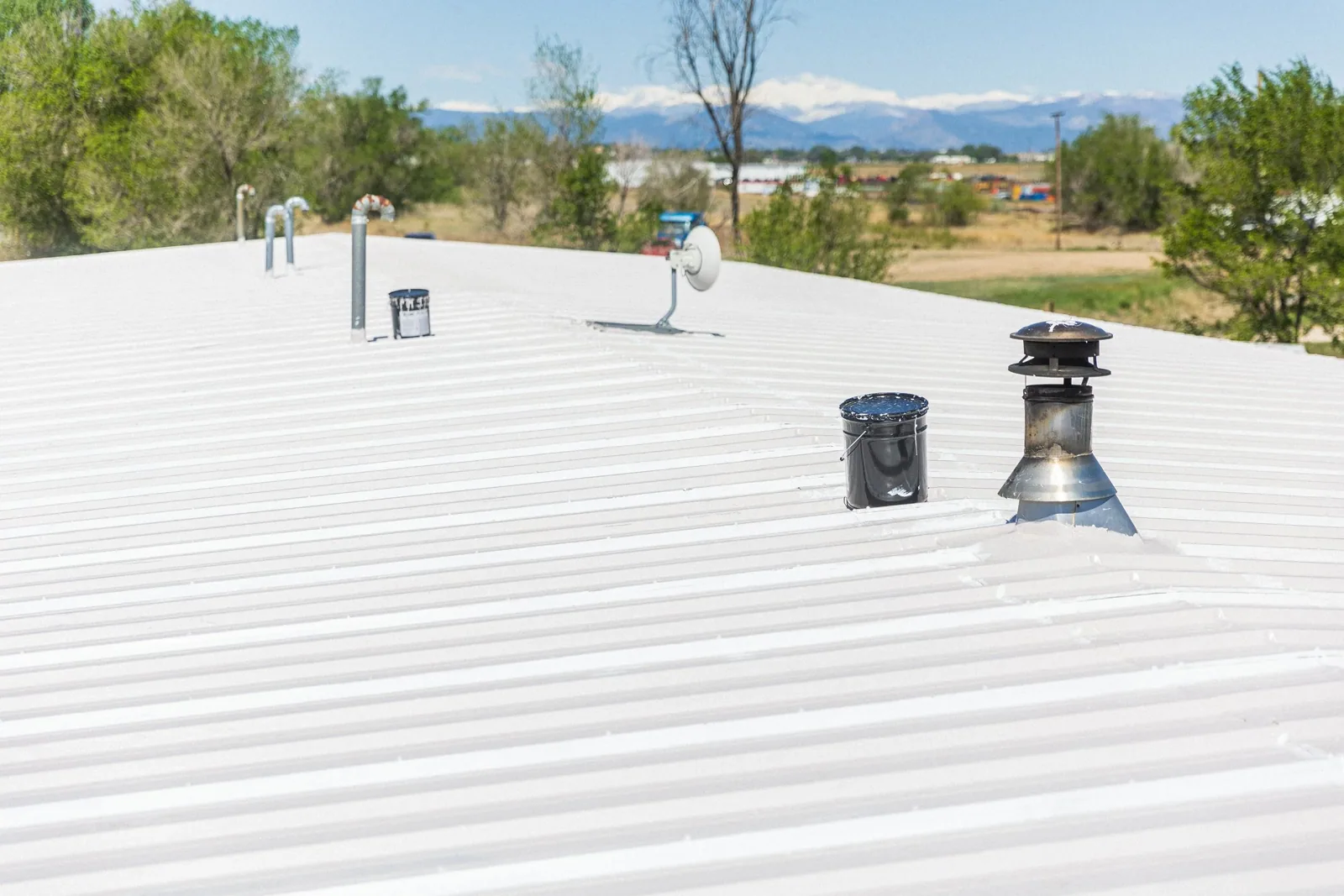
Coating is not a substitute for repairing an opening, and a recover is not appropriate over a wet or unstable assembly. If the membrane and deck remain suitable, the owner can compare a repair or a recover evaluation; if not, a replacement scope may be necessary. We mark the decision by section and show what is included so a capital review does not confuse surface impact with underlying assembly failure.
Build a record that matches the roof
Claim documentation is most useful when each image can be tied to a roof plan, condition, and repair action. We label photographs by section, record the inspection date and access limits, and distinguish impact marks from opened seams or moisture findings. If temporary protection is installed, the report identifies its location and the return step. The owner can share that record with an adjuster or consultant without treating the storm report as a substitute for property-level evidence.
Our closeout records identify materials installed, repair limits, remaining conditions, and any test area. The facility lead can place the photos beside prior service records and schedule a later check. For properties along I-24 or US 231, the route context helps coordinate the visit, while the damage record remains specific to the roof that was inspected. A condition report can carry unresolved items into the next maintenance cycle.
Plan the work around the operating roof
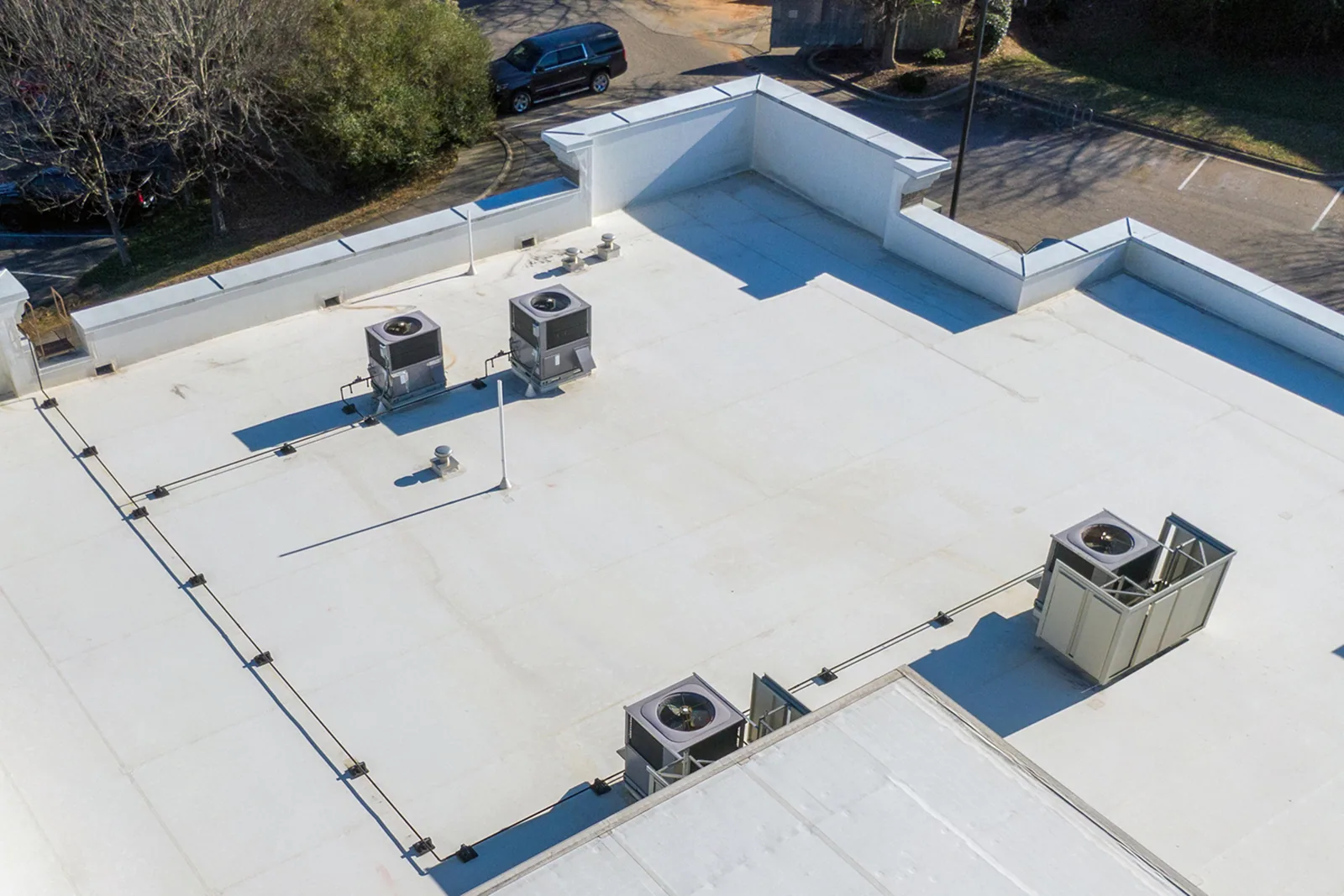
We confirm roof access, equipment clearances, tenant activity, and the material loading window before repair. A storm can leave sharp metal, loose surfacing, or exposed insulation that changes the safe work zone. The crew protects drains, controls tools and fasteners, and closes each open area before a weather hold. If a roof section must remain available for equipment service, we sequence the repair so access is preserved where possible and the site contact knows what is temporarily restricted.
Timing depends on the membrane, extent of removal, moisture checks, replacement materials, and current weather. We do not promise a final scope until the roof and any approved test area are reviewed. For an active leak, our emergency response can limit exposure while permanent work is planned. A Downtown Murfreesboro roof walk uses the same building-specific sequence, with the property contact confirming access and occupancy conditions.
Commercial Roofing Questions
Do the May 2024 hail reports prove my roof was hit?
They document observations near Murfreesboro, not at every property. We inspect the actual membrane, seams, metal, and interior conditions and label what we find by roof section.
Can hail damage exist without an interior leak?
Yes. Impact can mark or weaken a surface before water reaches the building. We document the assembly and check for openings, but do not infer a leak from a dent alone.
Does an infrared scan confirm hail damage?
No. It can help locate areas for testing. We confirm suspected moisture with a cut or core when the assembly needs to be opened and record that result separately.
Should every dented roof accessory be replaced?
We check whether the accessory still sheds water and remains secure. A dent without a split, loosened fastener, or failed seal may not need the same work as an opening.
What should the claim photos include?
We label images with roof section, condition, scale or reference point, and repair action. The written record distinguishes observed damage, confirmed moisture, and areas that were not accessible.
Related Roofing Work
More commercial roofing work connected to Commercial Hail-Damaged Roof Repair in Murfreesboro.
Document the hail-affected sections
Provide the reported storm date, roof plan, and site contact. We will inspect the accessible assembly, map conditions, and prepare a repair boundary with dated photos.