Occupied-Building Commercial Reroofing in Murfreesboro, TN
Reroof occupied commercial buildings in Murfreesboro with planned access, daily dry-in and tenant coordination. We phase work around operating needs.
Occupied-Building Commercial Reroofing
Reroofing over active tenants means every shift needs a defined work zone, access route and dry-in limit. For an occupied commercial building in Murfreesboro, TN, we plan by roof section and confirm which rooms, entrances and equipment must stay in service. Then we sequence tear-off, insulation, membrane and tie-ins so an opening is not left without protection when the crew leaves. The building's actual operations set the pace.
Murfreesboro includes office and industrial uses, along with commercial sites on arterial routes. Those operations can bring different loading, visitor and service schedules, but the building contact must confirm the actual hours and constraints. We ask the facility lead about shift changes, deliveries, sensitive rooms and access restrictions before setting a start date.
Divide the roof into working zones
Start with a roof plan that shows drains, curbs, expansion joints, parapets, entrances and the rooms below each section. Mark which zone can be isolated while the rest remains covered and operational. Identify the ladder or lift route, material staging point and a safe path for workers. A preconstruction roof inspection can map visible conditions and confirm where test cuts or deck review are needed before the bid is final.
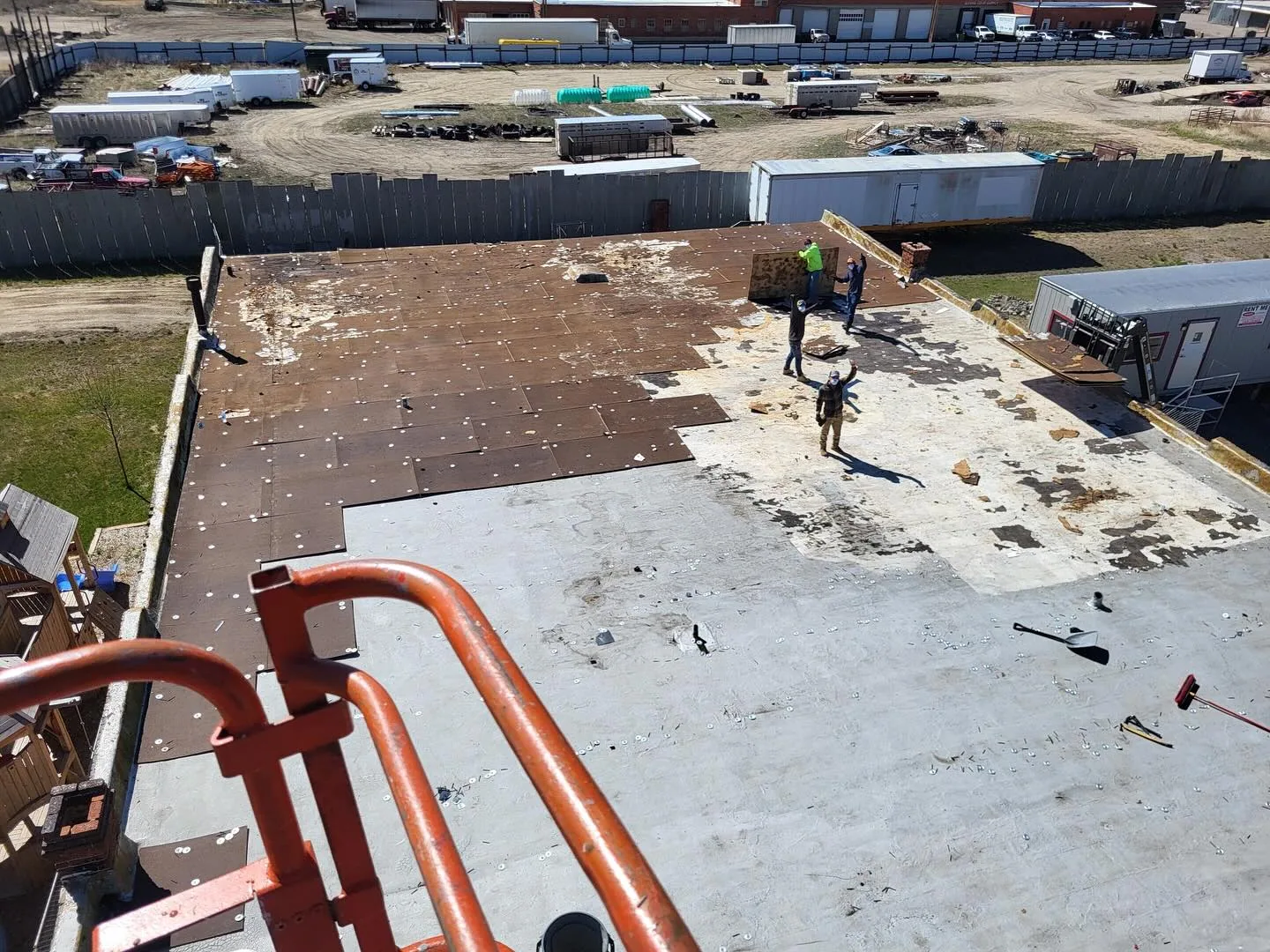
On each shift, limit removal to the area that can be made watertight before weather or closing time. Record the exposed edge, insulation boundary and temporary tie-in, then photograph the dry-in before moving to the next zone. If rain threatens, stop at the planned limit and secure the opening. Emergency response is available at any hour if water enters, but the production schedule should prevent a temporary repair from becoming the standard closeout.
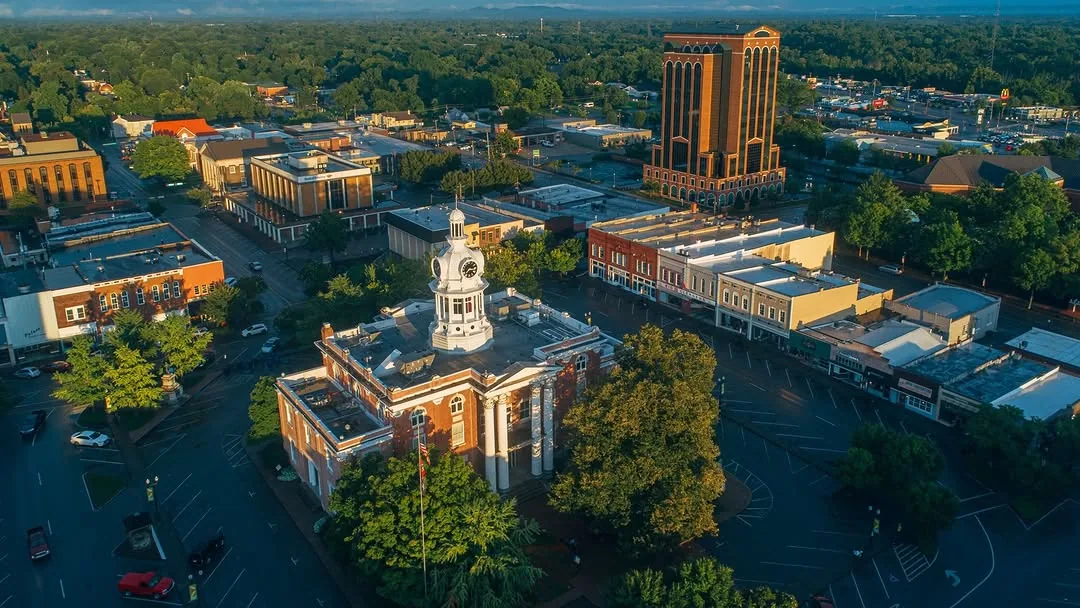
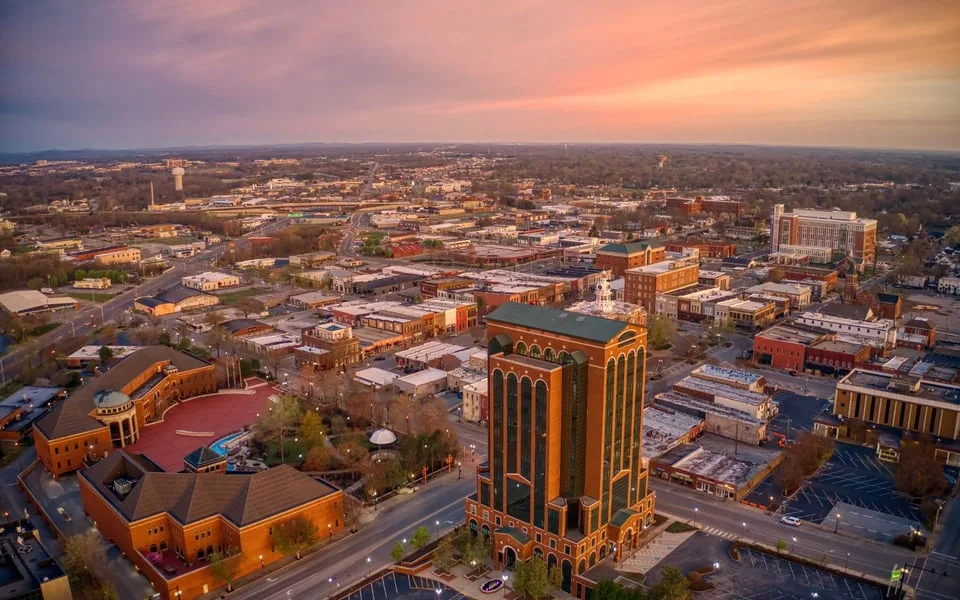
Murfreesboro's downtown map shows commercial, residential, civic, school and open-space uses in close proximity, including the East Main Street Historic District. For work in that kind of mixed-use setting, keep pedestrian routes, entrances and noise windows in the site plan. A downtown roof schedule should reflect the property's actual access and hours rather than assume the street or loading area can be reserved.
Protect the space below the work
Before removal, identify ceilings or equipment that need temporary protection. Keep dust, vibration and odors away from sensitive rooms where possible. Coordinate any shutdown with the building operator and tell tenants which entrance or service path changes during the shift. If the roof deck has penetrations for electrical, plumbing or HVAC, assign each disconnect and restoration task to a trade before the membrane is opened.
Facilities near Medical Center Parkway may have office, medical or service uses, while properties in the East Main Street Historic District sit within an urban mix of civic, residential and commercial uses. These local patterns matter to staging and tenant communication, not as assumptions about a particular roof. We document which suite, corridor or equipment area lies beneath a work zone and who receives notice if the sequence changes.
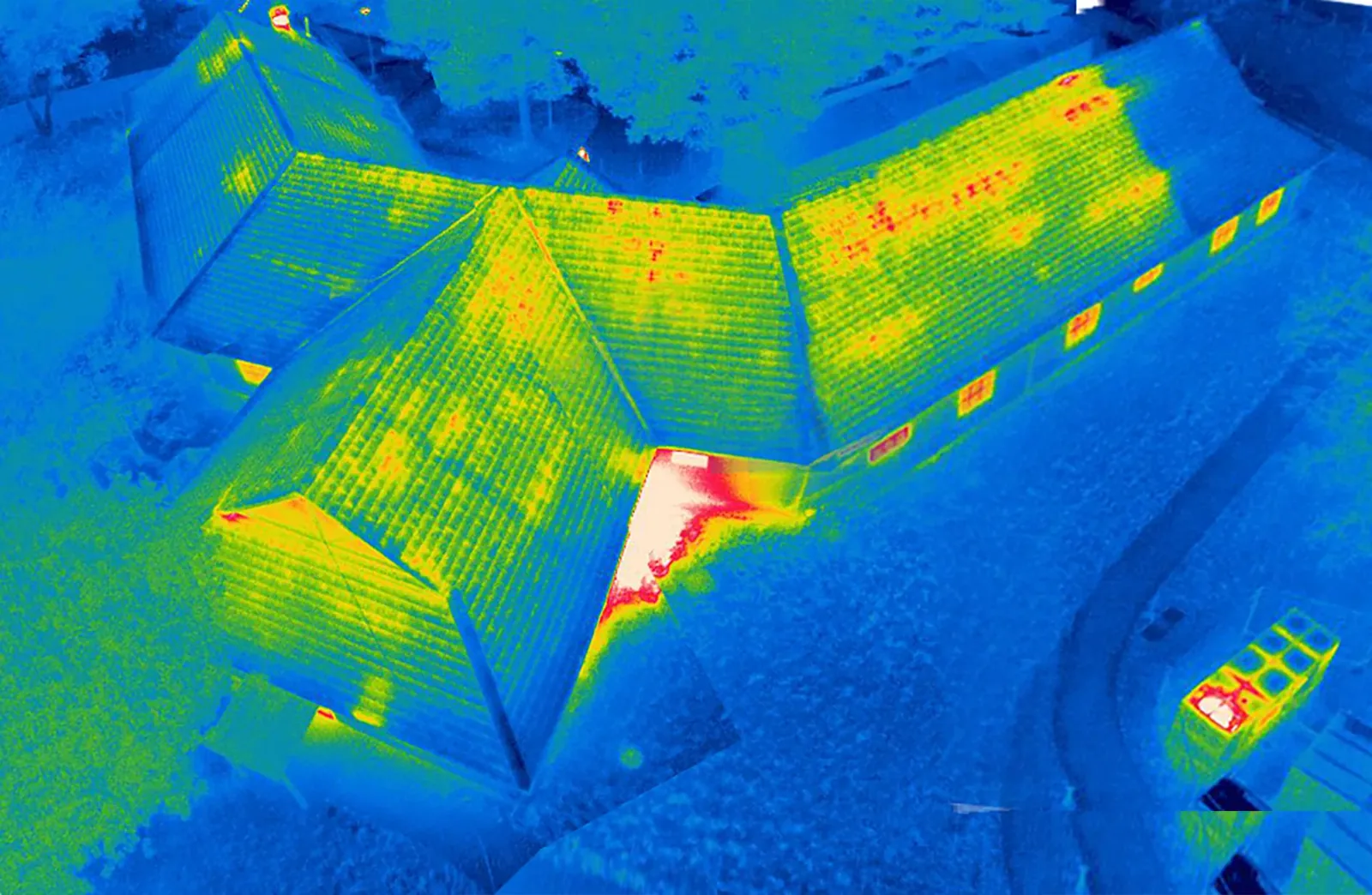
A moisture survey can help locate areas for test cuts, but removal boundaries need confirmation before material is covered. If a cut reveals wet insulation or damaged deck, pause at the agreed limit, protect the opening and present the finding. The owner can decide whether to extend removal, revise the price or phase the added work. That keeps the occupied-building sequence tied to a measured condition. Give the site contact a short daily update listing the area completed, any zone still protected and the next access change. If the work crosses a tenant boundary, confirm the notice before the crew moves the lift or material route. That avoids using yesterday's access plan after the roof limit has changed.
Carry drainage and code checks through each phase
Murfreesboro receives frequent precipitation and has recurring freezing nights, so daily dry-in and water flow need explicit checks. At each zone, confirm drains, scuppers, overflow routes, temporary sumps and the connection to the next completed section. A drainage repair can proceed with reroofing when the outlet is damaged, but do not cover a low area before slope, insulation and deck conditions are understood. The temporary seam between new and retained roofing should shed water until the next shift.
For covered commercial work within Murfreesboro, Ordinance 26-O-34 adopts the 2024 building, existing-building and energy codes with local amendments. The city ordinance includes permit exceptions for certain roof-covering replacements, including specific conditions about keeping the deck and framing or using the same system. The actual project scope decides what applies. We describe the membrane, insulation, deck work and structural changes so the project lead can verify the permit path before mobilization.
Timing depends on roof area, removal depth, deck repairs, material delivery, lift access, weather holds, tenant hours and how many sections can be closed each day. A phased replacement scope should show the order of zones, emergency protection method and the point where each section returns to service. If only part of the roof needs work, a localized repair can be compared with full replacement using the same photos and test findings.
Hand back each section with a record
At the end of a phase, confirm the membrane tie-in, drains, edge metal, equipment curbs and temporary closures. Photograph the work limit and any roof area retained for a later phase. Give the facility lead the materials installed, open items, access route and return date. A condition report can keep photos and test results attached to the marked roof plan.
Before the next crew enters, confirm tenant notices, furniture or equipment protection, lift placement and whether the previous zone can be reopened. If a roof section is not complete, identify who checks its weather protection and when. Do not describe a phase as complete until the tie-in is secure and the site contact has the closeout records. For a recurring maintenance route, a roof maintenance visit can inspect seams and drains after the reroof sequence settles.
We can meet the owner, general contractor and facilities team to review operating hours, roof records and access. The proposal will identify phase boundaries, daily dry-in expectations and the owner decisions that could change the sequence. If a building also has work in the Medical Center Parkway corridor, each address needs a separate route and tenant plan. That keeps the active operation, roof opening and final handoff clear to all parties.
Commercial Roofing Questions
Can the building remain open during a reroof?
Often, if the roof can be divided into safe zones and the daily work limit matches the protection plan. We coordinate entrances, tenant hours, equipment and weather closures with the facility lead.
How much roof can be removed in one shift?
The crew sizes each opening to the area it can dry-in before the shift ends. Roof access, deck condition, weather and work hours change that boundary, so the plan shows it by section rather than using a fixed area.
What happens when removal finds a damaged deck?
We stop at the approved limit, document the exposed condition and protect the opening. The owner reviews the added deck work and revised schedule before the crew covers that section.
Does a Murfreesboro roof replacement always need a permit?
The ordinance lists exceptions for certain roof-covering replacements, but deck, framing, system and amendment conditions matter. We describe the actual scope and have the project lead confirm requirements with the city.
How do tenants know which areas are affected?
Provide a schedule that names entrances, noise windows, loading changes and any room below the active work zone. We update the facility contact if weather or a concealed condition changes that plan.
Related Roofing Work
More commercial roofing work connected to Occupied-Building Commercial Reroofing in Murfreesboro.

Plan a phased occupied reroof
Send the roof plan, operating hours, tenant constraints, access routes and known leak history. We can walk the building with your team and return a phased scope with daily dry-in and closeout steps.