
Spray Polyurethane Foam Roofing in Murfreesboro, TN
Spray foam roofing in Murfreesboro depends on a dry substrate and intact protective coating. We inspect foam, drainage, and penetrations before repair.
Spray Polyurethane Foam Roofing
Spray polyurethane foam needs a continuous protective coating to keep weather and foot traffic off the foam surface. On a commercial roof in Murfreesboro, TN, we inspect the coating for splits, erosion, blisters, ponding, and exposed foam before deciding whether a repair or recoat fits. The foam below must be dry and stable. We map the affected area and check drains, curbs, and penetrations so the coating scope does not hide a wet substrate.
SPF can form a tapered surface around equipment or toward an outlet, but the built-up profile still needs a clear path for water. We examine coating thickness where records allow, test suspect areas, and photograph any exposed foam before repairs begin. The work plan states which sections can be restored and where removal or replacement is needed.

Inspect the Coating Before Recoating
Coating failure often begins at a seam, penetration, drain, or area with repeated foot traffic. We inspect for pinholes, cracks, delamination, soft spots, and places where the protective layer has worn through. A surface that looks intact from the roof hatch may still have splits at a curb or around a pipe. We clean a test area and verify adhesion before selecting a compatible coating or detail repair.
Spray foam is applied in lifts to build the required profile. If the foam is wet, damaged, or poorly bonded, another coating will not restore the base. We cut or probe representative spots where the surface points to a concealed condition, then mark the boundary between sound foam and removal. A roof walk records those observations, while a moisture survey can help target test locations where the assembly warrants it.
Follow the Built-In Drainage Profile
Foam can be shaped to direct water, but later repairs may create ridges or low bowls that interrupt the slope. We trace the surface from high points to drains and scuppers, checking where coating thickness or patches changed the flow. A pond at the edge of an equipment curb can signal a profile issue, blocked outlet, or substrate movement. We measure the area and keep a coating correction separate from any drain or deck repair.
Murfreesboro 5 N normals show 55.92 inches of mean annual precipitation and more than 134 measurable-rain days. The regional record makes drainage and protective-coating details practical inspection points; it does not show water retention at one property. Near the Thompson Lane corridor, commercial sites may have varied roof access and equipment layouts. The outlet inspection needs to follow the actual roof profile from each low area.
Rebuild the Curb and Pipe Transitions
Foam transitions need a continuous coating at curbs, pitch pockets, pipes, and parapets. We inspect these areas for cracking, separation, and places where movement has opened the coating. At an equipment base, the flashing should drain back to the roof without leaving a pocket behind the curb. We confirm whether a mechanical trade has changed piping or supports, then define which part of the repair belongs to roofing.
At a building in the Cason Lane commercial area, access to rooftop equipment and delivery routes should be agreed before the crew sets up. The roof detail itself controls the coating repair. A penetration flashing scope can rebuild a curb or pipe transition where the foam system meets another assembly. The crew prepares the surface, applies compatible material, and checks the cured edge before reopening the roof to maintenance traffic.
Select a Protective Coating for the Exposure
Silicone and acrylic coatings behave differently with water, adhesion, and weather exposure. We identify the existing coating and test compatibility before carrying a new layer across the roof. Surface preparation removes loose coating, dirt, and biological growth; the primer and thickness follow the approved system. We pay attention to ponding areas, seams, and field transitions, then verify coverage at edges and around penetrations.
A silicone coating system and an acrylic coating system should not be selected from color alone. The substrate, existing coating, roof slope, foot traffic, and expected maintenance plan all affect the choice. If the surface cannot pass adhesion testing or foam moisture is present, we stop the coating scope and show the area that needs removal or replacement first.
Compare Recoat and Foam Replacement
A recoat can fit when the foam is dry, firmly bonded, and the existing profile drains. We repair splits and exposed foam, prepare the whole area, and apply the protective system to the specified thickness. If the foam is wet or separated from the deck, removal to a dry boundary may be needed. A replacement scope should identify the foam build, coating, curb details, and outlet corrections instead of applying a surface layer over an uncertain assembly.
Cost and schedule depend on moisture testing, surface preparation, foam removal, new application passes, coating cure, and weather. Heat and freezing conditions can affect when materials are installed. The city's 2040 plan lists transportation work on New Salem Highway, Thompson Lane, and other routes; delivery timing near those corridors still depends on each property's access. We phase the work so a repaired roof section is protected before the crew leaves.
Leave the Foam and Coating Record
After the coating has cured, we check coverage at field transitions and around every penetration in the treated area. A missed edge or pinhole can leave foam exposed even when the main surface looks uniform. We correct those points before the work zone is released.
We photograph the prepared foam, repairs, coating transitions, and outlet details before leaving the roof. The closeout lists the sections treated, material system, surface preparation, weather window, and any areas excluded from the work. If a test showed wet or detached foam, the record identifies whether it was removed or remains an open item. The facility team can use that boundary during a later inspection.
A photo condition report can preserve coating observations with the roof plan. Check exposed foam, coating splits, curbs, and drains after rooftop maintenance or severe weather. The next visit should compare the same marked areas and record any new wear before applying more coating. Share the roof plan, existing system records, leak history, and access hours. We will inspect the foam, coating, and drainage profile and return a repair, recoat, or replacement scope.
Commercial Roofing Questions
Can exposed spray foam be coated immediately?
The foam needs to be dry and sound, and the surface needs the preparation required by the coating system. We inspect and test the area first. Wet or detached foam has to be addressed before a protective layer is applied.
How do you find water below an SPF roof?
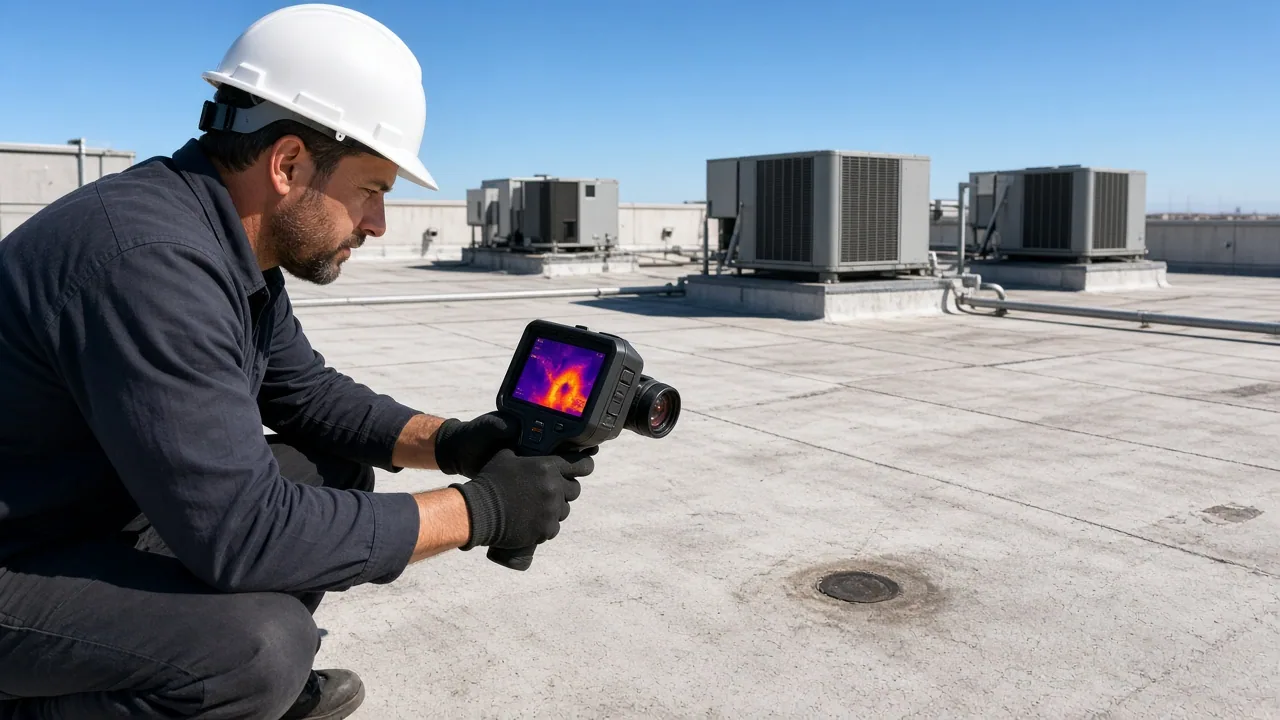
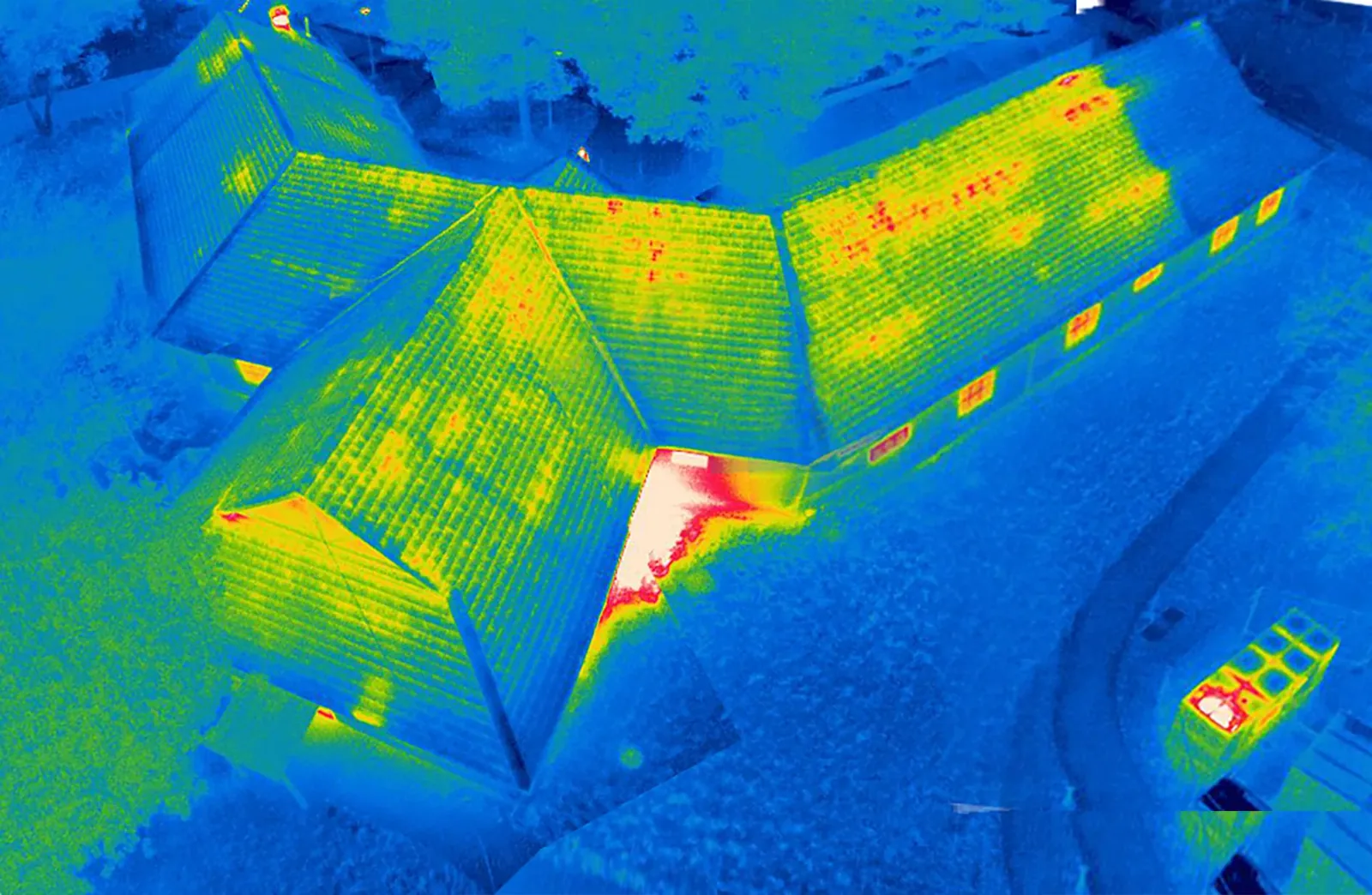
We review leak timing, inspect low points and transitions, and use thermal patterns only to guide test locations. A test cut or core shows the condition of the foam and deck at that point.
Will a coating correct ponding on a foam roof?
A coating follows the existing surface; it does not create a new slope by itself. We trace the flow path, check outlets, and determine whether foam profile or drain work is needed before recoating.
Can another trade work on an SPF roof?
Yes, with a roof access plan and protection for the coating. We identify walk paths and equipment zones, then repair any coating or foam damage after the work is complete and the substrate can be inspected.
How often should a foam roof be checked?
The interval should match the roof records, exposure, and maintenance activity. We inspect after roof traffic, severe weather reports, and any leak, then track coating wear and drainage at the same marked points.
Related Roofing Work
More commercial roofing work connected to Spray Polyurethane Foam Roofing in Murfreesboro.


Inspect the SPF Surface
Send the roof plan, coating records, leak locations, and access window. We will check foam condition, adhesion, drainage, and transitions, then define the repair, recoat, or replacement area.