Acrylic Roof Coatings in Murfreesboro, TN
Acrylic roof coatings in Murfreesboro need a dry, compatible surface and clear drainage. We test adhesion and repair details before setting the recoat area.
Acrylic Roof Coatings
An acrylic coating needs a clean, dry base and enough time to cure before rain reaches the surface. On a commercial roof in Murfreesboro, TN, we inspect the existing coating, membrane, drains, and penetrations before deciding whether a recoat will hold. The surface may be chalked, cracked, blistered, or detached in separate areas. We map those conditions and test adhesion at representative locations before selecting preparation and repair steps.
A new coat can restore a suitable surface, but it cannot dry wet insulation or secure a loose roof assembly. We check the deck and membrane where needed, then set a boundary between coating, repair, and replacement. The owner receives the prep work, cure window, detail repairs, and any excluded area in the written scope.
Check the Existing Coating
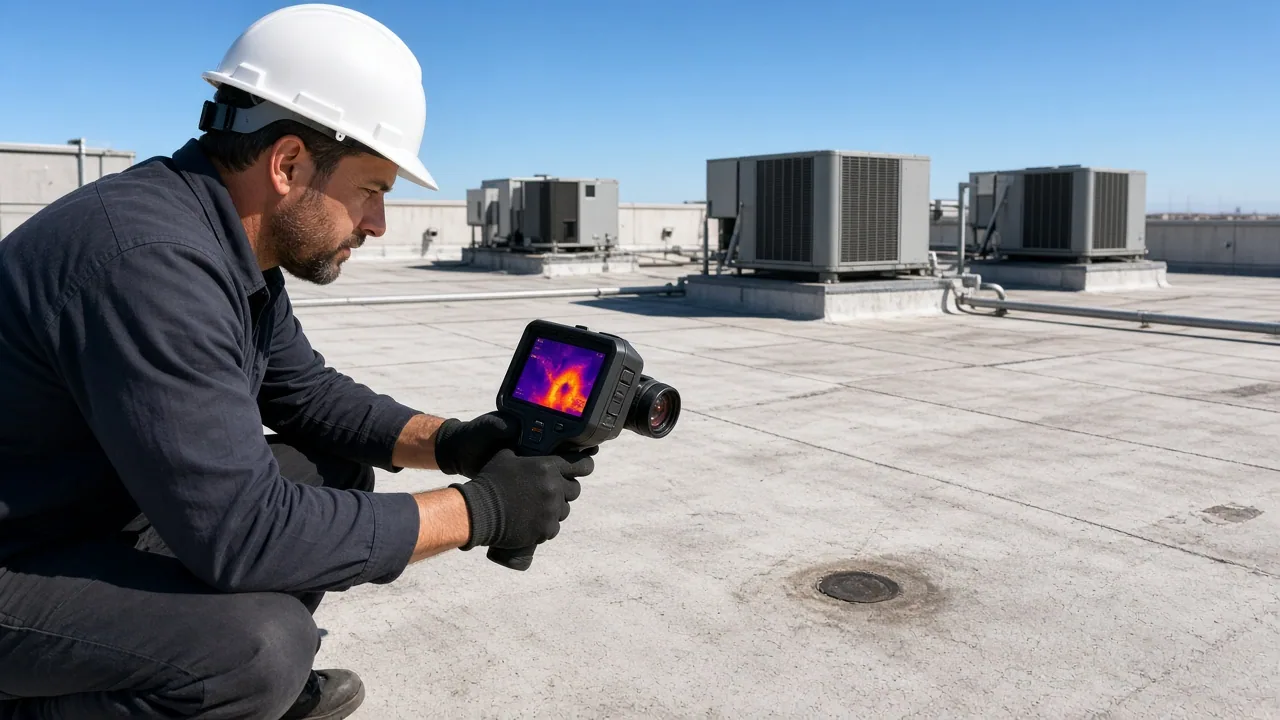
We inspect the roof for chalking, erosion, splits, blisters, poor adhesion, and areas where foot traffic has worn through. A representative adhesion test shows whether a new layer can bond after cleaning and primer. The test area must include the actual coating and substrate, not only a clean spot at the roof hatch. If different repairs or coating layers appear across the field, we test each condition before deciding how much can be recoated.
The Cason Lane commercial area includes a mix of nearby land uses, but that does not identify the membrane or coating on an individual property. We inspect the roof itself. A condition walk records test locations, curb details, and the areas that need repair before application.
Prepare a Bondable Surface
Loose coating and dirt must come off before primer or a new layer is applied. We clean to the system requirements, remove failed material to a sound edge, and dry the surface before coating. A wet substrate can interfere with adhesion or trap moisture below the finish. At seams, penetrations, and curb corners, we use the specified reinforcement and detail material instead of carrying field coating across an open gap.
Weather controls the application sequence. The crew checks surface temperature, dew point, wind, and rain forecast against the product requirements, then keeps each day's work area within the available cure window. Murfreesboro 5 N records 134.5 days a year with measurable precipitation. That station record makes forecast and drain checks important for planning; it does not establish a specific roof's exposure. We hold the application if the surface or forecast cannot support the system.
Keep Water Moving During Cure
Coating can follow a roof's low points, so ponding should be reviewed before the finish is applied. We trace each drainage path to a drain, scupper, or overflow and inspect for a blocked bowl or depressed deck. A coating is not a substitute for tapered insulation or a drain correction where the roof holds water. We record any low area that remains and state whether the scope includes correcting it.
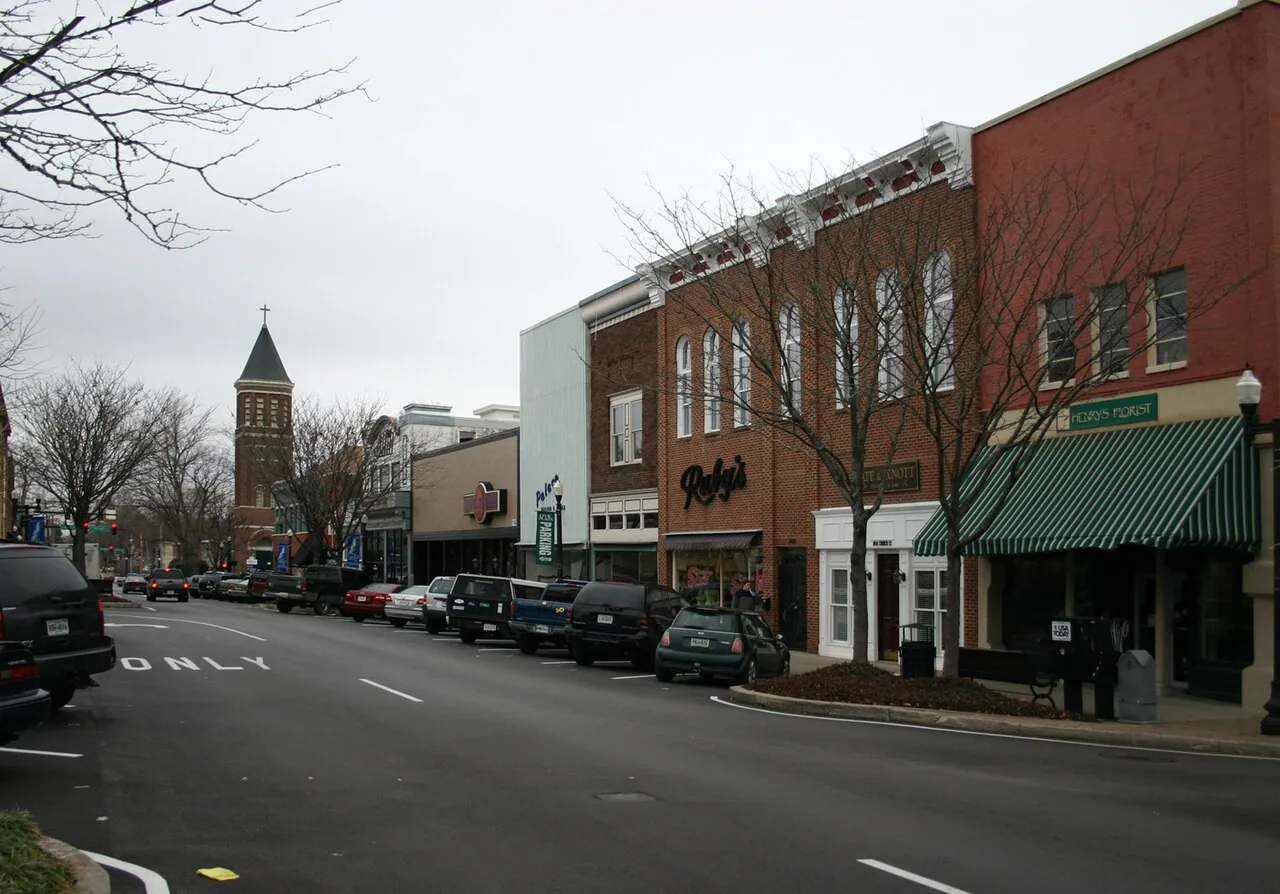
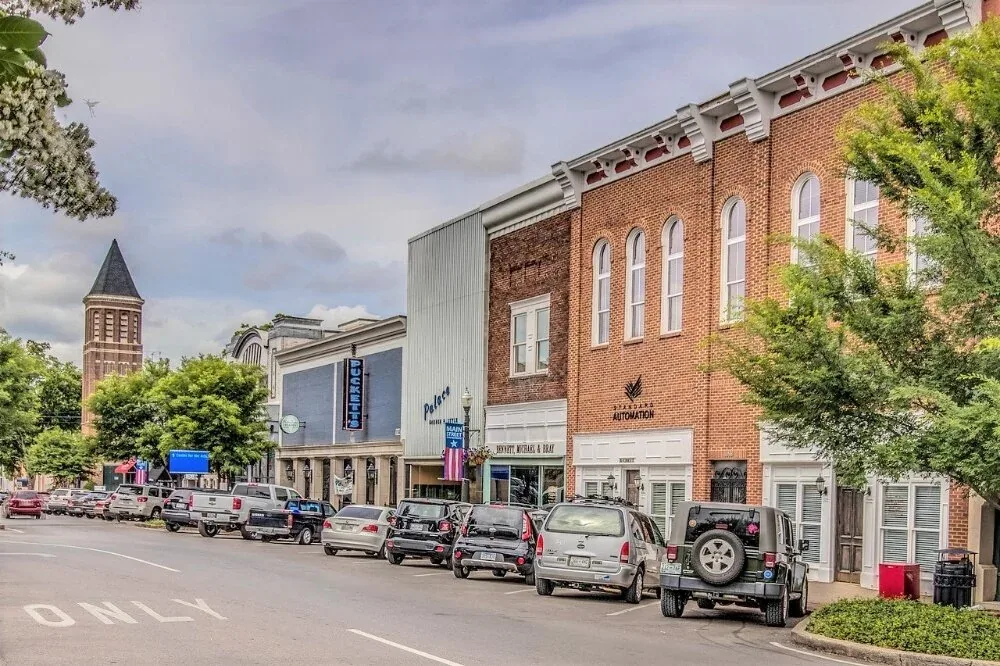
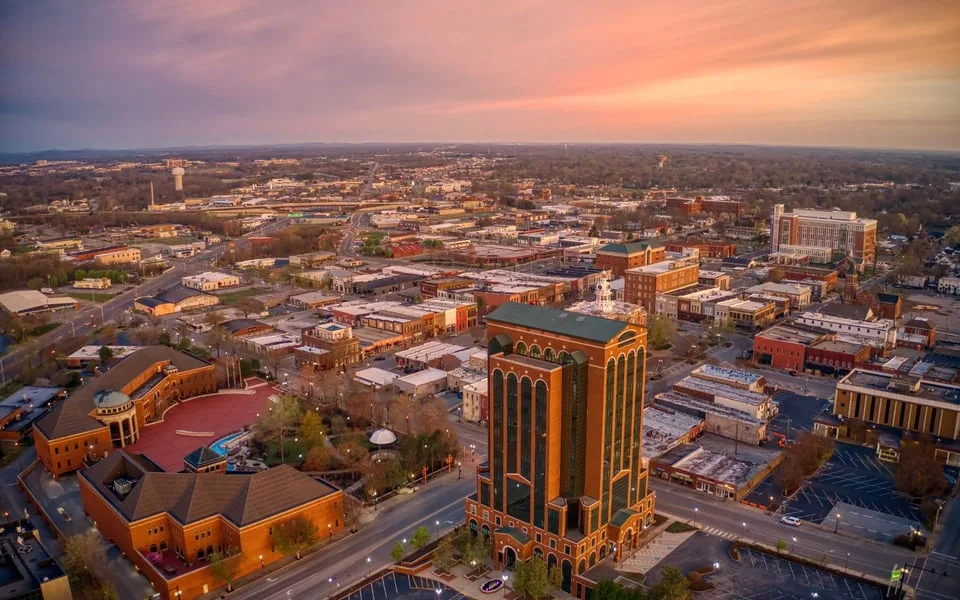
The downtown map for Murfreesboro depicts commercial, residential, civic, school, and open-space uses together. At a property near the downtown district, access and adjacent occupied areas can affect when the crew can clean or coat a section. The roof's measured outlet and slope still set the drainage scope. A drain inspection can confirm outlet conditions before the coating crew starts.
Match the Coating to the Roof
Acrylic and silicone coatings do not share the same application conditions or water exposure limits. We check slope, ponding, substrate, existing coating, and foot traffic before comparing them. A light-colored acrylic may reflect sunlight, but the finish does not correct weak attachment, wet layers, or failed flashing. The system selection follows the accepted specification and the roof conditions we can test.
A silicone coating may suit a different exposure when the substrate and product details allow it. An SPF assembly also needs a continuous, maintained protective layer. We confirm compatibility before building one system over another. A restoration scope records cleaning, primer, reinforcement, and finish thickness so the owner can see the full work rather than only the top coat.
Repair Details Before the Field Coat
Field application should not bury an open seam or split penetration. We inspect lap edges, pipes, curbs, skylights, and wall transitions, then repair them with compatible materials before coating the surrounding area. If water or movement extends beneath a detail, we open a test area and map the condition. Any wet insulation or deteriorated deck receives a separate removal and rebuild scope.
Murfreesboro's annual temperature normals include about 47.8 days at or above 90 degrees and roughly 89 freezing-minimum days. Repeated heat and cold make exposed terminations and repair edges worth checking, but the station figures do not show a defect at one roof. After a coating passes cure, we inspect those details again and photograph the finished edge. If an equipment trade returns later, the work record shows where the coating needs protection.
Compare Recoat with Replacement
A recoat fits when the existing membrane or foam is dry, attached, and compatible with the proposed system. If adhesion fails over a broad area, the substrate is wet, or the deck is weak, another layer may conceal the problem rather than solve it. We show test results and define which sections can be coated. Replacement is priced separately when removal gives a better view of the assembly or a more reliable tie-in.
Cost and timing depend on cleaning, failed coating removal, primer, reinforcement, access, repairs, and weather holds. The work sequence should leave each section protected until cure is complete. Along the Old Fort Parkway corridor, delivery access must be coordinated with each property's loading path; road context does not set the roof schedule. A moisture survey can help choose test-cut locations when surface readings point to a concealed layer issue.
Record the Recoat and Its Limits
We photograph the cleaned surface, repairs, reinforcement, and cured coating at field and detail locations. The closeout identifies the system, treated sections, test results, weather window, and any area left out of the application. If an adhesion test failed or a wet layer remains for another scope, we mark that boundary clearly. Those records give the facilities team a practical baseline for the next roof walk.
A photo condition report can keep the coating map and repair record with the roof plan. The next inspection should revisit curbs, seams, low spots, and high-traffic areas after service work or a severe weather report. Send the roof plan, coating history, leak locations, and operating hours. We will test the surface and return a recoat, repair, or replacement scope with a defined cure and access sequence.
Commercial Roofing Questions
Can acrylic coating go over an existing roof?
It can when the substrate is dry, stable, and compatible with the new system. We inspect the roof and test adhesion on each distinct surface before pricing preparation and application.
Will acrylic coating stop water in a low area?
It protects a suitable surface but does not create slope. We measure the outlet path and check the deck, drain, and overflow. A drainage correction may be needed before coating.
Why does rain affect acrylic coating work?
The coating needs the application and cure conditions set by its system requirements. We check forecast and surface conditions, then stop work if rain could reach the uncured section.
How is an open roof seam handled before coating?
We repair the seam with a compatible detail first. Coating across an opening can leave the water path beneath it, so the repair boundary and reinforcement are inspected before field application.
When is replacement better than a recoat?
Broad adhesion failure, wet insulation, a weak deck, or repeated repairs can make another surface layer a poor fit. We map the test results and price replacement separately when removal is needed.
Related Roofing Work
More commercial roofing work connected to Acrylic Roof Coatings in Murfreesboro.
Test the Coating Surface
Send the roof plan, existing system records, leak history, and access schedule. We will test adhesion, inspect drainage and details, then define the recoat or replacement boundary.