
Silicone Roof Coatings in Murfreesboro, TN
Silicone roof coatings in Murfreesboro require a dry, compatible base and sound details. We inspect adhesion, drainage, and seams before recoating.
Silicone Roof Coatings
A silicone coating can protect a suitable existing roof, but it cannot make wet insulation or a loose seam sound. On a commercial roof in Murfreesboro, TN, we inspect the substrate, coating bond, drains, and flashing before recommending a recoat. The current surface may be silicone, acrylic, another coating, or an uncoated membrane. We identify it first, then test adhesion and check where the roof still needs a repair detail.
Coating scope starts with the roof that is there. We map blisters, cracks, ponding, exposed foam, and prior patches, then separate preparation, repair, primer, and finish work. If the assembly is wet or the coating is detached over a wide area, replacement may be more useful than another layer. The proposal names what can be coated and what must be corrected below it.

Test the Existing Surface
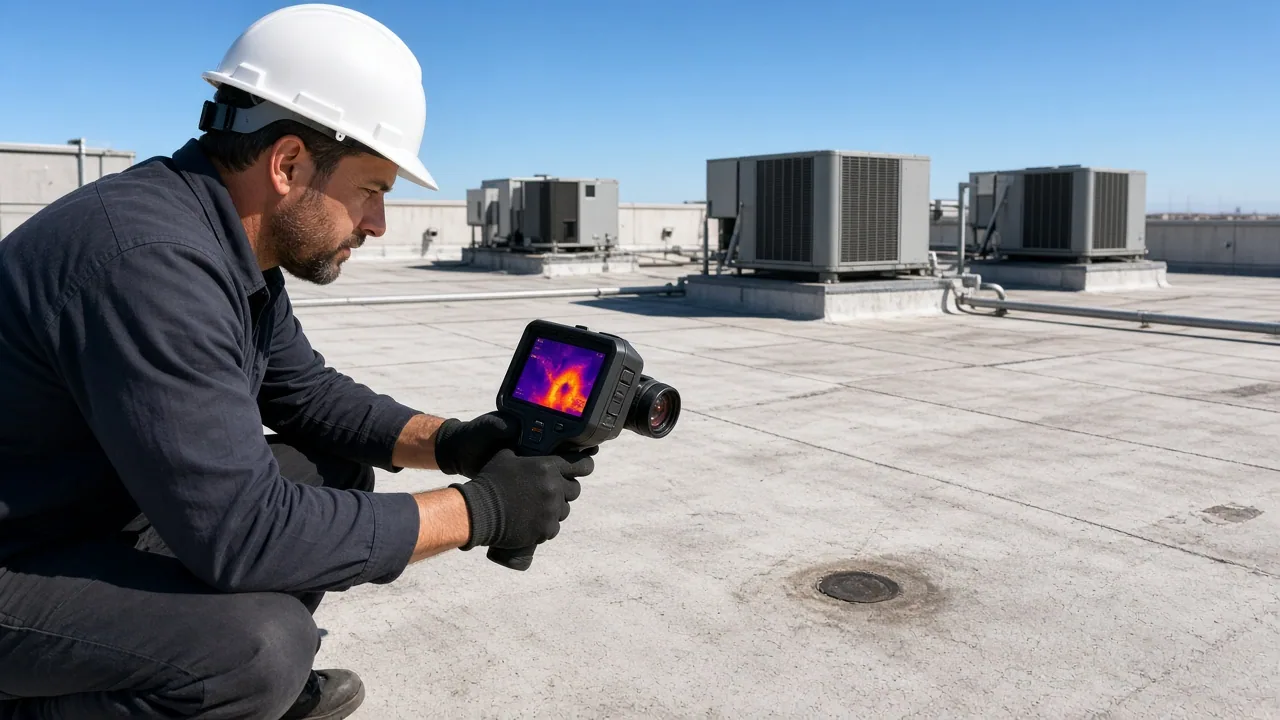
Adhesion testing shows whether a new layer can bond to the surface after cleaning and preparation. We inspect representative roof sections, curb transitions, and areas with different coating history. Loose material is removed to a stable edge, and the test follows the system requirements for primer and cure. One successful test spot does not make every roof section ready; changes in surface, exposure, or prior repair can call for another check.
At a building near the Middle Tennessee Boulevard corridor, the office, civic, and institutional mix does not tell us the existing roof system. We check the actual surface and roof access. A condition walk records the substrate, penetrations, drains, and areas that need testing before coating quantities are estimated.
Repair the Water Path First
Coating follows the roof profile. It does not create slope at a low point, lift a sunk drain, or close a failed flashing detail by itself. We trace water to each outlet, inspect scuppers and overflows, and mark any curb or seam that needs a separate repair. If ponding remains after preparation, the owner should see that condition before a new film covers the surface. A drain correction may need to precede coating work.
Murfreesboro 5 N normals show an average 55.92 inches of precipitation and 134.5 measurable-rain days each year. That regional pattern makes drain flow and coating transitions worth checking; it does not show ponding at a particular property. In the Medical Center Parkway corridor, commercial and medical-office uses may require careful access planning, but the roof slope and outlet set the water path. We measure both before closing the work scope.
Prepare the Seam and Penetration Details
Coating around a pipe boot, curb, skylight, or parapet needs reinforcement and a compatible detail. We remove loose coating, clean the surface, and rebuild the transition with the specified fabric or flashing material where required. The application thickness and cure conditions follow the product data and the accepted scope. We do not bridge an open seam or hide a wet roof layer beneath the coating.
Foot traffic around rooftop equipment can wear through a coating and damage the membrane below. We mark service paths, coordinate mechanical access, and protect fresh work until cure. A penetration flashing repair can address a curb or pipe detail before coating begins. Where foam is present, we check that the SPF is dry and bonded before applying a new protective layer.
Choose the Coating by Substrate
Silicone and acrylic are different coating systems with different exposure limits, primers, and surface requirements. We compare the existing roof, slope, drainage, foot traffic, and expected maintenance before selecting either. Silicone may be specified where the system and substrate allow it, but it still needs sound preparation and inspection. If water sits against a detail or the base is soft, another coating does not remove that condition.
An acrylic coating may fit a different roof slope or maintenance plan. A spray-foam assembly depends on a continuous protective layer over dry, stable foam. We follow the system requirements for coverage, reinforcement, and cure instead of comparing products by color. A coating restoration scope records the preparation and repair steps alongside the finish application.
Set a Dry Work Window
Cleaning, primer, and coating need the right surface and weather window. We check substrate moisture, temperature, forecast, and cure time before opening a section. If rain arrives before the coat is ready, the work can be damaged or delayed. Each day's boundary should be small enough to complete and protect under the approved conditions, with drains and walk paths kept clear.
The city transportation plan includes roadway work on Thompson Lane, Greenland Drive, and other routes. Delivery timing near those streets should be confirmed against the property's own loading window, not inferred from a project listing. We stage materials away from outlets and secure containers before weather changes. A change in forecast can move the work sequence, so the facility lead receives an updated section and dry-in plan.
Set the Recoat Limit
The proposal separates pressure washing, loose-coating removal, primer, reinforced details, and finish coats. The amount of preparation and the number of roof sections affect labor and cure windows. If testing finds a weak layer, we stop at that boundary and price the needed repair before applying the new system. That keeps the coating quantity tied to a surface that can accept it.
Walk paths and equipment zones also need a maintenance plan. Repeated service traffic can cut a new film at a curb or pipe, so we mark protected routes and identify where repairs may be needed after mechanical work. A coating record should record the system, treated area, and any untreated section that still needs review. The next inspection can then compare wear at the same locations.
Check Coverage Before Release
After cure, we inspect the field coverage, repaired seams, penetrations, edges, and outlet details. We photograph preparation and completed work, record the coating system and repair locations, and record any area excluded from the application. If adhesion testing failed at one section, that boundary stays visible in the closeout rather than being covered by assumption.
A photo condition report can keep the coating map and inspection date with the roof records. The next check should revisit ponding areas, walk paths, curbs, and any repairs made before the recoat. Send the roof plan, coating history, leak locations, and access hours. We will inspect the substrate and return a defined silicone scope, or explain where repair or replacement needs to come first.
Commercial Roofing Questions
Can silicone coating go over an existing coating?
Only when the old surface is compatible, attached, and prepared for the new system. We inspect and test representative sections, then identify any coating that must be removed before application.
Does silicone stop water from ponding?
No coating changes the roof slope by itself. We measure the low area and inspect drains and overflow paths. The scope may need a drainage correction before a new coating is applied.
Can a wet roof be recoated?
No. We test suspect areas and remove wet or unsound material to a defined boundary. Coating over moisture can leave the assembly unstable beneath the new surface.
How is a curb handled during coating?
We inspect the flashing, curb corners, equipment access, and membrane before applying the coating detail. The transition needs compatible preparation and reinforcement where the system requires it.
What affects coating timing?
Cleaning, repairs, adhesion testing, substrate moisture, temperature, rain forecast, cure time, and access all affect the sequence. We set a daily section limit and protect the work until it is ready for traffic.
Related Roofing Work
More commercial roofing work connected to Silicone Roof Coatings in Murfreesboro.

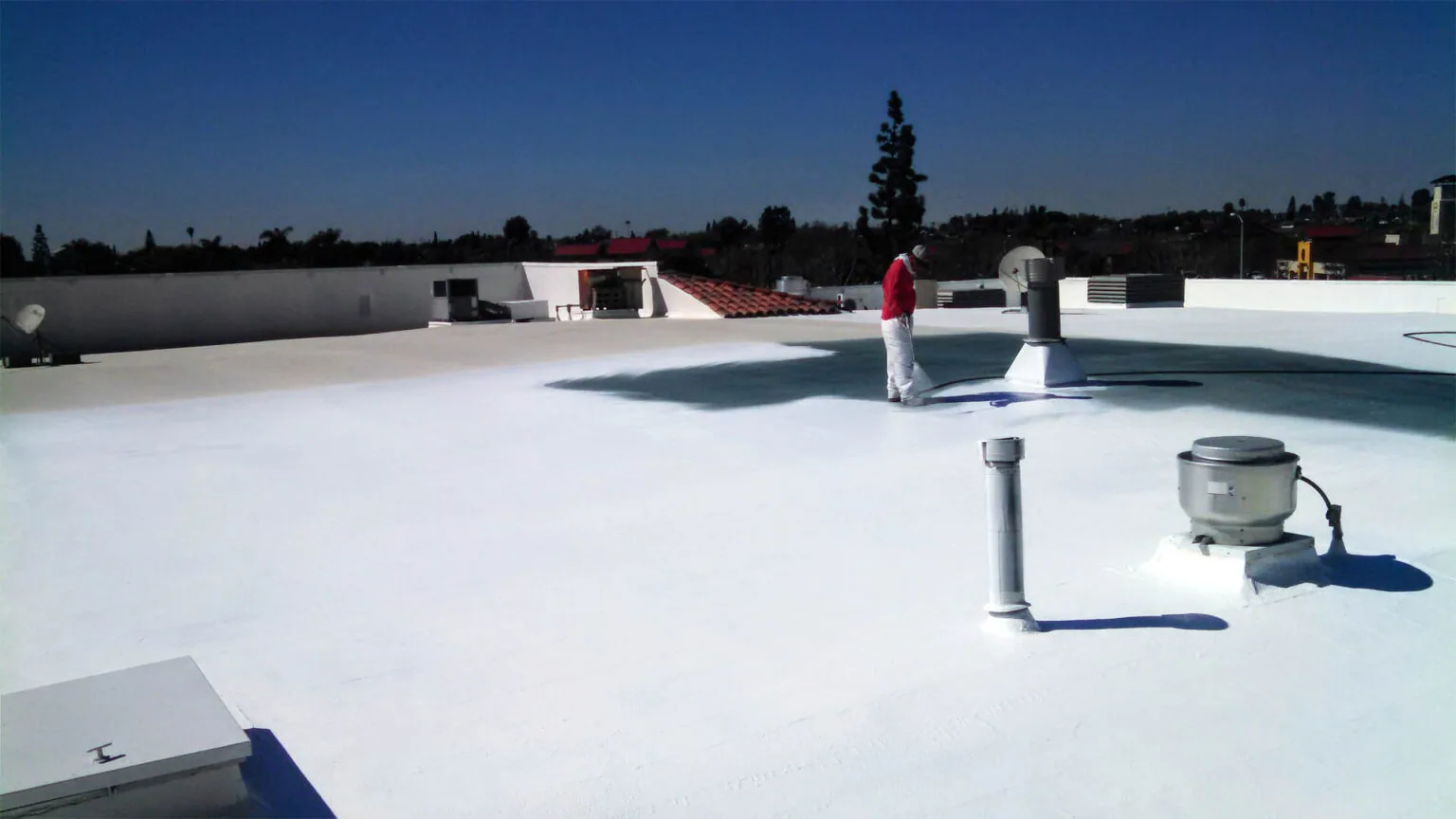
Test the Roof Before Coating
Share the roof plan, coating history, leak notes, and access window. We will check adhesion, drainage, moisture, and flashing, then mark the sections that can be recoated.