Infrared Moisture Survey in Murfreesboro, TN
Use infrared imaging to prioritize commercial roof moisture checks in Murfreesboro. We map thermal patterns and confirm suspect areas before repair decisions.
Infrared Moisture Survey
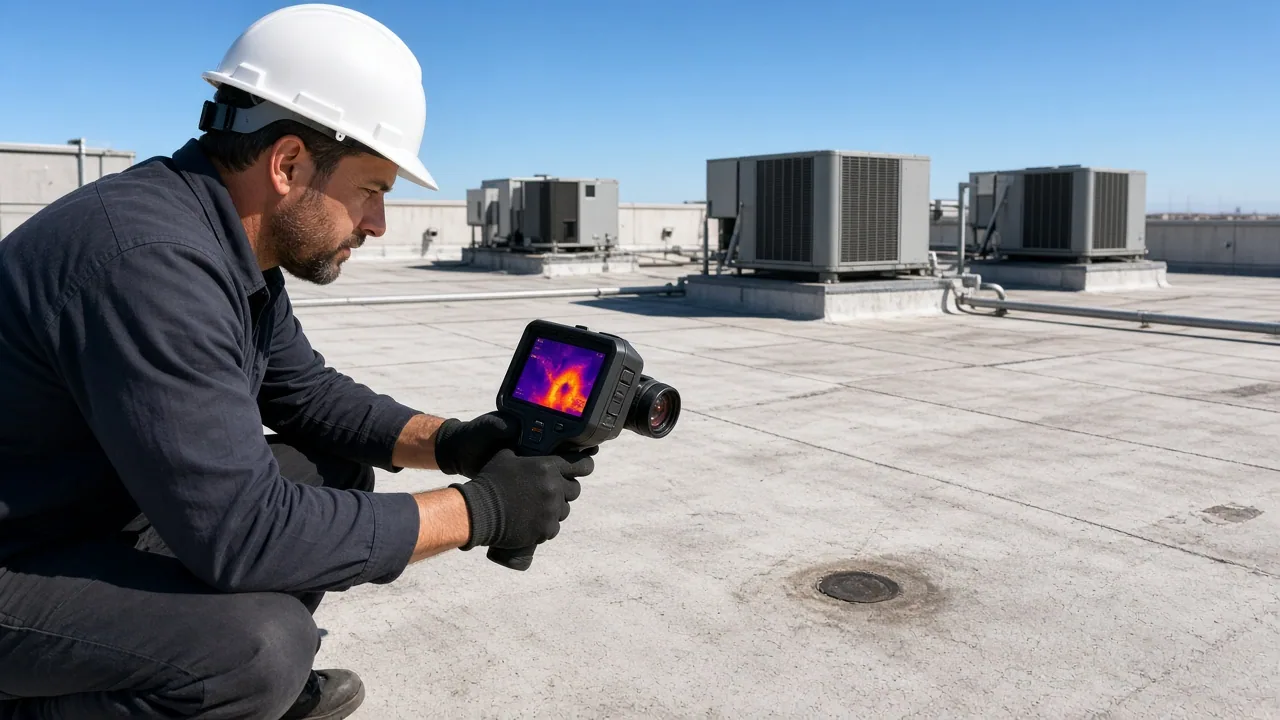
A temperature pattern on a roof can narrow the search, but it does not prove wet insulation. We use infrared imaging to map areas that may need a core or test cut, then record what the sample actually shows. On a wide roof near I-24, that sequence can reduce unnecessary openings and help set a repair boundary. The owner receives a marked plan with confirmed moisture, areas cleared by testing, and locations that still need access.
Set the Survey Conditions
Infrared work depends on the roof and the conditions during the survey. We check whether the surface is dry, whether solar loading has been adequate, and whether wind, cloud cover, or recent rain may affect the temperature pattern. Reflective metal, ballast, rooftop equipment, and shaded areas can change the image. We record those limits so a color difference is not treated as a moisture diagnosis. The roof plan and a site walk help orient the camera to drains, curbs, seams, and previous repairs.
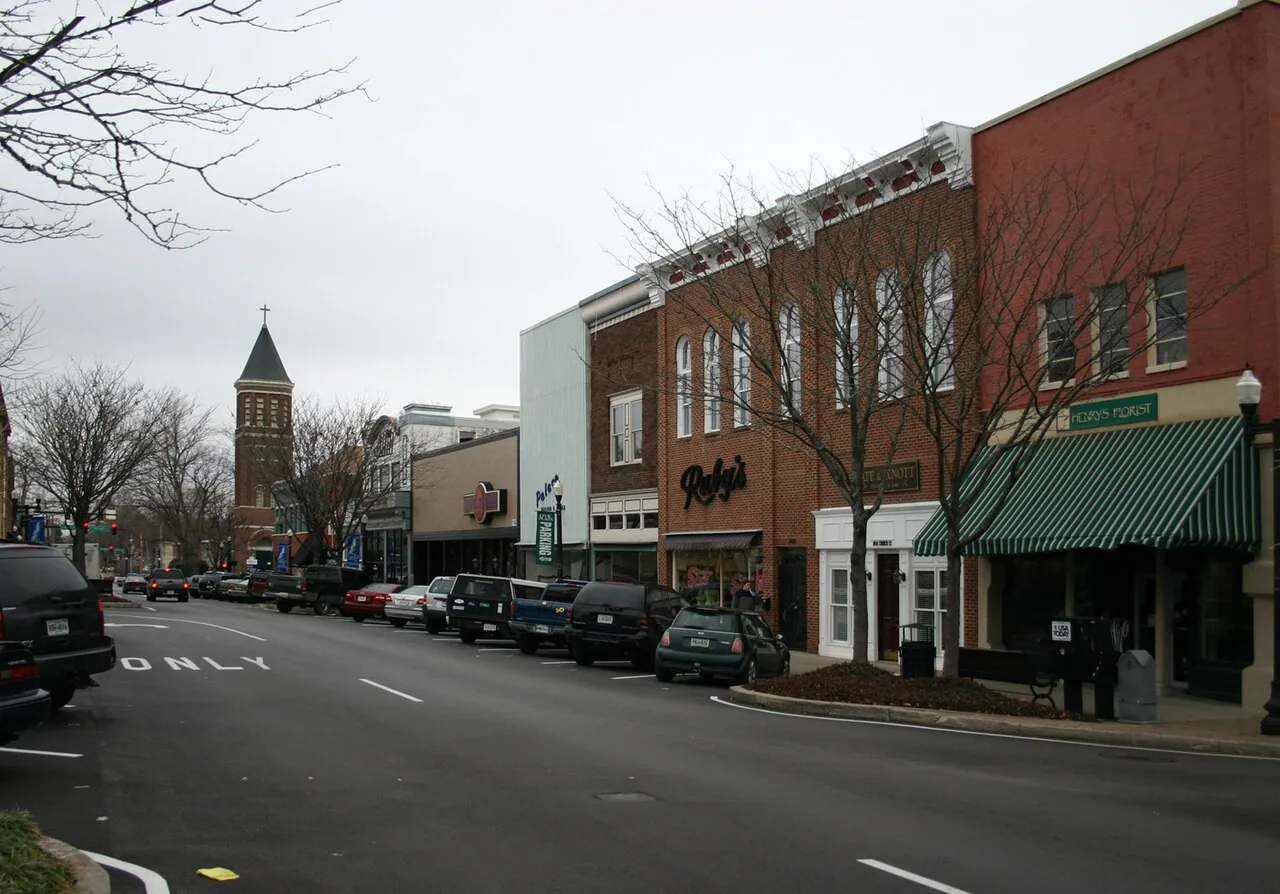
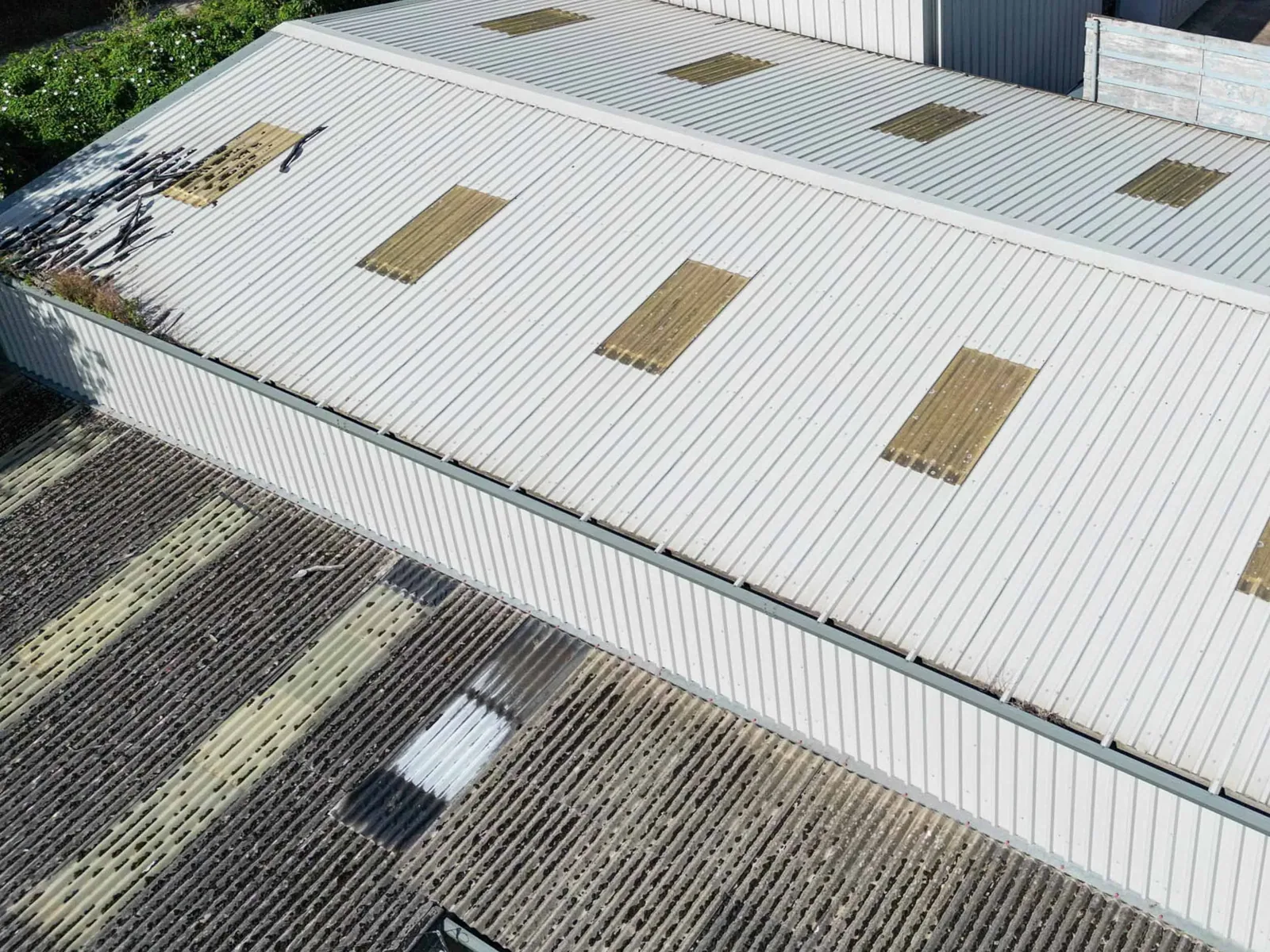
Murfreesboro’s climate normals include substantial annual rainfall, warm summer days, and repeated freezing nights. Those conditions make moisture and drainage checks useful, but the city-wide record does not say what is inside a particular roof. We schedule the survey when the surface conditions support a meaningful comparison, then select test locations with the roof history and visible details in view. We also check whether ballast, coatings, or recent repairs could change surface response. The survey records those areas before interpreting the temperature differences. A marked plan shows where each pattern sits relative to roof drains and penetrations for follow-up testing. A drone roof overview can help map large or restricted sections, while the hands-on inspection identifies accessible seams and penetrations.
Read Patterns, Not Just Colors
The camera records temperature differences across the surface. Wet insulation may retain heat differently from dry material, but metal, shadows, repairs, and the assembly below can also create distinct patterns. We compare the image with roof geometry and field observations before selecting a core location. The survey map labels each suspected zone and its relationship to drains, walls, equipment, and earlier work. A thermal image by itself does not identify the membrane type or prove the deck is sound.
For an office or medical property near Medical Center Parkway, a test opening may need to avoid occupied rooms and active equipment below. A distribution roof may allow a different interior access window, particularly where loading must continue. The city’s plan describes both office/business-park and industrial uses, but we verify actual occupancy and construction with the facility lead. Where a leak is active, our leak investigation should be coordinated with the survey so the visible pattern is checked against the reported water path.
Verify Suspect Areas with a Core
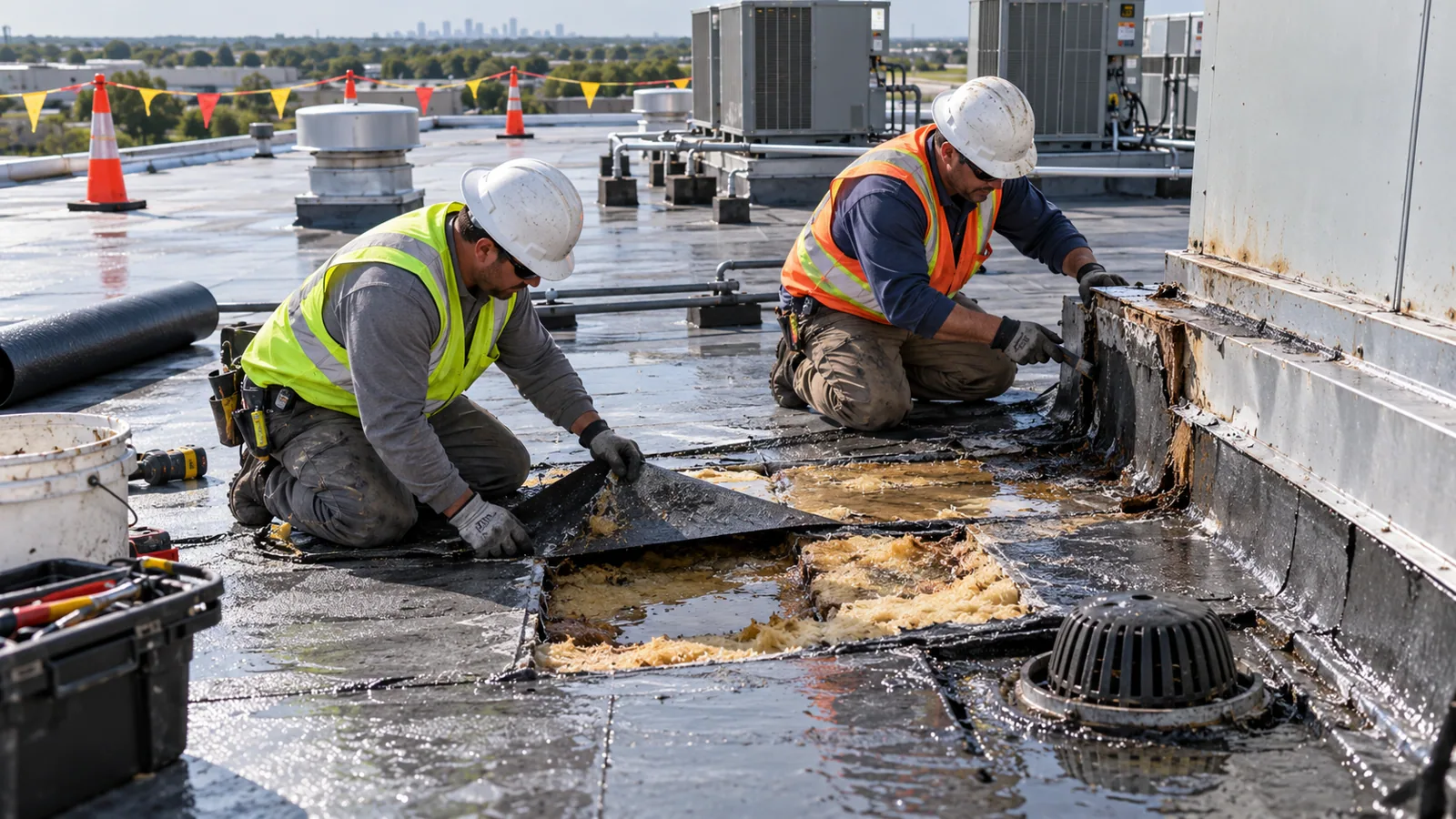
We take a core or test cut at selected locations, inspect the layers, and record whether insulation is wet, compressed, or otherwise damaged. The opening is closed with a compatible repair detail before the crew leaves. If the first sample is dry, we do not extend removal based solely on a nearby image pattern. If the sample confirms moisture, we map the boundary and select additional checks where needed before pricing the removal and replacement.
Each sample location should be accessible and documented. We record the surface material, insulation layers, deck condition, and any water path visible in the opening. A low-slope assembly may hold moisture between layers without a direct ceiling stain, so interior reports remain useful but do not replace testing. The recover decision depends on moisture and deck findings across the proposed overlay area. When samples show broad wet insulation or a compromised deck, we compare removal options with a replacement scope rather than leaving the owner with an unexplained thermal map.
Map Findings by Roof Section
The report groups thermal patterns and test results by roof section. It identifies which locations were sampled, what each sample showed, and where access prevented verification. Dated images are labeled to match the roof plan so the facility team can locate a drain, seam, or curb without guessing. We separate confirmed wet areas from suspect areas that need another test, then provide a repair boundary for pricing. That distinction matters when a roof has multiple additions or different insulation layers.
Along Old Fort Parkway or in downtown Murfreesboro, roof access and interior coordination may affect where a core can be taken. We schedule around the property’s operating window and protect each opening at completion. The report can inform a condition record and a capital plan by separating immediate work from areas to monitor. If hail or wind has affected the roof, the storm-related review should still be based on visible and tested conditions, not color alone.
Choose the Next Roof Action
Confirmed moisture can lead to selective removal, a larger replacement area, or a decision to monitor when the sample is dry and the roof detail remains stable. We explain which layer will be removed, what deck condition was observed, and how the new material ties into the existing roof. If the survey leaves a section unverified, we record that limit and propose the next access or test needed. No repair boundary should be based on a thermal image alone.
The owner can use the marked map to compare later inspections. A roof section that remains dry at test points may still need seam or drain maintenance, while a confirmed wet area needs a corrective scope and a check after the work. We can return to a local route near Old Fort Parkway or downtown Murfreesboro when the site is ready for follow-up access. The next visit should verify the repair and record any new pattern, not repeat the survey without a decision in view. When the roof is part of a portfolio, we keep test locations and labels consistent across the next review. That makes it easier to determine whether a moisture zone expanded, dried, or stayed stable after the corrective work. The facilities team can then tie the result to its maintenance record and schedule the next access window with a clear purpose.
Commercial Roofing Questions
Does a thermal pattern mean the roof is wet?
Not by itself. Surface temperature can change because of insulation moisture, metal, shadows, repairs, or equipment. We confirm a suspected area with a core or test cut and record the material condition.
When should an infrared survey be scheduled?
The roof surface and weather need to support a useful temperature contrast. We review recent rain, cloud cover, wind, solar loading, and surface material before setting the survey window.
Will you make test cuts during the survey?
We select representative locations from the thermal map and roof history, then open and close each sample with a compatible repair detail. The owner sees where the tests were taken and what they showed.
Can infrared imaging find the cause of an active leak?
It may help identify areas for follow-up, but it does not trace water through every layer or locate a leak on its own. We compare the map with the interior report and inspect the roof details around the entry path.
Can this survey tell us whether to recover the roof?
It contributes moisture evidence, but a recover decision also depends on deck condition, existing layers, attachment, drainage, and code scope. We use test results with those field checks before recommending an overlay.
Related Roofing Work
More commercial roofing work connected to Infrared Moisture Survey in Murfreesboro.
Confirm the Thermal Findings
Provide the roof plan, recent leak reports, and the areas that need review. We will set a survey window, map thermal patterns, and confirm suspect locations before pricing removal or repair.