Roof Coating Restoration in Murfreesboro, TN
Restore a sound commercial roof in Murfreesboro with a coating plan based on adhesion, moisture, drainage, repair details, and the application window.
Roof Coating Restoration
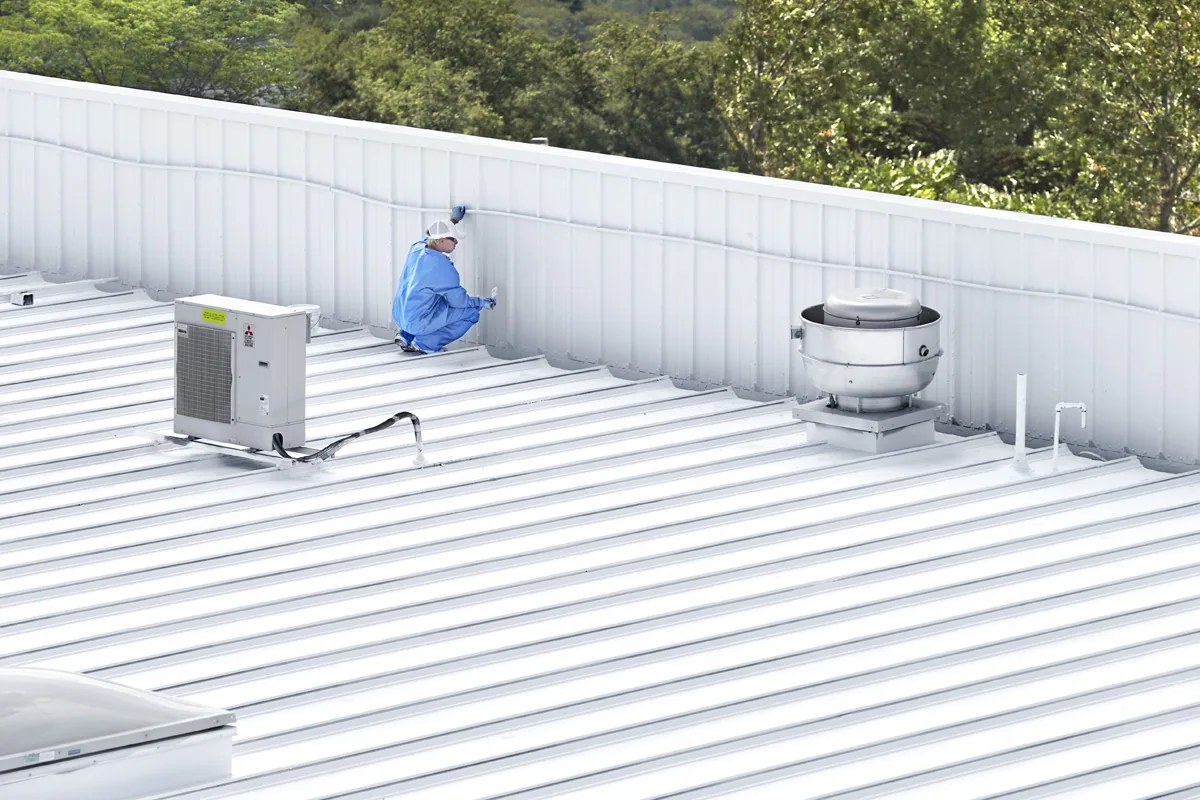
A coating is an option for a roof that can support it, not a shortcut over a wet or loose assembly. We inspect the existing surface, seams, flashings, drains, and deck indicators before discussing restoration. Murfreesboro records about 47.8 days each year at or above 90°F and roughly 89 days with freezing minimums. That range makes surface preparation and application conditions part of the scope. The roof must be clean, dry, and sound enough for the selected system to bond.
Confirm the Surface Before Selecting a System
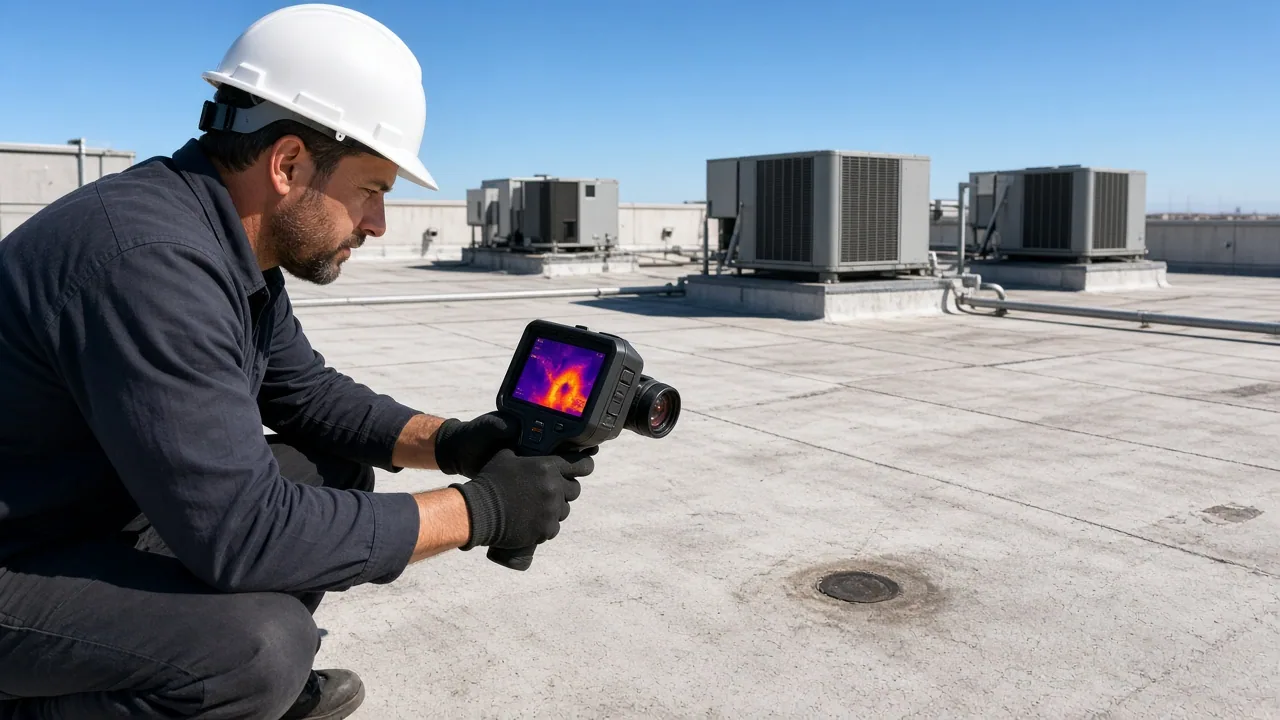
The first question is what the existing roof is made of and how it is holding together. We identify the membrane or metal, record previous coatings, and look for splits, loose seams, blisters, corrosion, exposed fasteners, and soft areas. A coating does not restore wet insulation or correct a deck problem. If the inspection leaves a moisture question, we mark a test area and explain what a core or survey could confirm before the owner approves an application.
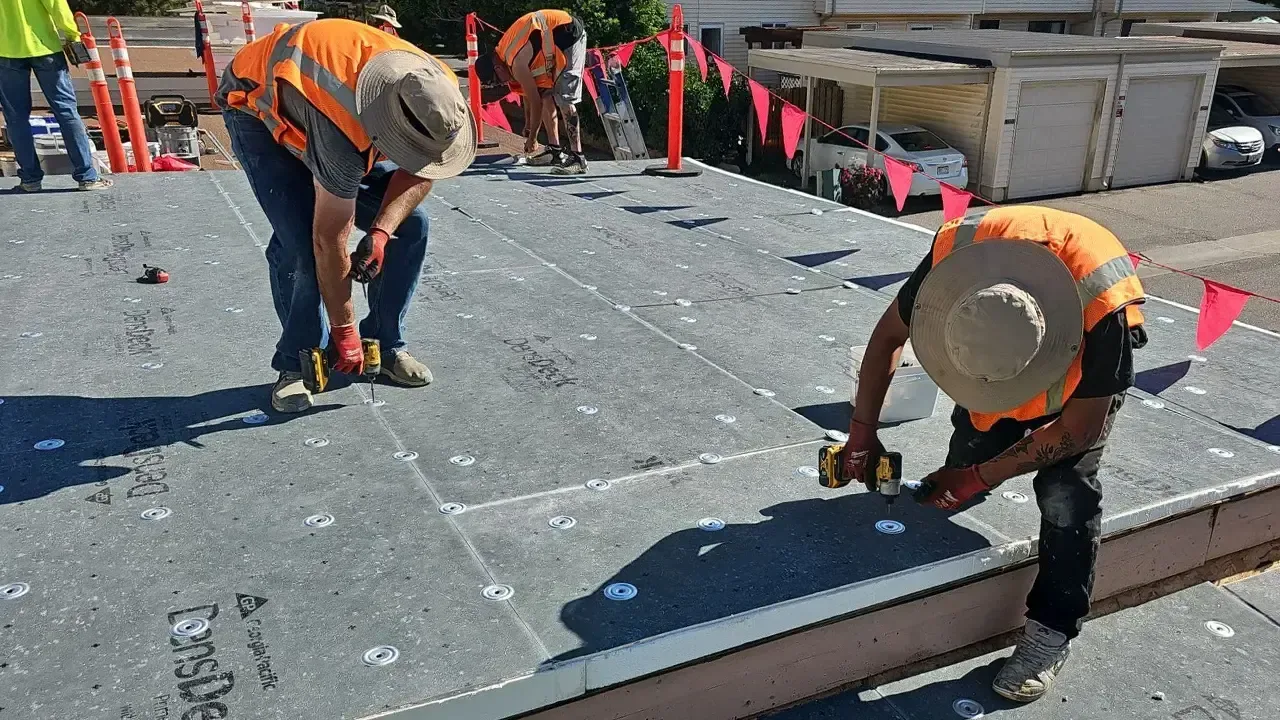
Preparation changes the result. We set out the cleaning method, removal of loose material, repairs to existing seams, and the adhesion check needed for the selected product. A small test patch can show how the coating bonds to a prepared surface, but it does not replace a full inspection of the roof. The inspection record ties those observations to the roof section and records what remains outside the coating boundary.
Some roofs need a localized repair before the coating work can begin. Open flashing, loose edge metal, ponding, or wet areas need their own solution. We define those items separately rather than bury them under a continuous film. A repair scope can close a failed detail, while a silicone system review compares one coating type with the roof's existing material and exposure.
Correct Details That a Film Cannot Fix
Drains and slopes remain active parts of the roof after coating. We inspect outlets, overflows, crickets, and low areas, then mark places where water stands after surrounding sections have dried. The coating specification must maintain clear drainage and avoid blocking strainers or changing the required opening. If the roof plane is depressed, a new surface alone will not create positive slope. The drainage correction scope may need to be resolved before the coating boundary is set.
Murfreesboro's rainfall normals show more than a hundred days with measurable precipitation in a typical year. We plan for a dry substrate and a weather window that lets the system cure as specified. A roof that is still damp, or a surface that is cooling toward freezing, may not be ready for application. We document the surface check and hold work when conditions fall outside the product requirements rather than coat an area that cannot bond properly.
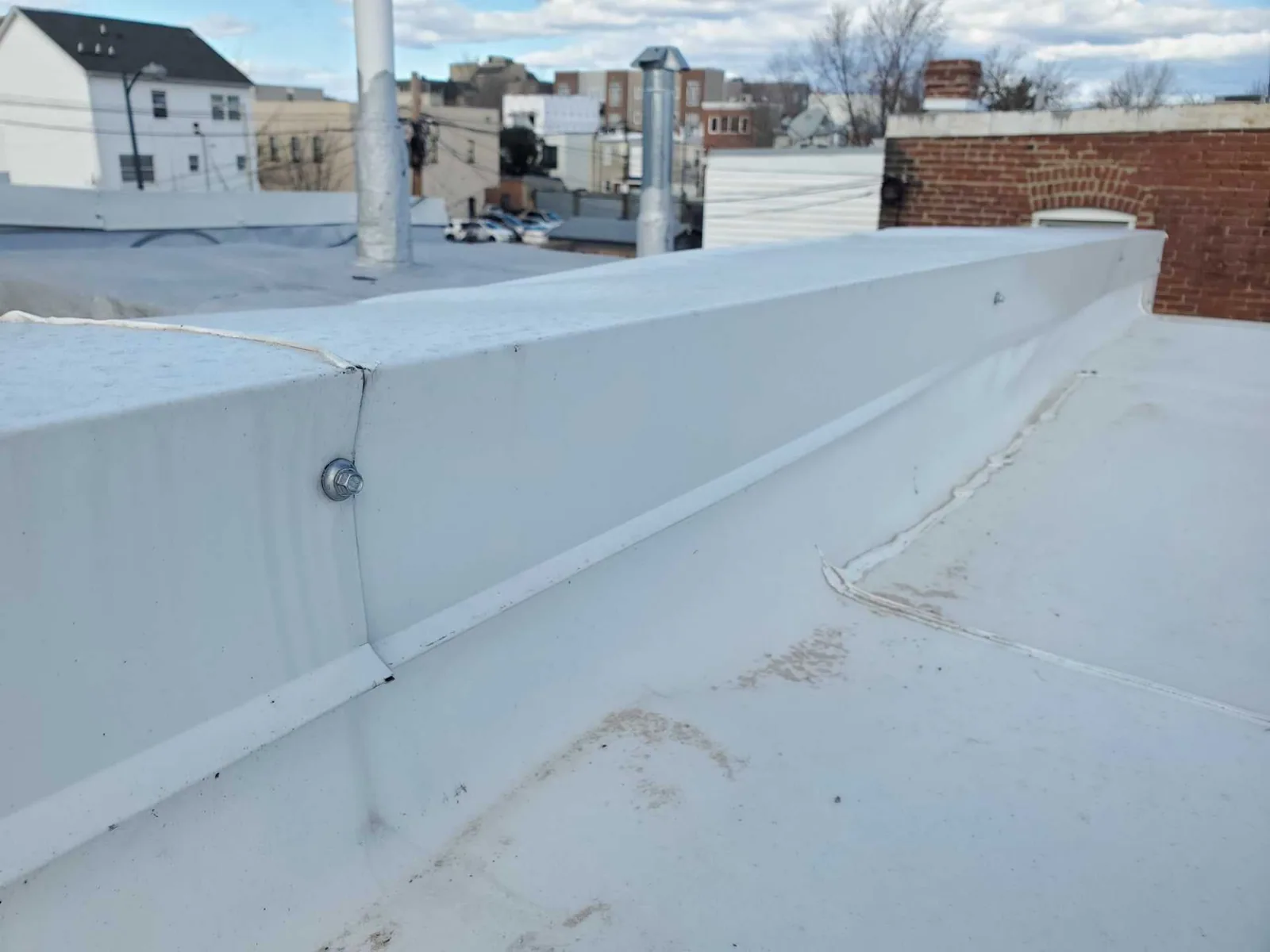
Edges, curbs, wall flashings, and penetrations need compatible tie-ins. We inspect the existing termination and decide whether metal, membrane, or a separate flashing material forms the transition. A coating may protect a prepared detail, but it should not conceal a loose termination or a moving joint. For an edge failure, the coping and edge-metal review identifies metal work that needs completion before the field application reaches that boundary.
Set a Work Area and Cure Window
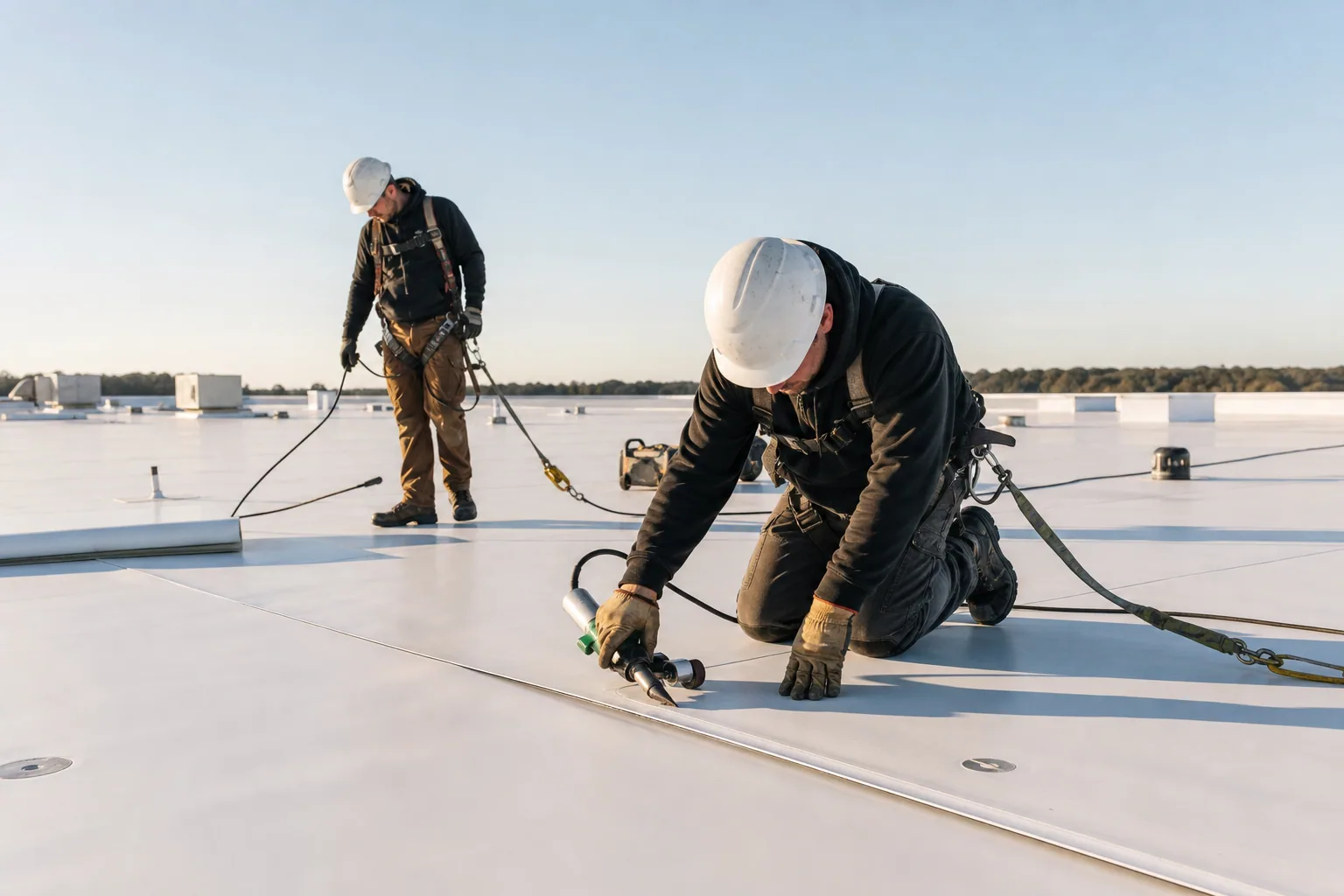
Application planning starts with roof access and the area the crew can prepare and coat within a shift. We confirm staging, lift location, water access for cleaning, protection below, and the route another trade may need. The application sequence follows the roof plan so the crew does not coat across an opening that remains under repair. At each break, the edge of the completed work gets a deliberate tie-in instead of an exposed stop that another shift must guess how to continue.
Weather holds affect both preparation and application. Murfreesboro's station normals indicate warm periods and regular freezing nights, while rainfall creates additional dry-time requirements. We review the forecast and product limitations before setting the daily area. A planned transportation project from Old Fort Parkway to Veterans Parkway can also make the site contact's delivery window worth confirming; the project plan does not tell us current access at an individual property. We verify the actual route and staging space with the owner.
The final system depends on substrate condition, reinforcement needs, and the manufacturer's application details. We state the selected product type, surface preparation, repair work, and areas excluded from the coating. A maintenance visit after restoration can check seams and drains without treating the coating as a reason to stop inspecting. The Old Fort Parkway work area still needs its own access plan and repair record.
Compare Restoration With Recover or Replacement
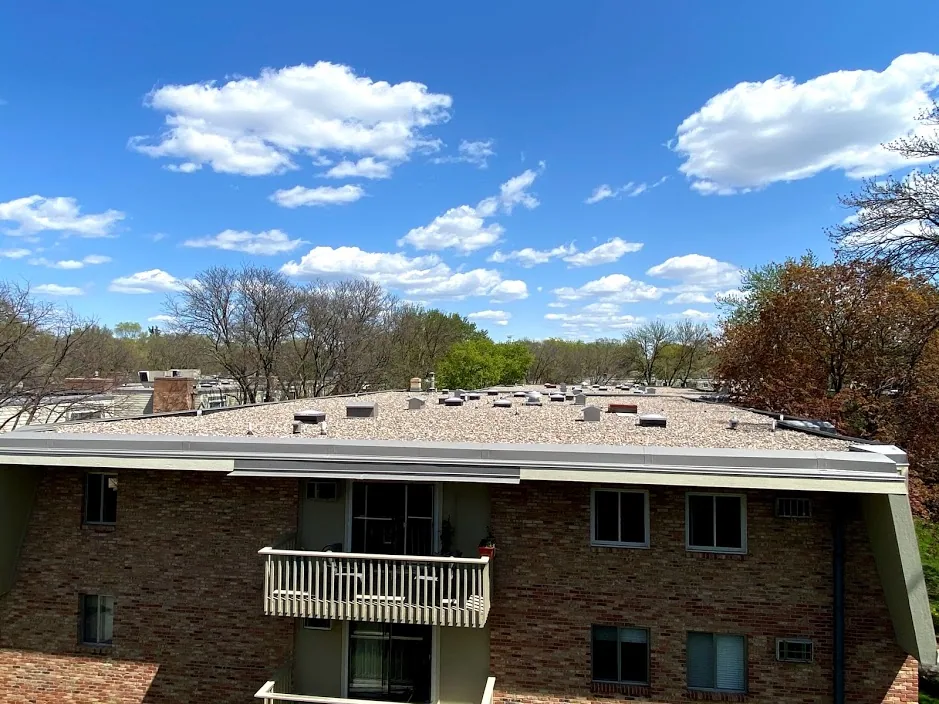
Coating can be considered when the roof remains structurally sound, dry, attached, and compatible with the specified system. A recover may fit when the current layers can remain and the added assembly meets project requirements. Replacement is a better discussion when moisture, attachment, deck, or drainage problems extend beyond isolated repairs. We compare these options using the roof walk, test findings, and the owner's timing rather than assuming restoration is the lowest-risk choice.
Cost and schedule depend on the roof area, cleaning and preparation, repair depth, reinforcement, curbs and penetrations, edge details, staging, and the number of application passes. If wet insulation or unstable material appears during preparation, we stop at the affected zone and show the condition before expanding the work. For broad roof information, a condition report can separate immediate repair from restoration and future capital work.
Some owners are comparing coating with another system after a major repair cycle. The decision should account for remaining serviceable layers, attachment, drainage, and how the roof will be maintained afterward. A second coating-system review can make that comparison, while a Medical Center Parkway project may have separate tenant and equipment access needs that change application phasing.
Record What the Coating Does and Does Not Cover
Closeout records identify the areas prepared, repaired, coated, and excluded. We include photos of the substrate before coverage, the finished surface, tie-ins, drains, and any open condition that needs another trade. The owner can then compare the work to the agreed scope and see where a future inspection should begin. A photo set without roof-section labels is difficult to use when a leak is reported months later.
After cure, the facility contact should know which surfaces can receive foot traffic, where equipment service requires protection, and how to report a new issue. We record any maintenance instructions tied to the system and record the next review point. A drain and overflow check can be part of routine follow-up, but the owner should still watch for blocked outlets, new penetrations, or movement at edge details.
To evaluate restoration, share the existing assembly if known, repair history, roof plan, current leaks, and access constraints. We inspect the roof and identify whether coating is appropriate, what preparation is needed, and what unresolved conditions could change the scope. The written plan gives the owner a workable choice, with the coating boundary and the other roof work kept distinct.
Commercial Roofing Questions
Can a coating go over a roof that has a leak?
Only after the leak cause and surrounding assembly are assessed. We repair failed details and check for wet materials first. A coating is considered when the prepared surface can support the system.
Does the coating fix ponding water?
No. The roof slope, drains, and low areas need evaluation before application. If the deck or insulation is depressed, that correction must be scoped separately from the coating.
What determines whether the coating will adhere?
The existing surface, prior treatments, cleaning, repair condition, and compatibility all matter. We document preparation and can use a test area where the substrate or bond remains uncertain.
How do you schedule application around Murfreesboro weather?
We check the surface and forecast against the product's temperature, moisture, and cure limits. Rain or freezing conditions can shift the work window, so the planned area is set only when it can be prepared and closed properly.
What if the crew finds wet insulation during preparation?
We stop at that section, document the extent, and review removal or repair as a separate scope. The owner approves the revised boundary before coating covers the area.
Related Roofing Work
More commercial roofing work connected to Roof Coating Restoration in Murfreesboro.
Check the Existing Roof Before Coating
Share the roof assembly, repair history, leak locations, and access window. We will inspect the substrate and details, then outline a coating scope or the repairs needed before restoration.