
Church Roofing in Murfreesboro, TN
Church roof repair and replacement in Murfreesboro. We plan around worship times, school use, drainage, and safe access for members and staff.
Church Roofing
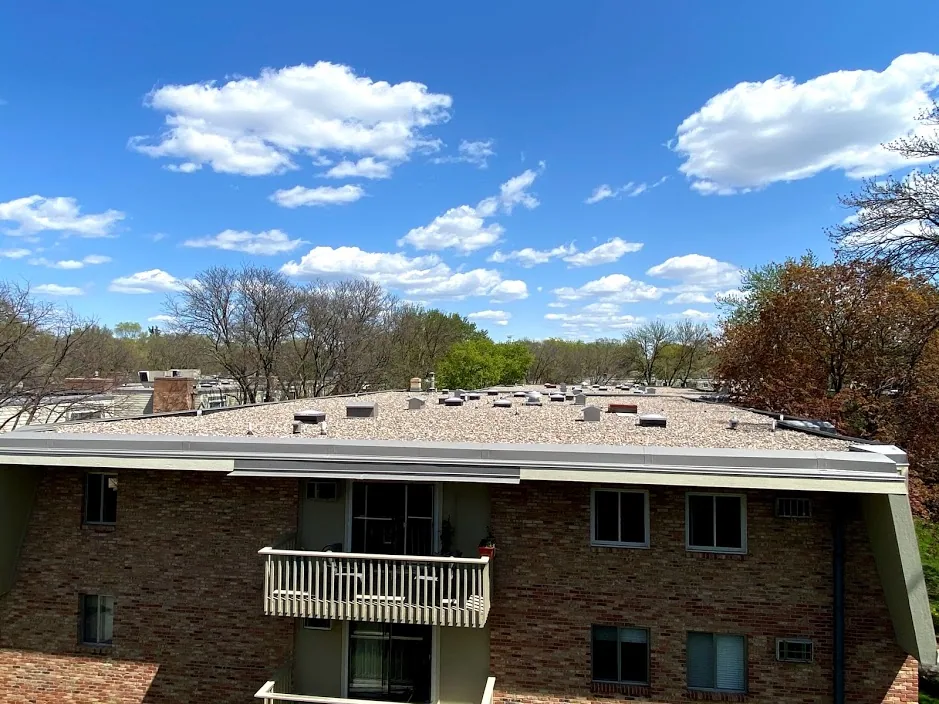
A worship building can have a sanctuary, classroom wing, kitchen, and fellowship hall under roof sections built at different times. In Murfreesboro, TN, we map the leak report to the room and the roof above it before setting a repair boundary. We check access around services, school hours, deliveries, and entrances that must remain clear. A ceiling stain may sit below a seam or curb some distance away, so the roof walk follows the water path before material is opened.
Downtown Murfreesboro includes the East Main Street Historic District within a mix of civic, residential, school, commercial, and open-space uses. That neighborhood context makes access and staging a property-level decision, not a reason to assume a church roof assembly. We verify the actual membrane, edge details, and drainage. Public-building roof work and occupied-building phasing also depend on protecting entrances while the crew closes each section.
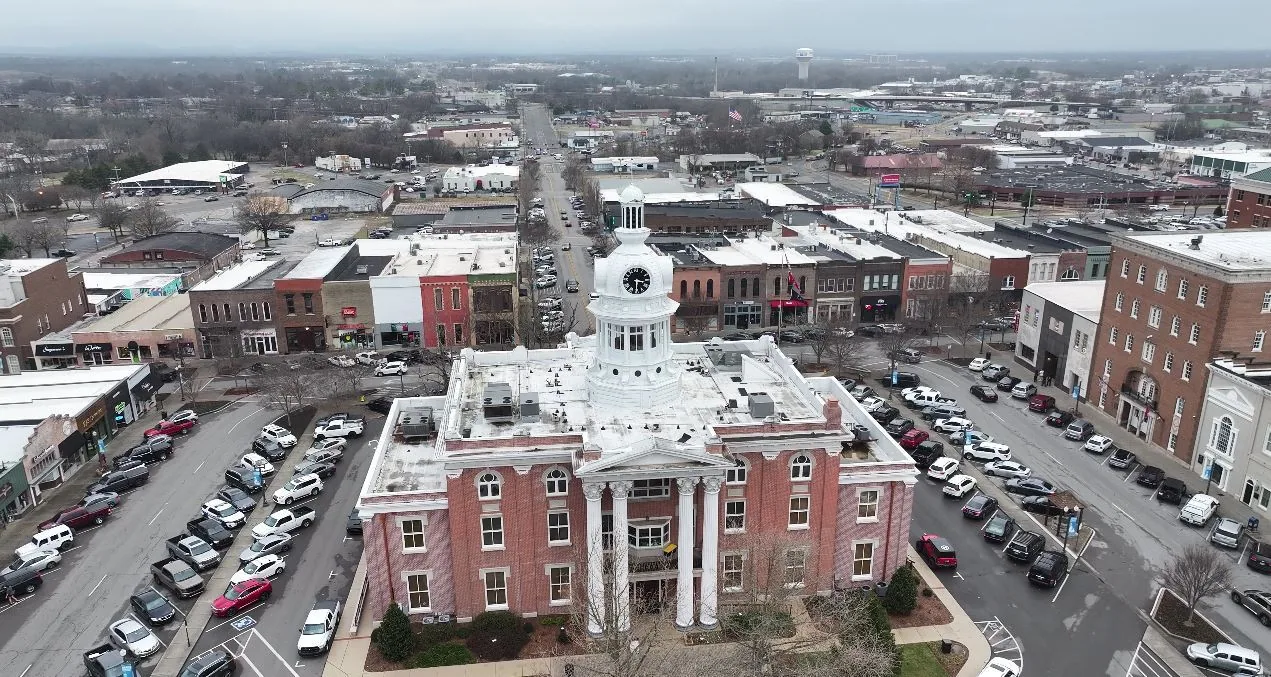
Separate the Sanctuary from Later Additions
A sanctuary roof may meet lower classrooms, offices, a kitchen exhaust curb, or a covered entry at several transitions. We check the field membrane, attachment, insulation, deck, parapet edges, and the seam where additions meet. If a roof has multiple systems, we label each section before selecting repair material. A heat-welded sheet, adhered membrane, standing-seam panel, coating, and asphaltic assembly need different preparation. Test cuts show whether concealed insulation is wet and where sound material begins.
Old patches can hide more than one repair generation. We photograph them, record the surface condition, and check whether the current lap bonds to the material below. The goal is a repair that closes the actual opening without extending a coating or patch over an incompatible surface. For a known TPO field, TPO seam repair starts with compatible material and a clean weld area. A cover-board inspection records what moisture or compression has changed under the membrane.
Trace Water from the Room to the Roof
Water over a choir room, nursery, or kitchen can follow a deck flute before it appears at the ceiling. We begin with the date, room, and conditions when the leak appeared, then inspect uphill from that point through seams, curbs, pipe flashings, skylights, drains, and wall transitions. We separate active water entry from condensation, plumbing, or mechanical causes before placing a roof cut. If the path is not visible, thermal scanning can identify a test area; a core or cut confirms the assembly.
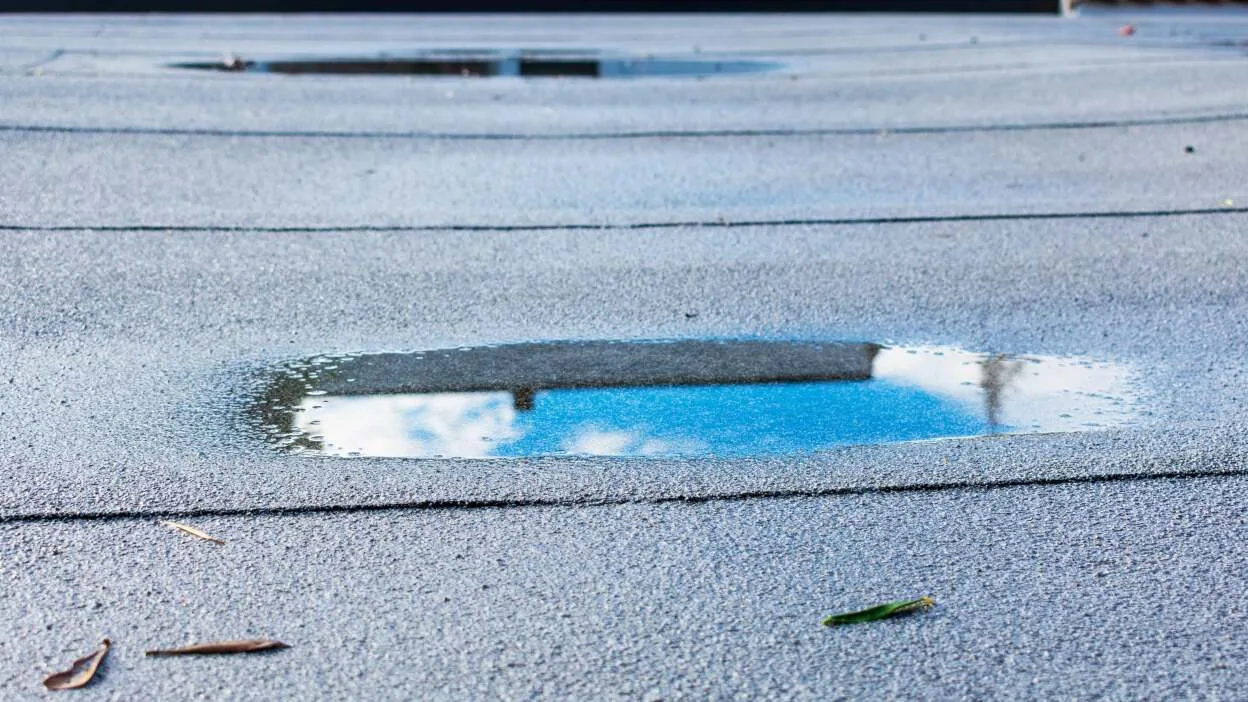
A typical year near Murfreesboro brings 55.92 inches of precipitation over 134.5 measurable-rain days. We use that rhythm to set drain and scupper checks in a church maintenance log. We inspect drain bowls, scuppers, overflow paths, and low areas that hold water after a storm. Ponding-water repair follows a confirmed slope or outlet issue, while drain and scupper work addresses a damaged component. Clearing a bowl will not correct a membrane opening at a nearby curb.
Schedule Around Worship and Community Use
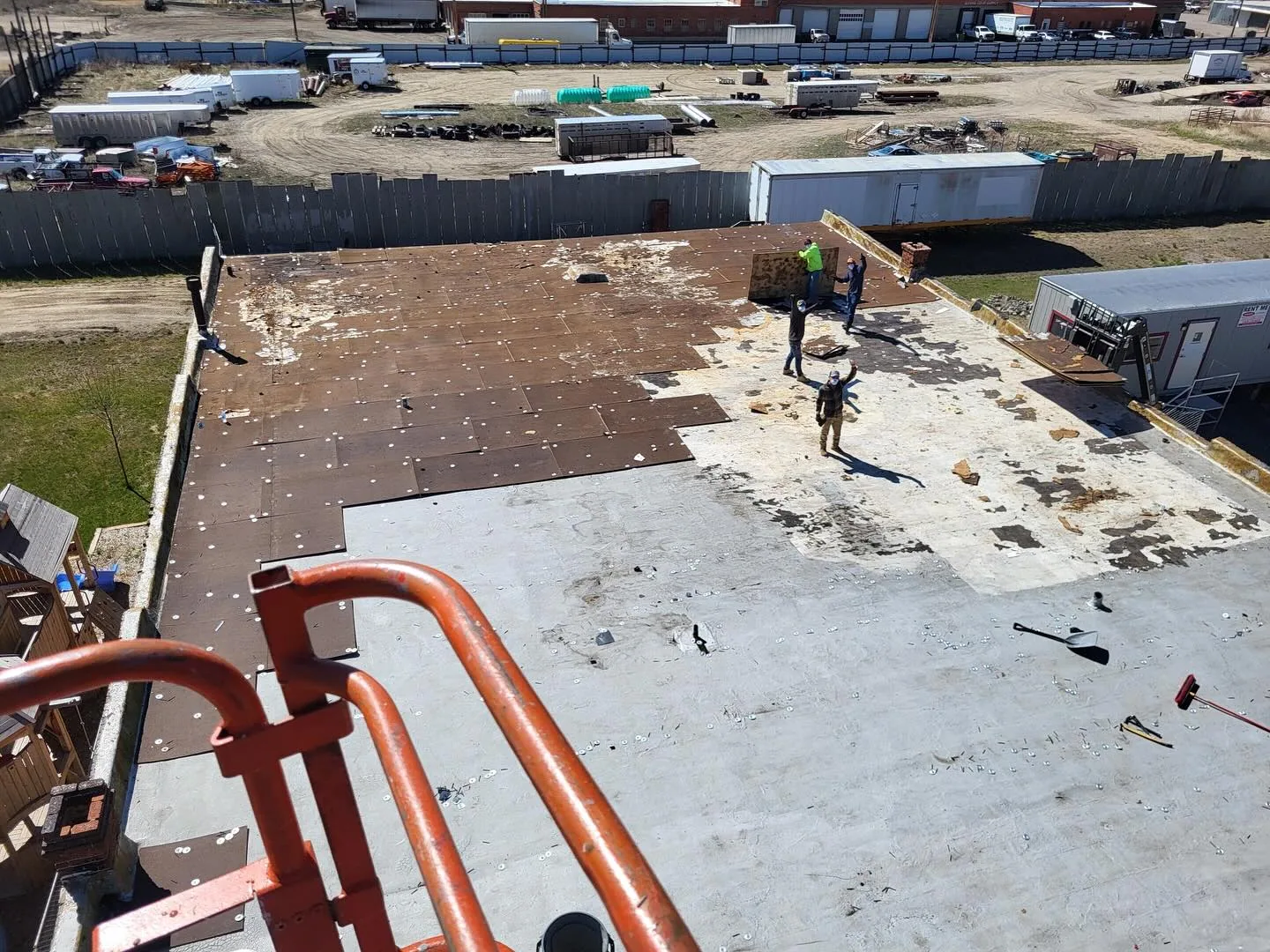
Work above a sanctuary may overlap worship, rehearsals, childcare, food service, or community meetings. The church contact identifies the calendar, entrances, accessible paths, and rooms that must remain in service. We set the lift location and ground-level exclusion area before materials arrive. Noise-producing removal gets a defined window, and the open roof area stays within what the crew can dry in before the shift ends. If the weather changes, the crew stops at the planned boundary rather than leaving a larger opening.
Historic Bottoms sits west of Broad Street in the downtown redevelopment area connected with Town Creek and public walkways. A nearby city district does not establish the access condition at a congregation, but it reinforces the need to confirm pedestrian routes at the actual property. We separate member parking from debris movement, protect doors below the roof edge, and name a person who can release the next section. A phased replacement can keep the work sequence visible when a single mobilization cannot cover every wing.
Inspect the Roof After Hail or Wind
Hail and wind leave different marks. We look for punctures, displaced edge metal, split flashing, loose panels, and seam movement, then compare the affected areas with dated photos or prior maintenance records. Murfreesboro had a one-inch hail observation seven miles south on May 8, 2024. A separate NWS assessment documented a tornado in July; neither regional report establishes that a church roof was struck. Those events are local context, not proof that a church roof was struck. The building's actual surface and deck determine whether repair is needed.
For a new leak during a storm, we protect the interior and document the temporary dry-in boundary. Permanent work follows after the roof is safe to inspect. We identify the materials, test locations, and repair limits in a written scope. Wind-damage inspection can distinguish a lifted edge from a failure at a curb. If a congregation is planning a broader budget, a photo condition record keeps current findings separate from areas that remain inaccessible.
Compare Repair, Recover, and Replacement
A localized repair can be appropriate when the field around the opening remains attached, the insulation is dry, and the deck supports the detail. Multiple wet test cuts, repeated seam separation, or widespread loss of attachment may point to a larger section. We show what was inspected, what was removed, and what remains unverified. A recover adds a layer and height, so we check drains, parapets, curb elevations, roof edges, and existing attachment before comparing it with replacement.
Budget decisions should separate urgent water control from future roof phases. The East Main Street Historic District has a downtown mix of uses and neighboring occupied blocks; a church building in that setting still needs its own roof and access review. We do not infer age or construction from the district name. A campus roof scope can illustrate how multiple wings are divided, while a roof capital schedule can sort immediate repairs from later sections without masking a current leak.
Leave a Record the Trustees Can Use
Closeout photos should identify the roof section, repair edge, completed seam or flashing, and any follow-up item. We label each image to a plan, record the material and surface preparation, and record test results. If we could not enter an area or inspect beneath an equipment base, that limit stays in the record. A facility manager or trustee can then match the roof work to a room report and decide whether another trade needs to return.
Send the roof plan, affected rooms, worship calendar, prior repair records, and the entrances that must stay open. We map the repair to the roof plan, then give the trustees a scope for the section, protection, and weather closure. Commercial roofing near the East Main Street Historic District still starts with the property's access route and observed condition. Dated photos keep the handback tied to the roof rather than a general record that the leak is fixed.
Commercial Roofing Questions
Can roof work stay clear of Sunday services?
Yes, when the roof section and lift route can be isolated within a planned window. We confirm worship and event times, protect entrances below, and close the exposed area before the building opens for its next use.
How do you locate a leak over a sanctuary?
We match the room report to the roof plan, then inspect seams, drains, curbs, and transitions uphill from the stain. A test cut confirms wet insulation when the water path remains concealed.
Can a church repair one wing without replacing the whole roof?
Often, if the adjacent membrane remains attached, the deck is sound, and the test area stays dry. We mark the repair limit and explain which other sections were not opened or confirmed.
What happens if removal finds wet insulation?
The crew stops at the agreed boundary, photographs the exposed layers, and measures the affected area. We return a change scope for review before extending removal beyond the section the church released.
What should trustees receive at closeout?
The file should include roof-section photos, repaired details, materials, test results, and open items. We label the images so a trustee or facilities contact can connect the work to the room report.
Related Roofing Work
More commercial roofing work connected to Church Roofing in Murfreesboro.

Schedule a Roof Walk Around the Building Calendar
Share the room report, roof plan, worship schedule, and access limits. We will inspect the assembly and return a written scope with the repair boundary and work window.