Commercial Roof Capital Planning in Murfreesboro, TN
Set commercial roof priorities from field condition, access, and repair history in Murfreesboro. We separate near-term work from replacement planning.
Commercial Roof Capital Planning
Replacement dates on a spreadsheet do not tell you whether a roof can wait another budget cycle. In Murfreesboro, TN, we inspect the assembly, moisture, attachment, drainage, and repair history before assigning a project horizon. A roof with one failed curb can stay in service after a defined repair; another with wet insulation across several sections may need a larger scope. The plan should show what we observed, what remains uncertain, and what the next investigation would settle.
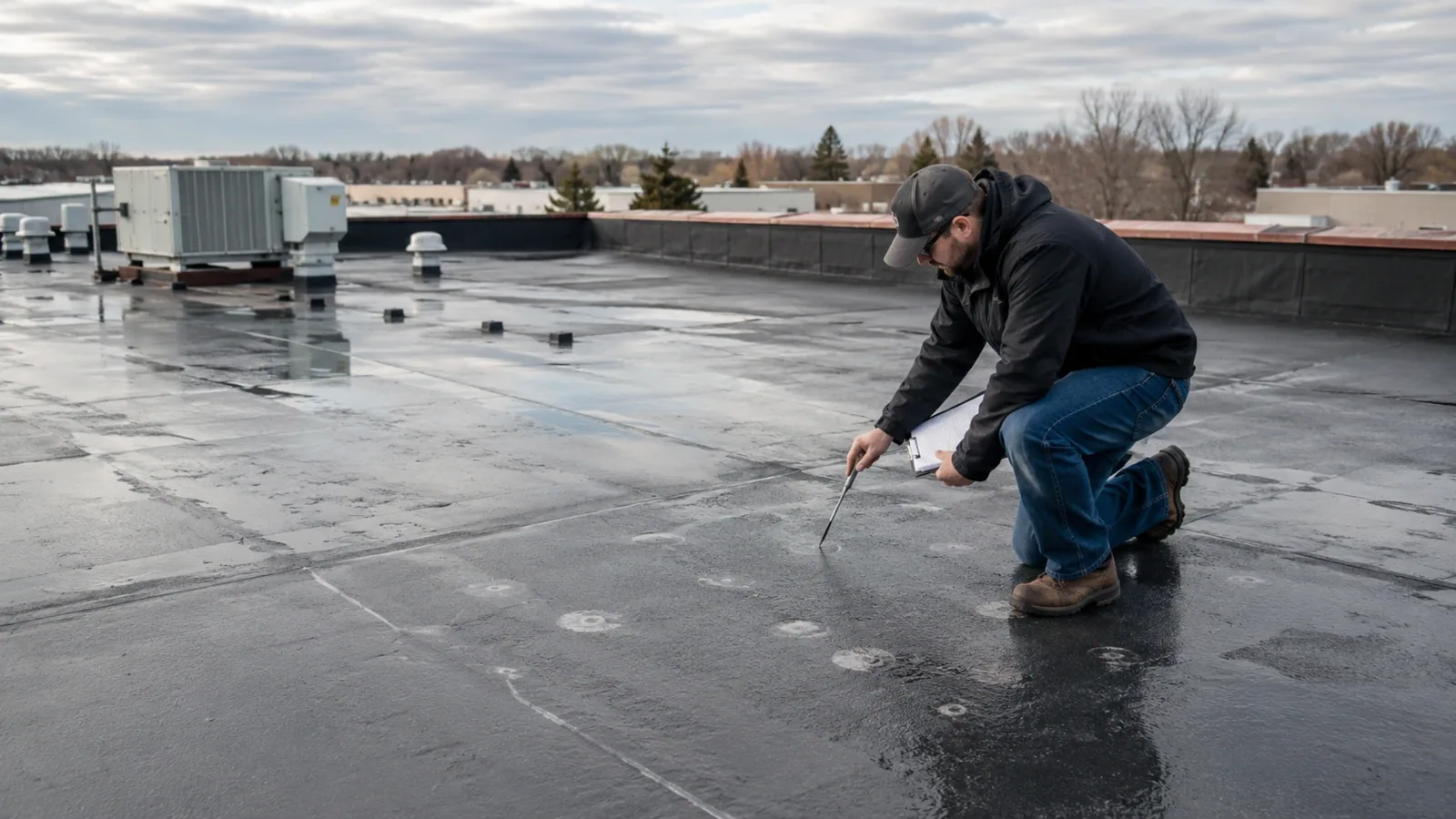
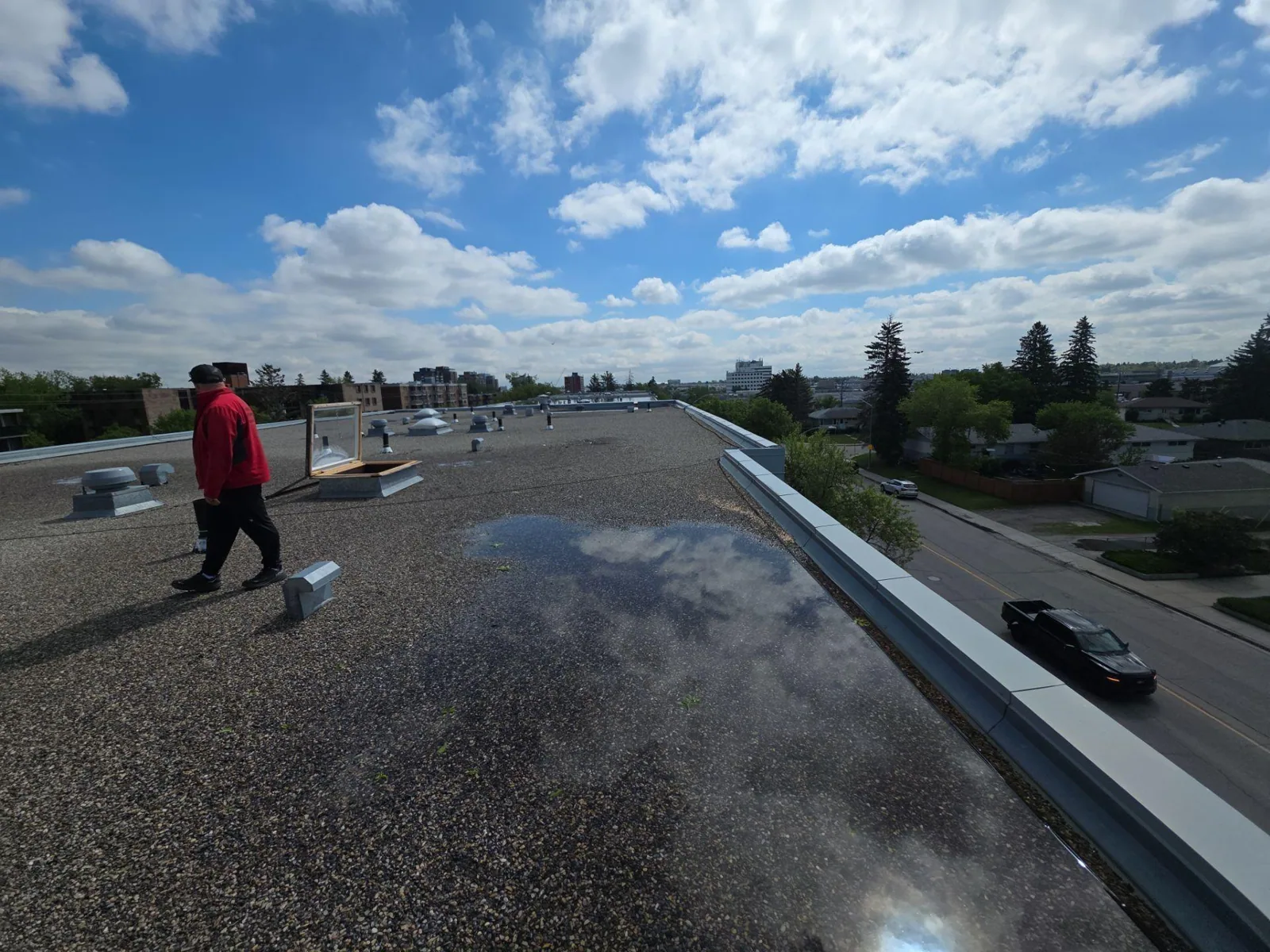
We walk the roof with the facilities contact, mark sections on a plan, and compare the findings with prior work orders. That gives finance and operations a useful sequence: urgent water control, targeted repair, testing, or replacement design. Murfreesboro's rainfall normals make drainage worth tracking, while hail reports near the city are a reason to inspect after a reported event. Neither record proves a defect on a specific building.
Separate the Immediate Work
Start with conditions that threaten interior operations. Active water entry, a split transition, loose edge metal, or a blocked primary drain can require prompt correction before a capital project is ready. We isolate that repair, define its boundary, and photograph the work. The plan then carries forward the roof areas not addressed, so an emergency patch does not disappear into a generic annual maintenance line.
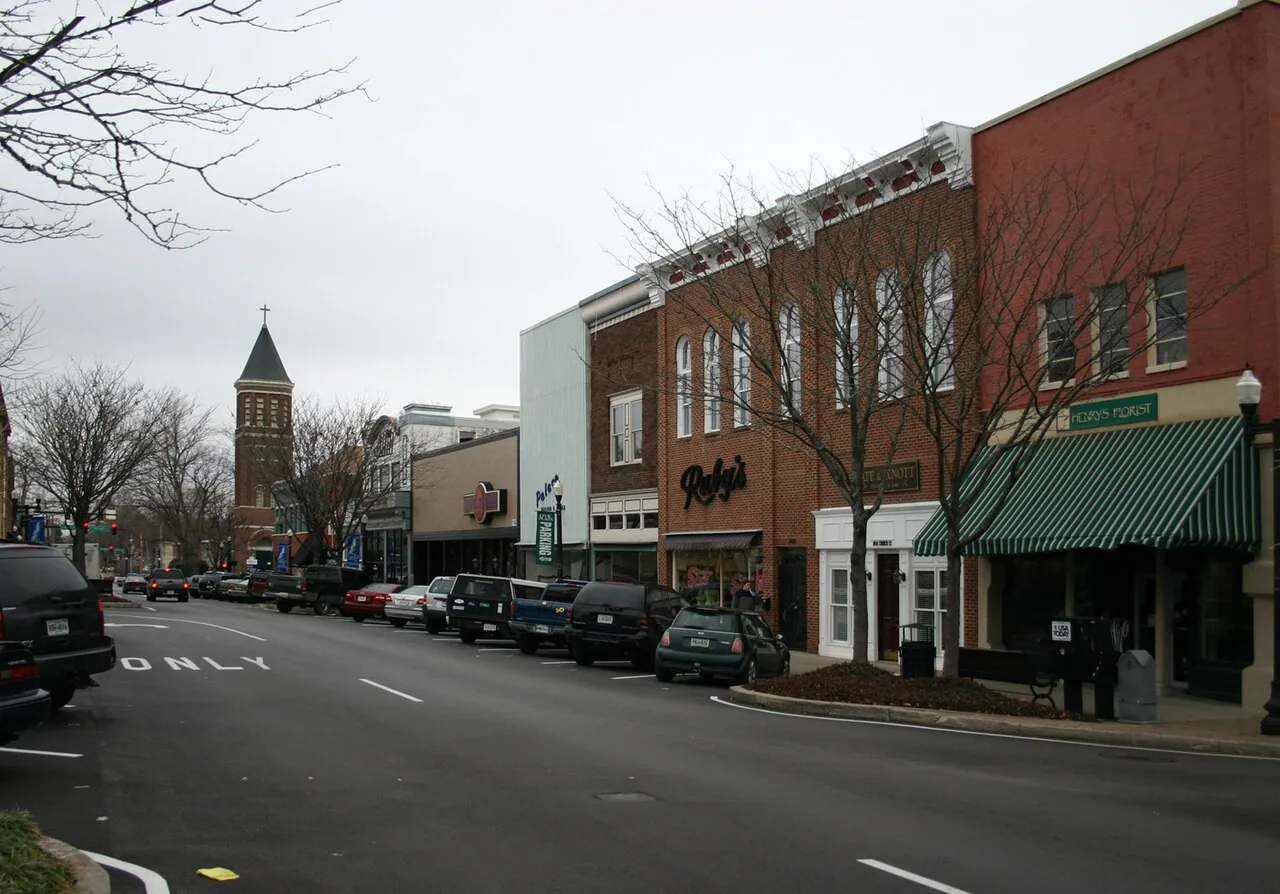
At a property near Medical Center Parkway, occupied medical or office uses can make access and noise timing part of the sequence. The city approved widening on the corridor between Thompson Lane and the Fountains at Gateway, underscoring why delivery routes and entrance timing should be confirmed for the actual site. We do not infer a building condition from the road project. The roof walk confirms which sections can be isolated while operations continue. Emergency repair handles immediate exposure, while a inspection records sets the next decision.
Compare Repair, Recover, and Replacement
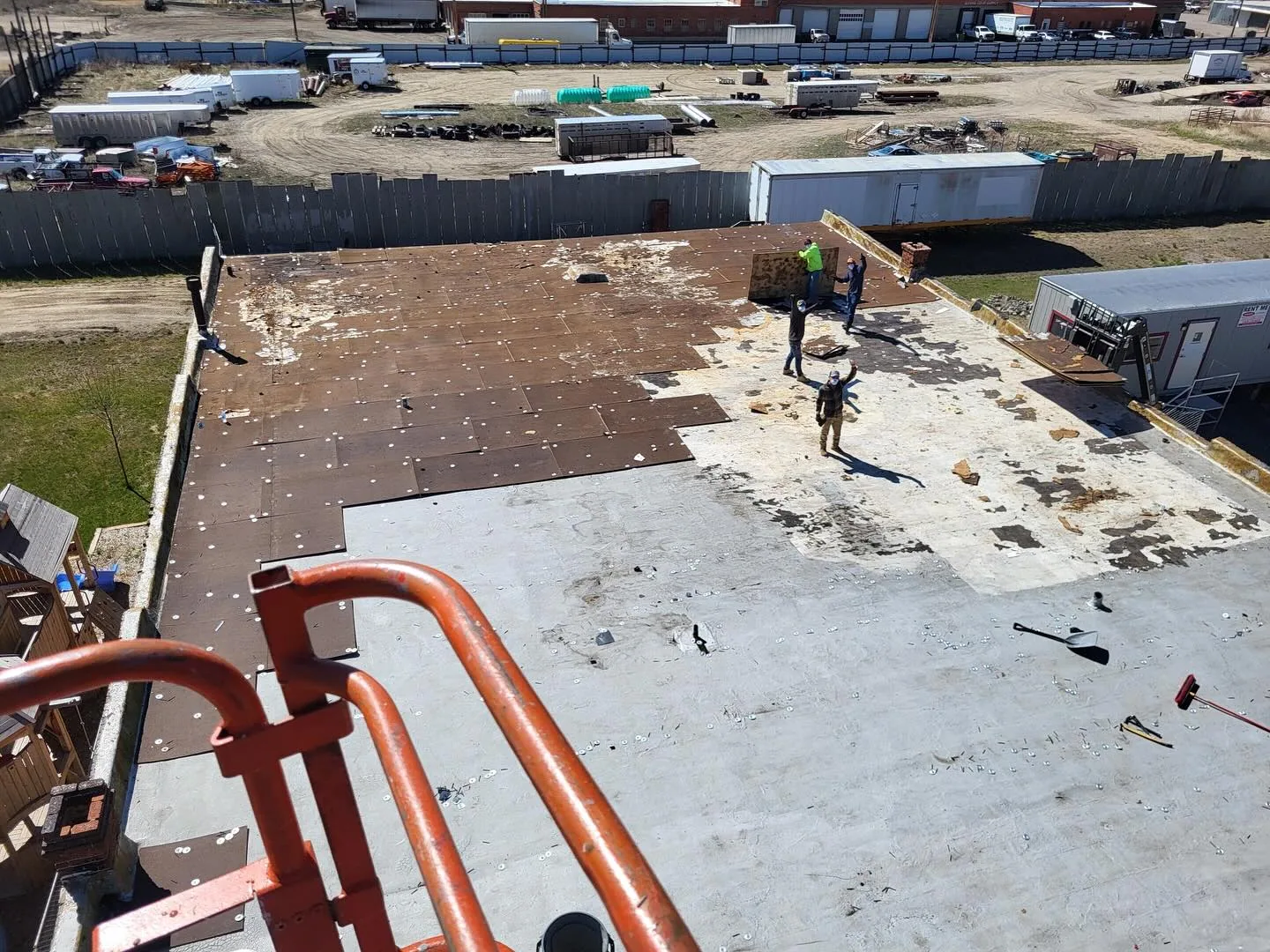
A capital choice depends on the roof beneath the visible surface. We check seam and flashing condition, attachment, insulation moisture, deck response, drain elevations, and the number of prior repair boundaries. A local repair can be the right scope when defects are isolated and surrounding material remains sound. A recover can fit when the existing assembly is dry enough, secure, compatible, and able to maintain proper height at drains and walls. Replacement gives direct access to the deck when those checks fail.
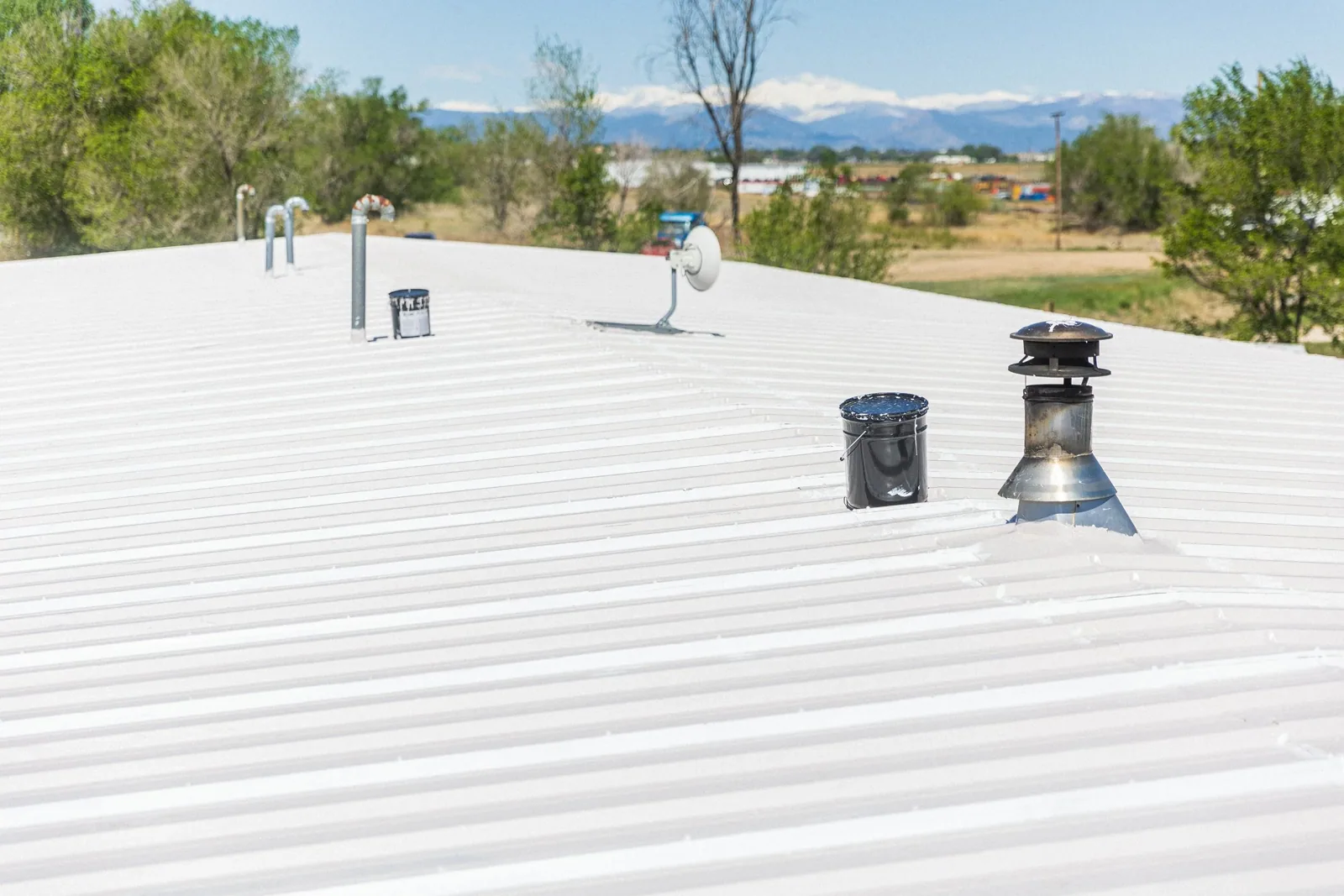
We lay out the conditions supporting each option rather than assigning a life span from appearance alone. A recover review may include test cuts and fastening checks; replacement planning includes tear-off, disposal, substrate repairs, tie-ins, and temporary protection. When roof sections use different materials, compare them separately, such as a membrane area beside standing-seam metal. The estimate identifies which assumptions could change after opening the assembly.
Cost also follows the conditions the crew must correct before installing the finished roof. Wet insulation removal, deck replacement, curb extensions, metal edge work, temporary protection, lift access, and night or weekend loading can move the scope. We mark those items separately instead of hiding them in one roof-area allowance. The owner can then compare a targeted repair against a larger project using the same assumptions about staging, disposal, and protection.
Build a Sequence the Building Can Absorb
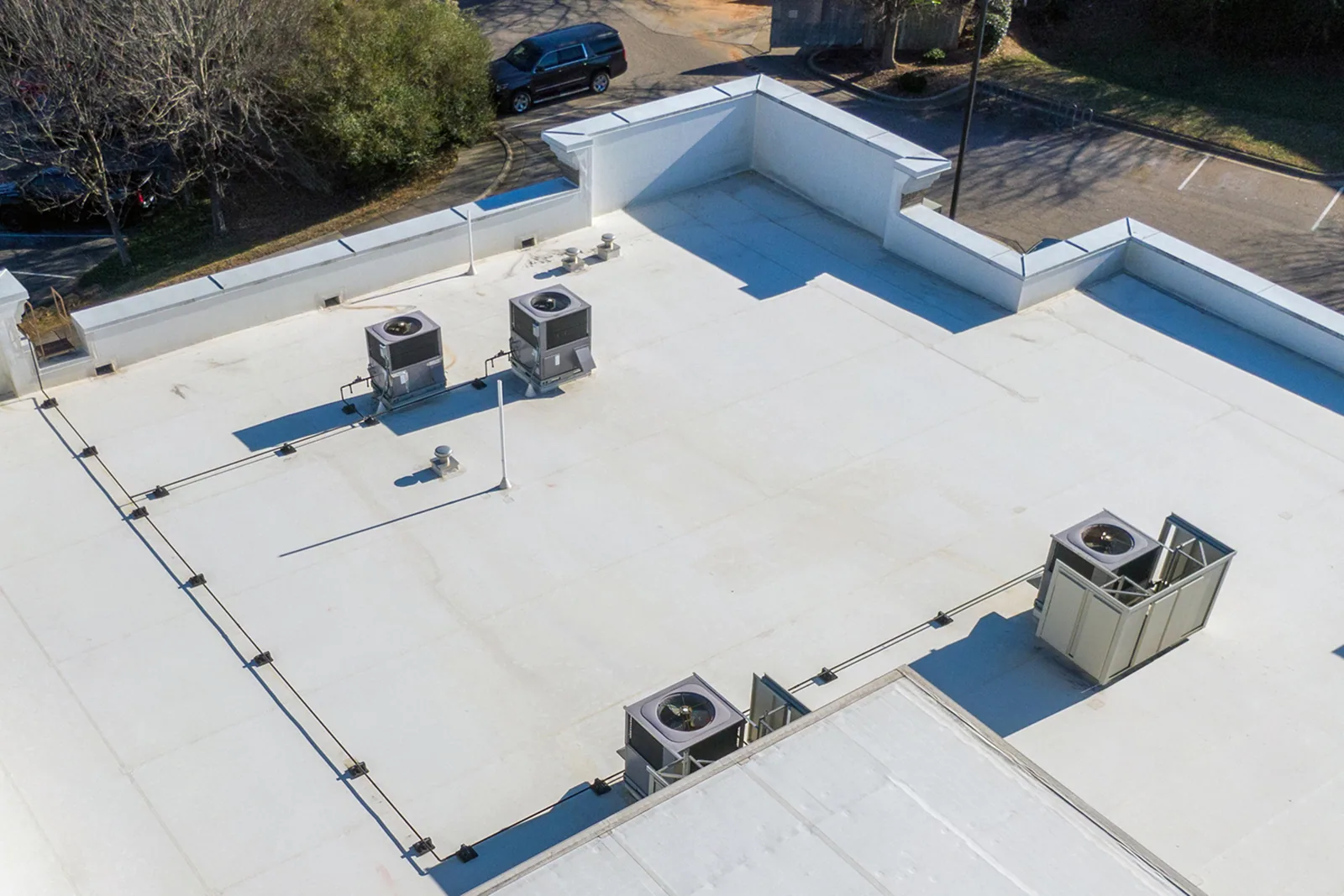
Work timing is a roof constraint as well as a budget choice. We record active tenants, production schedules, loading windows, crane or lift needs, weather exposure, and how much area can be opened in a shift. A phased replacement may keep one wing operating while another closes. The scope identifies daily dry-in limits, protected entrances, rooftop units that need coordination, and the handoff point before each section returns to service.
Industrial uses in Murfreesboro can include manufacturing, shipping, laboratories, and food production, with yards and loading activity on some sites. That broad land-use context prompts questions about dock access and equipment downtime; it does not establish the layout of a particular building. On a Veterans Parkway property, we verify the owner's route and staging area before setting a sequence. The schedule reflects the facility's actual operating hours.
For a portfolio with several roofs, the calendar can align inspections, budget approvals, material lead time, and operational shutdowns. We identify work that can share mobilization and work that should remain separate because the systems or access conditions differ. A warehouse with active docks may need a different shift plan from an office with controlled roof access. This sequencing is part of the scope, not a promise that every area can be worked at once.
Make the Budget Assumptions Visible
A useful capital allowance names the unknowns that can alter the work: concealed wet insulation, deck repairs, metal replacement, curb height, drain changes, hazardous-material review, and restricted access. We show which items are included and which require an owner decision after exposure. That avoids treating an untested assembly as a fixed quantity. A measured opening or test cut can reduce uncertainty before the larger project is awarded.
Murfreesboro's adopted 2024 building, existing-building, and energy codes include local amendments for covered commercial, industrial, and multifamily work. Certain roof-covering replacements may be permit-exempt when the deck and framing remain, or when the new system matches the existing system. We confirm the exact scope and exceptions with the city before a budget relies on an exemption. Outside city limits, the authority having jurisdiction may differ. A roof survey can record the existing assembly, and a condition report preserves findings before funds are committed.
Revisit the Plan After Field Changes
Capital plans need a refresh when a leak returns, a storm inspection finds new damage, equipment moves, or a test cut changes the repair boundary. We compare new photos with the last marked plan and update the work horizon only where evidence changed. If one section remains stable, it does not inherit urgency from another roof area. A tracked roof inventory keeps those distinctions available to the next reviewer.
After the May 2024 hail reports around Murfreesboro, an owner could schedule a roof walk for buildings with reported exposure and document what the inspection finds. The report should not assign damage from a regional report alone. We inspect seams, flashings, edge metal, penetrations, and the underside where accessible, then distinguish observed impact from pre-existing wear. If a roof carries a warranty, align repair details with its requirements through warranty record review. The estimate and timeline follow the opened scope, roof access, and material availability.
Commercial Roofing Questions
What moves a roof into the next capital cycle?
We look for recurring leaks, widespread moisture, weak attachment, failing details, or deck conditions that make repairs repeat. The marked findings and any test cuts support the timing instead of an age-only assumption.
Can we budget before test cuts are complete?
Yes. We can price a base scope and list concealed conditions as allowances or decision items. The plan should show which opening or moisture test would narrow each uncertainty.
How do you compare a recover with full replacement?
A recover needs a stable, dry, compatible base and workable drain, edge, and curb heights. We check those conditions before comparing its cost drivers with removal, deck exposure, and replacement details.
Does a reported hail event require replacing the roof?
No. We inspect the affected roof and record impact, seam, flashing, and interior conditions. A weather report is context for the visit, not a replacement finding.
Who confirms permit requirements for a planned roof project?
We confirm the proposed scope with the City of Murfreesboro or the applicable authority before work begins. Permit treatment depends on jurisdiction, deck and framing work, system change, and listed exceptions.
Related Roofing Work
More commercial roofing work connected to Commercial Roof Capital Planning in Murfreesboro.
Set the Next Budget Review
Send roof plans, repair history, prior reports, and the budget horizon. We will inspect the assemblies and return a phased scope with visible assumptions and next checks.