Government Building Roofing in Murfreesboro, TN
Roof repair and replacement for Murfreesboro public buildings. We coordinate occupied spaces, permit review, access controls, drainage, and closeout records.
Government Building Roofing
A public building can stay open while a roof section needs attention, but its entrances and service routes must remain defined. In Murfreesboro, TN, we start with the department or room reporting water, then trace the likely path to the roof assembly above it. We identify the public entrance, staff access, loading door, and any area that cannot be isolated. The first work boundary protects people below while giving the facility contact a clear point to reopen.
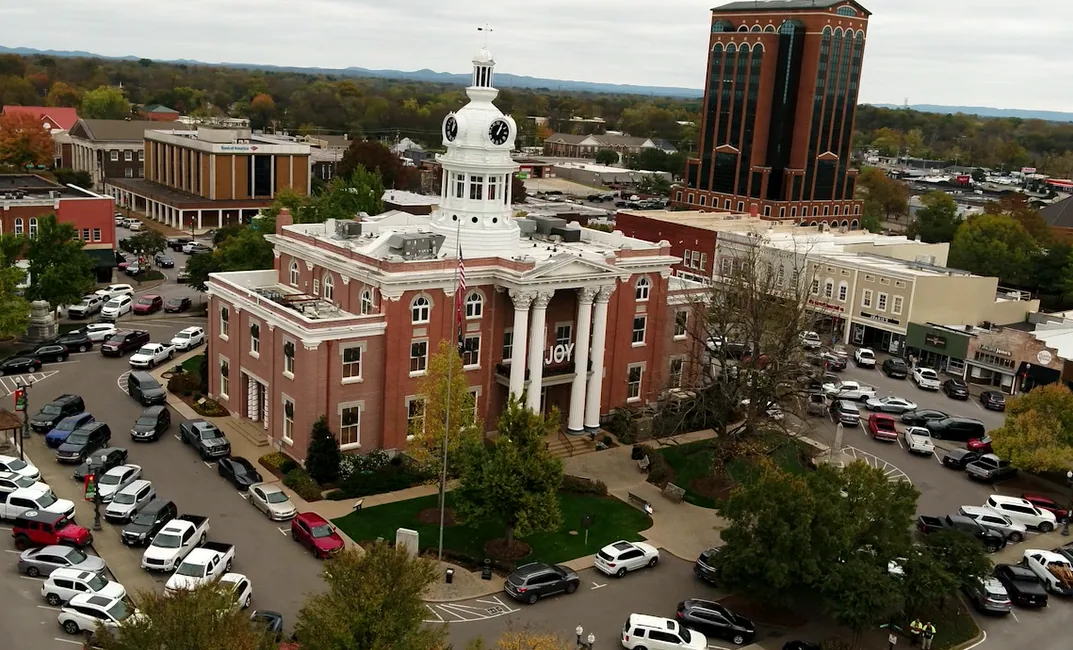
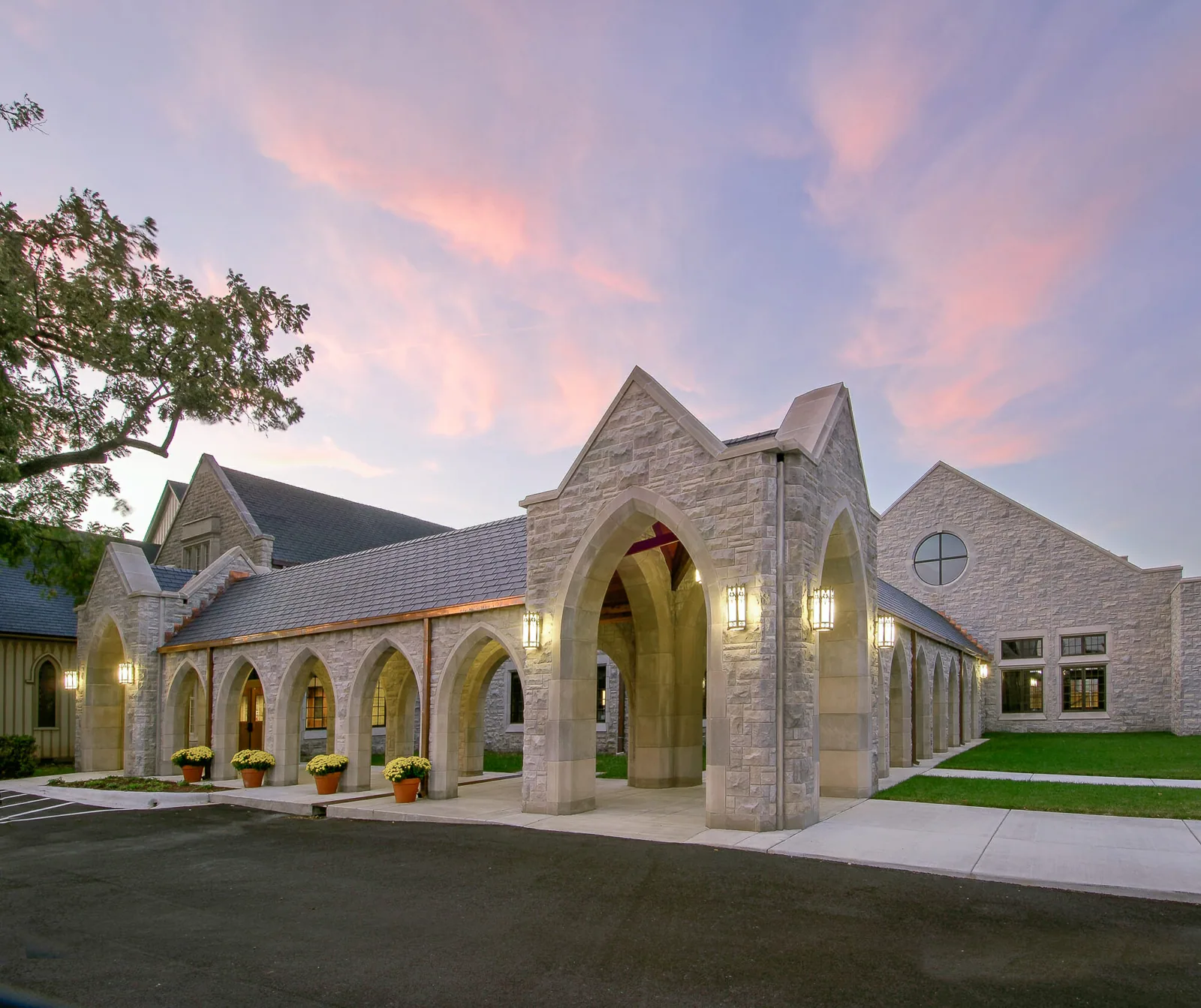
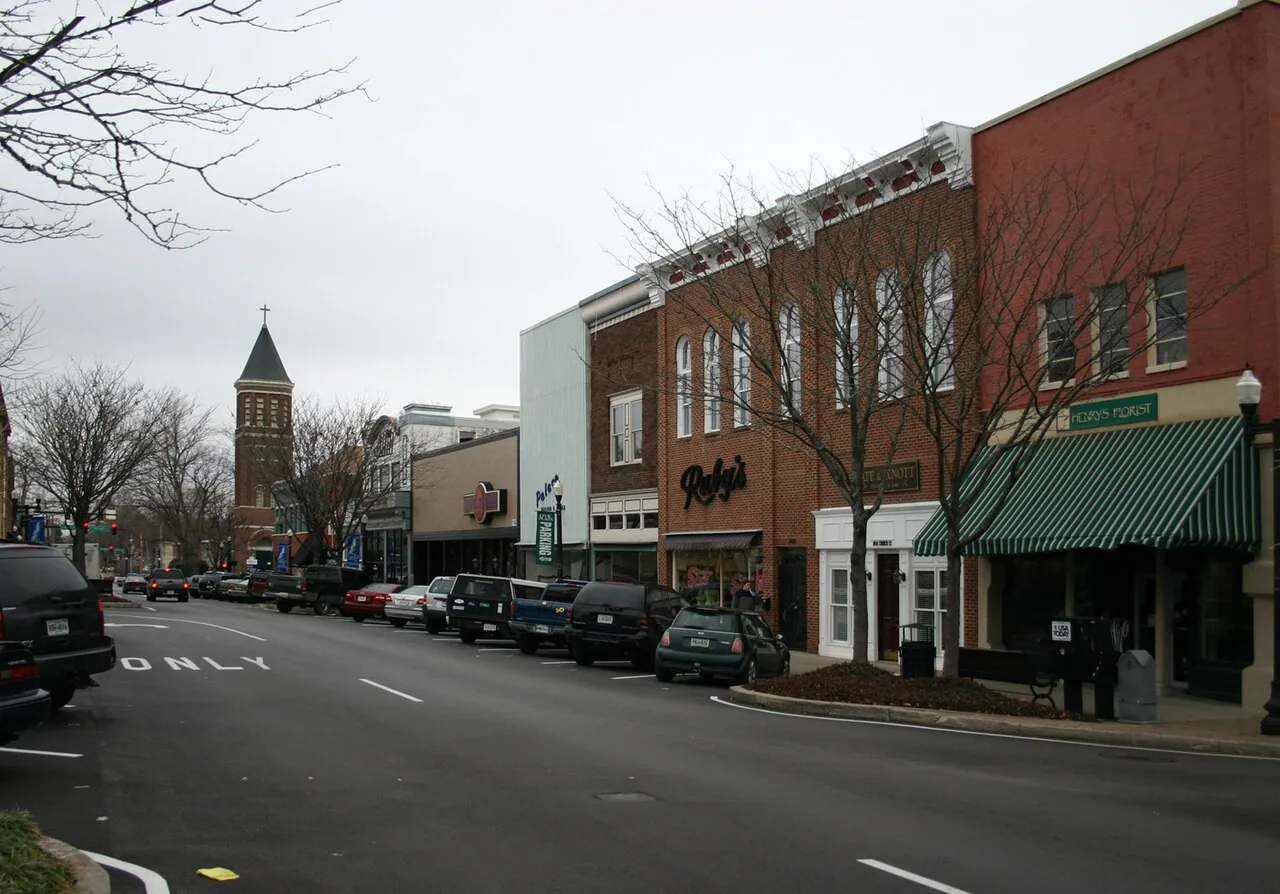
Downtown Murfreesboro includes the East Main Street Historic District among civic, commercial, residential, school, and open-space uses. A building in that street grid may need staging that keeps neighboring doors clear, but district context does not tell us the roof construction. We inspect the actual deck, seams, curbs, and drainage. Roof work for a worship building and occupied office roof repairs also require a marked route and a handback that the building manager can verify.
Map the Interior Report to a Roof Section
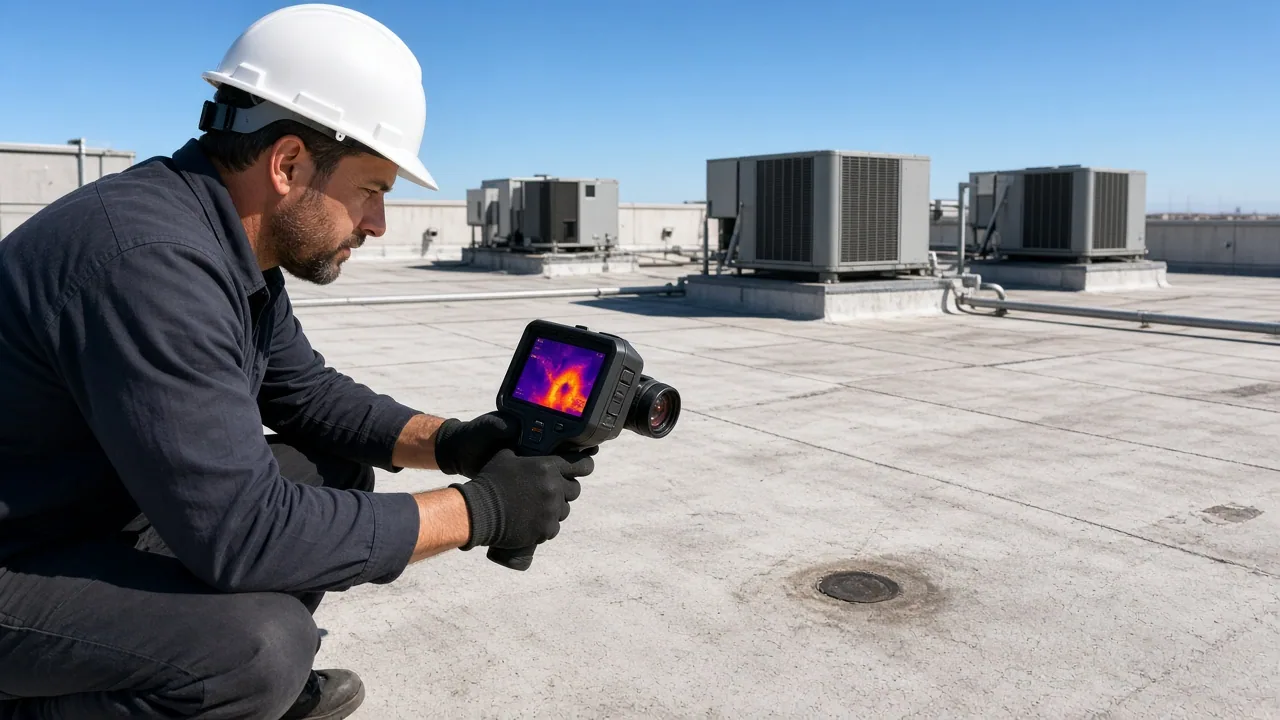
Record the room, ceiling, equipment, and time when water appeared. We compare that report with the roof plan and inspect uphill through seams, penetrations, skylights, parapets, and drains. Water can move across insulation or a deck before reaching an interior finish, so the stain does not set the cut line. We photograph the suspected entry and mark any test area before opening the assembly. If water comes from a plumbing or mechanical cause, we separate that repair from roofing.
A public counter, records room, or staff workspace may need interior protection during removal. We identify who can approve the work zone and who receives notice if a room must close. A roof condition inspection can document visible conditions, test results, and areas not reached. For a multi-wing building, each finding stays attached to its roof section rather than becoming a general record about the facility's east or west side.
Confirm Scope Before Permitting
Ordinance 26-O-34 puts Murfreesboro's locally amended code set into effect for covered commercial, industrial, and multifamily work. We verify whether the public property is within city jurisdiction and whether the alteration falls under that ordinance before making a permit assumption. The ordinance also describes roof-covering replacement exemptions in specified cases, including work that does not replace deck or structural framing and replacement with the same roofing system. We confirm the exact scope, exceptions, and authority having jurisdiction before work begins; no blanket permit conclusion fits every public property.
When removal reaches the deck, framing, insulation, or a different assembly, the work may move beyond a surface replacement. We document the layers and write a scope that identifies what will be removed and what stays. The project team can check applicable review before a crew opens the roof. For a covered existing building, replacement planning should name the assembly, transition details, and closeout record, not just a square-foot quantity.
Check Drainage Before Water Returns
Murfreesboro averages 55.92 inches of precipitation over 134.5 days with measurable rain. On a public roof, we trace each drain and overflow path and record any low point that holds water. We trace each outlet from the field, record where water remains, and distinguish a blocked drain from a roof section with no effective slope. If a leak reappears after cleaning, we inspect the membrane and flashing rather than treating the outlet as the only cause.
The city has also recorded hail observations near Murfreesboro and a July 2024 EF-0 tornado that crossed a 3.38-mile path. Those events can prompt a timely roof walk when a building reports new damage; they do not establish the condition of a particular facility. We photograph displaced edge metal, punctures, or open seams and compare the findings with earlier records. Drain and scupper repair can address a confirmed outlet defect, while tornado-related roof repair starts with the building's actual impact area.
Keep Public and Service Routes Separate
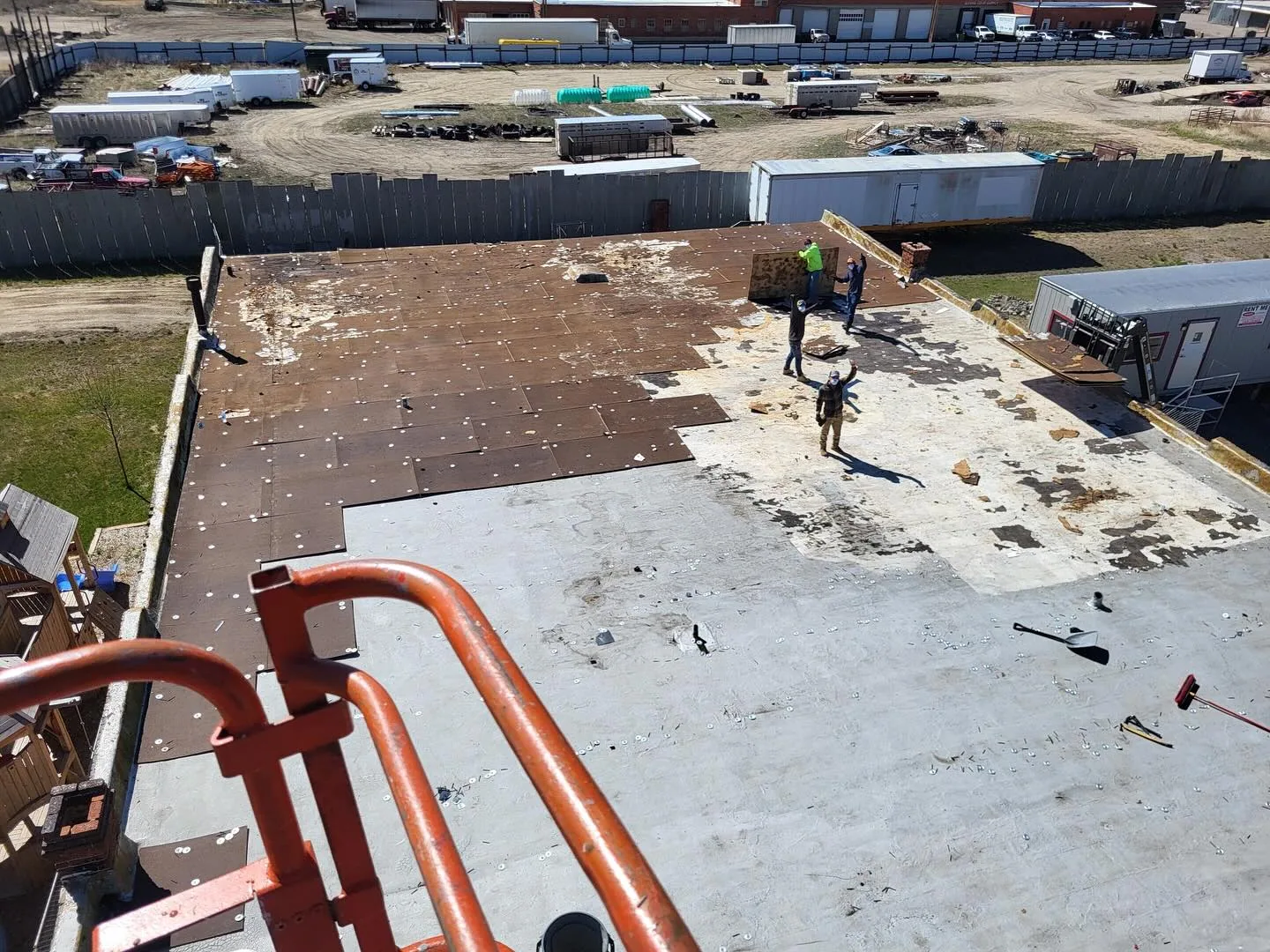
Set the lift, material drop, debris path, and pedestrian exclusion zone before the truck arrives. A building may have a public entrance, staff door, delivery access, accessible route, and emergency egress that cannot all share a work boundary. We confirm which routes stay open and identify a contact who can approve a temporary change. Each shift opens only the section the crew can close and inspect before leaving; a weather hold does not extend the exposed area.
The Historic Bottoms is west of Broad Street, where redevelopment and Town Creek work connect downtown blocks and public paths. That place is not a service target for a single government property, but it is useful local context for pedestrian coordination near the center. At the building, we verify the current entrance and staging surface. Commercial roof service around Historic Bottoms still depends on each property's own access. A phased roofing sequence can release one roof section at a time while departments remain in service.
Compare a Repair with a Capital Phase
A repair can stay local when the membrane is attached, the insulation around the opening is dry, and the deck holds the detail. Multiple wet cores, loose seams over separate areas, or a soft deck can shift the scope toward broader removal. We list tested locations, repair limits, and work still hidden beneath the roof. A recover adds height and load, so we check drains, curbs, door transitions, edges, and the existing attachment before comparing it with replacement.
Public procurement may need a clear separation between immediate leak control and a future roof phase. We identify quantities, access conditions, temporary protection, and any mechanical work that another trade owns. A roof capital schedule can organize priorities by condition and work boundary. The scope remains tied to this building's roof rather than the use of a nearby civic parcel. On a facility near the East Main Street Historic District, deliveries still follow the actual property entrance and the department's operating hours.
Close the Work with a Checkable Record
Closeout should identify the repaired roof section, finished flashing or seam, materials, test locations, and any area left uninspected. We label photos to a plan and record the date, preparation, and condition at the repair edge. If equipment or restricted access prevented a full review, the open item stays visible. A building contact can match the record to the work order and decide whether another trade, department, or follow-up inspection is needed.
Send the roof drawings, room report, access rules, permit scope if known, and service windows the department can release. Field records become a bid scope with repair limits, access controls, and the point at which each shift seals its work. Standing-seam metal repair fits only when the installed system confirms it; a dated damage file can organize event photos without predicting an outside decision. The next phase should begin with what the inspection confirmed.
Commercial Roofing Questions
Does a public roof-covering replacement always need a permit?
The city's ordinance describes exemptions for specific roof-covering replacements, including certain work that leaves the deck and framing in place or uses the same system. We confirm scope, exceptions, and jurisdiction before scheduling.
Can the building stay open during a roof repair?
Yes, when entrances, egress, and public access can be protected around the released section. We set a ground-level boundary, interior protection, and a daily dry-in limit with the facility contact.
What if the leak appears far from the roof opening?
We trace the path uphill from the room, checking seams, curbs, walls, and drains. A test cut can locate wet insulation when water has traveled through the assembly before reaching the ceiling.
When should a repair be compared with replacement?
Several wet test locations, broad seam movement, or a weak deck can justify a wider scope comparison. We identify what was tested and show where removal would begin before pricing a larger phase.
What belongs in a government-building closeout file?
Keep the roof-section plan, dated photos, materials, repair boundary, test results, and open items together. The department contact can then reconcile the work order and schedule any remaining trade work.
Related Roofing Work
More commercial roofing work connected to Government Building Roofing in Murfreesboro.
Set a Roof Walk Around Public Access
Share the roof plan, affected room, department schedule, and access rules. We will inspect the assembly and return a written scope with a clear work boundary and handback.