
College and University Roofing in Murfreesboro, TN
College roof work in Murfreesboro must protect classrooms, labs, residences, and public routes. We inspect each assembly and phase repairs by access window.
College and University Roofing
A campus roof plan is a building plan first. In Murfreesboro, TN, classrooms, residence halls, labs, dining areas, and event spaces place different demands on access and shutdown timing. We identify the reported room, trace the roof section above it, and coordinate the route for lifts and materials before any opening begins. The work boundary has to protect the occupied space below and leave the facilities team with a clear handback.
The city reports Middle Tennessee State University enrollment above 19,000, a substantial institutional presence with varied building use. That number is not a roof count. We inspect each building as its own assembly, then group work only where systems and access conditions support the same sequence. Enrollment above 19,000 also means a roof decision can touch many daily routes, so we list each affected building before proposing a campus phase. A commercial roof inspection records the field condition before repair or capital work is selected.
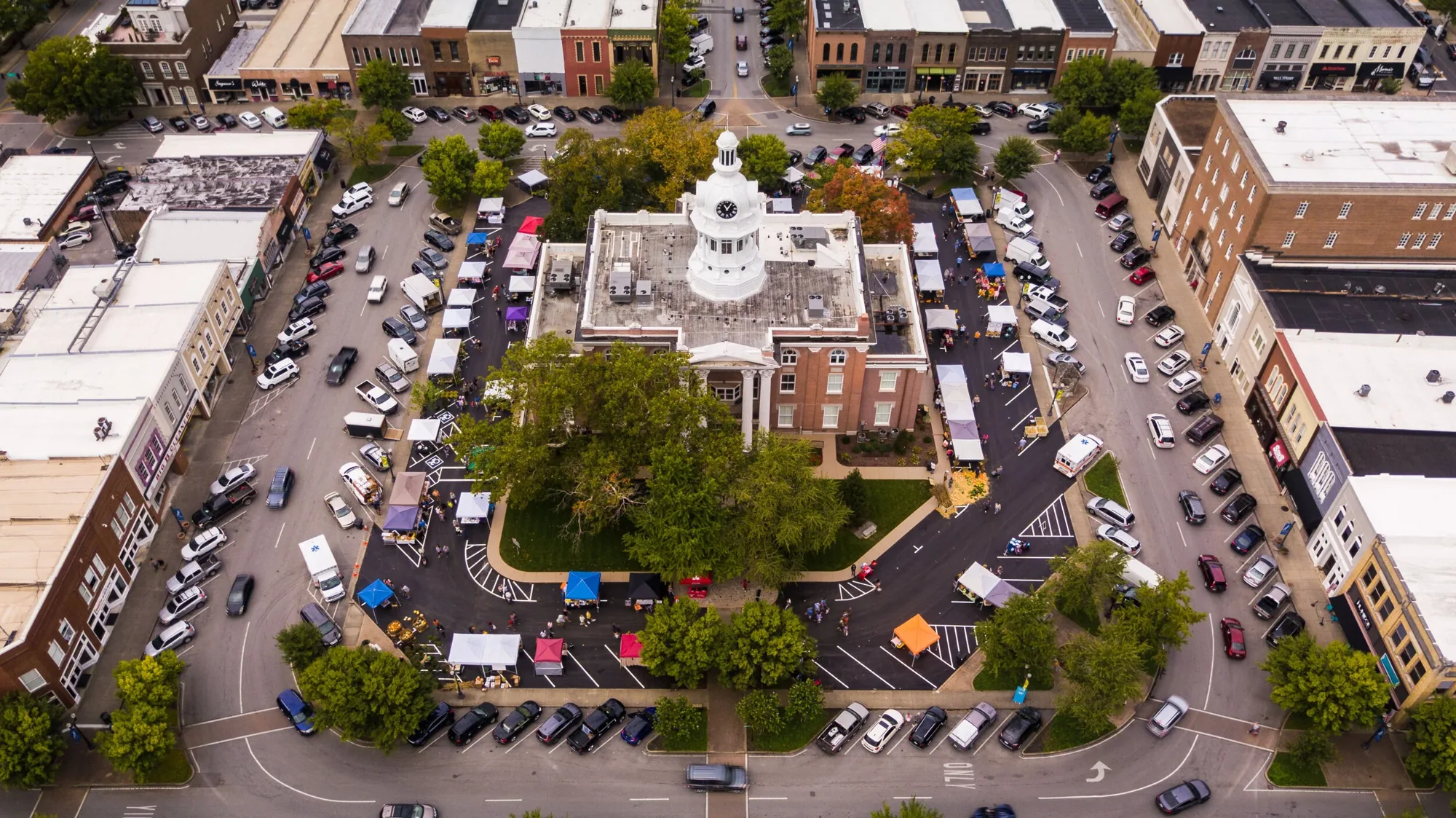
Sort Buildings by Use and Roof Condition
A classroom wing may need quiet hours; a lab may have intake or exhaust restrictions; a residence building can require a protected entrance from early morning through evening. We start with the roof plan and a facilities contact who can confirm those limits. Then we mark drains, rooftop equipment, roof hatches, and any addition seam that divides one system from another. We do not roll separate building findings into a campus-wide average.
Planned transportation improvements include Middle Tennessee Boulevard and Greenland Drive, so the campus delivery route should be confirmed before a lift is booked. That makes a current delivery route worth confirming with the site team before a lift is booked. Work phasing can also be coordinated with class breaks without leaving a wet section open. Occupied-building sequencing defines the daily opening, temporary protection, and safe path back to each entrance.
Confirm the Membrane Before Ordering Material
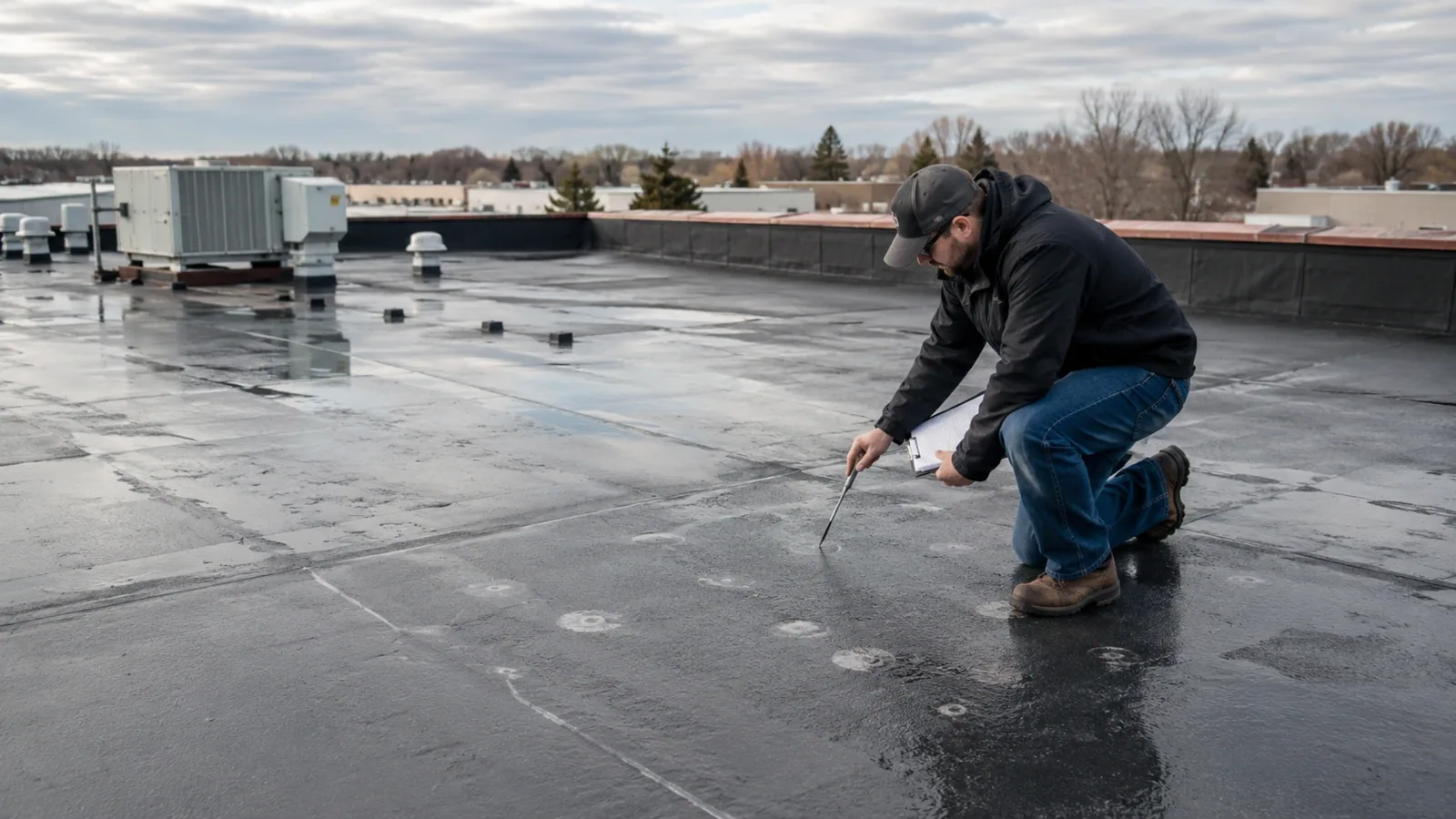
University roofs can contain several generations of work. We check the exposed field, seams, edge conditions, penetrations, and prior patches to determine whether the system is TPO, PVC, EPDM, modified bitumen, built-up roofing, metal, or a coating. Test cuts help locate wet insulation and confirm deck condition where the surface record is not enough. The repair material follows the installed assembly, not the building name or an old invoice.
A K-12 school roof assessment addresses classroom access on a smaller operating footprint, while hospital roof sequencing covers critical care routes and equipment. For a known single-ply field, a EPDM seam repair requires clean, sound material at the lap. We document the observed layers and distinguish confirmed conditions from any roof area we could not safely inspect. Record where a unit curbs a passage or intake, since that detail can control both leak tracing and future service access for the mechanical crew.
Keep Water Away from Entrances and Equipment
Standing water near a curb or parapet can expose a weak flashing detail over time. We trace each low point toward its outlet, inspect drain bowls and overflow routes, and record whether ponding remains after debris is removed. Equipment supports need their own review because movement can stress the membrane at a penetration. The work order separates drain repair, flashing correction, and any slope work so the owner can see which condition each item addresses.
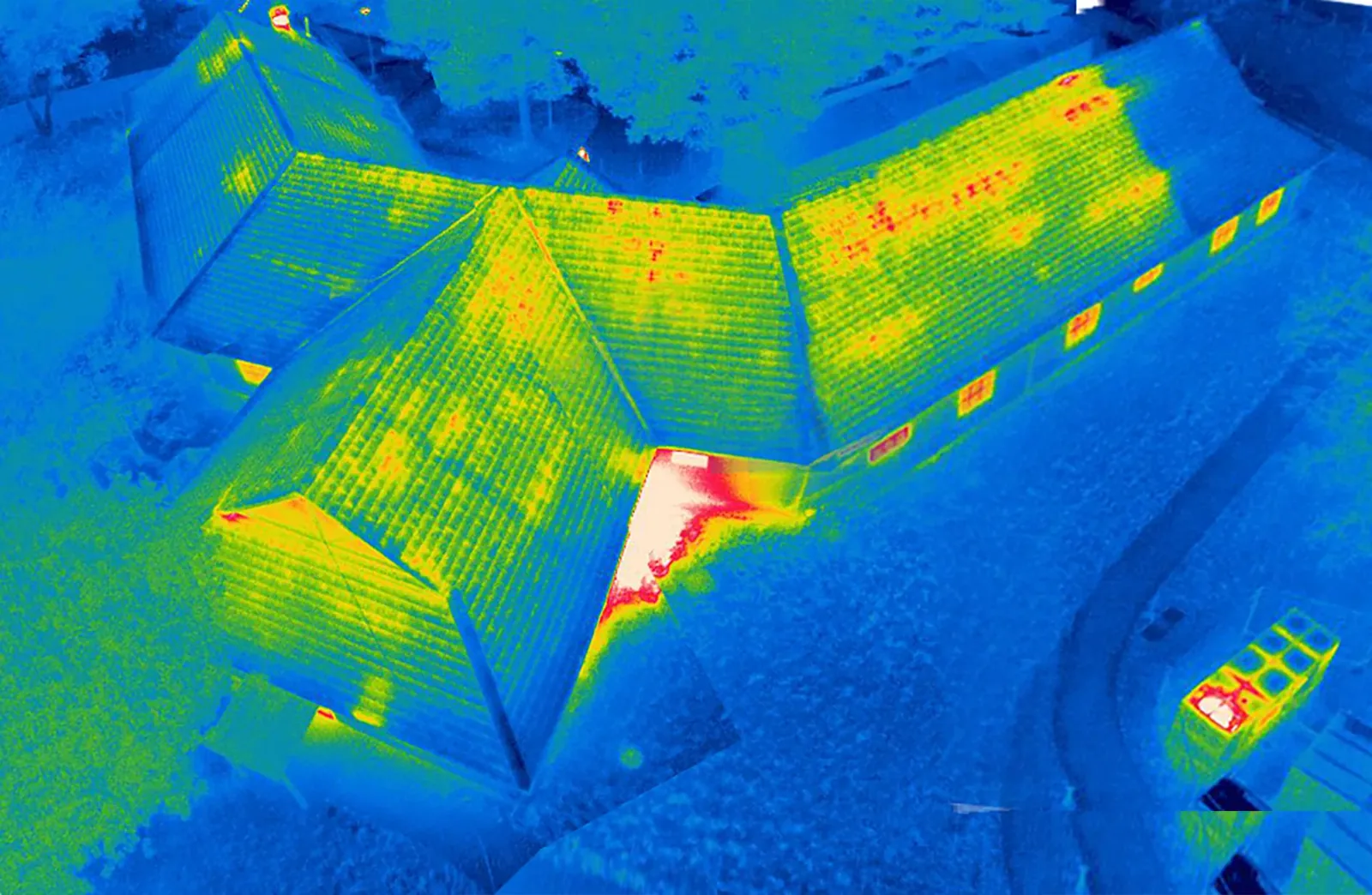
At the Murfreesboro 5 N station, the climate record averages 134.5 days with measurable precipitation and 55.92 inches across a year. Those conditions make drainage observations useful in a recurring roof record. A drain and scupper scope can define the outlet work, and a moisture survey can help choose locations for verification. Neither replaces a test opening where the roof assembly needs direct confirmation.
Choose the Work Window Around the Exposure
Heat, rain, and storm calls can change the work order. We set a daily tear-off limit, have temporary protection ready, and close each section before the crew leaves. After hail, the inspection records punctures, displaced edge metal, and damaged flashings by roof area. After wind, we check terminations, corners, and rooftop equipment supports. Photos before and after repair give the facilities team a record tied to the actual building.
May 26, 2024 brought hail reports of 1.75 inches two miles west of Murfreesboro and 1.25 inches four miles west-southwest of town. Those reports establish local hail activity, not damage on a specific roof. If a building has a new leak or visible impact, hail damage roof repair begins with a marked inspection area and separate emergency protection when needed. Around Greenland Drive, the building's own access and roof details set the sequence.
Compare a Local Repair with a Larger Phase
A repair remains a sound choice when the membrane is attached, the field around it is dry, and the deck holds the detail. Repeated seam openings, wet insulation across test locations, or widespread loose attachment can point to a broader section. We show the owner where repair stops, what removal would expose, and how a recover changes drain and curb heights. The options stay tied to observed conditions rather than a campus-wide calendar.
For a recover or replacement, we list the buildings and roof sections that can be completed in the same mobilization, then record which ones need separate access or protection. A recover evaluation checks the existing layers and transitions. A roof capital plan can sequence urgent leak control and future building work. If the affected property includes clinical functions, medical-office roofing brings patient access into the phasing decision.
Make Findings Easy to Hand Off
Closeout should identify the building, roof section, repaired detail, material, test result, and any condition left open. We connect photos to a marked plan so the next facilities shift can locate the work without a verbal relay. If access prevented a full check, the record says where the inspection stopped. For buildings with several trades at the roof, we also record what mechanical or electrical work must be completed before the next roofing phase.
Send the roof plan, room reports, access rules, and the academic or event dates that affect staging. We will inspect the assembly, define the boundary, and return a scope organized by building and work window. A clear record gives procurement and facilities the same list of confirmed repairs and open questions. The next decision can then be made against the roof condition and the building's actual operating requirements.
Commercial Roofing Questions
Can roofing work be scheduled between academic terms?
A term break can create more access, but roof sections still need daily dry-in limits and safe delivery routes. We set the sequence after checking the assembly, weather exposure, and which buildings can be released.
How should a university group multiple roofs for pricing?
We inspect and record each building separately, then group scopes where system type, access, and condition make the work comparable. Different assemblies or occupied uses stay in separate line items.
What happens when a leak report comes from a lab or residence hall?
We locate the room, check the roof section above it, and coordinate any intake, equipment, or entrance restrictions. Temporary protection can start immediately while the permanent repair boundary is confirmed.
Does a hail report mean every campus roof needs replacement?
No. We check the actual membrane, edge, and flashing condition, then document damage by section. Replacement is considered only when the inspected assembly and repair pattern support that scope.
Can you maintain roofs across several campus buildings?
Yes. We can keep a separate condition record for each building, flag repeat drain or flashing issues, and group maintenance visits by access window. That preserves a usable roof history without assuming the roofs match.
Related Roofing Work
More commercial roofing work connected to College and University Roofing in Murfreesboro.
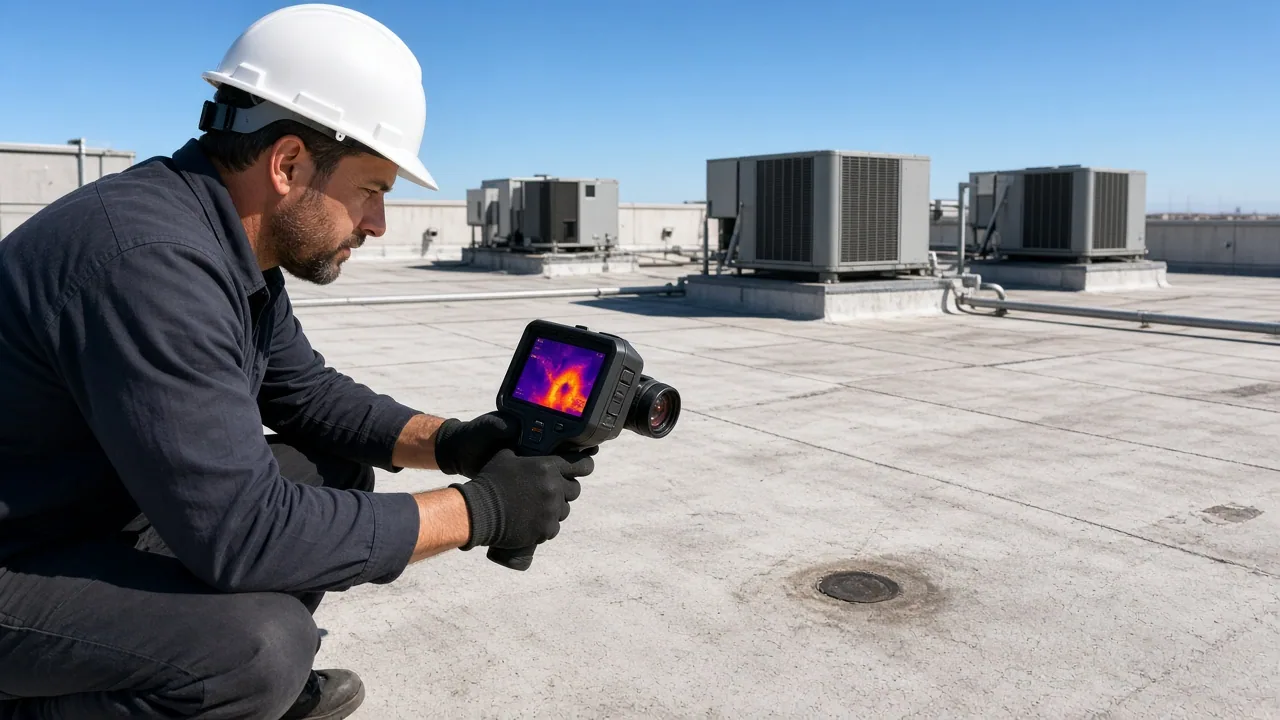
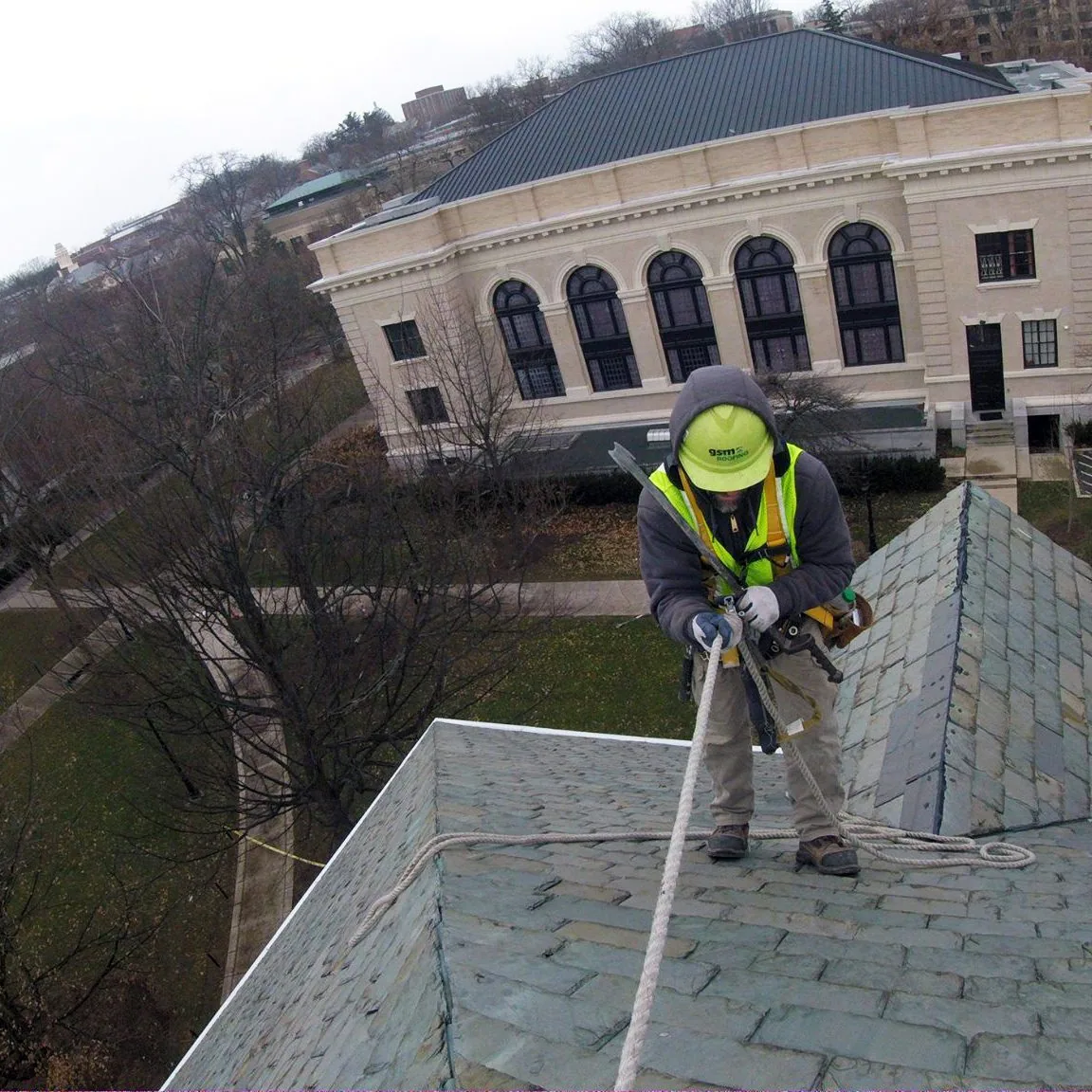
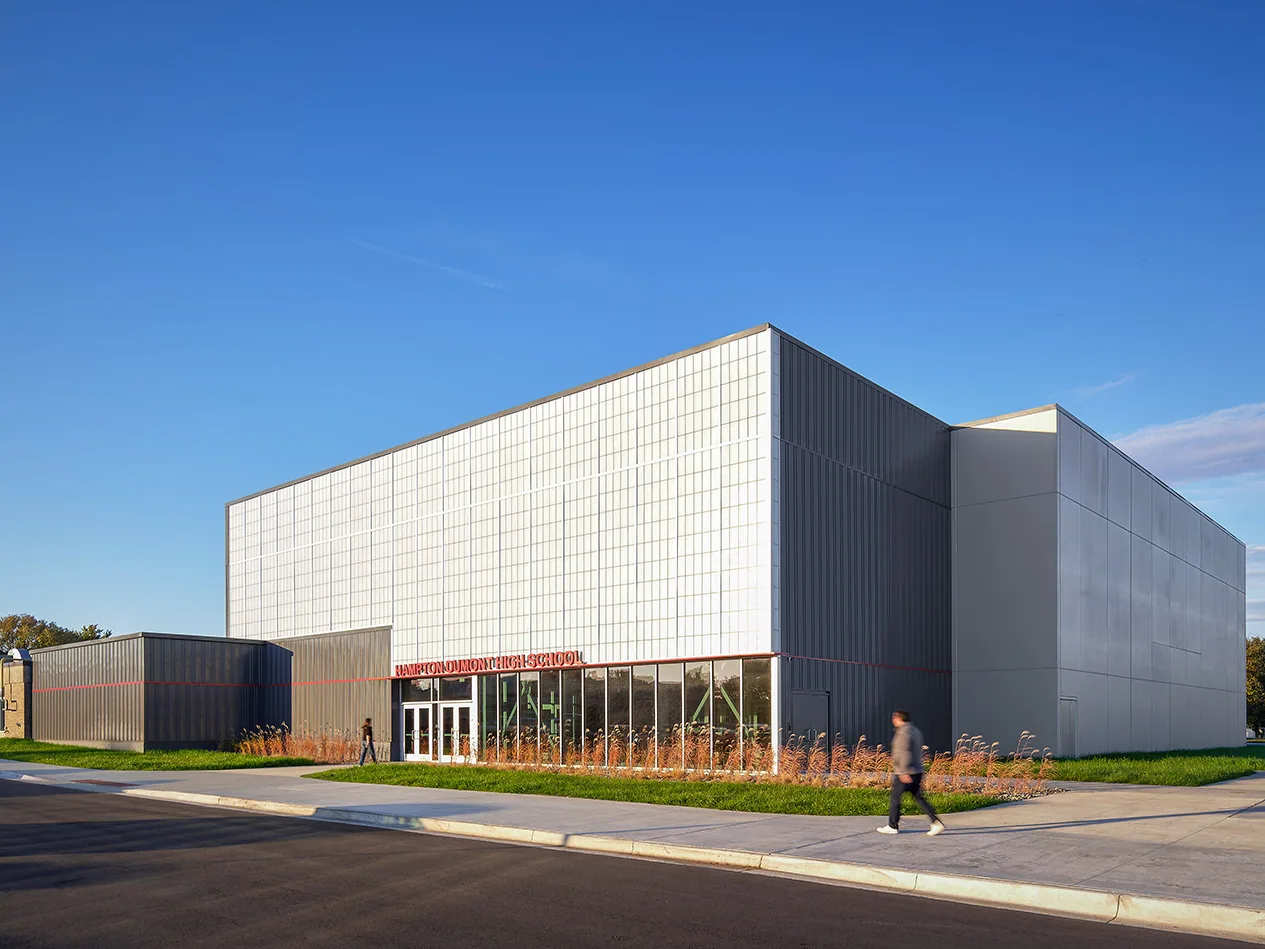
Schedule a Campus Roof Review
Share building plans, leak reports, access rules, and dates that affect occupancy. We will inspect each assembly and return a phased scope tied to the buildings and routes involved.