
Preventive Roof Maintenance in Murfreesboro, TN
Schedule commercial roof maintenance in Murfreesboro. We check drainage, seams, curbs, and edges, then set repairs and follow-up against field conditions.
Preventive Roof Maintenance
A maintenance plan for an industrial roof has to fit the dock schedule as well as the roof. Murfreesboro's land-use plan includes manufacturing, warehousing, distribution, shipping, laboratories, and food production among general industrial uses. Those uses can bring equipment, loading, and service routes into the roof plan, but an individual building's needs still come from its assembly and operation. We set a baseline, inspect the drainage path and details, and leave a marked list of repairs, monitored conditions, and the next visit.
Set the Visit Around the Roof
Maintenance starts with a roof plan and a contact who can confirm access. We identify roof sections, drains, equipment curbs, skylights, edges, and prior repairs before selecting a route. The first visit records the surface, attachment where visible, water paths, and conditions that may need a closer test. That baseline makes later records useful: a new open seam is different from an old patch that has stayed bonded through several checks.
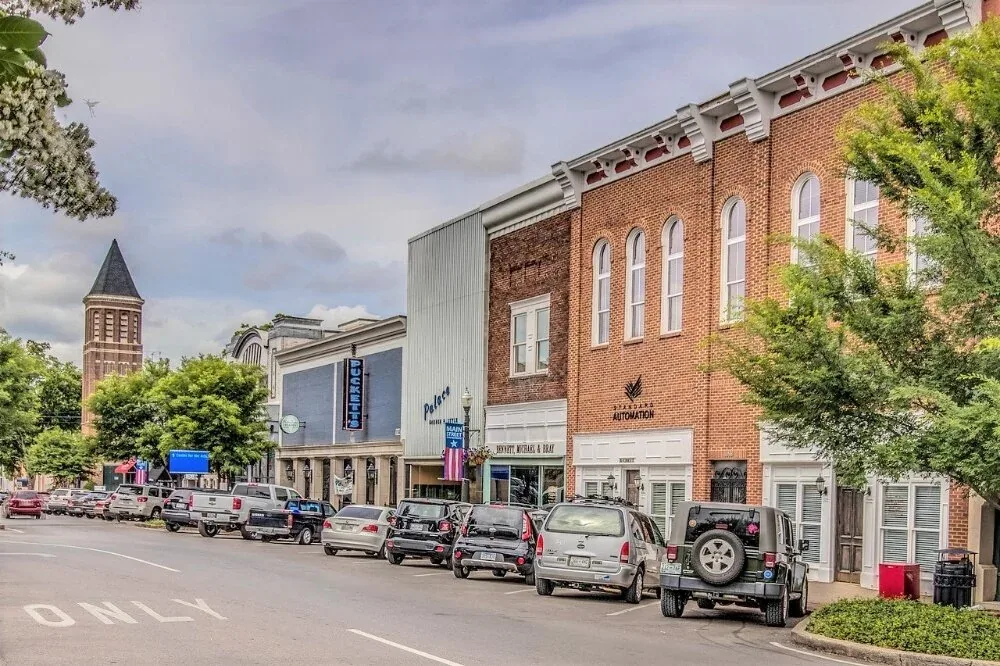
Operating conditions change the route. A building with active loading may need a quieter access window. Murfreesboro's plan distinguishes medical-commercial and office-park settings along Medical Center Parkway, where tenant continuity can shape entry and equipment coordination. The city's land-use categories do not identify the assembly on a particular property, so we confirm the building's use, noise limits, and any shutdown before work begins.
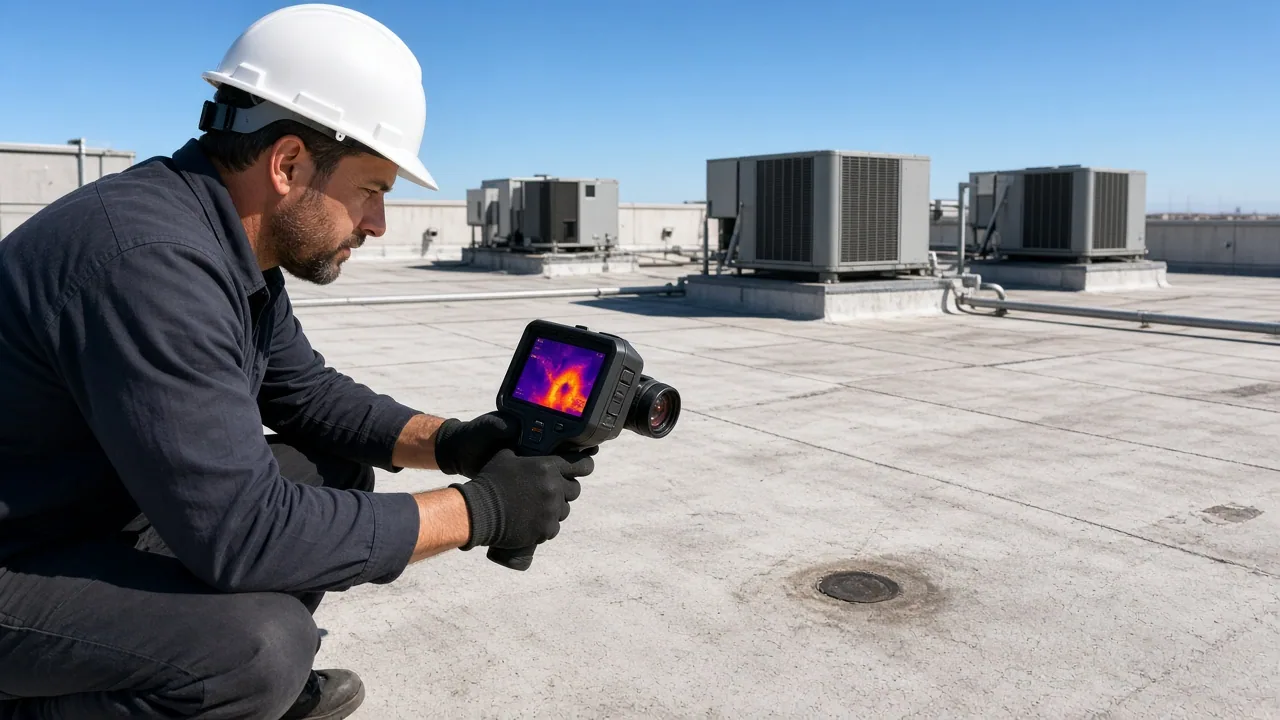
The visit interval follows the condition record, not a generic promise that one calendar fits every roof. A roof with recurring ponding, open seams, or active equipment work may need a tighter follow-up than a stable assembly with clear outlets. We record the reason for each return and what would move it sooner. A condition inspection can set the baseline, and a photo report keeps the findings tied to locations the next crew can find.
Keep Outlets and Low Areas Working
NOAA normals at Murfreesboro 5 N record 55.92 inches of mean annual precipitation and 134.5 days each year with at least a trace of rain. For a roof team, that is a reason to keep the drainage path visible between major projects. We clear loose debris from accessible drains, check strainers and overflow routes, and record low spots that retain water after the surrounding surface dries. If an outlet is damaged, the maintenance record names the repair instead of treating cleaning as a complete correction.
We follow the surface toward each drain and scupper, checking for displaced rings, loose flashing, blocked bowls, and signs that water is escaping at a transition. An old patch can hide a seam problem, so we photograph the edge of the repair and compare it on the next visit. The drain and scupper scope can separate cleaning, outlet repair, and tapered work when a roof needs more than routine service.
Water control also depends on the layers below the membrane. A soft area or recurring interior mark may justify a moisture survey before the owner approves a recover. We identify a test location and explain what the result could change. A TPO assembly review matters only if the roof record or field inspection confirms that system; the maintenance log should not guess at a membrane from appearance at a distance.
Check the Details That Move
Edges, penetrations, and equipment curbs take movement from the building and its service work. We check coping joints, termination bars, pitch pockets, fasteners, curb corners, pipe boots, and the tie-ins where an old repair meets the field. A loose edge can let wind-driven water enter behind the membrane. A cracked sealant bead may be a maintenance item or a sign that a flashing detail needs reconstruction. The record shows which condition is present and the limit of the visible check.
Murfreesboro's climate normals also record roughly 89 days a year with minimum temperatures at or below freezing, alongside warm-season heat. That cycle makes it useful to recheck exposed sealants, metal joints, and water-holding details after seasonal changes. We do not treat temperature alone as a defect. We record separation, movement, corrosion, or a failed bond where it appears and compare it with earlier photos before proposing replacement.
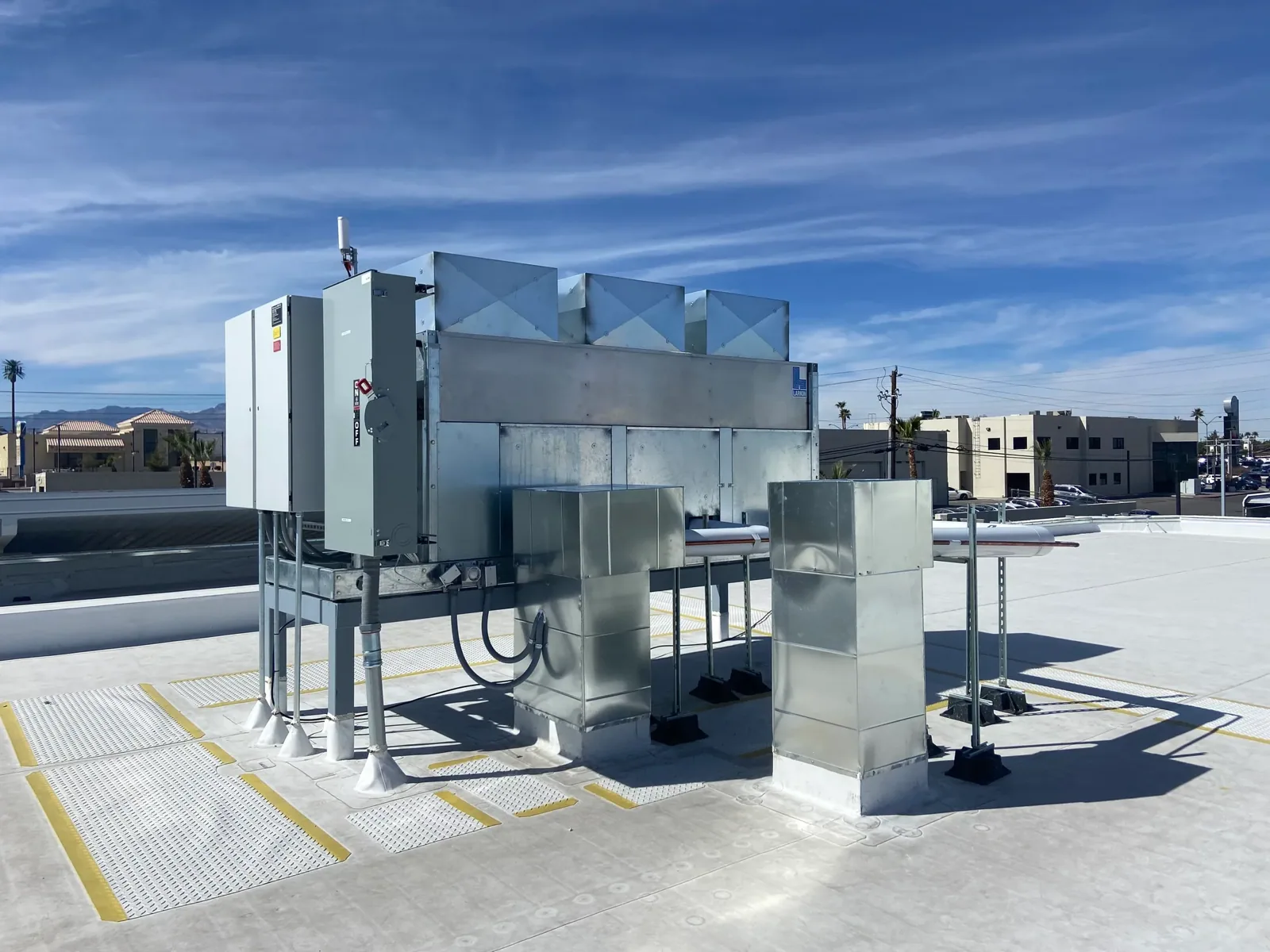
Equipment changes can create new roof openings or load at a curb. The facility lead tells us what work another trade completed since the last visit, and we compare that area with the roof plan. If a unit needs service, the curb and support detail may require coordination before the roofer closes a flashing. For a warehouse roof, we also confirm that staging or a lift will not block active yard movement.
Separate Small Repairs From Larger Work
Maintenance should not turn every observation into a replacement proposal. We sort findings into immediate water control, defined repair, scheduled upkeep, and conditions that need more information. A puncture in a sound field may be repaired locally; wet insulation across several sections changes the scope. If a test opening is needed, we mark the area, protect the roof, and show the owner what the test can establish before the work proceeds.
Repair timing depends on access, material compatibility, weather, and whether another trade must move equipment. A small flashing repair may fit a short roof window, while a broader area needs a dry-in boundary and material staging. Our repair scope states what is included and what remains outside the boundary. If coating is being considered, a coating evaluation first checks whether the existing surface is dry, attached, and suitable for restoration.
Transportation work can also affect a service window. Murfreesboro's 2040 transportation plan lists improvements at the US 231 and I-24 interchange, and New Salem Highway widening between Old Fort Parkway and Veterans Parkway. We confirm the property route and delivery plan with the site contact rather than infer access from a corridor project. The roof schedule records the loading window, materials, and contact for a weather hold.
Leave a Useful Next-Visit Record
Closeout photos should show the roof section, repaired detail, and any condition left for a later visit. We attach them to a plan or clearly labeled area, then record the material and work boundary. A manager can compare one inspection to the next without relying on memory or an old ceiling stain. Where no repair was needed, the record still states what was checked and which areas were inaccessible.
The owner can use those records to schedule preventive work, compare repair proposals, and prepare a longer capital plan. We flag a new stain, recurring ponding, changed equipment, or a repair that has begun to separate. A maintenance program carries those observations forward rather than restarting the roof history with each visit. The record also tells the next crew which access route and work window were agreed.
To set a first maintenance visit, share roof drawings if available, current leak reports, earlier repair records, and any loading or equipment limits. We will walk the roof, mark its conditions, and return a short action list with the next review tied to what we found.
Commercial Roofing Questions
How do you choose a maintenance interval?
The roof's condition, drainage, repair history, and operating constraints set the next visit. We record what needs a quicker return and why, rather than assigning the same calendar to every assembly.
Does maintenance include repairing every item found?
No. The visit records conditions and identifies which repairs are included, recommended, or still need a test. We review the scope with the owner before adding work beyond the agreed boundary.
What should a maintenance visit cover after heavy rain?
We check drains, overflow paths, low spots, seams, and nearby flashings, then compare any interior report with the roof conditions. The records show what needs cleaning, repair, or additional investigation.
Can maintenance be scheduled around loading operations?
Yes. We confirm the access path, loading window, lift position, and any equipment restrictions with the facility lead. Those details go into the visit plan so roof work does not block a delivery route.
What do you leave after the visit?
The owner receives dated photos, roof locations, conditions observed, completed work, and any open repair or testing question. That gives the next visit a point of comparison.
Related Roofing Work
More commercial roofing work connected to Preventive Roof Maintenance in Murfreesboro.

Set a Maintenance Roof Walk
Share the roof plan, repair history, leak locations, and operating window. We will inspect the accessible sections, record conditions, and return a maintenance and repair list tied to the building.