Commercial Heat and UV Roof Repair in Murfreesboro, TN
Murfreesboro heat and UV roof repair checks membrane wear, seams, drainage, and moisture before coating, localized repair, or replacement is priced.
Commercial Heat and UV Roof Repair
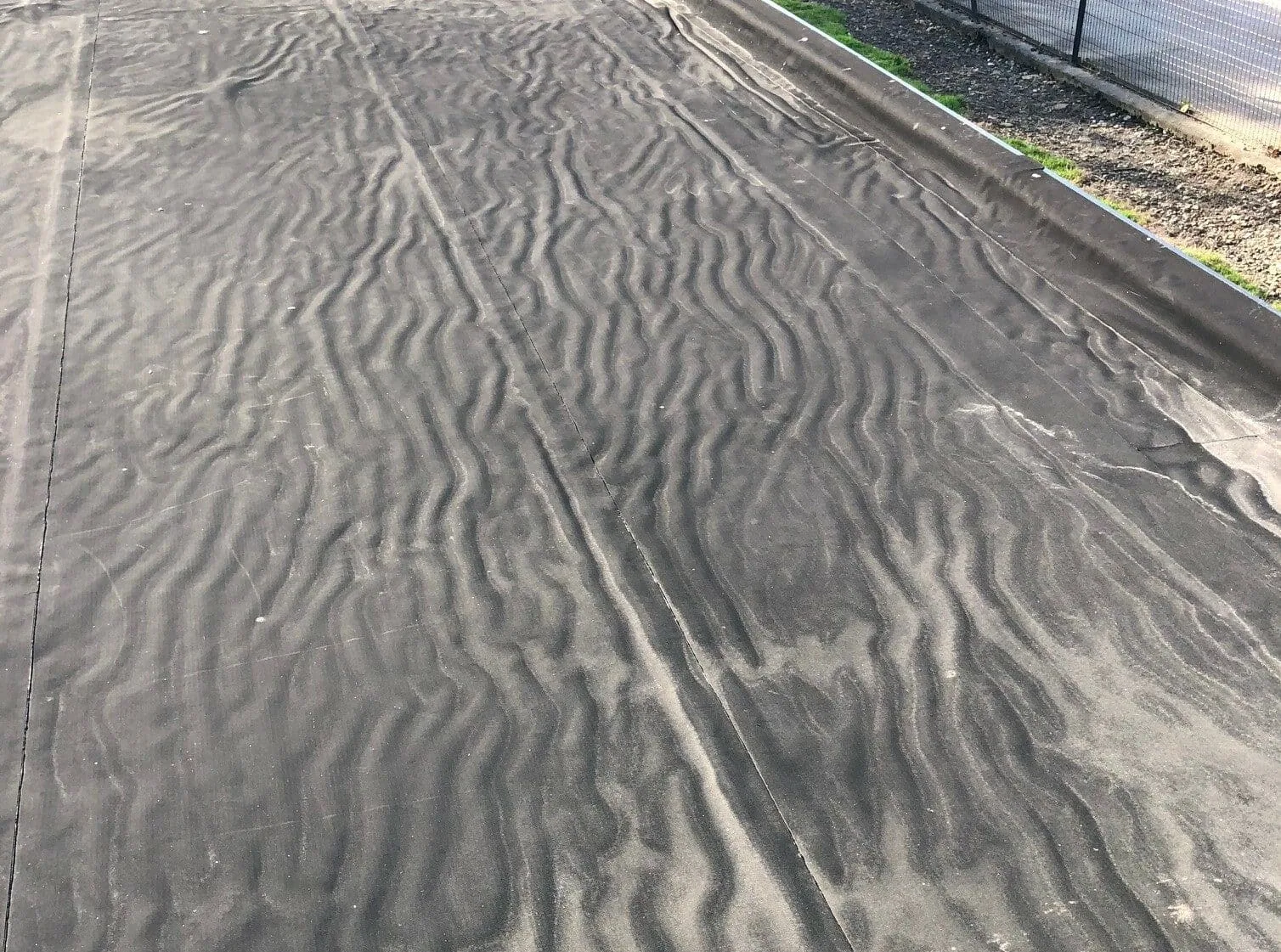
Repeated heat exposure can leave a membrane surface chalked, brittle, cracked, or less flexible at a seam. On a Murfreesboro, TN commercial roof, we inspect the sheet, surfacing, flashing, drains, and prior repairs before deciding whether wear is limited to the top layer or reaches the assembly below. NOAA normals for Murfreesboro report about 47.8 days a year at or above 90 degrees, alongside freezing nights. Those averages describe the city climate; the roof's current condition and material determine the repair.
UV weathering is not a coating diagnosis by itself. We check adhesion, open laps, soft insulation, ponding, and deck condition. A recoat may suit a dry, stable, compatible surface, while brittle membrane or wet layers may require repair or replacement. We photograph each section and set the limit around sound material. The owner receives separate records for repairs, test areas, and maintenance items so a surface appearance does not become a substitute for an assembly review.
Check the layer that is actually failing
We inspect for chalking, erosion, cracks, blisters, exposed reinforcement, and separation at a seam or flashing. A surface mark can be cosmetic, but a split that opens under movement needs a different response. We probe or test where the system permits and compare the observation with the roof's existing layers and coating history. The report names the affected section and whether the membrane remains attached. A broad coating application should not proceed until loose material, moisture, and failed details have a defined treatment.
We also check whether discoloration reaches through the membrane or remains at the weathered surface. A test patch can show adhesion and preparation needs, but does not replace moisture or deck checks. Previous coatings may conceal seams or make the surface incompatible with a new product. We list the preparation area and any section that should stay out of a recoat until it is opened.
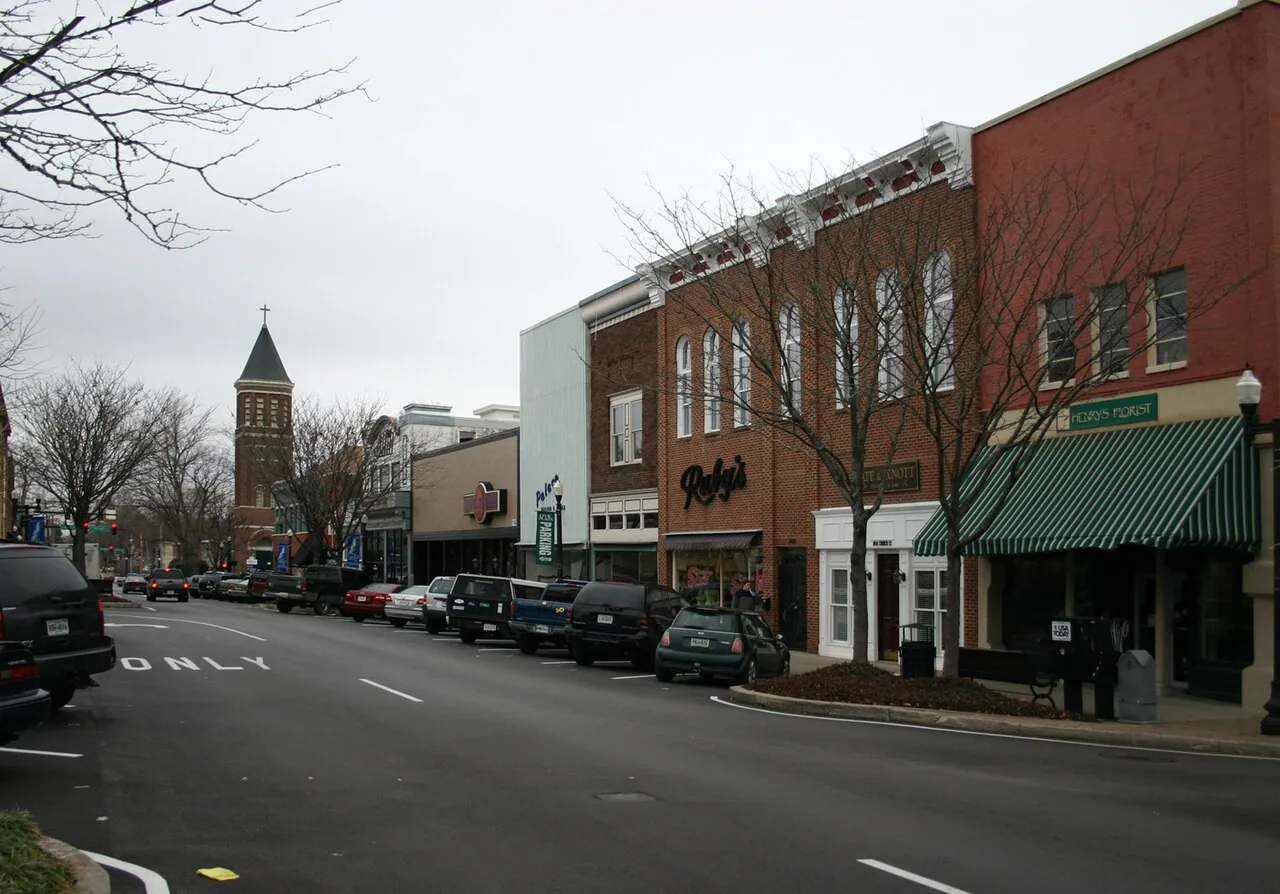
Murfreesboro planning distinguishes medical-commercial and office-park settings in the Medical Center Parkway corridor. Its downtown map also labels the East Main Street Historic District within a mix of uses. These are land-use contexts, not evidence about any particular roof membrane. On each property, we confirm material, access, equipment clearances, and occupied areas before choosing a preparation method. The Medical Center Parkway corridor and East Main Street Historic District remain broad service areas, not claims about a specific building's condition.
Inspect seams, edges, and penetrations
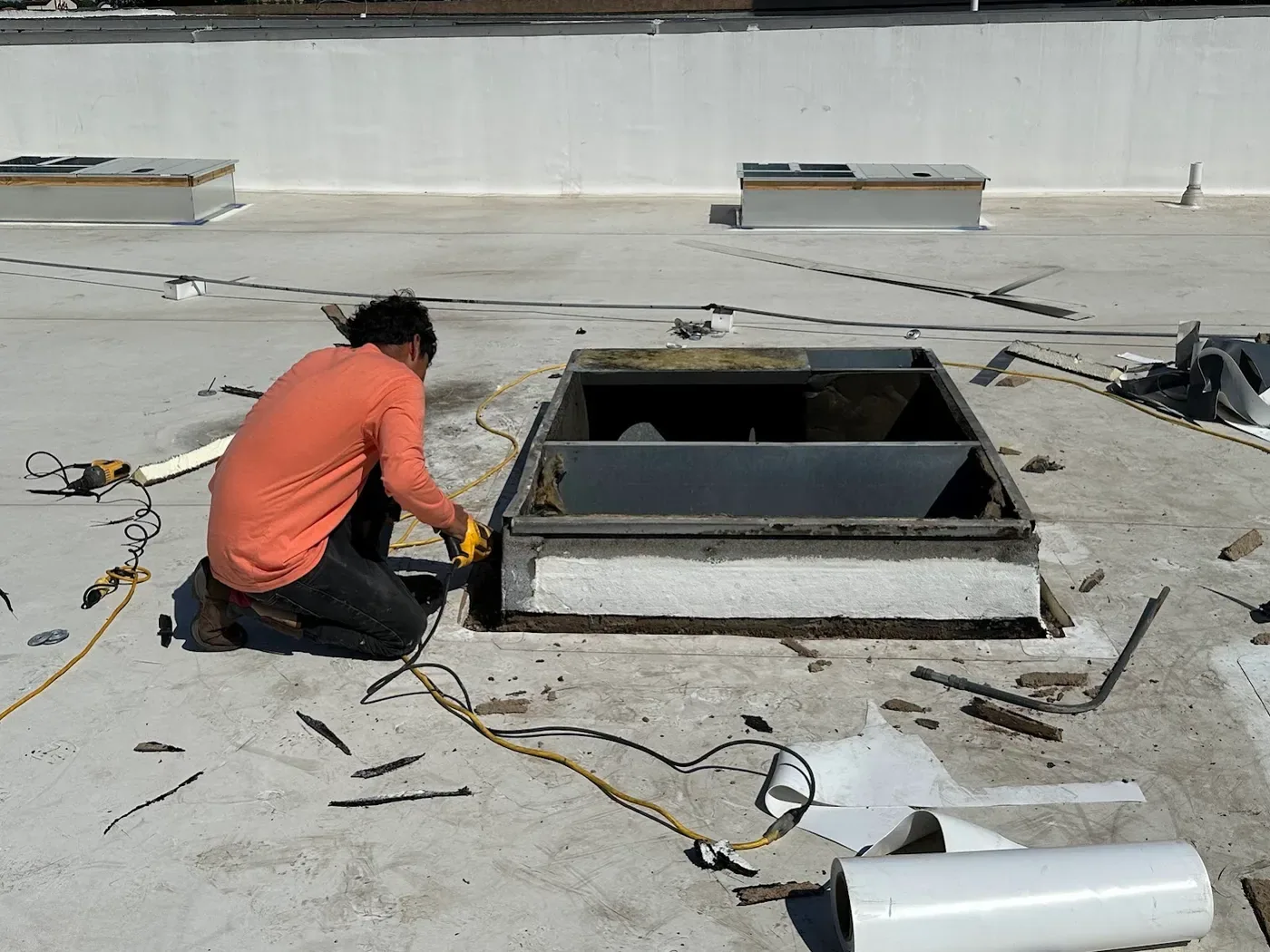
Heat can make some assemblies expand and project, placing movement at laps, corners, terminations, and metal transitions. We check for opened seams, pulled flashing, fasteners that no longer hold, and sealant that has separated from its surface. Around a curb or pipe, a small split may let water reach insulation even if the field membrane looks intact. We compare the detail with its surrounding sheet and identify whether a patch can tie into material that remains bondable.
At the perimeter, we inspect coping, edge metal, cleats, and termination bars before recommending a coating or field repair. Coating across a loose edge does not restore secure attachment. A seam repair or flashing repair may need to be completed first. Separate punctures receive their own photo and material record.
Confirm moisture before covering the roof
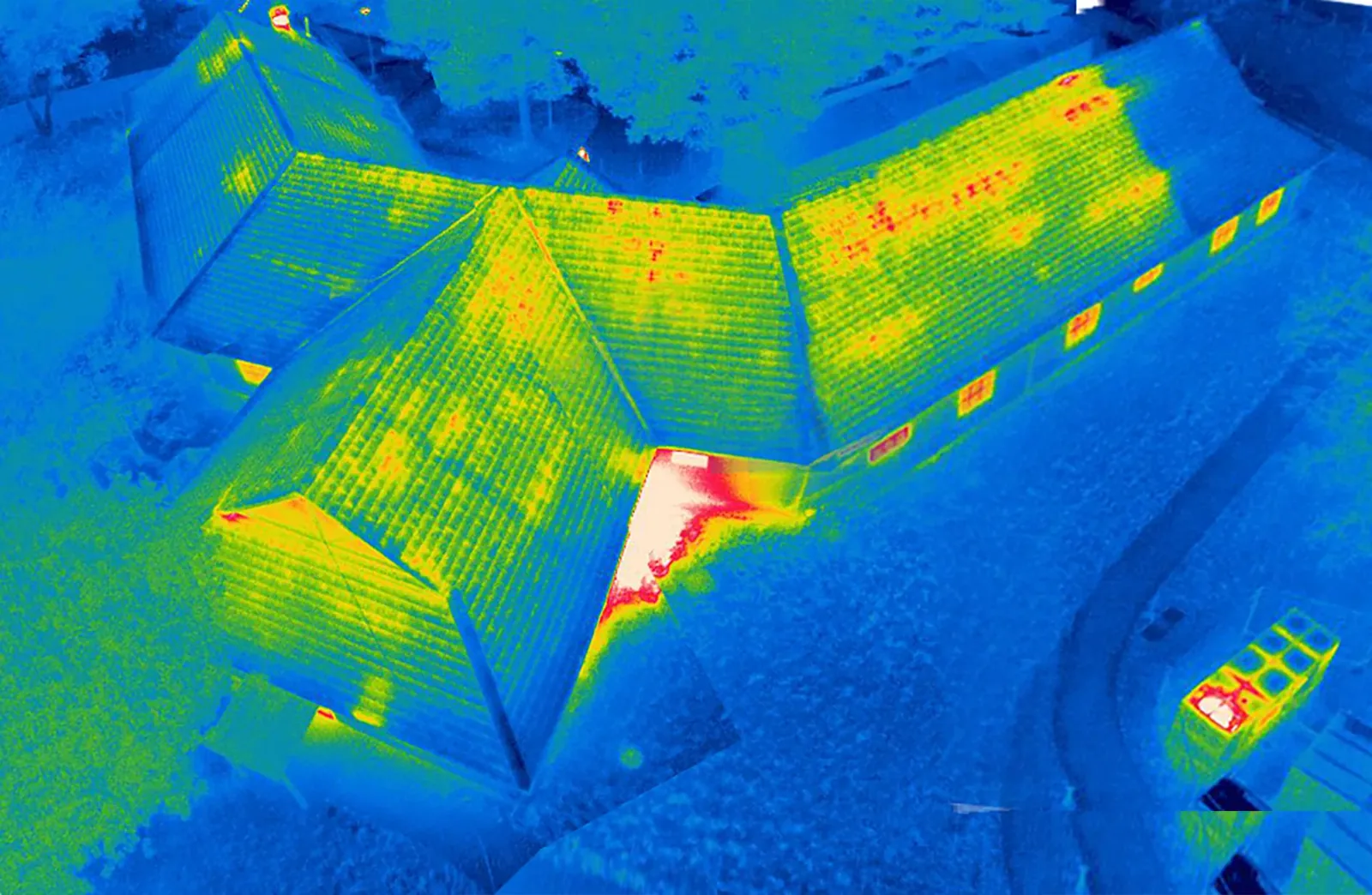
A coating or recover can conceal wet insulation if the assembly is not checked first. We compare interior reports with drains, low spots, penetrations, and prior repairs. Scanning can help select a test location, but a thermal pattern does not confirm moisture by itself. Where a cut or core is needed, we agree on placement, protect the space below, document the layers and deck, and restore the opening. The test result can change the work from surface preparation to removal and replacement of a wet section.
Murfreesboro's annual precipitation normals make drainage worth including in the same walk as UV wear. We inspect strainers, scuppers, and the route to each outlet, then record any pond that remains after suitable conditions. Standing water can keep a worn seam wet, but the surface and underlying assembly still need separate checks. An infrared survey can guide testing when those findings indicate another area for follow-up.
Test whether a coating fits the assembly
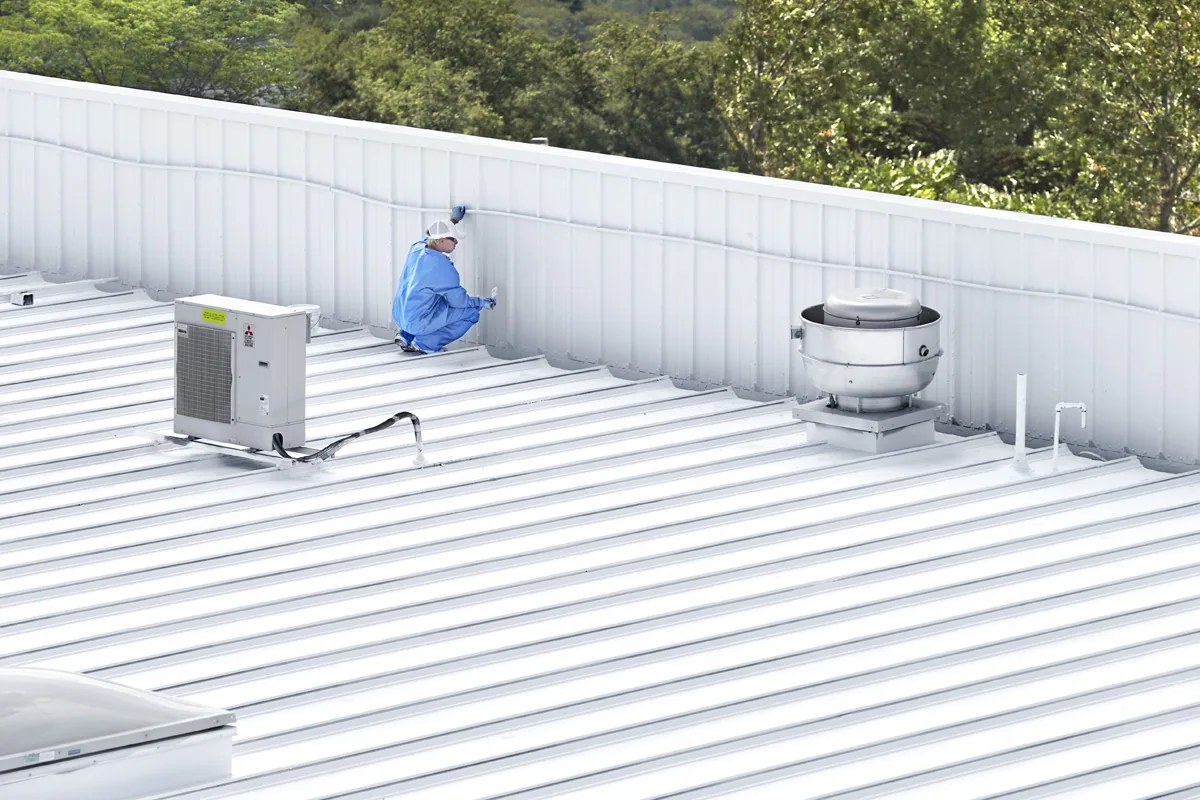
A coating needs a clean, dry, stable surface and compatible details. We review adhesion, previous products, seams, penetrations, drains, and the substrate before estimating preparation or coverage. Coating may restore a suitable surface, but it cannot correct slope, replace wet insulation, or secure a loose edge. We define where reinforcement or flashing repair is needed and identify any area where the existing system cannot support a recoat.
Silicone and acrylic products have different surface and weather requirements; we choose from the roof findings and the system specifications, not from a general preference. The silicone option and acrylic option are compared only after compatibility and drainage are checked. If the roof is too deteriorated for preparation or holds moisture below, we compare a section replacement or full reroof instead of coating over a failing assembly.
Set a workable preparation window
Surface temperature, dew, rain, and the system's cure requirements determine when coating or adhesive work can proceed. We check current conditions on the roof and protect any prepared surface from contamination. Murfreesboro's long-term climate normals include hot days and freezing nights, but they do not predict the installation window. We sequence each section so the crew can complete the tie-in or secure the area before a weather hold. The owner receives the planned work zone and any access restriction.
Cost and duration change with removal depth, surface preparation, reinforcement, test cuts, substrate repairs, and edge or drain details. We mark known work separately from contingencies that require opening the roof. If operations continue below, we coordinate equipment access, material staging, and interior protection. The chosen scope shows how sections will be prepared and closed without treating a coating as a cure for unrelated conditions.
Keep a section-by-section wear record
At closeout, photographs show the original surface, prepared areas, repaired details, and finished coating or membrane. We record the product system used, the preparation, the limits of coverage, and any areas that remain outside the scope. A roof plan helps the facilities team compare those locations with drains, equipment, and earlier repair records. If the roof needs later testing, the open question stays in the report rather than disappearing behind a fresh surface.
A final walk checks the coating edge, seams, terminations, penetrations, and drain openings. We remove debris and confirm that the work zone is safe for the next service visit. The owner can add the photos to a roof asset file and schedule maintenance to watch the same sections. For work in Downtown Murfreesboro, access and repair limits are confirmed at the actual property.
Commercial Roofing Questions
Does a chalky roof need coating?
Not by itself. We check whether the surface is stable, dry, compatible, and free of failed details before deciding if a recoat is suitable.
Can high summer temperatures cause the membrane to split?
Heat is one condition we consider, but a split can also involve movement, attachment, age, or a prior repair. We inspect the seam and surrounding assembly before naming the cause.
Will coating repair ponding water?
No. Coating protects a prepared surface but does not change roof slope. We map the low area and outlet and price a drainage correction separately when needed.
How do you check for wet insulation under a worn surface?
A scan can identify test areas. We use a cut or core when confirmation is needed, document the layers and deck, and restore the opening before the crew leaves.
What affects the schedule for a recoat?
Surface preparation, moisture, temperature, rain risk, cure requirements, staging, and details that need repair all affect the work window. We confirm conditions before applying material.
Related Roofing Work
More commercial roofing work connected to Commercial Heat and UV Roof Repair in Murfreesboro.
Review the worn roof section
Share the roof plan, coating or repair history, and access contact. We will inspect the surface and details, check for moisture, and compare coating, repair, and replacement options.