Commercial Roof Seam Repair in Murfreesboro, TN
Murfreesboro seam repair identifies why a lap opened, checks moisture and attachment, and ties a compatible repair into sound membrane.
Commercial Roof Seam Repair
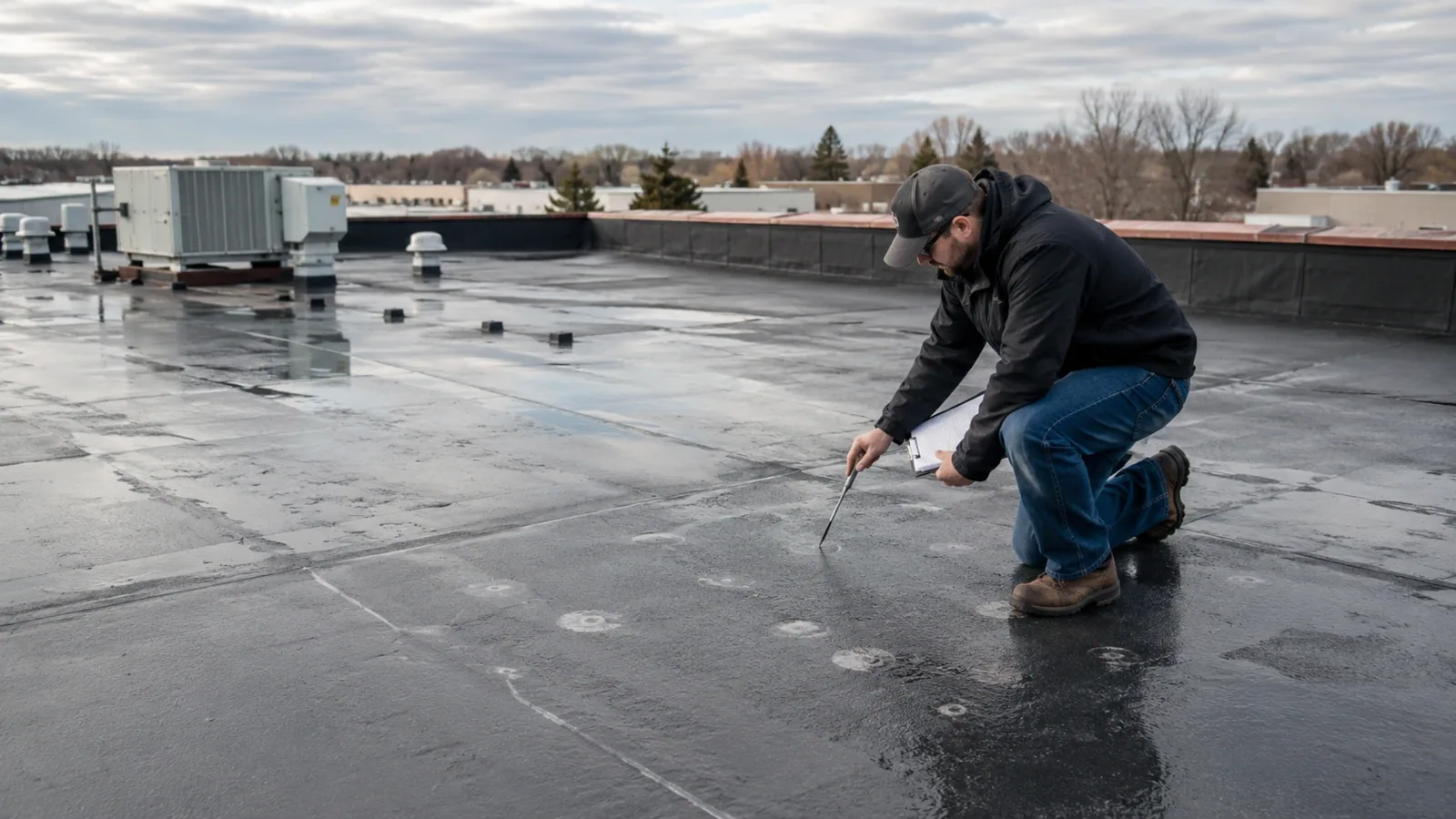
A narrow lap opening can admit water across a much wider roof section. On a commercial building in Murfreesboro, TN, we identify the membrane and seam type, then check whether the split is isolated or follows a stressed field joint, corner, or transition. A welded thermoplastic seam, an adhered rubber lap, and a metal panel joint need different preparation. We photograph the opening, probe where appropriate, and mark a repair boundary that reaches secure, compatible material instead of covering the visible gap with an untested patch.
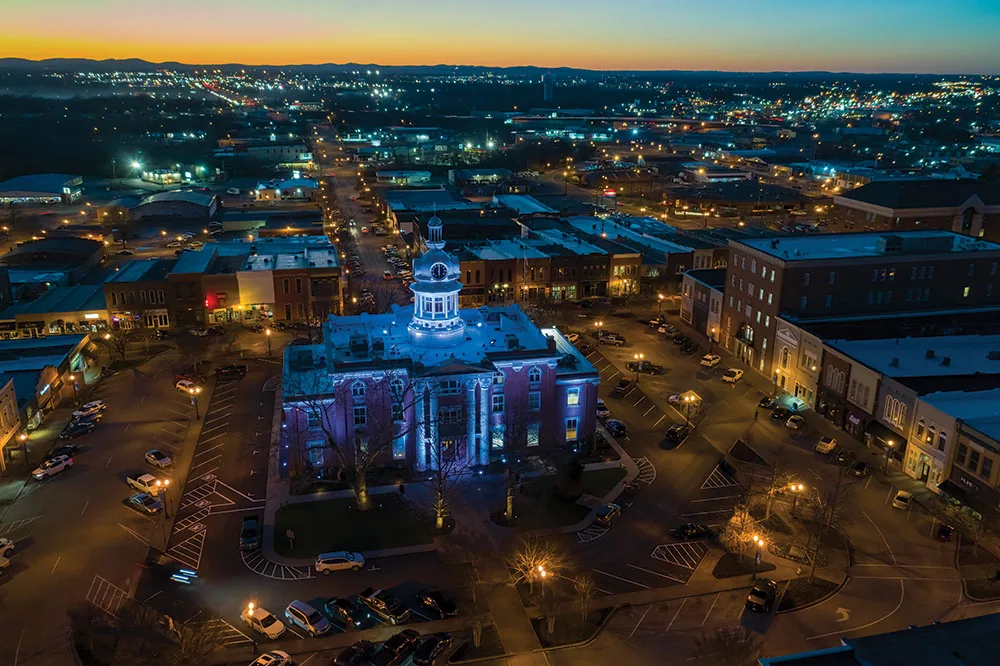
The city records frequent measurable precipitation in its NOAA climate normals, so a seam repair must close cleanly before water reaches the insulation or deck. That average does not say when a roof will see rain. We check current conditions, determine whether moisture is present, and protect an open test area at shift end. If the seam is part of a larger movement or attachment problem, the scope names that condition separately. The owner can then compare a local repair with a section replacement or a broader roof plan.
Read the seam before opening it
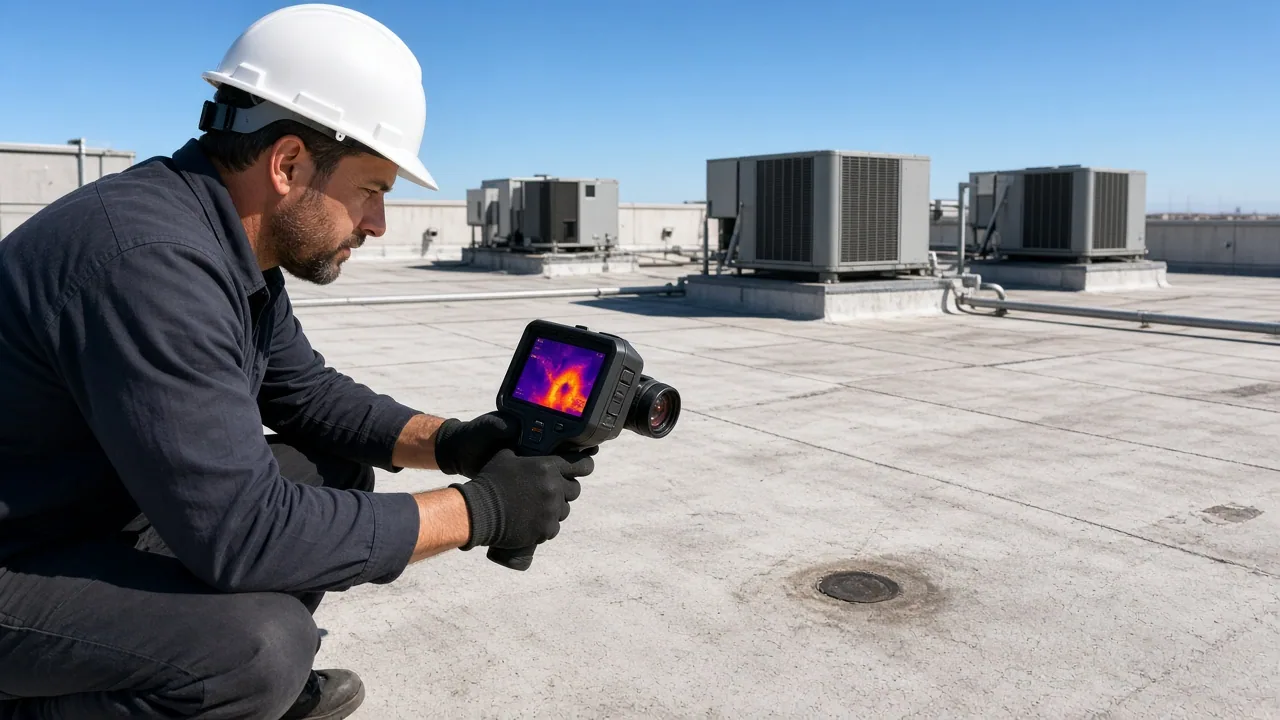
We inspect both sides of the lap, its end laps, corners, terminations, and any repair material already in place. A probe can help show whether a thermoplastic weld remains continuous, while an EPDM lap requires review of the bond surface and seam tape condition. Metal roofs need a check of fasteners, panel movement, clips, and sealant at the joint. Dirt, coating, moisture, or incompatible patch material can make a superficial bond look closed when the tie-in is weak. We record the system and surface condition before selecting preparation and repair material.
On May 26, 2024, the National Weather Service recorded separate hail reports west of Murfreesboro, including 1.25-inch and 1.75-inch observations. A reported storm can prompt a roof walk, but it does not establish that a seam opened or that the full roof was affected. We inspect this lap and nearby edges for impact marks, splits, displaced surfacing, or a fastener change. The work begins with the observed condition and the roof assembly, not a weather report alone.
Check what pulled the lap apart
Open seams can follow sheet shrinkage, poor adhesion, a weak termination, thermal movement, traffic damage, or an earlier repair that did not bond. We look beyond the split to see whether the membrane is pulling from a curb or wall, whether attachment is loose, and whether the substrate is stable. If water is trapped below the sheet, a new surface weld will not correct the wet assembly. We identify the cause we can see and list any concealed condition that needs a test cut before the repair limit is set.
Murfreesboro's future-land-use plan includes office, medical, manufacturing, distribution, and food-production uses. Those building activities can place different demands on roof access and material staging, but they do not define a roof's seam type. I-24 and US 231 form part of the regional route network, so we coordinate delivery and work-zone timing with the facility contact. A roof inspection can map related joints by section when the leak is not isolated to one lap.
Tie the repair into compatible material
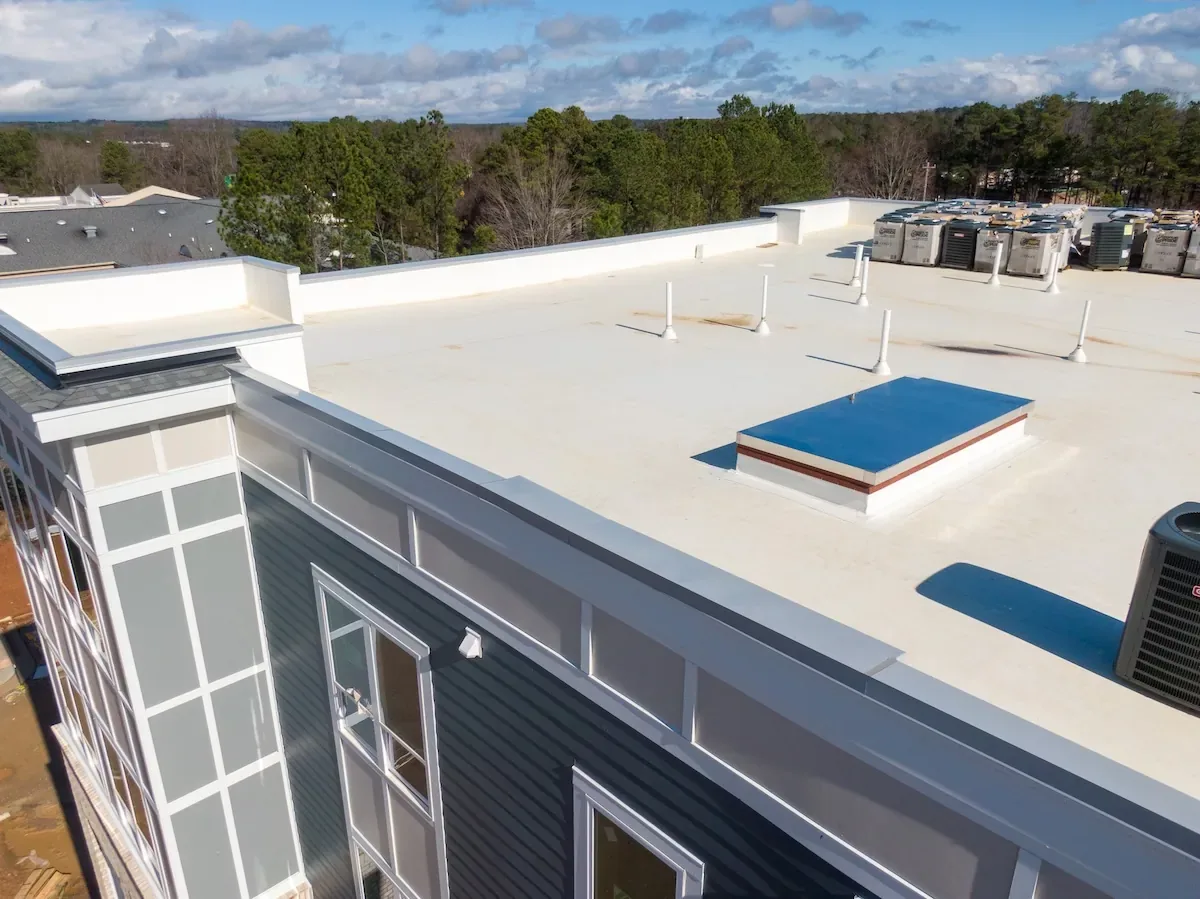
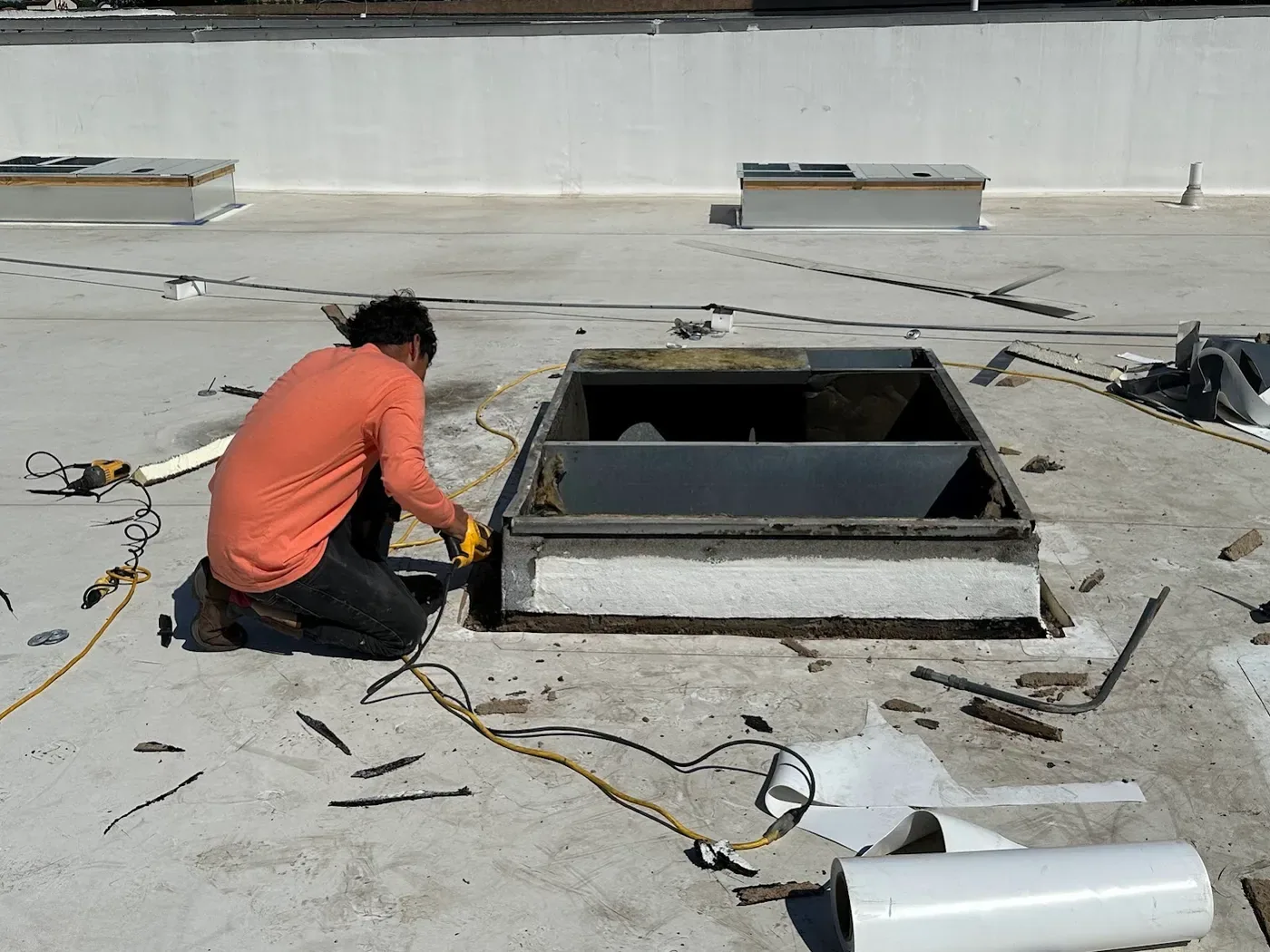
For a thermoplastic membrane, the work area is cleaned and prepared before the crew makes a new weld and checks its edge. A repair strip must extend onto sound sheet, with corners shaped so water cannot catch an exposed point. On an adhered rubber roof, the lap is cleaned using the system-appropriate method and repaired with compatible tape or flashing materials. Standing seam metal may call for fastening or panel-detail work instead of a membrane patch. We do not assume that a coating or general-purpose sealant can substitute for the required seam preparation.
Each material has limits around temperature, moisture, contamination, and cure or weld conditions. We use the manufacturer's installation requirements for the installed system and hold work when the surface cannot support a durable tie-in. If a prior coating or patch covers the lap, we determine whether it can be removed without damaging the sheet. For a broader roof replacement, the TPO system or EPDM assembly is selected only after deck, insulation, drainage, attachment, and use are reviewed.
Confirm what is below the split
A seam can be open while the insulation below remains dry, or water can travel from the opening before it appears indoors. We compare the roof finding with leak reports, drain paths, deck joints, and earlier patches. A moisture scan can help choose a test location, but the reading is not a diagnosis on its own. Where a cut or core is needed, the owner approves the area, we document the layers and deck, and then restore the opening before leaving. That check can change a small lap repair into a wider dry-out or replacement scope.
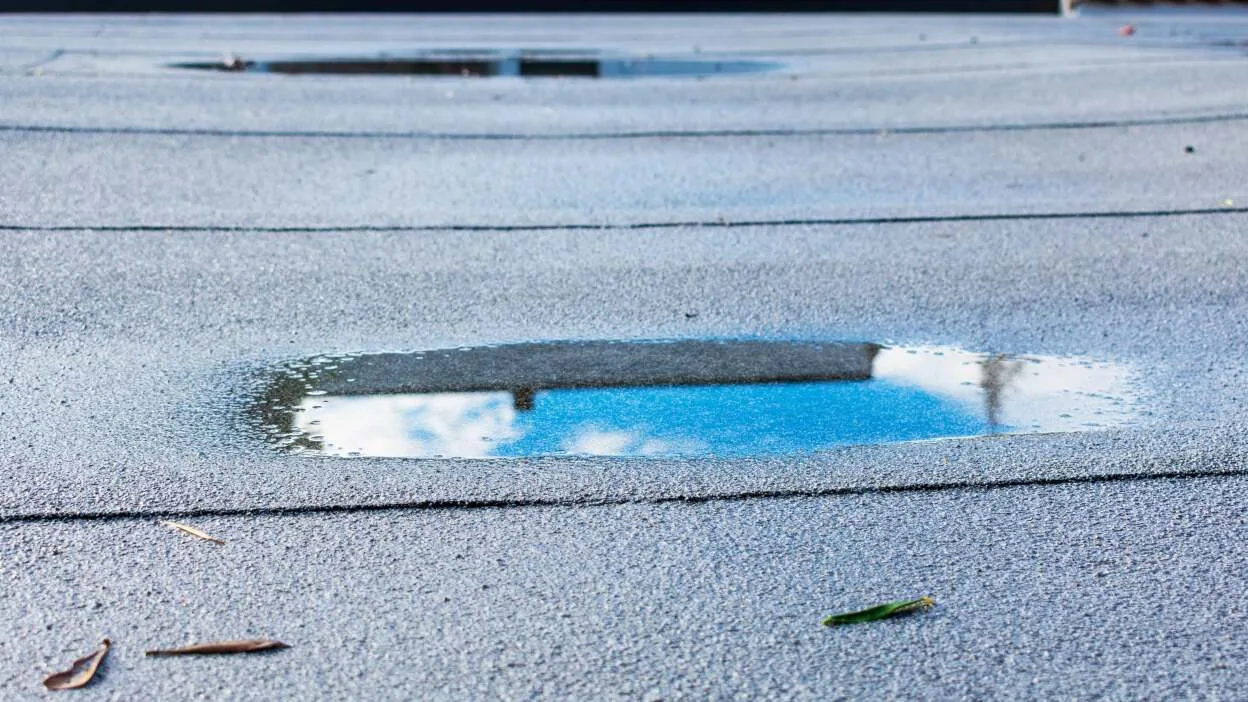
If the roof is above an occupied office or production area, we confirm interior access and protection before testing. Water staining near a wall may point to a separate flashing failure, while water collected at a low point calls for a drainage check. The repair list keeps those conditions separate. That lets the property team assign access and budget to each roof section without assuming one visible seam explains every interior report.
Set the limits and work window
A bounded repair is appropriate when the adjacent membrane remains bonded and the deck and insulation are suitable. Repeated openings, brittle or shrunken sheet, multiple wet areas, and widespread attachment issues can support a section replacement or reroof instead. We compare repair, recover, and replacement paths using the observed layers, moisture, edge height, drainage, and building schedule. Each estimate identifies what is included, what is excluded, and what further testing could change before material is ordered.
Work sequencing follows the roof area and the building's loading window. We stage materials so drains, access paths, and equipment clearances remain usable, and close any open lap before a weather hold. Murfreesboro's warm-season heat and freezing nights are included in long-range weather planning, while actual installation conditions control the day of work. The occupied-building sequence can keep separate sections open for use. For local commercial properties, our Blackman-area roof work is scoped to the actual building and access plan.
Leave the seam in the roof record
Closeout photos should show the full lap, the repair strip, each end, and a roof-plan reference. We record the membrane system, surface preparation, material, and any remaining adjacent condition. If the owner keeps a roof asset file, the record can be placed beside prior leak and repair records. A follow-up walk can compare the same seam after suitable weather, particularly when several repairs or roof sections share one drainage path.
The crew also checks that nearby drains remain open, loose materials have been removed, and the tie-in is secure at the end of the shift. If the repair was temporary, that limit and the next required step are written plainly. A final condition report gives the facility contact a clear reference for maintenance or capital planning. The repair is complete when the boundary, material, and remaining work are understandable to the next person who opens the file.
Commercial Roofing Questions
Can one open seam be welded or patched?
Yes, when the adjoining sheet and substrate are sound and the repair material matches the assembly. We inspect the lap and its cause before preparing a tie-in.
Does hail automatically split a roof seam?
No. A weather report does not establish the condition of a particular lap. We inspect the membrane, seam, and nearby details and photograph any impact or opening we find.
Why do you check beyond the visible gap?
The sheet may be pulling from a corner, curb, or termination. We look for the load or moisture path that opened the seam so the repair reaches a stable boundary.
Can a coated roof seam be repaired?
It can, but we first identify the coating and membrane and determine whether the surface can be prepared without weakening the sheet. The repair must bond to compatible material.
What findings would make replacement preferable?
Widespread shrinkage, repeated open laps, wet insulation, unstable deck, or attachment failure can make a section replacement more practical than recurring patches. We document the basis.
Related Roofing Work
More commercial roofing work connected to Commercial Roof Seam Repair in Murfreesboro.
Inspect the open seam
Send the roof plan, leak location, and available access window. We will identify the membrane, check the lap and surrounding assembly, and document the repair limit.