
Commercial Storm Damage Roof Repair in Murfreesboro, TN
Commercial storm roof repair in Murfreesboro, TN starts with a safe roof walk, marked damage, temporary protection, and a repair scope tied to operations.
Commercial Storm Damage Roof Repair
A production shift, clinic schedule, or delivery window can keep running while a storm leaves a roof section open to water. In Murfreesboro, TN, we start with the reported area, safe access, and the building use below it. We separate active openings from surface marks, then set a repair boundary the facility lead can check. If water is moving now, our crews can respond any hour of the week, including holidays, to assess the roof and protect the affected space.
The next move depends on what the roof and deck show. A small puncture, displaced edge, wet insulation, and a damaged curb need different repairs. We document the condition before covering it, plan protection for exposed materials, and coordinate the work area with the people keeping the building open.
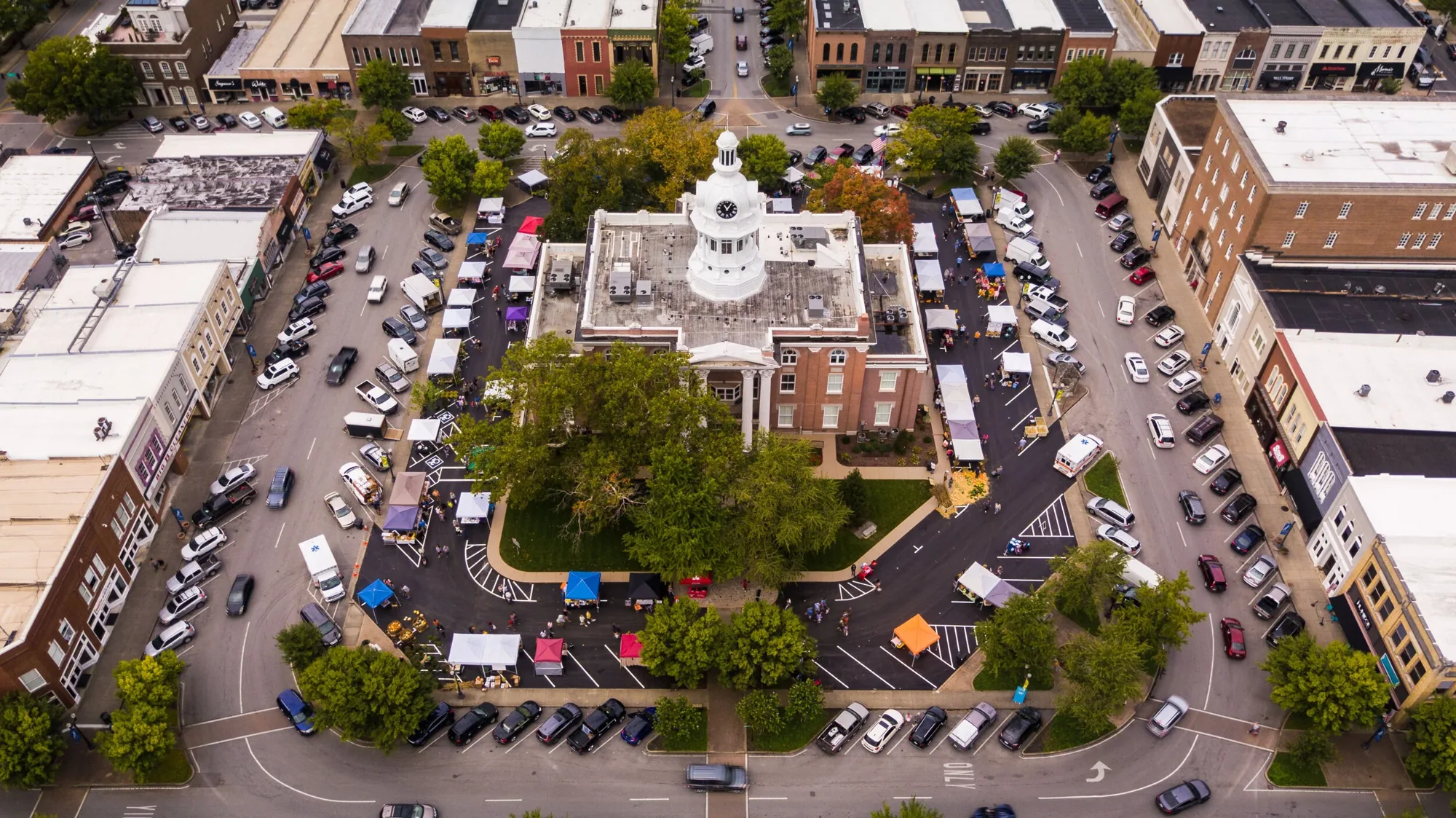
Separate the Active Opening From the Reported Area
Water inside does not mark the roof entry point by itself. We trace the likely path from the ceiling report to the roof section above, then inspect seams, fasteners, edge metal, drains, penetrations, and prior repair boundaries. On a metal roof, we look for displaced panels, loose trim, and openings at laps or fasteners. On a membrane, we check cuts, punctures, lifted seams, and flashing transitions. Photos tie each observation to a roof area rather than leaving the owner with an unlocated list.
The building's use changes staging. A general industrial property may have loading activity, storage yards, and manufacturing space, which makes a clear route for a lift and materials important. We schedule the roof walk around dock movements and mark where another trade has equipment or lines on the roof. For a multi-tenant office or medical property, we agree on access, noise windows, and the area below the repair before opening the assembly.
Use the Reported Storm as a Starting Point
Murfreesboro has documented hail observations from more than one direction. On May 26, 2024, reports near the city included 1.25-inch hail west-southwest of town and 1.75-inch hail to the west. Those reports make a roof walk reasonable after a local hail call, but they do not identify which building was struck. We inspect the actual membrane, metal panels, edge details, and rooftop equipment before assigning damage to a roof section.
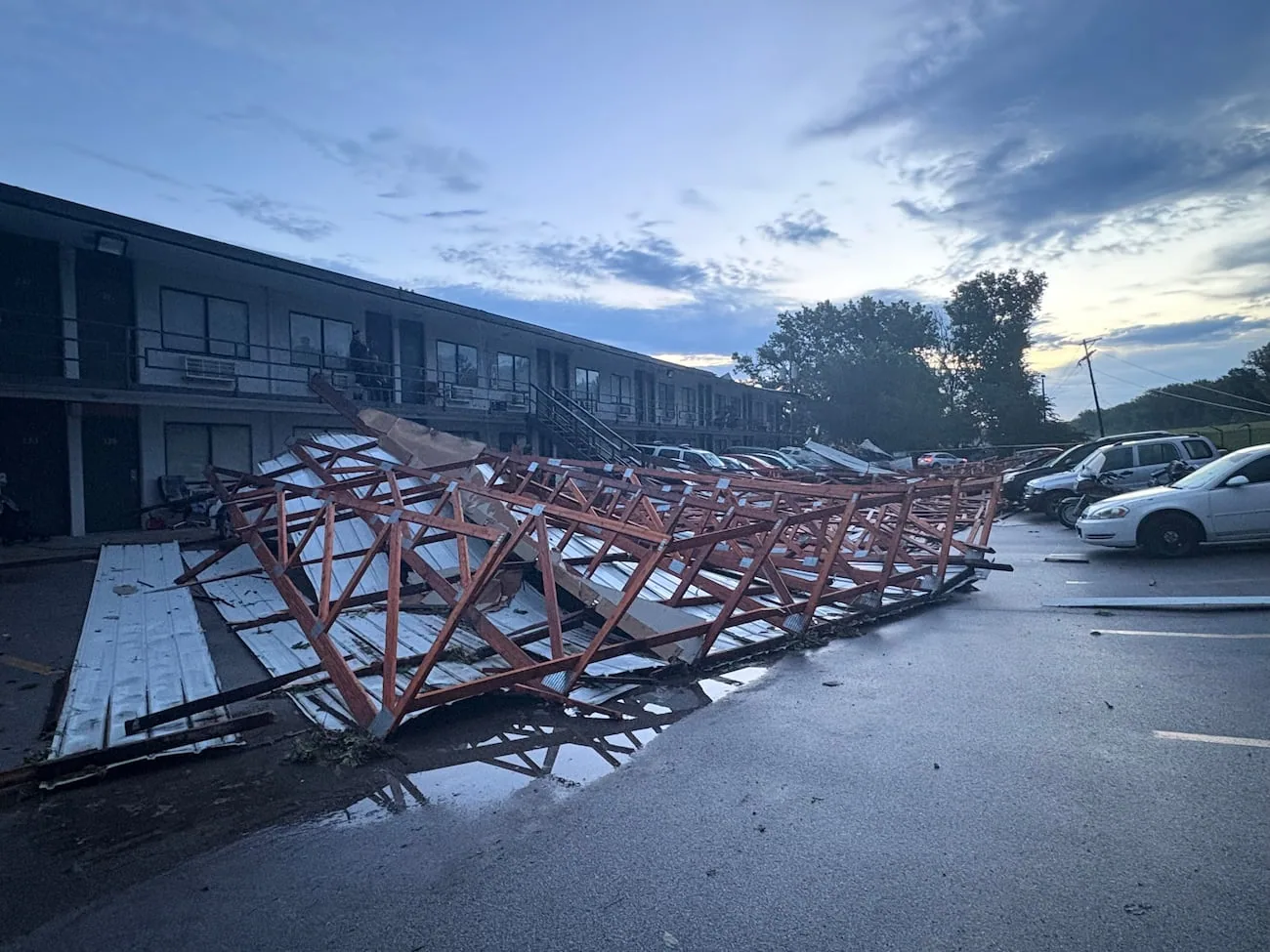
A July 2024 EF-0 tornado crossed a 3.38-mile path in Murfreesboro with estimated maximum winds of 75 miles per hour. The wider event included documented tree damage, minor siding loss, and minor roof damage. After a wind report, we check perimeter edges, corners, coping, panel attachment, and flashing around curbs. A disturbed edge can admit water even when the central roof field looks unchanged. We record visible damage and the limits of areas we could safely reach.
Protect the Building While the Roof Is Open
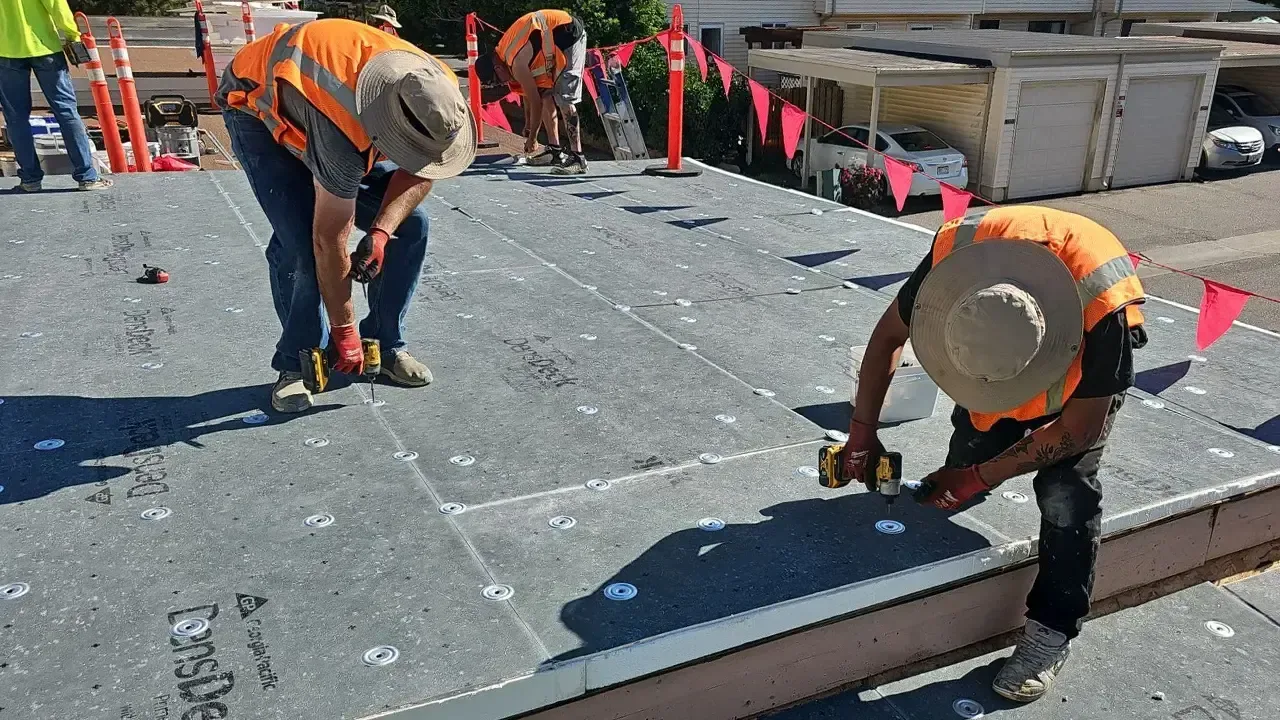
Temporary protection is a separate work item from permanent repair. We identify the opening, the material condition, and the next weather window, then secure a temporary cover or isolation measure appropriate to the roof. The work plan records how the cover is held, which roof area remains exposed, and when it needs a return visit. A temporary patch can reduce immediate exposure, but it does not settle the question of wet insulation, damaged deck, or a failed tie-in below it.
Before removing wet or unstable material, we confirm where the repair can stop and what support the assembly needs at that boundary. The crew protects the opening at shift end, keeps removed material out of drains and scuppers, and leaves a route for safe inspection. If the deck condition is uncertain, we show the affected area to the owner before expanding the cut. That decision keeps the repair tied to visible conditions and avoids covering damage that still needs review.
Set a Repair Boundary That Can Be Inspected
The permanent repair has to connect sound material to sound material. A membrane patch needs a compatible surface and enough room to prepare the tie-in. Metal work may require replacing a damaged panel or fastening the edge detail again. Flashing at a curb or wall needs a watertight transition that does not hide a loose substrate. We identify the specified material where it is known, confirm compatibility, and keep the repair limits visible in photos and records.
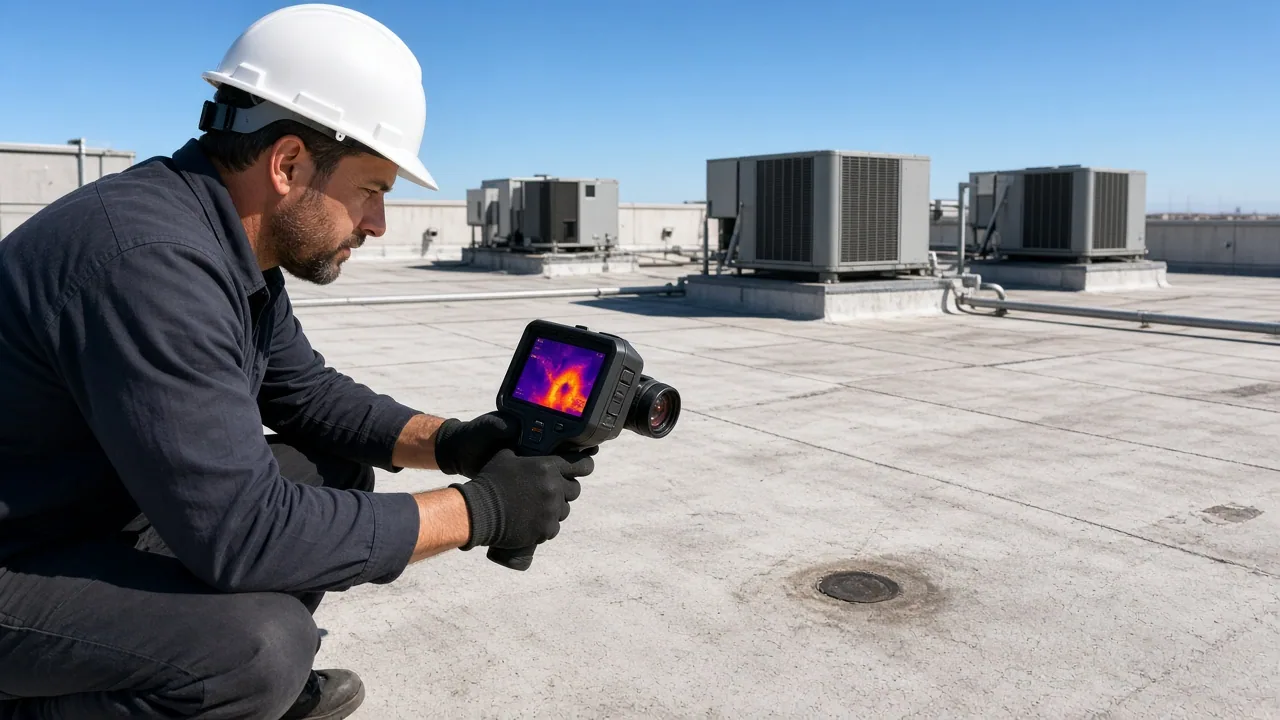
When moisture extends beyond the opening, a local patch may leave a larger assembly problem in place. We can use an infrared moisture survey or targeted test cuts when the roof walk does not resolve the wet-area boundary. The findings inform whether the next step is additional repair, a larger section replacement, or a separate capital decision. A commercial roof inspection can document conditions beyond the immediate storm call, while a repair scope for a localized defect keeps the urgent work defined.
Drains, scuppers, and edge paths are part of the closeout, not just the repair itself. We clear debris from work areas and record any outlet or overflow that remains restricted. At a property near Medical Center Parkway, for example, the building's office, medical, or commercial use can make access and tenant continuity part of the sequence. We do not infer roof condition from the surrounding land use. We inspect the assembly and set the boundary from the roof findings.
Keep the Repair Record Tied to Roof Sections
Insurance documentation should describe observed conditions and repair work without assigning a cause the inspection cannot support. We can provide dated photos, measurements where useful, and a description of temporary protection and permanent repairs. A hail repair review focuses on the roof evidence, while a wind-related roof assessment records edge, seam, and attachment conditions.
When a larger weather event is reported, we plan the walk around safe roof access and current conditions. The Old Fort Parkway area and Medical Center Parkway corridor include different commercial building uses, so staging and the affected interior space need to be confirmed for each property. A photo-backed condition report can separate immediate repairs from longer-term work if the inspection finds more than one roof issue.
Choose Repair, Monitoring, or a Larger Scope
A repair is appropriate when the damage boundary is contained and the surrounding assembly can accept a durable tie-in. Monitoring may be reasonable when the observed mark is not an opening, provided the owner knows what to watch and when the area will be checked again. If wet insulation, repeated repairs, loose attachment, or deck deterioration extends across multiple sections, replacement or recover may deserve a separate comparison. We do not use a storm report as a shortcut to a roof-wide recommendation.
Cost and timing follow the actual work: roof access, material availability, repair depth, removal limits, protection below, equipment moves, and how many shifts the building can support. A time-sensitive response can address active exposure first, with a later permanent repair if weather or material conditions prevent the final detail during the initial visit. The written scope identifies what is complete and what still needs an approved work window.
Commercial Roofing Questions
What should we protect first after water enters a production or storage area?
We first locate the active opening and the area below it, then coordinate temporary protection with the facility lead. Equipment, product, electrical spaces, and occupied routes may need different isolation. We record the roof section and work performed so the permanent repair can begin from a known point.
Can hail reports near Murfreesboro establish damage to our roof?
No. A regional report is a reason to inspect, not proof that a specific roof was struck. We check the actual membrane, metal, edge, seams, curbs, and interior report, then document conditions observed at your property.
When does a storm repair expand beyond a patch?
A broader scope is considered when moisture or failed attachment continues past the visible opening, or when the deck cannot hold a reliable tie-in. We show the repair boundary and findings before extending the work.
How do you work around deliveries and tenants during a roof repair?
We set the roof access route, lift or staging area, and shift window with the facility contact. Dock traffic, occupied space, and any roof equipment that must stay in service are included in the sequence.
What should the closeout include for a claim file?
A practical record includes dated roof-section photos, observed damage, temporary protection, repair materials and limits, and any unresolved condition. We describe what the inspection showed without assigning unsupported cause or policy coverage.
Related Roofing Work
More commercial roofing work connected to Commercial Storm Damage Roof Repair in Murfreesboro.
Set the Roof Walk and Repair Window
Share the affected roof area, interior report, building use, and access window. We will assess the opening, document the repair boundary, and provide a written scope for the next work step.