Shopping Center Roofing in Murfreesboro, TN
Murfreesboro shopping center roofing needs clear tenant routes and staged repairs. We trace leaks, check drains and flashings, and price each roof section.
Shopping Center Roofing
A shopping-center roof can affect several tenants before anyone sees water in a ceiling. In Murfreesboro, TN, we start at the reported suite, trace the likely path uphill, then map the work zone against storefronts, customer parking, loading doors, and rooftop equipment. A roof plan may show one connected field, but additions, tenant buildouts, and old patches can leave different assemblies under the same address. We confirm the system on the roof before setting a repair boundary.
The city’s land-use plan places general commercial development along arterial and collector routes, where vehicle access and parking shape site design. That setting makes entrances and drive aisles part of the roofing sequence. We identify the lift location, debris route, and daily dry-in limit with property management. For a first condition baseline, a commercial roof inspection ties findings to the affected section.
Keep Tenant Doors and Delivery Paths Open
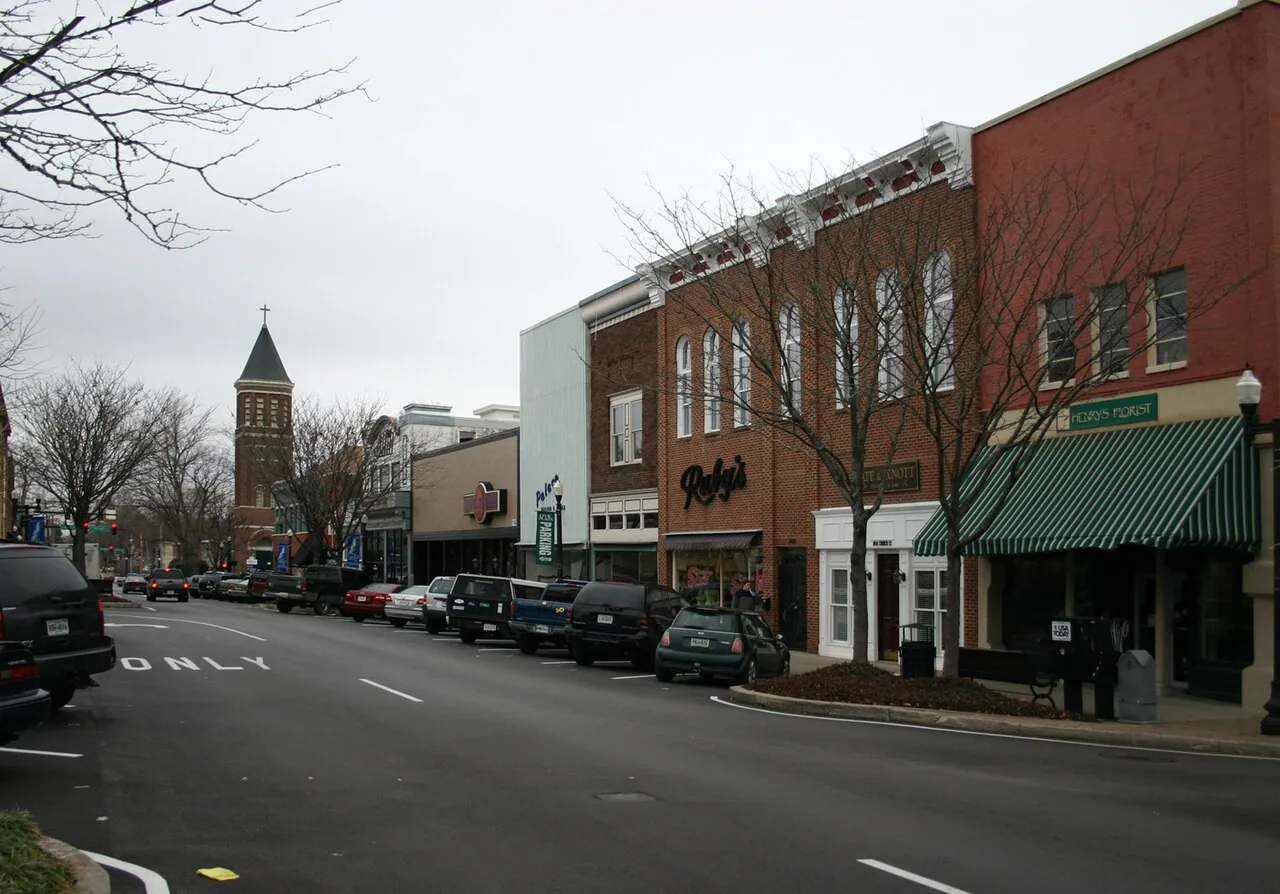
Before material arrives, mark the occupied storefronts, service doors, loading windows, and any customer route that must stay clear. We agree on a lift zone and ground-level exclusion area, then divide the roof into sections the crew can close before leaving. If tear-off reveals wet insulation or a damaged deck, the crew stops at the agreed limit, photographs the condition, and returns a separate scope. The next area does not open until management releases it. A tenant notice should identify the storefront affected, the hours of louder work, and the route customers can use while the crew is above the adjacent bay.
Planned improvements touch SR 99/New Salem Highway and Thompson Lane, which makes each center’s current gate and delivery path worth confirming. Delivery timing can change with local access, but the center's gate and tenant schedules set the work plan. Occupied-building phasing assigns a contact for tenant notices, noise windows, and handback. Keep the affected suite and roof section paired in each update, so a property manager can answer a tenant without guessing which repair is underway.
Find the Entry Point Before Opening a Large Area
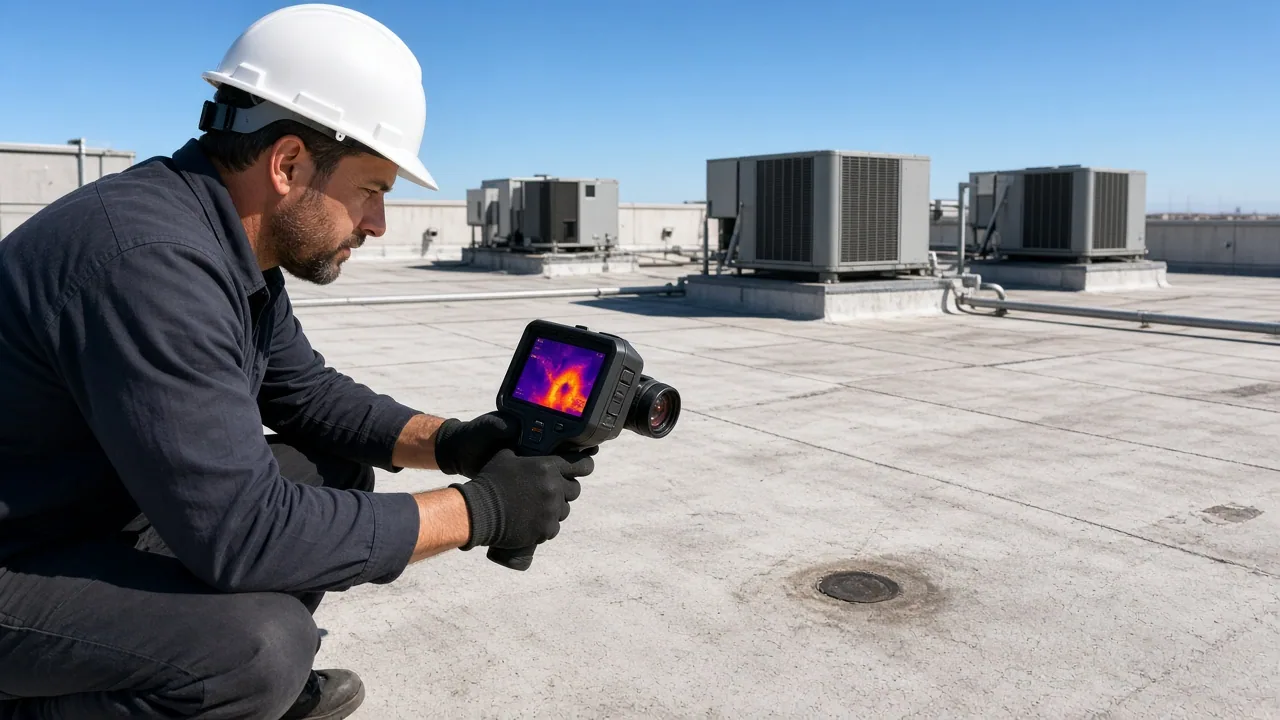
A stain near a demising wall can start at a curb, seam, parapet, or drain several feet away. We inspect the path uphill, check the roof field for prior patches, and compare the inside report with low spots and penetrations. When two suites report water after the same storm, each path still needs a separate check. A test opening can show wet insulation and deck condition, but we agree on its size and closure method first.
At Murfreesboro 5 N, annual precipitation averages 55.92 inches over 134.5 measurable-rain days. For a center, log drain response and any repeat ponding after each inspection. A center's maintenance file can make that pattern actionable by recording which outlets slow, where ponding returns, and which tenant reports recur. A drain and scupper repair handles the outlet problem confirmed during inspection. A moisture survey can help prioritize test locations when concealed wet areas are suspected.
Check the Field, Transitions, and Tenant Additions
We identify TPO, PVC, EPDM, modified bitumen, built-up roofing, metal, or coating before selecting a repair material. The inspection includes seams, edge metal, curb flashing, wall terminations, and changes in deck or insulation. A tenant improvement may have added a duct or sign support through the roof; the flashing around it is part of the water path. We separate a roofing defect from an equipment trade item and show where one scope hands off to another.
When the field is welded single-ply, a TPO repair needs a clean surface and sound weldable material. An expansive retail roof review considers longer access routes and store operations; restaurant roof work accounts for exhaust and kitchen hours. Those building uses change coordination, while the repair method follows the assembly actually installed at this center.
Separate Storm Protection from Permanent Repair
After hail or wind, we document punctures, loose edge metal, lifted flashing, and any opening that needs immediate cover. Temporary protection can stop water while the full roof area is checked. We mark the inspection limits and photograph the membrane from consistent points. That record helps distinguish a new impact from an older patch or a condition unrelated to the storm, and it gives the owner a defined repair list.
A 3.38-mile EF-0 tornado track crossed Murfreesboro in July 2024; estimated peak winds were 75 mph, with minor roof damage recorded across the wider event area. A local storm record is context; this property's observed condition drives the scope. Tornado and wind repair can begin with temporary dry-in, while commercial properties near Old Fort Parkway still need access planned for their own entrances and tenant hours.
Price Repair, Recover, and Replacement Separately
A focused repair can work when the surrounding membrane remains secure and the test area is dry. More widespread moisture, repeated seam failure, or weak attachment can make a larger section the better comparison. We show where removal begins, what layers stay, and which transitions need new flashing. If a recover is possible, the proposal checks height at drains, parapets, storefront canopies, and equipment supports before treating it as a simple overlay.
Property managers can compare immediate leak control against work planned for a future tenant turnover. A recover evaluation checks the current assembly, while a photo condition report keeps each tenant issue tied to a mapped roof area. A multifamily roof scope addresses occupied residential routes; an inspection near Medical Center Parkway can be arranged around an active commercial entrance.
Give Management a Useful Tenant Record
Closeout photos should show the completed seam, flashing, outlet, or temporary cover with the roof area identified. We record material, preparation, test results, and any item that remains open. Management can then connect the work to the tenant report, notify the right suite, and schedule follow-up without rebuilding the story from email. If another trade must move equipment or signage, the record identifies that handoff clearly.
Send the roof plan, suite locations, tenant hours, prior repair history, and access rules. We will walk the roof, confirm the assembly, and return a scope organized by section and operating window. Each item states what will be repaired, what must be protected below, and what would expand the work if uncovered. The decision stays with this roof condition, not a broad assumption about every storefront in the center. A dated map also helps the next manager match a recurring report to the exact section.
Commercial Roofing Questions
Can tenants keep operating while a shopping-center roof is repaired?
Often, with a marked work zone, a lift window, and a section small enough to dry in the same shift. We coordinate entrances and deliveries with management before material is staged.
Why can two suites have leaks from one roof area?
Water can travel along a deck or insulation before it shows inside. We inspect above each report, compare the paths, and document whether one repair boundary covers both or separate details are involved.
How do you limit customer disruption during replacement?
We set the lift and ground exclusion area, identify which doors remain open, and phase tear-off by section. Management receives the daily boundary and handback point before work begins.
Is a coating a good fit for a shopping-center roof?
Only when the existing assembly is suitable and the surface can be prepared. We check adhesion, moisture, flashing, and drainage first, then price coating against repair or replacement where those options fit.
What records should a property manager keep after roof work?
Keep the marked roof plan, dated photos, materials, test results, and any follow-up item with the tenant report. That makes the next leak call easier to compare with the repaired section.
Related Roofing Work
More commercial roofing work connected to Shopping Center Roofing in Murfreesboro.
Scope a Shopping Center Roof
Send the roof plan, tenant reports, access hours, and prior repair notes. We will map the affected sections and return a repair, recover, or replacement scope with tenant coordination points.