
Big-Box Retail Roofing in Murfreesboro, TN
Big-box roof repairs in Murfreesboro must protect sales floors, receiving bays, and rooftop equipment. We map the leak, set a dry-in boundary, and phase work.
Big-Box Retail Roofing
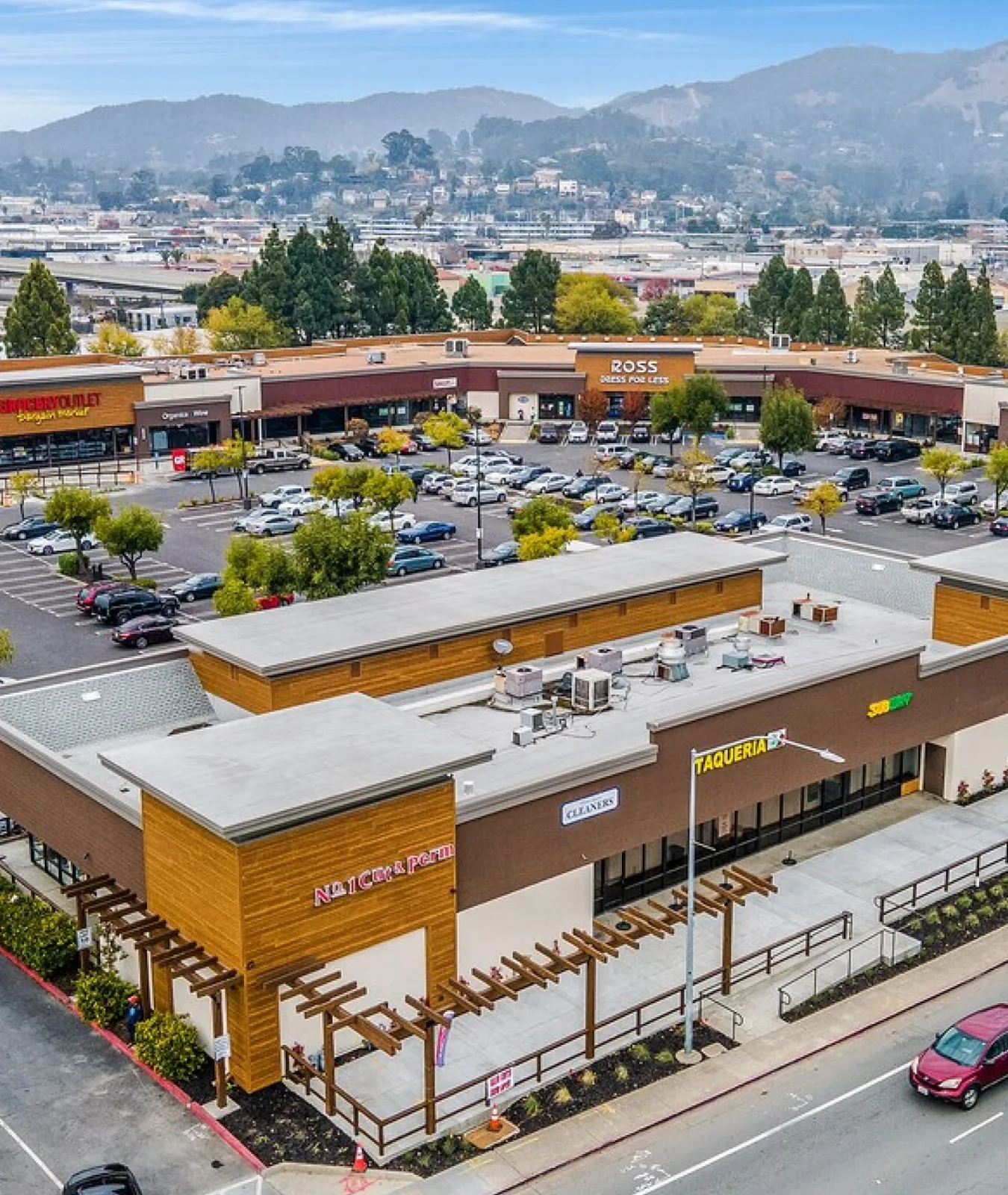
A big-box roof can cover a long sales floor, receiving bay, and several mechanical zones under one membrane. In Murfreesboro, TN, we locate the affected aisle or back-of-house area, then trace the roof field above it before setting a repair boundary. The floor plan helps find the report; the roof inspection confirms where water entered. We check seams, drains, curbs, and transitions between additions, then coordinate a lift and work zone that keeps customer and truck paths clear.
The city land-use plan places general commercial uses along arterial and collector routes, with parking and vehicle access shaping site design. That is useful context for delivery staging, not a statement about any one store's property. We inspect the actual roof and the store's receiving plan. A roof condition inspection gives management a mapped starting point before repair or replacement is priced.
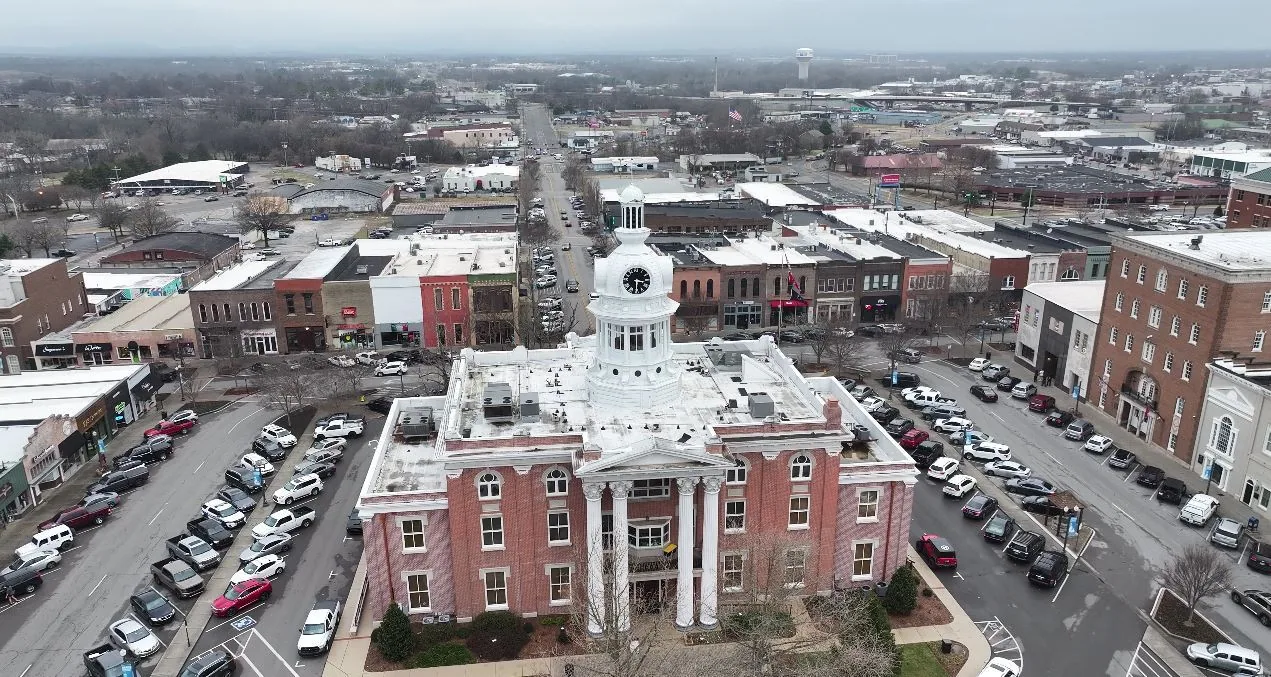
Keep Receiving and Customer Paths Moving
Agree on the loading window, lift location, trailer clearance, and customer entrance before the first bundle reaches the roof. We mark the ground exclusion zone and confirm the route for debris. Above, the crew divides the field into sections that can be protected and closed each shift. An active receiving door can change the best access point even when the roof opening is several bays away. The store lead needs one clear contact for delays or a weather hold.
Planned improvements on Thompson Lane, Greenland Drive, and SR 99/New Salem Highway make the property’s current gate the reliable guide for carrier access. Carrier timing should be checked against current access at the property rather than assumed from a map. Occupied-store sequencing assigns a work boundary, noise window, and handback time. If an exposed section cannot be closed safely before conditions change, we stop at the planned limit and protect the opening instead of pushing tear-off farther.
Follow the Water to the Roof Detail
A wet ceiling tile can sit well away from a split seam or failed curb. We map the aisle or stock area, check above it, and trace water uphill across the roof. Drains, overflow paths, penetration flashings, and old patches all get inspected. On a wide field, the walk is broken into marked zones so a finding can be located again. If insulation is suspect, a test opening confirms the condition before a larger removal area is proposed.
Murfreesboro 5 N records an annual precipitation normal of 55.92 inches and 134.5 days with measurable rain. Track how each outlet clears after storms and whether low areas return. A store can turn that context into a useful maintenance log by tracking outlets that slow, repeated ceiling reports, and ponding after storms. A drain and overflow scope addresses the outlet issue found on the roof walk. Where concealed moisture is suspected, moisture mapping can help select test points, with the roof assembly confirming the result.
Identify the System Across Additions
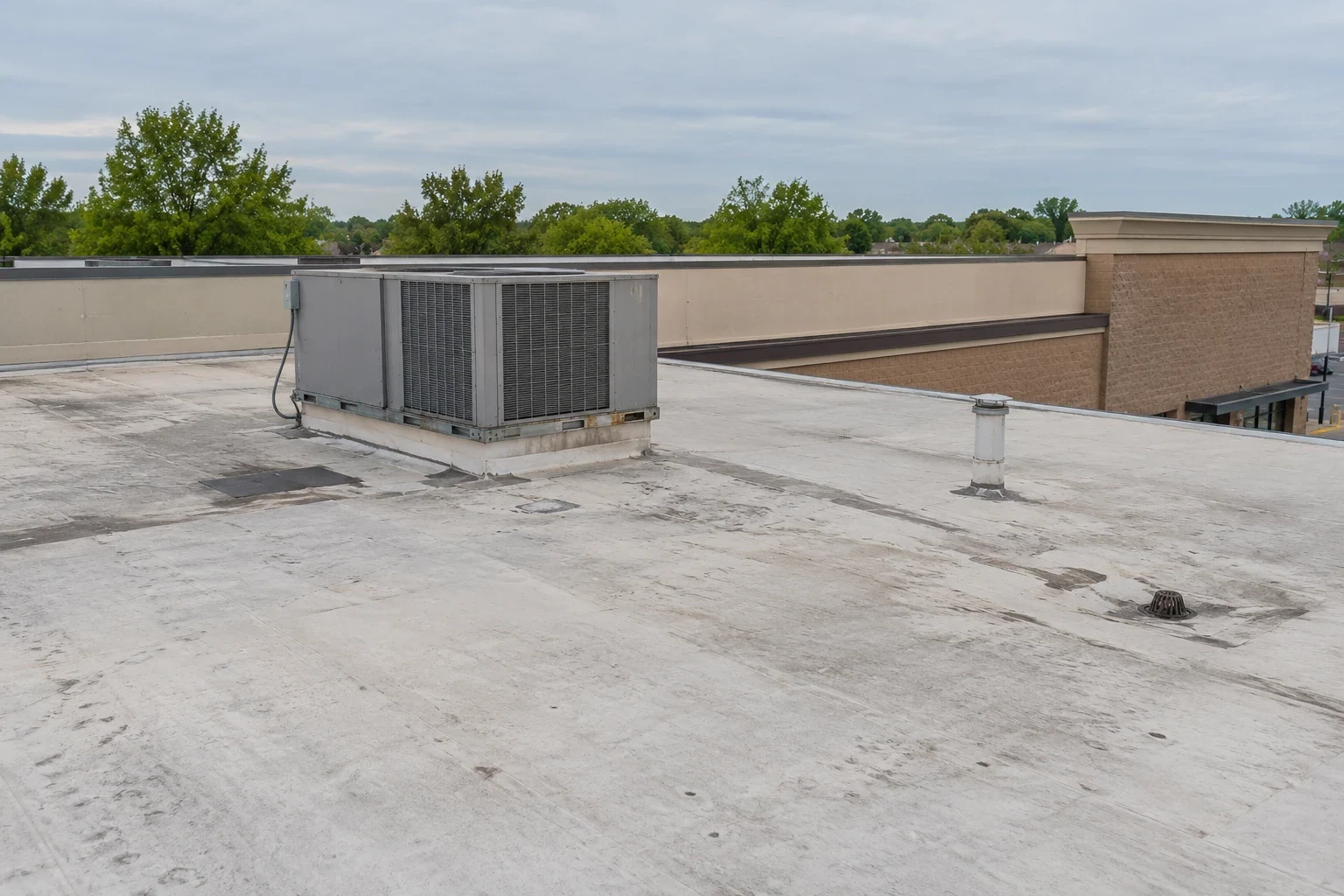
Big-box properties can have an original roof, an expansion, and equipment curbs added later. An addition may use welded sheet while an older wing carries a multi-ply field or metal panels. We record each assembly and mark its transition before preparing a repair. A patch that bonds to one assembly may fail on the next. We inspect edge details and wall transitions alongside the field because a broad membrane repair does not correct a loose termination.
For a welded single-ply roof, a TPO seam repair needs a sound weld zone. A shopping-center roof review follows tenant entrances and smaller suite divisions; grocery roof work adds cooler and receiving-area coordination. Those property needs inform access, while the material choice follows what the field inspection confirms.
Document Hail and Wind by Roof Zone
After a storm, we photograph the field, perimeter, rooftop equipment, and exposed transitions. Hail can leave impact marks that need closer checking; wind can lift edge metal or stress a flashing. We record where damage is visible and where access prevented a complete look. Temporary protection handles an opening that cannot wait, while the permanent scope stays limited to confirmed roof conditions. That separation helps the store keep essential operations running.
A July 2024 EF-0 tornado covered 3.38 miles in Murfreesboro, with estimated top winds of 75 mph and minor roof damage recorded across the wider event area. The event does not establish damage at a particular store. A wind and tornado roof inspection checks the actual terminations, seams, and curbs. For buildings along New Salem Highway, the property entrance and receiving schedule still determine where crews stage.
Compare Section Repair with Replacement
A localized repair can hold when surrounding membrane is attached, insulation is dry, and the deck supports the detail. Broad wet areas, recurring seam openings, or weak attachment can make a larger replacement section more practical to compare. We identify which bays stay, where removal starts, and how the new roof will meet existing edges. A recover option needs checks at drain bowls, equipment, parapets, and door clearances before it is priced.
A recover assessment tests whether the existing layers can remain. If replacement is the better route, a sectioned replacement scope sets tear-off and dry-in limits. Photo condition records help the asset team compare future sections without mixing their findings. The written options list removal, insulation, flashing, and operation impacts as separate items.
Give the Store a Clear Closeout
Closeout should show the repaired roof zone, new seam or flashing, drains checked, and any area left for follow-up. We tie photos to the marked plan and record materials, preparation, and test results. Management can then match a later leak call to the same grid or receiving bay. If another trade must move a unit or sign support, the record names the handoff item and keeps it out of the roofing closeout.
Send the roof plan, leak location, receiving hours, equipment restrictions, and previous repair records. We will confirm the system, inspect the affected zone, and return a scope with work limits and protection steps. The decision will reflect the roof actually above the store and the hours the site can release. We can return a separate urgent-protection item and a priced permanent repair so the manager can authorize the immediate step without losing the larger comparison. No full-store shutdown is assumed when sections can be safely isolated. We also identify any HVAC or sign contractor who must coordinate a shutdown, protect a cable, or clear a curb before the roof detail can close.
Commercial Roofing Questions
Can roof work take place while the store stays open?
Yes, when the work area can be isolated and each section can be closed within the agreed shift. We coordinate customer routes, receiving, lift placement, and interior protection with the store lead.
How do you find a leak over a large sales floor?
We map the aisle or stock area, inspect the roof above and uphill, and check seams, drains, curbs, and transitions. Test openings confirm concealed moisture before removal expands.
What happens if a test opening finds wet insulation?
We stop at the agreed boundary, photograph the layers, and mark the additional area for pricing. The store contact can approve the added work before the crew extends the opening.
Can receiving remain active during reroofing?
Usually, with a separate lift and material plan that keeps the dock lane clear. We set delivery windows with the property team and do not stage across an active truck route.
Does a big-box roof need a full replacement after hail?
Not automatically. We inspect the membrane, edge metal, and flashings by zone, then separate confirmed damage from marks that do not affect performance. The proposal prices only the supported scope.
Related Roofing Work
More commercial roofing work connected to Big-Box Retail Roofing in Murfreesboro.

Plan a Big-Box Roof Inspection
Share the affected aisle, roof plan, receiving schedule, and access restrictions. We will map the condition and return a section-by-section repair or replacement scope.