Standing Seam Metal Roofing in Murfreesboro, TN
Standing seam metal roofs in Murfreesboro need secure clips, seams, and transitions. We inspect movement, drainage, and the deck before scoping repairs.
Standing Seam Metal Roofing
A standing-seam panel moves as its temperature changes, so clips and transitions need room to do their job. On a commercial metal roof in Murfreesboro, TN, we check seam closure, panel attachment, fasteners, edge metal, and openings before choosing a repair. The inspection follows the roof section from ridge or high edge to the eave and outlet. A loose seam, damaged clip, or failed penetration flashing can look similar from the ground but requires a different detail.
Panel type and attachment control the repair. We identify whether seams are snap-lock or mechanically seamed, inspect the substrate and clip spacing where accessible, and review the roof plan and prior repairs. If corrosion, movement, or repeated leakage reaches several panels, we map the area before pricing a local correction against a broader retrofit or replacement.
Allow the Panel to Move
Long metal panels expand and project. A fixed point, clip, or fastener that no longer slides can load the seam or pull a transition loose. We inspect clips, panel ends, penetrations, and rake or eave conditions for movement marks, elongated holes, oil canning, and displaced metal. Surface waviness alone does not prove a leak, but a seam that has opened or a fastener that has backed out needs a closer check. We record the actual attachment before selecting a repair.
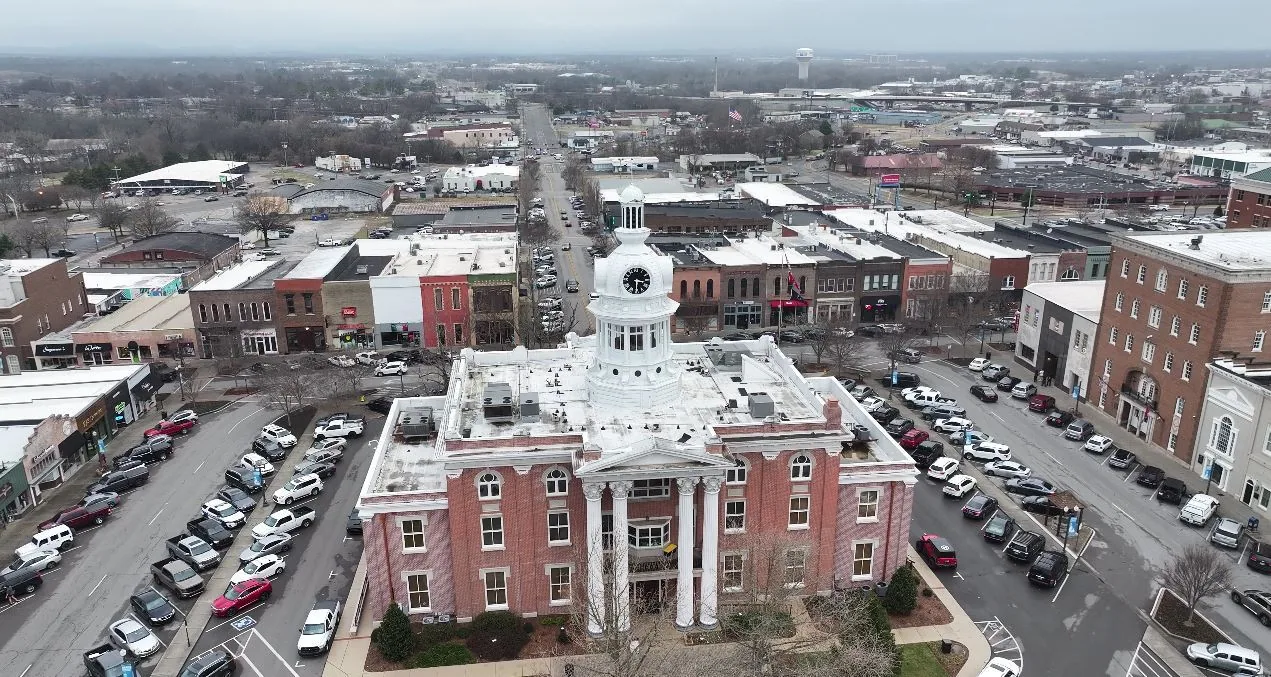
Murfreesboro normals include warm days above 90 degrees and regular freezing nights. The annual temperature range puts panel movement and flashing transitions on the walk list, though the station values do not show a defect on a particular roof. Near the Veterans Parkway corridor, a large commercial roof may have several panel runs and rooftop units; the field measurements, not the surrounding land use, determine how each run is secured.
Check the Seam and Clip Together
A standing seam can resist water when its lock is fully formed and the panel remains supported. We inspect the seam for separation, distortion, or a fastener pattern that differs across the roof. On a mechanically seamed system, the machine profile and panel material need to match. A hand-folded patch that changes the seam shape can create a new weak point. We test a repair detail on the actual metal and document where it transitions into sound panel.
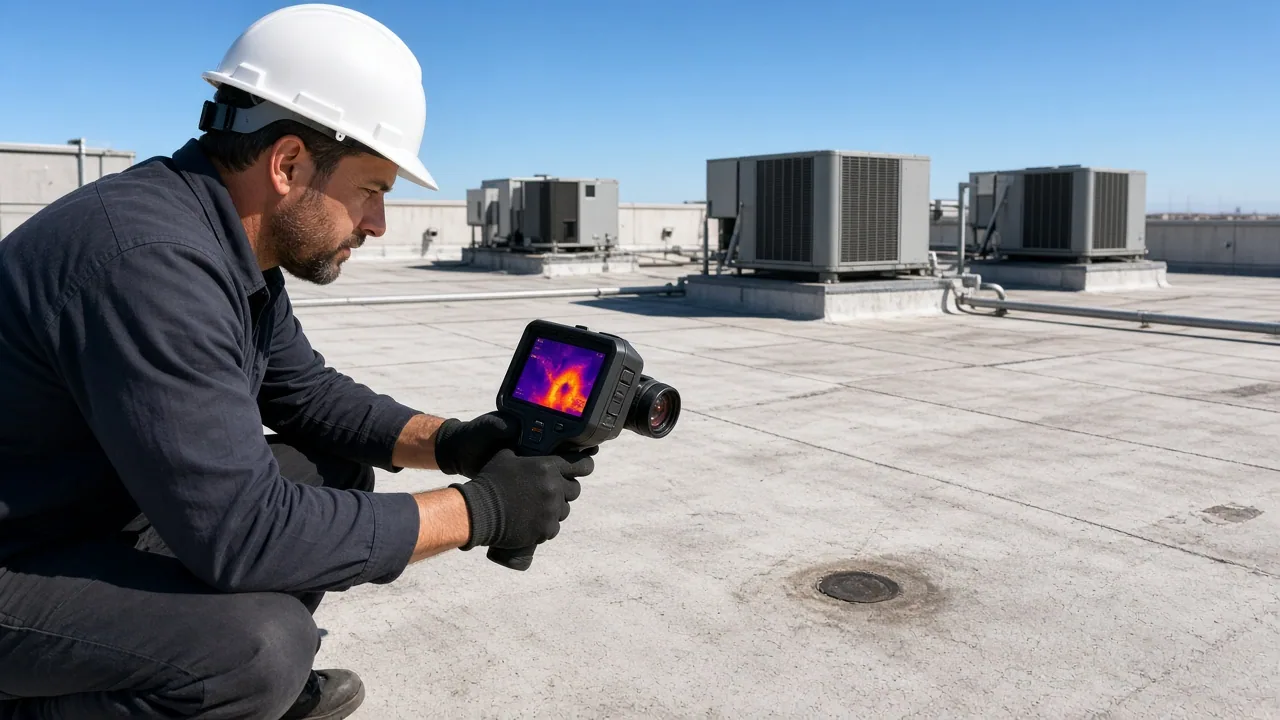
Clips sit beneath the seam, so a surface inspection may not show a loose or corroded attachment. We review accessible underside areas, panel edges, and plans before deciding whether a panel must be lifted or removed. A hands-on roof survey can map the affected run, while a storm inspection records any panel displacement or impact condition following a reported event.
Trace Water at Penetrations and Eaves
Most leaks at a metal roof start at a detail: a curb, pipe, ridge, valley, eave, or wall transition. We inspect the flashing and sealant, then check whether panel movement has torn or buckled the surrounding metal. At the eave, the membrane or underlayment has to direct water into the gutter rather than behind the fascia. We follow stains back to the likely opening and separate metal-panel work from any wet insulation or deck repair below.
The city's transportation plan lists widening work on Medical Center Parkway and other arterial routes. That informs delivery timing near the Medical Center Parkway corridor, but the roof's actual eaves, gutters, and access points decide the work area. A curb and penetration detail may need a formed transition, while gutter and edge metal work addresses the water path at the perimeter.
Choose a Repair That Matches the Profile
Sealant alone is not a durable answer for a seam that has separated because its clips no longer hold or its panels cannot move. We check whether the panel, clip, and substrate can be resecured, then determine if a replacement panel or new flashing is needed. A repair should keep the seam profile and drainage direction intact. We state which panels are included, what happens at each end, and whether adjacent metal shows the same movement.
If the exposed-fastener metal below a standing seam cover is the actual system, a metal retrofit scope may be more appropriate than a standing-seam repair. A TPO transition can be considered where the building has a low-slope adjoining section, but that membrane detail must connect at the correct height and substrate. We compare the metal condition, drainage, and building use before defining the interface.
Stage Panels Around Site Access
Long panels, a seaming machine, and a lift need a clear route and a safe staging area. We confirm delivery length, lifting points, overhead lines, occupied entrances, and where removed metal can be secured. A roof section stays open only within the shift's dry-in limit. We protect gutters, drains, and walkways from cuttings and loose fasteners, then inspect the completed seam and eave before releasing the work zone.
Medical Center Parkway Phase II was approved for widening between Thompson Lane and the Fountains at Gateway. At properties in that developed corridor, the loading window and entrance route should be set with the site contact before panel delivery. We can keep an entrance available while panels are changed on one roof section. The written scope names each phase, temporary weather protection, and the point where the facility can resume normal roof access.
Document the Fasteners and Transitions
Closeout photos should show the seam profile, clip or fastener work where visible, panel ends, ridge, eave, and any penetration included in the repair. We record metal type, panel run, repair limit, and any condition that needs follow-up. If a panel could not be reached safely or a clip remains concealed, the record identifies that limit. The next service visit can then check the same transition rather than repeat the roof walk without a target.
A photo roof report can keep the marked run, repair details, and inspection date together. Check seams and eaves after a severe weather report or rooftop equipment work. Record any adjustment to a panel run, clip, or flashing so later service does not lock a moving detail in place. A repair may also require a separate check of drainage where the new metal meets a low-slope section. Send the roof plan, panel profile, leak locations, and access window. We will inspect the attachment and return a repair, retrofit, or replacement scope tied to the actual metal assembly.
Commercial Roofing Questions
How do you tell if a standing seam has opened?
We inspect the lock profile along the run, look for separation or distortion, and check end laps and transitions. A close view or test section shows whether the panel and seam remain joined.
Can a loose metal roof panel be screwed back down?
The clip or fastener detail has to match the panel system. We check movement, substrate, corrosion, and existing holes before choosing a repair. Adding fasteners without confirming the load path can restrict movement or miss the support below.
Does oil canning mean the roof is leaking?
No. Waviness may be cosmetic or may reflect panel restraint. We inspect seams, clips, fasteners, and openings for a water path before deciding whether the condition needs repair.
Can you work around active roof equipment?
Yes, with an agreed access and lift plan. We identify the equipment, clearances, protected routes, and the roof section that can be released before moving panels or seaming tools.
When is a metal retrofit a better option?
A retrofit can fit when the existing exposed-fastener system, substrate, and structural support are suitable. We inspect the panel and attachment first, then compare the retrofit detail with repair or full replacement.
Related Roofing Work
More commercial roofing work connected to Standing Seam Metal Roofing in Murfreesboro.
Review the Metal Roof Run
Send the roof plan, panel profile, leak notes, and access limits. We will inspect the seams, clips, eaves, and transitions, then define a metal repair, retrofit, or replacement scope.